
Review · HAKONE DAY TRIPS
Hakone Geology & History Tour
Volcano views, explained clearly. This private Hakone Geology & History day turns Owakudani caldera landmarks into stories you can actually picture, from active-crater geology to everyday Japanese traditions. The guide approach is practical and English-friendly, the kind that helps you connect what you see with why it matters.
I especially like two things: the Amazake Teahouse visit, where you chat with the 13th generation manager of the Yamamoto family, and the guided way the day links natural forces to human history. You also get a memorable food moment, with unique rice tea and mochi at the tea house.
One drawback to plan for: the ropeway crosses right over the mouth of an active crater, so it is not recommended for anyone with heart or respiratory disorders. And since lunch and afternoon tea are not included, you’ll want to budget time and money for meals.
Key takeaways before you go
- Gondola over Owakudani Valley for firsthand caldera-and-crater context
- Hakone pirate ship cruise across Lake Ashinoko, which never freezes
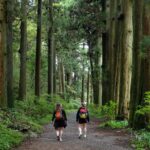
- Old Tokaido Foot Highway short walk under towering 400-year-old cedars
- Amazake Teahouse chat with the Yamamoto family, then a tea ceremony
- Private group up to 8 with an experienced English guide who keeps things moving
Volcanic Hakone, explained like a story you can walk through
Hakone is not just scenic. It is a working geology lesson wrapped in a beautiful day out. The area sits in an ancient caldera about 15 miles across, and there is still volcanic activity around Owakudani. On this tour, you do not stay at a distance. You move through the places where the volcano shapes the view and the town rhythm.
What makes this feel “worth it” is the guide’s framing. You’re not only checking boxes like crater, lake, and temples. You’re learning how the valley, the water, and even the famous sights relate to volcanic processes. You’ll also hear how this region’s history and Japan’s wider development connect to routes like the Tokaido, which linked major cities for centuries.
If you like travel days with clear cause-and-effect, this works. If you prefer long, slow wandering with zero interpretation, you might find it a bit structured. But for most people, the guided pacing is the point.
You can also read our reviews of more historical tours in Hakone
Pickup and timing: fitting Hakone into an 8-hour day
This is built as a tight, efficient 8-hour experience, and that matters when you’re deciding how much Hakone to do. You’ll be picked up from one of these options: Hakone-Yumoto Station, Yumoto Station Hotel MIRAHAKONE, or Odawara Station. If you’re doing a day return from Tokyo, you’ll meet at Odawara Station ticket gate, and if you’re staying overnight in Hakone, pickup can be at your hotel.
The schedule then includes a train ride of about 75 minutes, which is a big chunk of the day. After that, the main sightseeing blocks kick in: gondola at Owakudani, boat cruise on Lake Ashinoko, and the tea-focused cultural stops.
What I like about this setup is that it reduces decision fatigue. You’re not piecing together every transfer after you arrive. The guide handles the flow so you can focus on what you’re there for, not on where to stand and which ticket to pull next.
Owakudani gondola over an active crater mouth
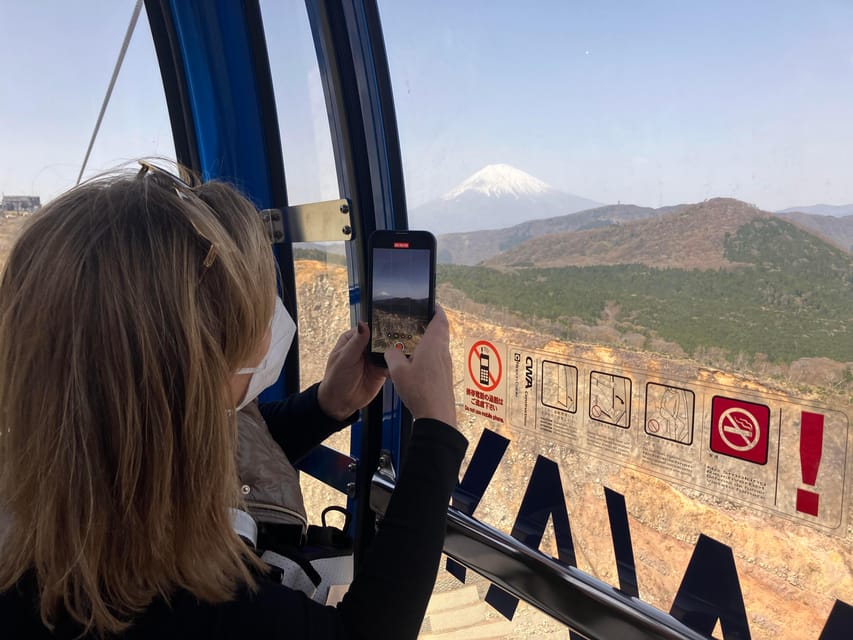
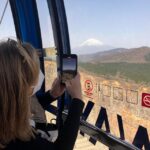
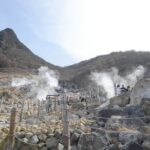
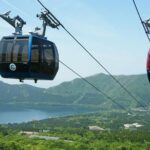
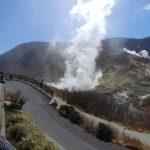
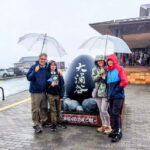
Owakudani is the star geology stop, and the tour brings you close to it with a gondola ride. You’ll cross the mouth of an active crater by ropeway, and the view concept is straightforward: you’re looking over a volcanic system that is still active. The tour description notes there is a very low level eruption ongoing in the crater.
Important practical note: this part is not recommended for anyone with heart or respiratory disorders. If that applies to you, take this seriously and choose a different Hakone option.
For everyone else, this is one of those rare travel moments where you can feel how “alive” the landscape is. Caldera scenery can be abstract in photos, but on the gondola you get a real sense of scale, slope, and how steam and volcanic ground sit in the valley.
Also remember weather. Fog can steal visibility around Owakudani, and if Mt Fuji is your goal, you’ll want the clearest conditions you can manage later on the lake.
Lake Ashinoko pirate ship cruise and Mt Fuji, weather permitting
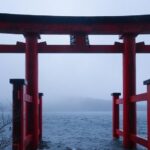
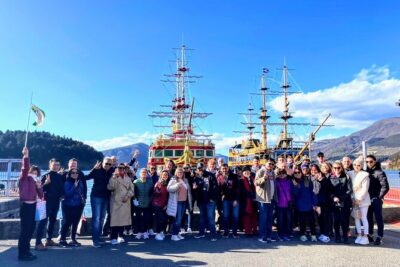
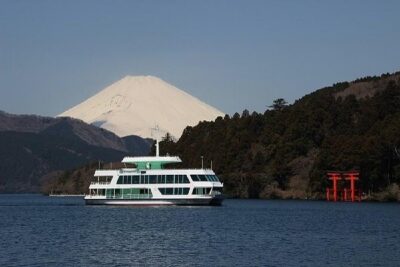
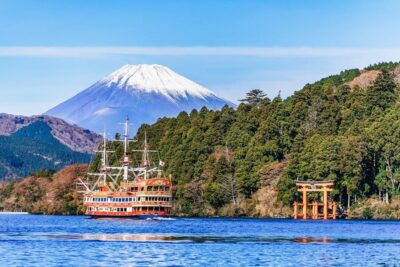
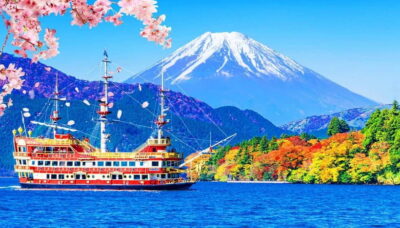
Next comes the water, and the tour uses Hakone’s famous pirate ship style boat cruise across Lake Ashinoko. The interesting geology detail here is specific: Lake Ashinoko is about half a mile deep and it never freezes because hot spring water rises from its depths.
That single fact changes how you picture the lake. You’re not just seeing pretty shoreline. You’re seeing a geothermal effect that keeps the water from locking up in winter. It also helps explain why the region is so tightly linked to hot springs culture.
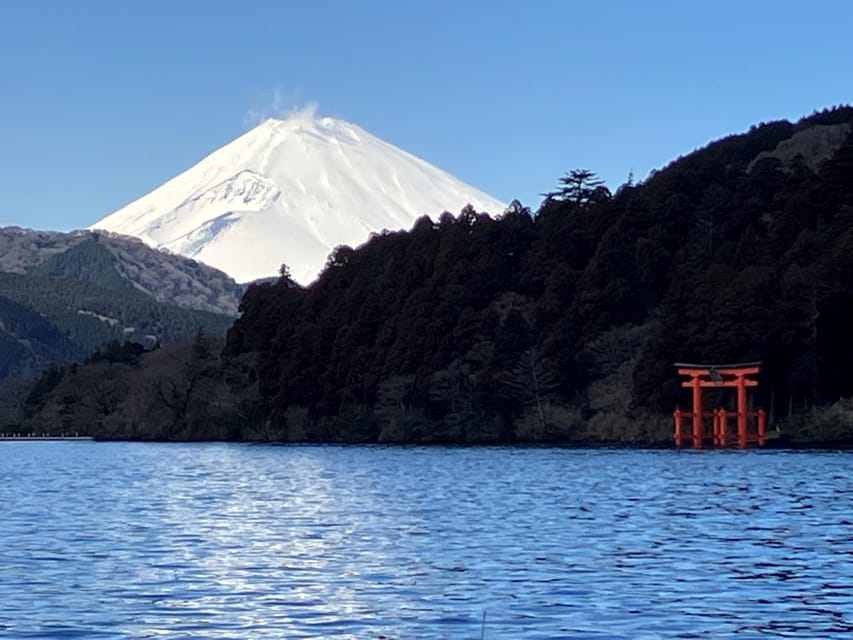
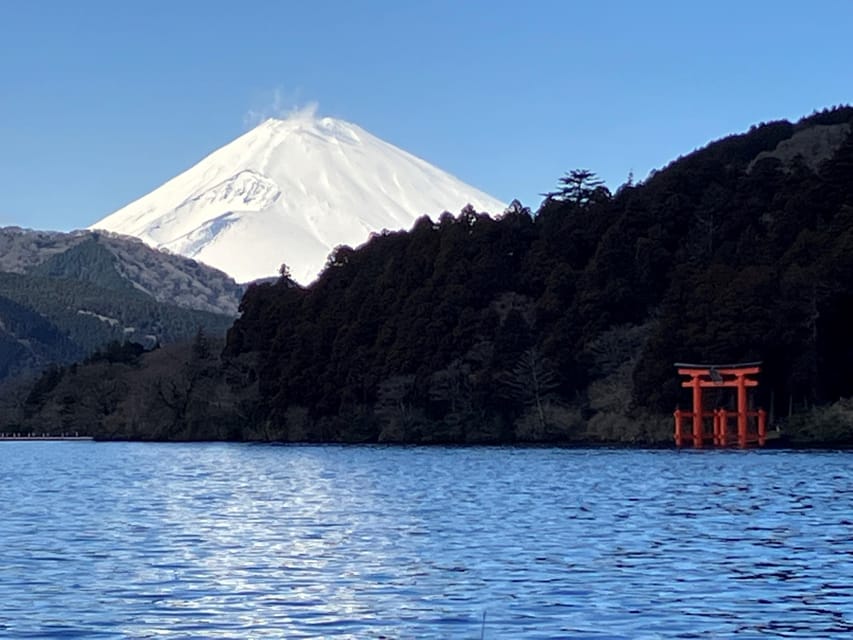
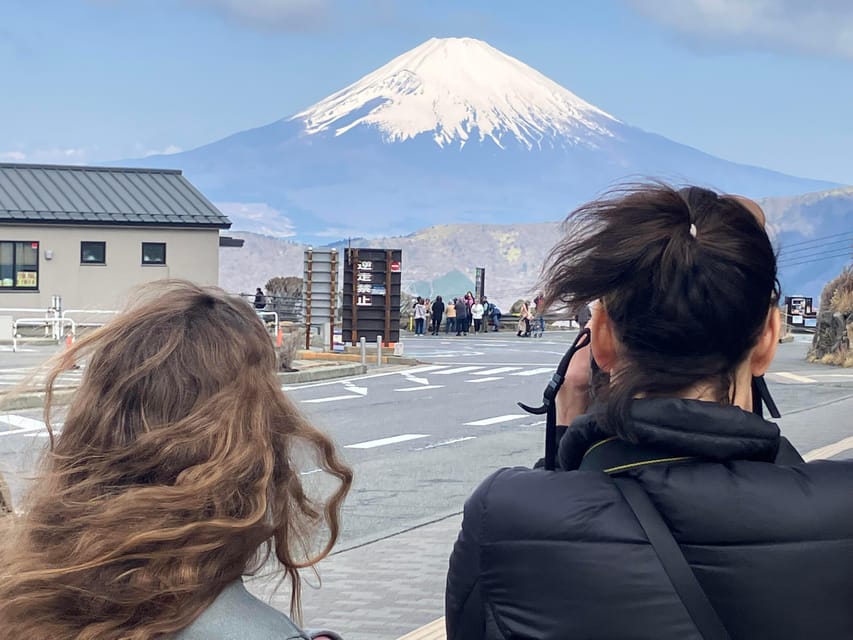
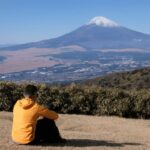
The tour also includes Mt Fuji views, weather permitting. This is not a guarantee. But the boat cruise is exactly the kind of time when conditions can line up, with open sightlines and fewer crowds blocking the view. If the sky is clear, it’s one of the most rewarding moments of the day.
One practical tip: bring layers even if it’s warm when you start. Lake breezes can cool you quickly, and you’ll be on and off boats and gondolas.
Old Tokaido foot highway cedars and the human side of history
Between volcano and tea, you get a history walking stretch on the Old Tokaido Foot Highway. This is the part of the route that connected Japan’s main centers like Tokyo, Kyoto, and Osaka for centuries.
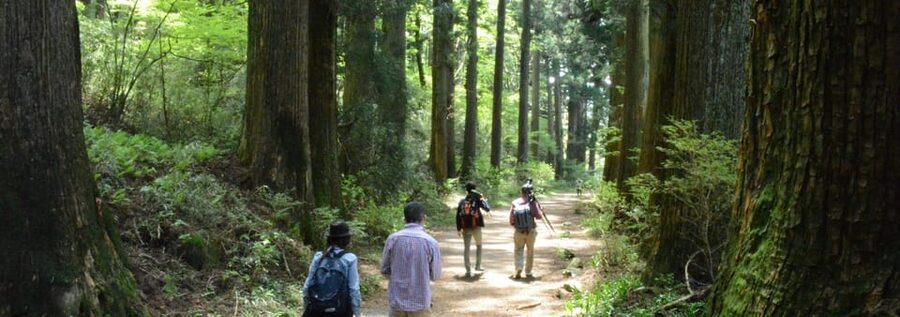
The tour keeps it short, but it’s a quality walk. You’ll stroll a section where towering Japanese cedars line both sides. The cedar detail is not small. It frames the route like a living corridor, and it gives you a sense of travel scale that pure museum facts can’t.
What I like here is that it balances the “big nature” story with “people moved through here.” Hakone sits on major travel lines in Japan’s mind, and the Tokaido connection is one reason. You’re not only learning about volcanic rock. You’re also learning how people built routes through difficult terrain.
If you prefer fully seated experiences, this will be a mild change of pace. Expect walking, use comfortable shoes, and keep your energy for the later cultural stops.

Amazake teahouse, Yamamoto family conversation, and the tea ceremony
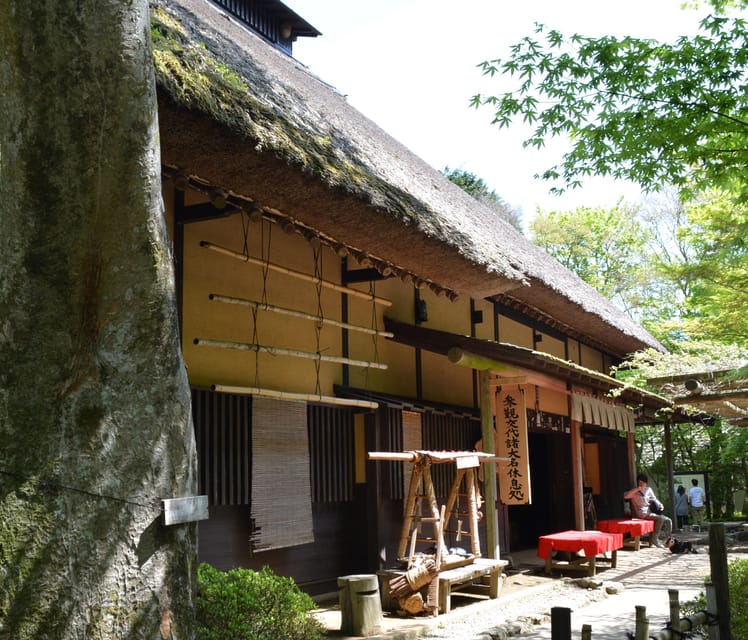
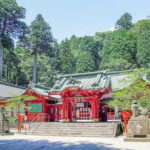
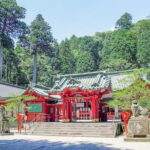
This is the cultural anchor of the day. The tour includes a visit to a 400 year old Amazake Teahouse and time to talk with the 13th generation manager from the Yamamoto family. That family connection is what makes this feel human, not just performative.
You’ll also get food and drink moments that are tied to the place. From the experiences shared by recent travelers, the rice tea and mochi at the tea house are a standout. Even if you are not a major sweet eater, this is the kind of local taste that stays with you because it’s specific to the venue and explained in context.
After that, the schedule includes a tea ceremony experience (about one hour). Tea ceremony days can feel repetitive if you’ve done a lot of them on a trip. In this case, it works because it follows the teahouse conversation. You’ve already met the people and heard the background, so the ritual lands with more meaning.
This section is also where the guide’s personality matters most. A strong guide connects manners, ingredients, and stories in a way that makes you slow down without feeling stuck.
Price and value: what $483 gets you, plus what you must plan
The price is $483 per group, up to 8 people, for an 8-hour private tour. That’s not “cheap” in the way solo bargains are cheap, but the value is tied to privacy and shared guide time.
Here’s the honest math:
- If you fill all 8 spots, it works out to about $60 per person.
- If you book as 4 people, it’s about $121 per person.
- If it’s just 2 people, it’s about $242 per person.
So this tour makes the most sense when you can split the group cost. It’s also a good fit for families or small groups who want the guide to adjust to what they want to see, instead of joining a large bus crowd.
What’s included: the experienced guide and the guide’s own costs. What’s not included: local transport, lunch, and afternoon tea. You’re advised to prepurchase a Hakone Free Pass, which matters because you’re relying on local transport to connect gondola, boats, and other legs.
If you budget meals and local transit, the day can feel smoother and more relaxed. If you don’t, you may end up scrambling near the end of the tour for food or the right pass.
Who this tour suits best (and who should skip it)
This is ideal if you want Hakone in one day with real interpretation. You’ll like it if you’re curious about volcanic landscapes and you appreciate a guide who can connect geology to Japan’s travel and cultural storylines.
It also suits anyone who benefits from a private format. With pickup options, a planned flow of gondola and boat, and the ability to ask questions in English, this is designed to reduce stress and keep the day moving.
Avoid it if you have heart or respiratory disorders. The ropeway over the crater mouth is the key issue, and the tour explicitly notes it is not recommended.
One more “match check”: if you can be flexible about Mt Fuji, you’ll enjoy this more. Views are weather permitting, so you’re going for the experience, not for a guaranteed photo.
Should you book this Hakone Geology & History Tour?
Book it if you want a single-day Hakone plan that blends active volcanic scenery, a short historic walk on the Old Tokaido route, and a meaningful cultural stop at a 400-year-old Amazake Teahouse with the Yamamoto family. The guide-driven explanations and the tight pacing are exactly what make the price feel fair for groups.
Skip it if you cannot use the ropeway safely or if you only want guaranteed Mt Fuji photos. In that case, choose a different Hakone style plan that matches your comfort and view priorities.
If you do book, plan your meals and local transport ahead, wear comfortable walking shoes for the cedar-lined highway section, and dress in layers for lake and gondola weather.
FAQ
What is the duration of the Hakone Geology & History Tour?
The tour duration is 8 hours.
Where can I be picked up?
Pickup options include Hakone-Yumoto Station, Yumoto Station Hotel MIRAHAKONE, and Odawara Station. If you are doing a day return from Tokyo, the guide meets you at Odawara Station ticket gate. If you are staying overnight in Hakone, pickup is at your hotel.
How much does the tour cost and what is the group size?
The price is $483 per group, up to 8 people.
What is included in the price?
The tour includes an experienced English-speaking guide and the guide’s own costs.
What is not included?
Local transport is not included, and you should prepurchase a Hakone Free Pass. Lunch and afternoon tea are also not included.
Is the tour available in English?
Yes, the tour is guided in English.
Will I be able to see Mount Fuji?
Mt Fuji views are included if weather permits.
Is the ropeway suitable for everyone?
It is not recommended for customers with heart or respiratory disorders.
More Historical Tours in Hakone
More Tours in Hakone

More Tour Reviews in Hakone
Not for you? Here's more nearby things to do in Hakone we have reviewed


Hakone Day Trips, side by side.
 ★ 5.0Mt Fuji and Hakone 1-Day Bus Tour Return by Bullet TrainFrom $16326,383 reviews
 ★ 4.0Mt Fuji & Hakone Cruise, Drum Show Bullet Train 1 Day from TokyoFrom $1497,413 reviews
 ★ 4.4Tokyo Mt Fuji 5th St & Hakone Cruise Bus Tour w/Bullet TrainFrom $1545,024 reviews
 ★ 4.7Mt. Fuji Tour, Hakone Ropeway, Owakudani, Lake AshiFrom $544,002 reviews
 ★ 4.2Mt. Fuji 5th Station & Hakone Cruise 1-Day Bus TourFrom $1292,381 reviews
 ★ 5.0Private Tour to Mt. Fuji and Hakone (Fully Licenced Operator)From $4971,910 reviews
 ★ 4.0Mt Fuji & Hakone Cruise, Drum Show Bus 1 Day from TokyoFrom $1221,287 reviews
 ★ 4.2From Tokyo: Mt. Fuji & Hakone Tour w/ Return by Bullet TrainFrom $1171,278 reviews
This tour also belongs to