
Review · TOKYO CITY TOURS
Tokyo Private Full-Day Tour by Car or Van
Tokyo in a day, without the transit stress. This private car-and-driver day tackles big-name Tokyo stops like Senso-ji, Tsukiji, and Shibuya, with hotel pickup and in-vehicle Wi-Fi so you can stay in the flow.
I especially like the flexibility. You can linger longer where you care, and shorten stops that feel less important. I also like the practical comfort, a modern air-conditioned vehicle plus Wi-Fi you can use to share photos on the move.
The main drawback to watch for is simple: the standard service is an English-speaking driver, not a full commentary guide at every stop. If you want a lot of narration and context, you may want to choose the upgrade.
Key things that make this tour worth your time
- Private group of up to 5 with your own vehicle and driver
- 10-hour plan starting at 9:00 am, with overtime billed if you run long
- In-vehicle Wi-Fi (availability can vary)
- Most major sites have free entry, with Tokyo Skytree tickets not included
- Optional add-ons like Yoyogi Park/Takeshita and Odaiba if time allows
- English support with a driver, plus a separate upgrade if you want a guide-style experience
Private Car, Real Control Over Your Tokyo Day
This is a full-day Tokyo highlights run, but the big win is how you control it. Instead of spending half the day reading signs and timing trains, you’re dropped close to the places you came for, then you decide how long to stay.
The day runs for about 10 hours from hotel pickup to drop-off, starting at 9:00 am. That timing matters because Tokyo shifts fast during daylight hours, and starting in the morning helps you hit popular spots before they feel like a human aquarium.
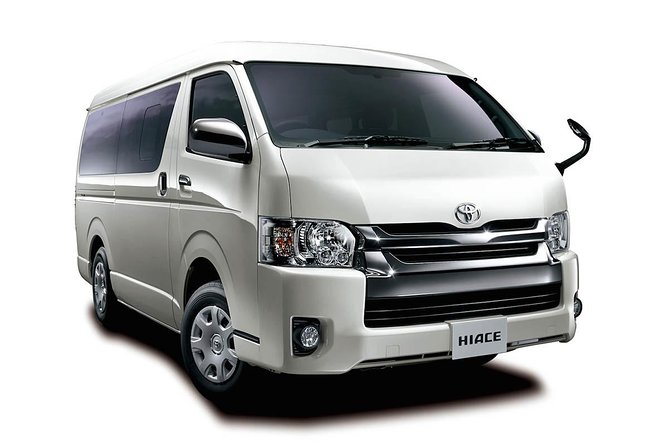
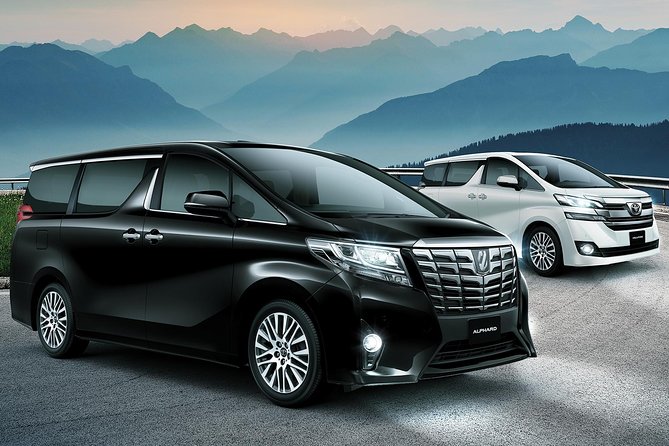
You’re traveling in a comfortable car or van with air-conditioning, and you get in-vehicle Wi-Fi if it’s available. It sounds small, but it helps when you want to quickly check directions, confirm meeting points, or upload the first batch of photos while memories are still fresh.
You can also read our reviews of more private tours in Tokyo
Price, What You Get, and How to Judge the Value
The price is $321.42 per group, up to 5 people. That turns the math into something you can actually plan. If you’re traveling with a small group or family, this often works out better than paying for separate taxis all day, plus the mental cost of switching trains and lines.
What you get for that group price is not just a ride. Your hotel pickup and drop-off within Tokyo’s 23 wards is included, along with fuel, highway tolls, and parking fees. Those last three are the kind of details that quietly eat budgets when you self-arrange transport.
You’ll also have mostly free admissions built into the plan. Stops like Senso-ji, the Imperial Palace East Gardens, Tsukiji Outer Market, Meiji Jingu, and Shibuya Crossing are listed as free entry. The one big paid exception is Tokyo Skytree.
What you should budget for on top of the base price:
- Tokyo Skytree admission (estimated 2,100 to 3,100 JPY per person)
- Food and drinks
- Any optional add-ons you choose if time allows
This is not the cheapest way to see Tokyo. It is, however, one of the most time-efficient ways to see a lot without feeling rushed every five minutes.
Start Time, WhatsApp Messages, and the Skytree Ticket Reality
Your day begins at 9:00 am. Plan to be ready for pickup before you think you need to be, because Tokyo traffic and loading curbside can turn a calm schedule into a stop-and-wait situation.
The operator will contact you via WhatsApp one day prior the trip. That means you should have reliable data or Wi-Fi access. One practical tip from experience on this route: get an eSIM before you leave the airport so you can actually receive those messages and stay connected.
Also, note the timing rule. If you want more than the standard 10 hours, overtime is charged at 2,500 JPY per 30 minutes, paid directly to the driver that day. If you think you might stretch the day, build in extra patience early rather than treating overtime as the emergency exit.
And finally, Tokyo Skytree is the paid admission stop in the lineup. If you want the tower view, decide your ticket plan ahead of time so the day doesn’t turn into last-minute scrambling.
Asakusa Morning Power Move: Senso-ji in 50 Minutes
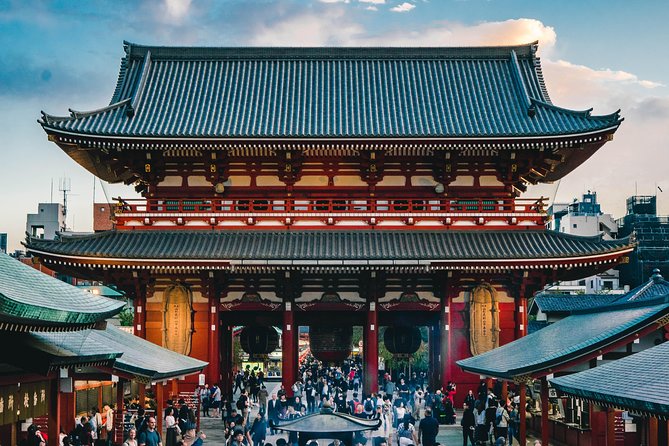
Senso-ji is Tokyo’s oldest and one of its most prominent temples. The whole Asakusa area is built around this place, so even if your time is short, you still get the full sensory hit: incense, colorful stalls, and that famous temple setting everyone recognizes.
You have about 50 minutes here, and admission is free. That’s enough time to do two things well: take in the main temple area, then do a casual walk through the surrounding lanes and snack zone without turning it into a sprint.
A practical note: 50 minutes goes fast in a crowd. If you want photos, treat the first 10 to 15 minutes as your camera setup window, then switch to slower wandering.
Tokyo Skytree Without the Transit Chess: The 1-Hour View Stop
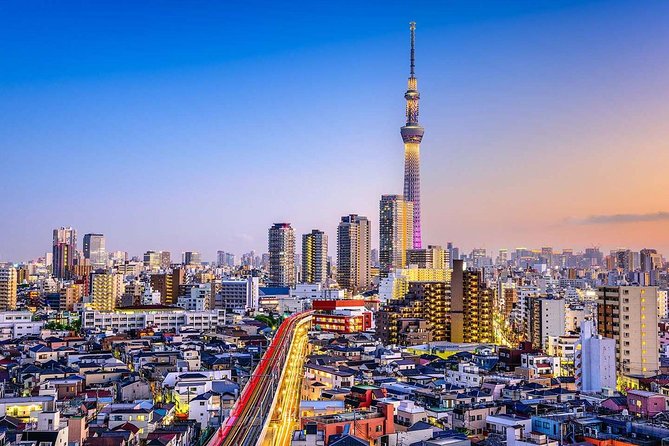
Tokyo Skytree is the world’s tallest tower at 634 meters. The whole reason to visit is the view, plus the satisfying feeling of looking down on Tokyo’s geometry instead of getting swallowed by street-level pace.
You get about 1 hour, and admission is not included in the tour price. Estimated tickets run around 2,100 to 3,100 JPY per person, so it’s worth planning that cost early so you don’t feel surprised.
How to get the most from this stop:
- Decide what kind of photos you want before you go up
- Keep a little buffer for lines and elevator timing
- If visibility looks questionable, adjust your expectations and focus on the best angles you can access
Skytree is a great target for travelers who want a skyline moment but still want the rest of the day to feel grounded in real neighborhoods.
More Tokyo tours and experiences for the shortlist

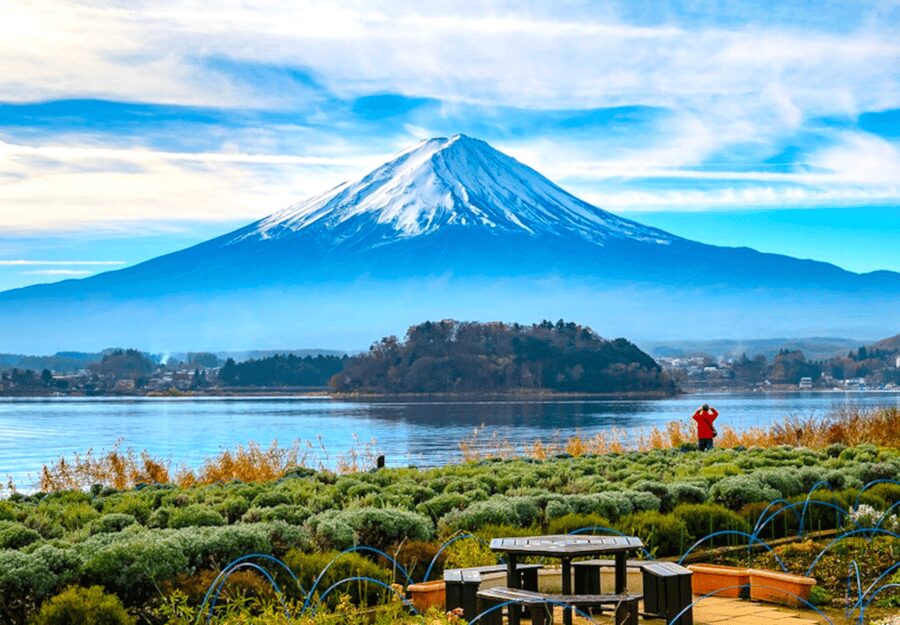
Imperial Palace East Gardens: A Calm Break at 40 Minutes
The Imperial Palace East Gardens connect to the former Edo Castle ruins, including parts of the inner defense circles. It’s a calmer stop than temples-on-street-cameras, even if it’s still a major Tokyo landmark.
You have about 40 minutes, and admission is free. This is an excellent reset point. After busy markets and shrine streets, you can breathe, walk at a slower speed, and enjoy the open space.
Here’s the practical drawback: you can’t spend an hour here and still keep a packed day. So this stop works best when you treat it as a “see it, enjoy it, move on” moment.
Tsukiji Outer Market for Food Energy and Market Atmosphere
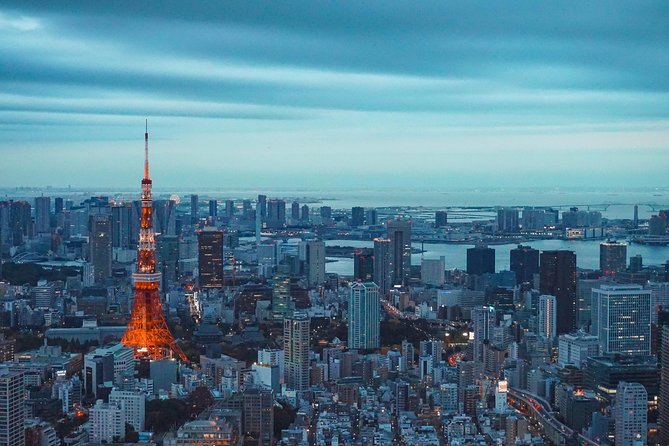
Tsukiji Outer Market is one of the best fish-market scenes in the world, with plenty of street food stalls and places to eat both raw and cooked items. You’ll usually find the most joy here when you approach it like a wander-and-snack plan.
You get about 1 hour, and the market area admission is free. That time is short, so commit to a simple strategy: pick a few stalls you’re curious about, order something small to taste, and then walk to another cluster instead of standing in one place.
If you care about lunch here, don’t leave it to the last second. Even if you’re not starving at arrival, market lines and drink stops can sneak up and steal minutes.
Also, expect this to be active. The fun is the buzz, but the crowds also mean you should keep your bag closed and your personal space clear.
Meiji Jingu, Then Optional Harajuku Detours
Meiji Jingu is Tokyo’s most prominent shrine, dedicated to Emperor Meiji and Empress Shoken. The setting is part of the appeal, a spiritual pause that feels cooler and quieter than the streets outside.
You’ll have about 45 minutes here, and admission is free. This stop is perfect for travelers who want Tokyo to slow down for a moment, not just point and photograph.
There’s also an optional combo if time allows:
- Yoyogi Park
- Takeshita walking street
This is a good way to switch gears after the shrine. One minute you’re in a calm forested feel, the next you’re near Harajuku’s youth-fashion energy. If that second vibe isn’t your thing, you can skip it and still keep the day smooth.
Shibuya Crossing: The 30-Minute Photo Moment That Works
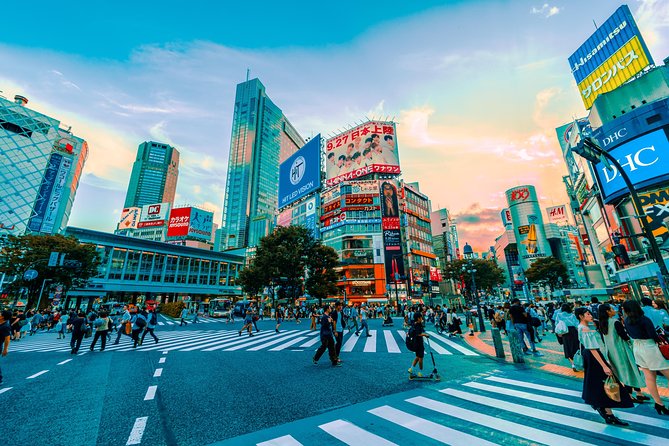
Shibuya Crossing is the busiest intersection in the world and one of Tokyo’s most recognizable scenes. It’s also a rare spot where you can get a strong sense of the city’s rhythm in a short time.
You have about 30 minutes, and admission is free. This is just enough time to cross if you want, grab a few different angles, and then take a breath before moving on.
A practical hint: take your photos early. Traffic flow changes constantly, and the intersection is not the place for slow camera setup. If it’s raining, keep an eye out for quick shelter options and consider water-resistant gear if you’re serious about photos.
Odaiba Optional Add-On for Bay Views and Big Tokyo Energy
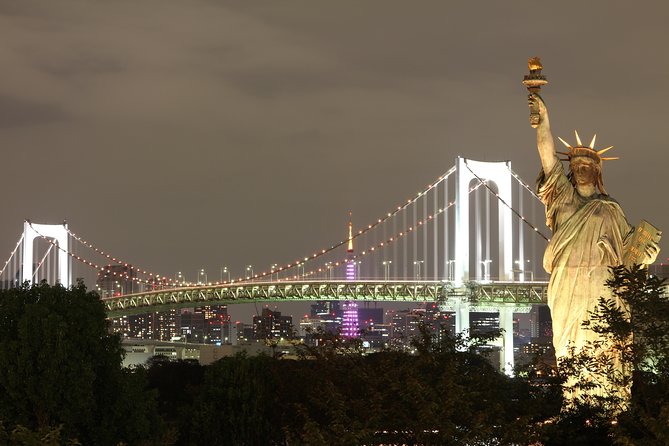
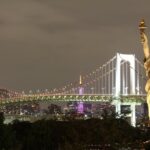
Odaiba is a man-made island by Tokyo Bay with modern attractions, a beach, and strong views of Tokyo Bay, mainland Tokyo, and Rainbow Bridge. It’s listed as optional, about 1 hour, and it’s included only if you have time left.
This stop can be a perfect closer, especially if you want one last dramatic view of the city. It can also be the first to get skipped if the day runs late or light fades quickly, depending on weather and timing.
So I think of Odaiba as a choose-your-own-adventure moment. If you’re traveling with kids, want wider open space, or want bridge and bay photo chances, it’s a good bet. If your priorities are temples, markets, and neighborhoods, you may not miss it.
Drivers, Not Just Cars: Why Names Matter
Because this is a private day, the driver can shape the whole experience. You get an English-speaking driver, and they handle transportation plus general assistance. If you want more of a guide-style experience with detailed commentary, there’s a separate upgrade option for the tour guide service.
In real-world outcomes, some drivers really made the day feel like a story instead of a checklist. Names that came up include Zoma, Prince, Wafi, Jun, Marc, Haider, Alam, and Jiro. When the right person is behind the wheel, you can get smoother routing, better photo timing, and context that makes the stops land.
If you have strong interests, I recommend being direct before the day starts. Tell your driver what you care about most: architecture, food, shopping neighborhoods, shrine etiquette, or simply best photo angles. A flexible plan works best when your priorities are crystal clear.
And if you’re traveling in rain or cold, you’ll appreciate the practical side of great drivers. One review noted umbrellas brought along, which is the kind of small kindness you remember later.
Walking Budget, Crowd Timing, and How to Pace Yourself
Even with car transport, you will walk. One experience shared that the day added up to around 4 miles of walking, spread out across stops. That’s not extreme, but it’s enough to matter if you’re already tired or have mobility limits.
You’ll feel it most in:
- Temple and market lanes
- Lines and stairways around viewpoints
- Crossing zones where crowd flow guides your pace
My advice is to wear comfortable shoes and treat the day like a marathon relay, not a single long sprint. Take your photos when the moment hits, then switch to slow walking to reduce fatigue.
Also, because you’re moving between areas, you’ll have a better day if you keep snacks and water simple. Food is not included, and market choices can change based on what sounds good in the moment.
Who This Tour Suits Best
This tour fits best if you want Tokyo highlights without battling transit stress. It’s a strong match for first-time visitors, travelers with limited time, and families who want a smooth day with fewer logistics headaches.
It’s also ideal for people who like structure but still want freedom. The schedule gives you major stops, but you can customize your pace so your favorite places get enough time.
You may want to look elsewhere if:
- You expect a full guided lecture at every stop by default
- You love deep, slow museum-style sightseeing
- You want total control to the level of planning every route change minute by minute
If your ideal day is, “See the classics, keep moving, and make it easy,” this fits very well.
Should You Book This Tokyo Full-Day Car Tour?
If your goal is a high-value day with minimal transit hassle, I think this is an easy yes. The combination of hotel pickup, private vehicle comfort, and a highlights route across Senso-ji, Skytree, Tsukiji, Meiji Jingu, and Shibuya is exactly the kind of itinerary that works when time is tight.
Book it with two smart expectations:
1) Budget for food and Skytree tickets.
2) If you want more than driving support, consider the tour guide upgrade so you don’t end up with a driver who mainly focuses on transportation.
For a group of up to five, the per-group price is often the sweet spot. It buys you time, smooth logistics, and the ability to spend your energy on Tokyo, not on figuring out your next subway transfer.
FAQ
How long is the Tokyo Private Full-Day Tour?
The tour lasts about 10 hours, from hotel pickup to drop-off. If you need extra time, overtime is charged at 2,500 JPY per 30 minutes, paid to the driver on the day.
Where are hotel pickup and drop-off offered?
Pickup and drop-off are included within Tokyo’s 23 wards. Pickups outside the 23 wards have a surcharge that varies by location.
Is Tokyo Skytree admission included in the price?
No. Tokyo Skytree admission is not included, and the estimated cost is around 2,100 to 3,100 JPY per person.
What is included in the tour price?
Included items are a private air-conditioned car or van, an English-speaking driver, hotel pickup and drop-off within the 23 wards, fuel, highway tolls, parking fees, and in-vehicle Wi-Fi (subject to availability).
Do you get a tour guide, or just a driver?
The standard included service is an English-speaking driver. A tour guide service is available as an upgrade for an additional 10,000 JPY per booking.
Is there a child seat available?
One child seat per group is available per vehicle.
Is there free cancellation?
Yes. You can cancel up to 24 hours in advance for a full refund. Canceling less than 24 hours before the start time does not get refunded.
More Private Tours in Tokyo
More Tours in Tokyo




More Tour Reviews in Tokyo


Not for you? Here's more nearby things to do in Tokyo we have reviewed












Tokyo City Tours, side by side.
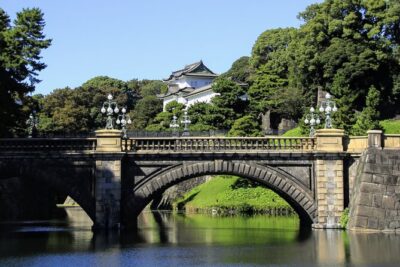 ★ 5.01-Day Tokyo Bus TourFrom $12914,250 reviews
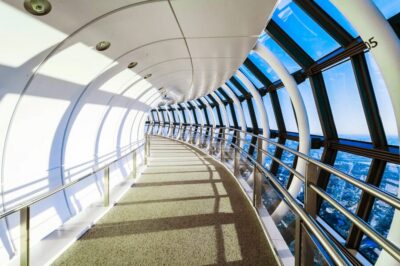 ★ 4.5TOKYO SKYTREE® Admission ticketFrom $1311,192 reviews
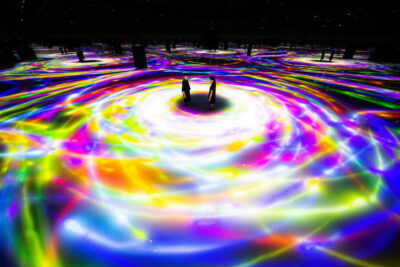 ★ 4.6teamLab Planets TOKYO Digital Art Museum Entry TicketFrom $259,779 reviews
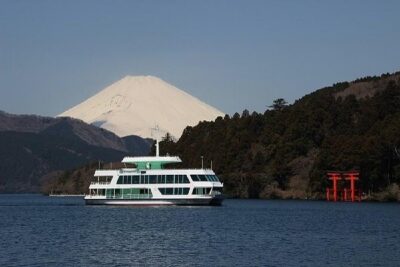 ★ 4.0Mt Fuji & Hakone Cruise, Drum Show Bullet Train 1 Day from TokyoFrom $1497,413 reviews
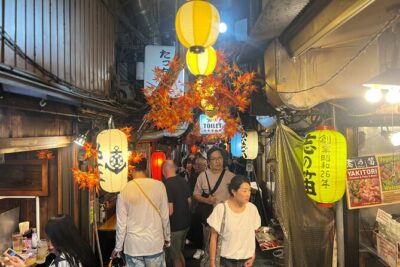 ★ 5.0Shinjuku Food Tour (13 Dishes at 4 Local Eateries)From $866,603 reviews
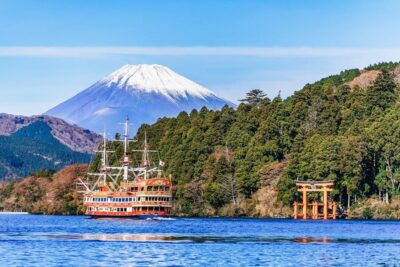 ★ 4.4Tokyo Mt Fuji 5th St & Hakone Cruise Bus Tour w/Bullet TrainFrom $1545,024 reviews
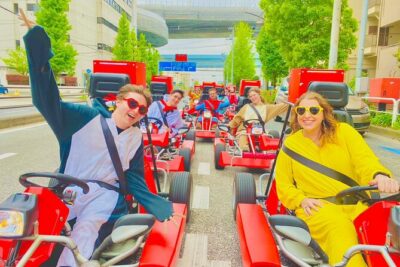 ★ 5.0Flagship 2-Hours Official Street Go-Kart Tour – Tokyo Bay ShopFrom $644,974 reviews
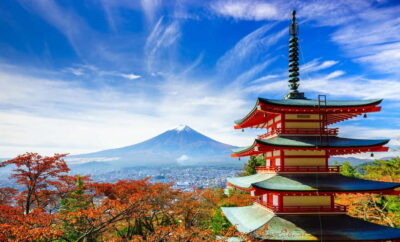 ★ 4.5From Tokyo: Mount Fuji Full-Day Sightseeing TripFrom $684,970 reviews