
Review · PRIVATE
10-Day Private Tour with more than 60 Attractions in Japan
A 10-day sampler across Japan’s top classics. This private route strings together Tokyo, Nikko, Mount Fuji viewpoints, Hakone, Kyoto, Osaka, Nara, and a Kobe finish, while you ride in an air-conditioned car with a driver. You get personalized attention and can adjust the plan when crowds or traffic get messy.
I especially like how the pacing is built around stops that actually make sense for first-time planning. On the guide side, the name Newton shows up in feedback for being cheerful, active, and strong at explaining what you’re seeing, including history and useful stories.
The main consideration is cost creep: the vehicle is covered, but many sights have separate entry fees (Mt. Fuji 5th Station, Hakone and Nikko top charges, castles, and teamLab). Plan on extra spending on top of the $9,000 group price.
Key highlights that make this tour feel worth it
- Private door-to-door time: each day runs about 10 hours including commuting, so you are not piecing together trains all day.
- 60+ major stops across 7 regions: you cover the big names without needing a travel spreadsheet.
- A driver does the hard part: fewer transfers, less stress, more time inside the places you came for.
- Newton-style guiding: feedback emphasizes cheerful, attentive explanations and group check-ins in hot weather.
- Built-in flexibility: you can skip or swap stops if timing breaks down due to traffic or overcrowding.
- Season-proof comfort: bottled water and an air-conditioned car help a lot on long days.
Private car logistics that actually save your trip
Here is the deal with a route like this: Japan is easy to travel, but it is also easy to burn time. This tour solves the biggest pain points for first-timers by handling the long legs between regions and doing your daily movement in a private car.
Your day typically includes commuting, and each day is about 10 hours total. That matters because you are not just touring one neighborhood, you are bouncing between Tokyo, Nikko, the Fuji area, Hakone, Kyoto, Osaka, Nara, and then Kobe.
Also, you are not stuck with a rigid script. The plan can be changed to skip stops or reroute when traffic congestion or crowded situations would cause long waits. That is how you keep your energy for the places you care about most.
You can also read our reviews of more private tours in Tokyo
Day 1 in Tokyo: Tsukiji, temples, and skyline power hits
Tokyo on day one is a confidence builder. You start with Tsukiji Fish Market, then flow through Senso-ji Temple in Asakusa, and add classic viewpoints and neighborhoods back-to-back.
- Tsukiji Fish Market: even though it has shifted over time, it is still one of the most iconic ways to feel Tokyo’s food culture early in the day. Admission is free on this stop, so you get value fast.
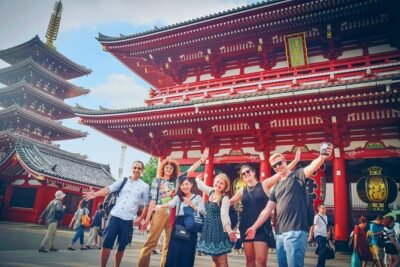
- Senso-ji Temple: asakusa’s oldest major temple has that colorful street-scene energy right around it. This is a great stop for learning how Tokyo’s religious and historical layers sit inside a modern city.
- Tokyo Skytree: if you want one tall-view moment, this is the one. It is not included, so decide based on whether you want a big panoramic payoff.
- Imperial Palace East Gardens: the admission is free here, and it gives you a calmer break after the market and temple crowds.
- Akihabara and Harajuku: you get the electronics and pop culture mood, then Takeshita Street for the youth fashion and crepe culture. If you like shopping photos, this is a strong combination.
- Shibuya Crossing and Meiji Jingu: you get both the modern spectacle and the quiet forest shrine contrast.
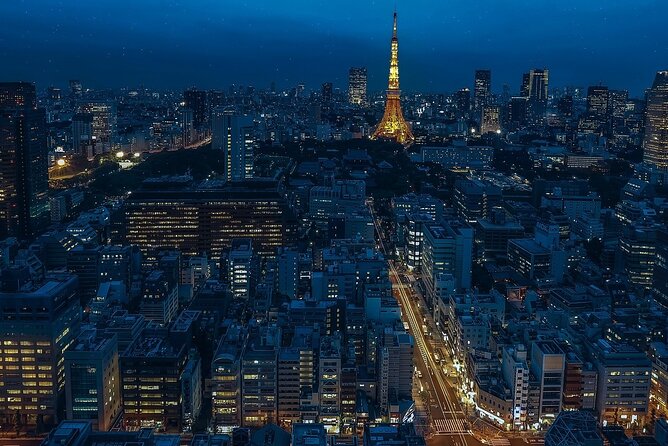
- Tokyo Tower and teamLab Planets TOKYO (optional by timing): you finish with an iconic skyline structure and a modern ticketed experience where you walk through immersive rooms.
Possible drawback on day one: it is packed. With a 10-hour day, you will want comfy shoes and a plan to slow down for photos rather than trying to see every detail perfectly.
Day 2: Kamakura temples, then Yokohama’s Chinatown and gardens
Day two feels like a change of pace. You move to Kamakura first, then head to Yokohama for food and waterfront vibes.
In Kamakura you hit the bamboo and Buddha highlights:
- Hokoku-ji (Bamboo Temple): a signature bamboo garden stop, plus it is in the Zen temple tradition.
- Hase-dera: famous for its massive wooden Kannon statue, a good “one big wow object” kind of visit.
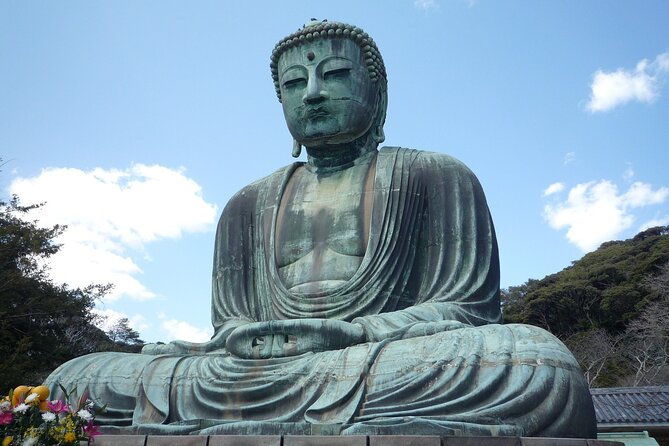
- Kotoku-in Great Buddha: the Great Buddha is short on time but big on impact. It is a classic stop that gives you a clear sense of Kamakura’s Buddhist heritage.
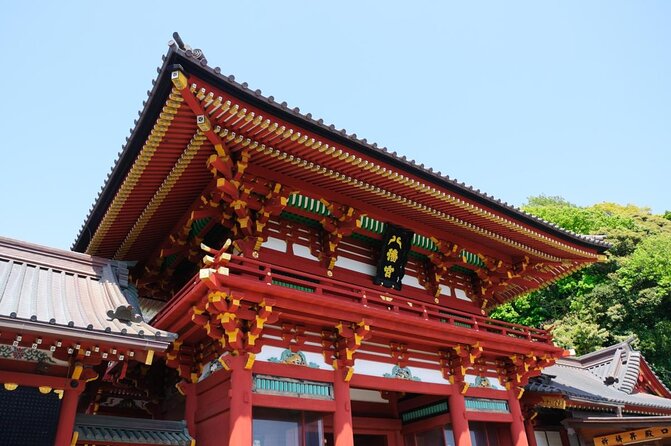
- Tsurugaoka Hachimangu: shrine grounds plus ponds representing clan symbolism. It also gives you a sense of festivals and local civic history.
Then you pivot to city life:
- Kamakura Komachidori: this is your shopping and snack lane. It is free time that helps you refuel.
- Yokohama Chinatown: admission free, and you get a concentrated dose of Chinese-style food culture near Japan’s modern port city life.
- Sankeien Gardens: ticketed and more traditional. If you want a pause away from streets, this is the one.
- Minatomirai (if time): a waterfront skyline area and a modern contrast to the temple day.
If you hate long walking in temple complexes, plan to pace yourself on the shrine and garden portions. This day is more about quality stops than museum depth, so slow down where it feels meaningful.
Days 3 and 4: Mount Fuji viewpoints plus Hakone’s hot springs scenery
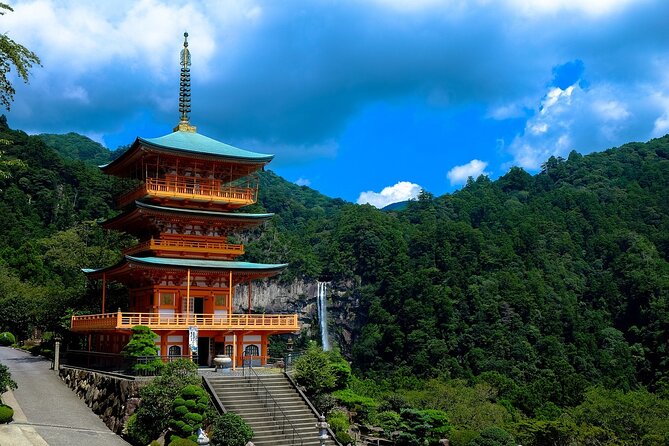
This is the “wow” region stretch. You get the Fuji Five Lakes area viewpoints first, then Hakone’s lake, valley, ropeway, and open-air museum.
Fuji area day (day 3)
You start with:
- Oshino Hakkai: eight springs that connect to Mount Fuji’s water system. It is a great stop for landscape facts without needing long hiking.
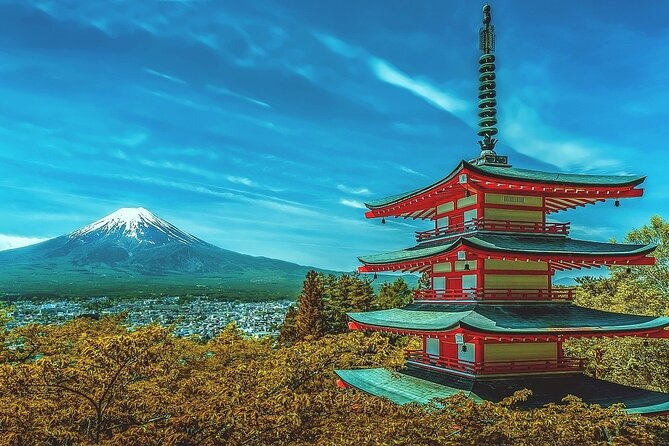
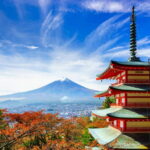
- Chureito Pagoda: the recognizable Fuji-photo setting. It is free, so it is easy to justify even if clouds block the mountain at times.
- Lake Kawaguchiko and Oishi Park: both are built around seeing Fuji with the lake and surrounding gardens as context.
- Saiko Iyashi no Sato Nemba: a preserved old-village setting. It is ticketed, and it adds culture and calm between photo stops.
Then you reach the more ticketed, higher-effort options:
- Mt. Fuji Panoramic Ropeway: if you want extra views, this adds a bigger physical experience.
- Mt. Fuji 5th Station: very ticketed, and weather matters. This is the stop for the higher atmosphere, not just the postcard view.
- Arakura Fuji Sengen Shrine: another panoramic viewpoint stop, often easier than long hikes.
- Gotemba: a longer stop connected to green tea-growing area. It is a nice shift from shrine-and-lake rhythm.




Hakone day (day 4)
Hakone is where you get the volcanic, steaming scenery:
- Hakone Shrine / Kuzuryu Shrine: classic shrine setting by Lake Ashi.
- Lake Ashinoko: crater lake scenery, and a ticketed cruise option exists if you want it.
- Hakone Ropeway and Owakudani Valley: the ropeway links scenic points, and Owakudani is where you see the famous black eggs boiled in hot springs.
- Gora Park: a slower garden and tea-house style break.
- Hakone Open-Air Museum: outdoors with sculptures, views, and nature. It is ticketed.
One drawback to keep in mind: Hakone and Fuji are weather-sensitive. If the mountain views are blocked, you still get gardens, shrines, and the open-air museum, but the big payoff changes.
Day 5 Nikko: Toshogu, Shinkyo Bridge, and the Lake Chuzenji loop
Nikko is a full day that mixes ornate shrine architecture with lakeside natural scenery.
You start with Toshogu Shrine, the big signature site, then walk into iconic sections like:
- Shinkyo Bridge: sacred river crossing, with an elegant arch that is one of Nikko’s best-known scenes. Admission is free here.
- Nikko Jizo statues (Narabi Jizo): small statues that add a personal, human element and make the day feel less like only architecture.
- Nikko Tamozawa Imperial Villa Memorial Park: a retreat space connected to Emperor Taisho, ticketed and calmer than the main shrine flows.
- Akechidaira Observation Area: a deck for views of Kegon Falls and Lake Chuzenji, plus seasonal foliage.
Then you hit the water scenery:
- Kegon Falls: a classic waterfall stop, ticketed.
- Lake Chuzenji: ticket varies, and the setting is designed to be an easy scenic buffer between photo points.
If you like carved detail, Toshogu is the day’s anchor. If you prefer nature, the lake and falls will feel like the payoff. Either way, this is one of the best days for that mix.
Kyoto days: Kiyomizu, Nishiki Market, Fushimi Inari, and Arashiyama timing
Kyoto is handled in two focused days, each with different textures. One day leans into major temples and markets, the other into Arashiyama and evening Gion.
Kyoto Day 6: East Kyoto temples and central street life
- Kiyomizu-dera: ticketed, and it is the type of place where the views and setting matter as much as the temple itself.
- Sanjūsangen-dō: ticketed, and it is known for its interior Buddhist art scale. This stop is shorter, but it is a strong cultural anchor.
- Yasaka Shrine: free and tied to major festivals like Gion Matsuri. It gives you a sense of Kyoto’s living traditions.
- Nishiki Market: free and built for snacking and browsing, and it works well as a midday reset.
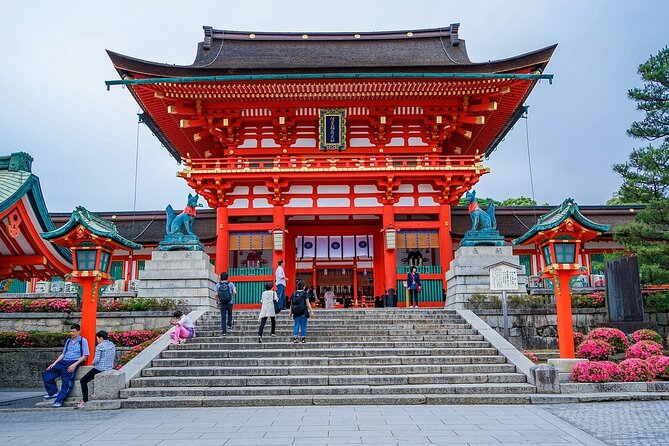
- Fushimi Inari-taisha: free, and those orange torii gate paths are the signature Kyoto visual you came for.
- Nijo Castle: ticketed. If you want a castle interior and fortification story, this is a good add.
Kyoto Day 7: Kinkaku-ji, Arashiyama bamboo, and Gion at night
This day blends iconic architecture, natural sights, and a more atmospheric evening.
- Kinkaku-ji (Golden Pavilion): ticketed. Even with crowds, it is an immediate, high-impact landmark.
- Arashiyama Bamboo Forest: free. It is a quick sensory stop with that bamboo soundscape feel.
- Tenryū-ji: ticketed and tied to UNESCO World Heritage status, making it a strong culture stop.
- Arashiyama Observation Deck: ticketed. If you want a high view over the area, do it.
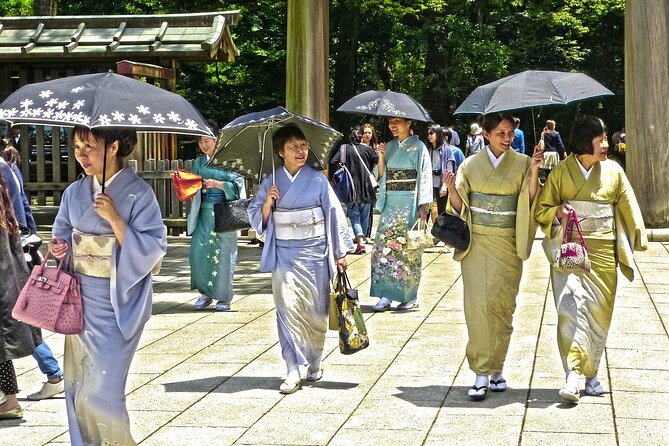
- Arashiyama Kimono Forest: free short stop for shopping-photo style and local design.
- Monkey Park Iwatayama: ticketed and more active, so bring water and plan for the climb.
- Gion: free and timed toward night. The goal is atmosphere, and it is also one of your best “slow down and look around” moments.
If you hate walking hills, prioritize the shorter Arashiyama stops and treat Monkey Park as optional. It is a standout, but it is more effort.
Day 8 Osaka: castle views plus Kuromon and Dotonbori
Osaka day has an easy recipe: add a major landmark, then let food and streets do the heavy lifting.
- Osaka Castle: ticketed. Even if you only spend about an hour, it gives you a major historical silhouette in the skyline.
- Shitennoji: ticketed and one of the older temple complexes, so it grounds the day beyond modern street scenes.
- Sumiyoshi Taisha: free. A shrine stop that complements the temple day without feeling repetitive.
- teamLab Botanical Garden Osaka: ticketed and a night-friendly interactive garden concept. This is a good choice if you want a modern contrast.
- Kuromon Market: free, great for street food and produce shopping, and it keeps the day practical.
- Dotonbori: free and all about the neon canal energy. It is the place to eat your way through Osaka vibes.
This day can feel like two halves: history in the earlier time, then energy and food afterward. If you want more history, spend extra time near Osaka Castle or Shitennoji. If you want more food, focus on Kuromon and Dotonbori.
Day 9 Nara: deer parks and temple visits at a human pace
Nara is your slower, calmer late-trip day.
You start at Tōdai-ji Nigatsu-dō (ticketed), then move to:
- Kofuku-ji: ticketed, once among the powerful Seven Great Temples.
- Nara Park: free and famous for free-roaming deer. This is your big open-space break.
- Sanjo dori Street: free and stretches through central Nara, good for strolling between major spots.
- Isuien Garden and Neiraku Museum: ticketed and more cultured, with collected works connected to Nakamura Junsaku.
Nara is a good day for photos and walking without forcing a museum marathon. You’ll feel the rhythm shift from big cities.
Day 10 Kobe: waterfalls, shrines, Chinatown, and Rokko views
Kobe is a smart finish because it mixes scenic spots with neighborhoods.
- Nunobiki Falls: free, near downtown, and tied to Japanese literature and art. Short stop, good atmosphere.
- Ikuta Shrine: free and possibly among the oldest shrines in Japan, with an Ikuta Forest landmark.
- Kobe Chinatown Nankin-machi: free, and a major tourist neighborhood south of Motomachi station.
- Mount Rokko cable car lower area stop: free on this itinerary note, and you can get scenic mountain views depending on weather.
- Weathercock House (Former Thomas House): ticketed and part of Kobe’s Ijinkan area vibe.
On the last day, you end in Kobe, and the tour can drop you off in Kobe, Kyoto, Nara, or Osaka. That gives you flexibility if your flight or next hotel is outside Kobe.
Price and value: $9,000 per group, plus the entry-fee math
The headline price is $9,000 per group up to 5 people. That sounds steep until you translate it into what you are buying: private transportation across multiple regions, bottled water, fuel, parking, tolls, and an air-conditioned car doing the daily grind.
If you split it five ways, you are looking at about $1,800 per person for a 10-day multi-region tour. That is not cheap, but it can be fair value if you hate logistics and want to keep your time on site.
Where costs do stack up: almost every region has ticketed highlights. Examples from the tour pricing list include Tokyo Skytree, both teamLabs, Mt. Fuji Panoramic Ropeway, Hakone Ropeway and Hakone Open-Air Museum, Nikko top sites like Toshogu and Shinkyo nearby add-ons, Kyoto castles and major temples like Kiyomizu, Osaka Castle, Nara temples, and the Kobe cable car and Weathercock House.
So here is the practical way to decide: if you are the type who already pays for viewpoints, castles, and one or two immersive ticket attractions, this tour can feel like good value. If you want mostly free sights and you plan to self-tour most paid locations, you may spend less doing it independently.
Who should book this tour, and who might not
This is a great fit if:
- You are a first-time visitor who wants a smart overview with minimal planning.
- You travel as a small group and want everyone to move together.
- You want a guide who can explain what you are seeing, with energy and attention.
You might look elsewhere if:
- You enjoy building your own route and riding trains.
- You are sensitive to ticket costs, because many headline stops are not included.
- You want a slow, one-city vacation. This tour is active, with about 10 hours a day.
Should you book this 10-day private Tokyo to Kobe tour?
Book it if you want maximum Japan in a single trip, with the driving and transfers handled for you. The combination of Tokyo classics, Nikko splendor, Fuji viewpoints, Hakone scenery, and Kyoto and Osaka power stops is the kind of trip you do once and remember for years.
Hold off or plan extra budget if you prefer mostly free attractions or if you are hoping to skip many ticketed highlights. Weather matters too, especially around Fuji and Hakone.
If you do book, pack for heat and long walks, pick your top ticketed priorities early, and be ready to enjoy the variety. This tour works best when you treat it like a guided road trip through Japan’s greatest hits.
FAQ
What is the maximum group size for this private tour?
The price is per group for up to 5 people.
How much does the tour cost?
The tour costs $9,000.00 per group.
How long is the tour?
It runs for 10 days approximately. Each day tour duration is about 10 hours including commuting time.
Where does the tour start and where does it end?
It starts in Shinjuku, Shinjuku City, Tokyo, and ends in Kobe. On the last day, you can be dropped off in Kobe, Kyoto, Nara, or Osaka.
What time does the tour start?
The start time is 7:00 am.
What transportation is included?
You get a private, air-conditioned vehicle. Bottled water and fuel charges, parking fees, and toll charges are included.
Are entry tickets included for the attractions?
No. Many attractions list separate fees, including Tokyo Skytree, teamLab Planets, Mt. Fuji 5th Station, Hakone Ropeway, Nikko Tosho-gu, Kiyomizu-dera, Osaka Castle, and more.
Can you skip stops if the route runs into traffic or crowds?
Yes. The itinerary can be changed, and stops can be skipped due to traffic congestion or to avoid long waiting times in overcrowded situations.
What weather requirement applies?
The experience requires good weather. If it is canceled due to poor weather, you are offered a different date or a full refund.
What is the cancellation window for a full refund?
You can cancel up to 24 hours in advance for a full refund. If you cancel less than 24 hours before the start time, the amount paid is not refunded.
More Private Tours in Tokyo
More Tours in Tokyo

More Tour Reviews in Tokyo

Not for you? Here's more nearby things to do in Tokyo we have reviewed












Private, side by side.
 ★ 5.0Tokyo 6hr Private Tour with Government-Licensed GuideFrom $1553,902 reviews
 ★ 5.0Private Tour to Mt. Fuji and Hakone (Fully Licenced Operator)From $4971,910 reviews
 ★ 5.0Tokyo Customized Private Tour (Must See Places in 1 Day)From $1451,499 reviews
 ★ 4.9Mount Fuji Full-Day Private Tour from Tokyo (Customizable)From $3931,470 reviews
 ★ 4.8Private City Highlights Tour with Local GuideFrom $1061,433 reviews
 ★ 5.0Private Custom Tour: Tokyo in a DayFrom $1591,432 reviews
 ★ 5.0Tokyo 4hr Private Tour with Government-Licensed GuideFrom $1091,394 reviews
 ★ 5.0Tokyo Customized Private Tour: See Top Attractions in 1 DayFrom $1451,351 reviews