
Review · TOKYO CITY TOURS
Tokyo Morning Small Group Tour
Morning in Tokyo can feel like a sprint. This tight, well-planned route helps you see Imperial Palace Gardens and Senso-ji Temple early, before the city really turns up the volume. I like the small-group feel and the fact that the sights are close enough to fit into about three hours. One thing to consider, you are on your feet for the whole morning, so wear comfy shoes and pace yourself.
What makes this one work is the hands-on guidance in a group capped at 15. I also appreciate the money-saving rhythm: the stops list free admission tickets, so you are paying mainly for the guide and time, not entry fees. If you need a lot of narration, your experience can depend on the guide’s style, so come ready to ask questions.
The meeting point is easy to miss if you arrive late. You start at Tokyo Station (Marunouchi North Exit) at 9:00 am, so I’d give yourself extra time to confirm you are at the right spot.
Key things that make this Tokyo morning tour worth it
- Tokyo Station start at 9:00 am, then straight into classic sights without wasting time
- Imperial Palace Outer Gardens for calm, green views right at the start
- Nijubashi Bridge photo angles, with time built in for looking, not just walking
- Asakusa and Senso-ji on the same route, so you do not crisscross the city
- Nakamise-dori shopping window near Kaminarimon, so souvenirs come at the end
- Free admission stops listed for each major site, helping the tour feel like real value
Tokyo Station at 9:00 am: your shortcut into central Tokyo
This tour starts in Marunouchi, Tokyo Station’s North Exit area, with the meeting point listed as Tokyo Sta. Marunouchi-Kitaguchi. Practically, that is a big deal. If you are staying anywhere in central Tokyo, getting to the starting area is usually straightforward, and you are not spending your precious morning on trains and long transfers.
I like that the schedule is simple: meet, walk, see the highlights, finish near Senso-ji. The tour runs about three hours, so it feels like a half-day win even if you have other plans later. You also get a mobile ticket, which makes check-in easier on the go.
Small-group limits matter here. With a cap of 15 travelers, the guide can keep an eye on the group and you get a better chance to hear what is being said, especially on crowded sidewalks where big groups can get stretched out.
One caution: Tokyo Station is a maze. If you have never used Marunouchi North Exit before, I recommend arriving 10 to 15 minutes early. The operator’s support is there if you get stuck, which is the kind of relief you want before a morning tour.
More Tokyo tours and experiences for the shortlist

Imperial Palace Outer Gardens: calm, green, and quietly impressive
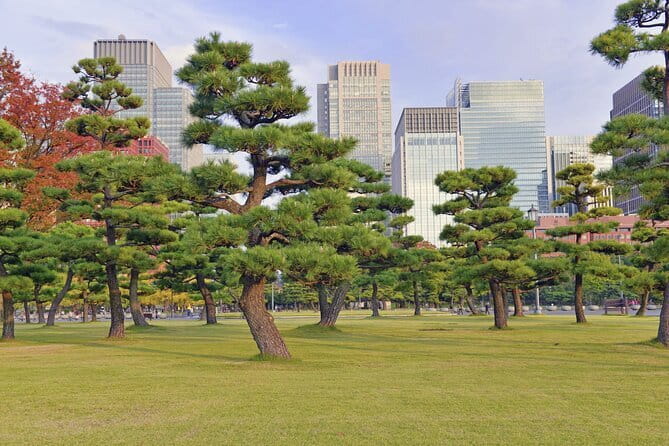
The first stop is the Imperial Palace Outer Gardens, with an allotted 30 minutes and free admission listed. This is a smart opener because it gives you a breather before the more intense sightseeing areas.
What I like about starting here is the contrast. One minute you are in modern city traffic and signage, then the next you are in a garden space that feels made for slower walking and taking photos without rushing. Even if you think you know Tokyo, this stop can reset your expectations. It’s not just a checkmark for the itinerary, it sets the tone for how you will experience the day.
The time allocation is short, so you should plan to do the “best of” version. Bring your camera, but also take a moment just to look around. You will get more out of those 30 minutes if you treat it like orientation time: learn where you are relative to the palace grounds and then move on with less stress.
Downside to be aware of: because it’s the first stop, you are still settling into walking pace. If you normally need a longer start, consider doing a quick bathroom stop before meeting time.
Nijubashi Bridge: views you can actually enjoy in 30 minutes
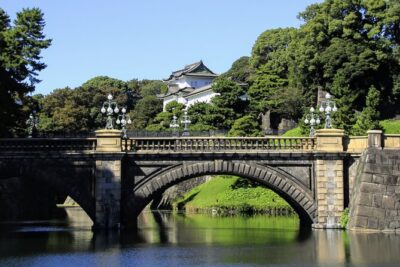
Next up is Nijubashi Bridge, again with 30 minutes and free admission listed. This is one of those Tokyo sights where the value is in the view and the positioning. You get a real chance to pause, look, and reframe your photos rather than being swept along like a moving conveyor belt.
I like this stop because it acts like a bridge between themes. You leave garden calm and head toward Asakusa, but Nijubashi gives you that classic, recognizable image of the Imperial Palace area.
For your best photos, do the basics: pick a spot where you can see both the bridge shape and the water or surrounding views, then wait a minute for the timing to work. Morning crowds can still build, so do not overthink it. The tour gives you enough time to get your shot and enjoy it.
Potential drawback: if you are traveling with someone who wants nonstop commentary, 30 minutes can feel short. The stop is there for seeing and taking in the view, so if you want deeper details, ask the guide questions while you are near the best angles.
Asakusa morning energy: local streets, not just landmark hunting

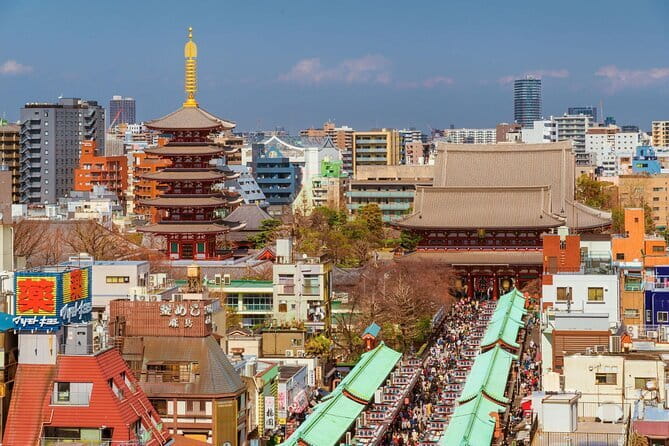
Then you shift into Asakusa, with 30 minutes allocated to exploring the neighborhood. This is the “living Tokyo” phase, and it matters because it connects the big sights to everyday street life.
You are not only looking at buildings. You are walking through the area that feeds the cultural center around Senso-ji. This stop is especially useful if you want to get your bearings before entering the temple complex.
In Asakusa, the details can surprise you. Shop signs, side streets, and small interactions help you understand why people return here again and again. If your mornings in Japan tend to feel rushed, this 30-minute window can give you that calmer pace without losing momentum.
One thing to plan for: Asakusa is a popular district. Even in a small group, you may slow down briefly as you pass through busier sidewalks. That is normal, and it’s part of the value, because you are seeing how the area moves in real time.
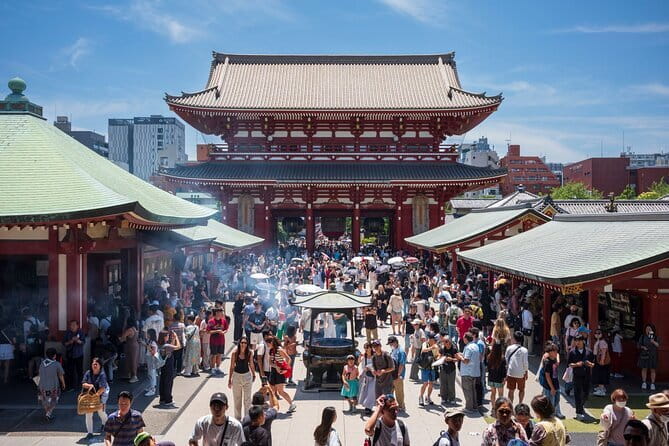
Senso-ji Temple plus Nakamise-dori: the iconic combo, timed well
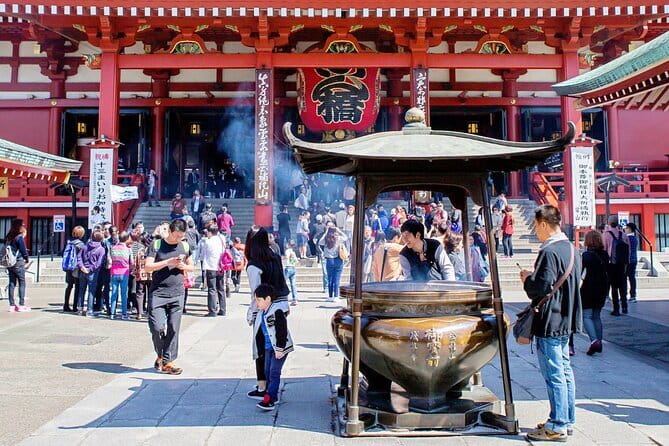
You finish the core sightseeing with Senso-ji Temple, then end at Nakamise Shopping Street (Kaminarimon), also 30 minutes each, with free admission listed. This pairing is one of the best ways to experience Asakusa because the shopping street sits right next to the temple approach.
Senso-ji is the kind of landmark that can feel overwhelming if you arrive unprepared. The tour approach helps because you come with time structured for both the temple and the street outside it. You are not just rushing in and out. You can look, orient yourself, and then shift your focus to walking and shopping.
For Nakamise-dori, I like that you get the souvenir segment at the end. By then, you have already seen the temple. Shopping feels less random because you understand the context of what you’re buying.
What to watch for: souvenir shopping can turn into a time sink if you stop at every stall. Keep a simple rule for yourself. Decide what you want first, then browse. If you do not, 30 minutes can disappear faster than you expect.
The tour also ends at Sensō-ji, so you are placed right where you would naturally want to continue exploring on your own afterward.






How the 3-hour pacing really feels

At about three hours, this is not a slow stroll, it is a focused morning walk. The stops are evenly paced at around 30 minutes each, with transit and crowd movement in between.
If you are used to long, leisurely sightseeing, you might feel the brisk pace. If you are comfortable walking and you enjoy seeing multiple top sights in one morning, this pacing is a strength. It is designed for people who want momentum, not a day-long plan.
The guides seem to shape the experience. In the good moments, the guide style turns into the difference between just seeing places and understanding how they fit together. Some guides, like Seiji, are described as friendly and informative. Another guide, Aki, is credited with guiding people to see the city in a local morning way, with a lot of walking.
That last point is key: this tour is built for movement. If you have limitations, plan accordingly. The tour notes a moderate physical fitness level, which usually means you should be comfortable with steady walking and some time standing.
Price and value: what $59 buys you
At $59 per person, the big value driver here is the combination of guided route planning plus free admission at the main stops. You are paying for the guide and the structure of seeing multiple central landmarks efficiently.
Compare that to a DIY morning. If you have to line up tickets, map walking routes, and figure out where to stand for photos, the time cost adds up fast. The guide removes a lot of friction. Also, having a plan reduces the chance you spend your morning wandering and losing momentum.
It is not a meal-included tour. You will want to grab breakfast on your own before meeting, or plan to snack after. That is normal, but it affects the real total cost of your day.
If you want a quick Tokyo morning that hits major sights without turning into chaos, this price is fairly aligned with the experience format: small group, focused sights, and a guide for a few hours.
Who should book this tour, and who should skip it
This works best for you if:
- you want big Tokyo highlights in one morning
- you prefer a small group over large tour buses
- you like walking and you can handle a moderate pace
- you want free entry stops so your morning stays budget-friendly
You might want to skip or be cautious if:
- you need lots of detailed narration at every stop
- you are sensitive to walking time
- you get stressed in crowded areas and want a very slow rhythm
One more reality check: the experience can depend on the guide’s communication style. Most mornings run smoothly, and guides such as Seiji and Aki are praised for friendliness and local insight. Still, if you are the type who expects deep explanations at every moment, come with questions ready.
Practical tips before you go (so it feels easy)
Here’s how I would prep to make your morning feel calm, not stressful:
- Wear comfortable walking shoes. The tour is short, but it still adds up.
- Be at the meeting point early. Tokyo Station complexity is real.
- Bring a water bottle. Meals and drinks are not included, so plan your timing.
- Have your mobile ticket ready on your phone.
- If you want more context, ask your guide simple questions while you’re walking. This is where a good guide can turn into a great morning.
Also, plan for weather. The experience notes that it requires good weather, and if it is canceled due to poor conditions, you should expect a different date or a full refund.
Should you book the Tokyo Morning Small Group Tour?
If your goal is a smart, compact Tokyo morning that hits Imperial Palace Gardens, Nijubashi Bridge, Asakusa, Senso-ji, and the Nakamise shopping street, this is a strong choice. The free admission stops and the small-group format add real value, especially if you want efficient sightseeing without paying extra entry fees.
I’d book it if you like walking, you can meet at Tokyo Station at 9:00 am without stress, and you want to end near Senso-ji so you can keep exploring afterward. If you hate walking or you need a lot of deep explanation, you might want to look for a slower format.
Overall, this is a practical morning plan for seeing Tokyo’s classic icons with a local guide and enough time to actually enjoy the views.
FAQ
How long is the Tokyo Morning Small Group Tour?
The tour lasts about 3 hours.
What time does the tour start, and where do I meet?
The start time is 9:00 am. The meeting point is Tokyo Sta. Marunouchi-Kitaguchi (Marunouchi North Exit), 1 Chome-9 Marunouchi, Chiyoda City, Tokyo.
What is the maximum group size?
This experience has a maximum of 15 travelers.
Which main places does the tour include?
You will visit the Imperial Palace Outer Gardens, Nijubashi Bridge, Asakusa, Senso-ji Temple, and Nakamise Shopping Street (Kaminarimon).
Are entrance tickets included for the stops?
Admission tickets are listed as free for the Imperial Palace Outer Gardens, Nijubashi Bridge, Senso-ji Temple, and Nakamise Shopping Street (Kaminarimon).
Is meals or drinks included?
No. Meals and drinks are not included.
Do I get a mobile ticket?
Yes. The tour uses a mobile ticket, and confirmation is received at the time of booking.
What happens if the weather is bad or I need to cancel?
The experience requires good weather. If it is canceled due to poor weather, you will be offered a different date or a full refund. For cancellation, you can cancel for free up to 24 hours in advance for a full refund.
More Morning in Tokyo

More Tours in Tokyo

More Tour Reviews in Tokyo
Not for you? Here's more nearby things to do in Tokyo we have reviewed












Tokyo City Tours, side by side.
 ★ 5.01-Day Tokyo Bus TourFrom $12914,250 reviews
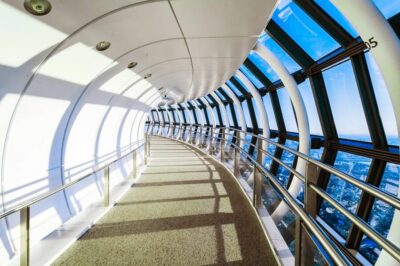 ★ 4.5TOKYO SKYTREE® Admission ticketFrom $1311,192 reviews
 ★ 4.6teamLab Planets TOKYO Digital Art Museum Entry TicketFrom $259,779 reviews
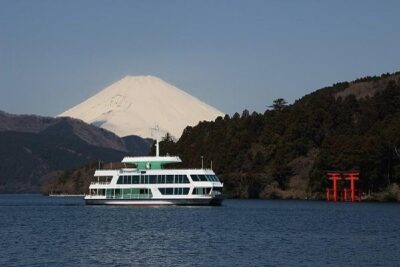 ★ 4.0Mt Fuji & Hakone Cruise, Drum Show Bullet Train 1 Day from TokyoFrom $1497,413 reviews
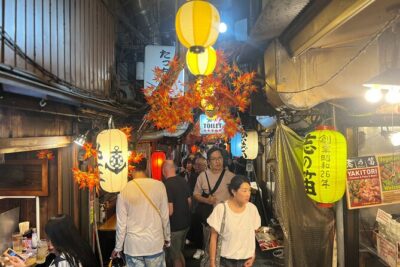 ★ 5.0Shinjuku Food Tour (13 Dishes at 4 Local Eateries)From $866,603 reviews
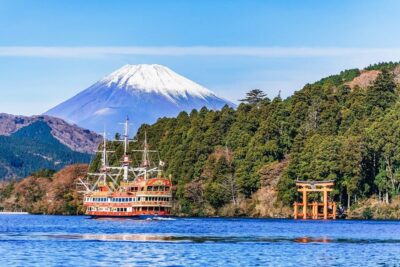 ★ 4.4Tokyo Mt Fuji 5th St & Hakone Cruise Bus Tour w/Bullet TrainFrom $1545,024 reviews
 ★ 5.0Flagship 2-Hours Official Street Go-Kart Tour – Tokyo Bay ShopFrom $644,974 reviews
 ★ 4.5From Tokyo: Mount Fuji Full-Day Sightseeing TripFrom $684,970 reviews