
Review · LAKE KAWAGUCHI TOURS
From Tokyo: Mt.Fuji, Lake Kawaguchi, Oshino Hakkai Day Tour
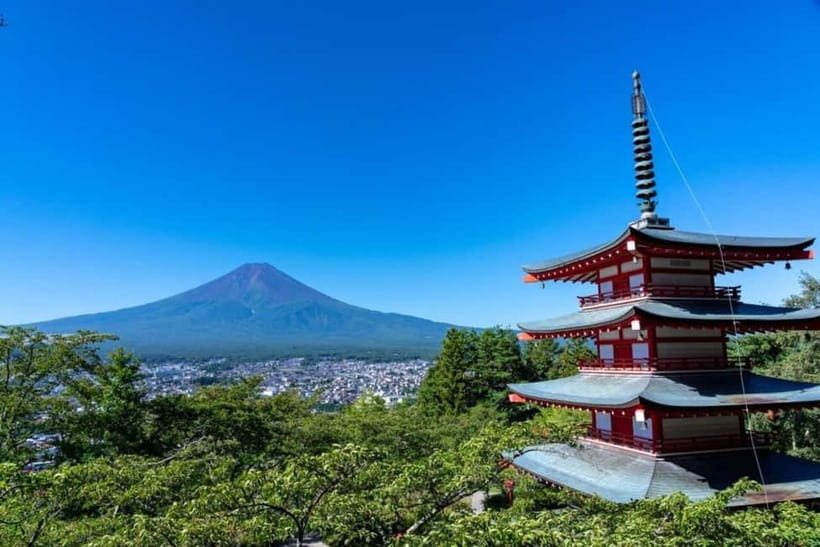
Mount Fuji in one day is a thrill. What makes this tour work is the focused route to Mount Fuji viewpoints and the relaxing add-ons like Oshino Hakkai. The only real drawback is the day runs long on the road, and you should be ready for a solid walking chunk at the end for the shrine lookout.
I like that the plan is built around seasons, not wishful thinking. In summer and spring you go up to the 5th Station, while in winter the tour swaps in Oishi Park. And you get a guided English and Mandarin experience that keeps the stops moving at an easy pace.
One more thing to plan for: this is a weather-and-traffic day. Your guide may adjust timing, and the 5th Station stop can change if conditions are not right. Also, the matcha experience is short on purpose, so treat it like a quick taste of Japanese tea culture, not a full ceremony.
Key highlights worth circling
- Mount Fuji 5th Station photo time (seasonal), timed for the best access possible based on the calendar
- Oishi Park as the winter substitute, so you still get Fuji views even when the 5th Station is off limits
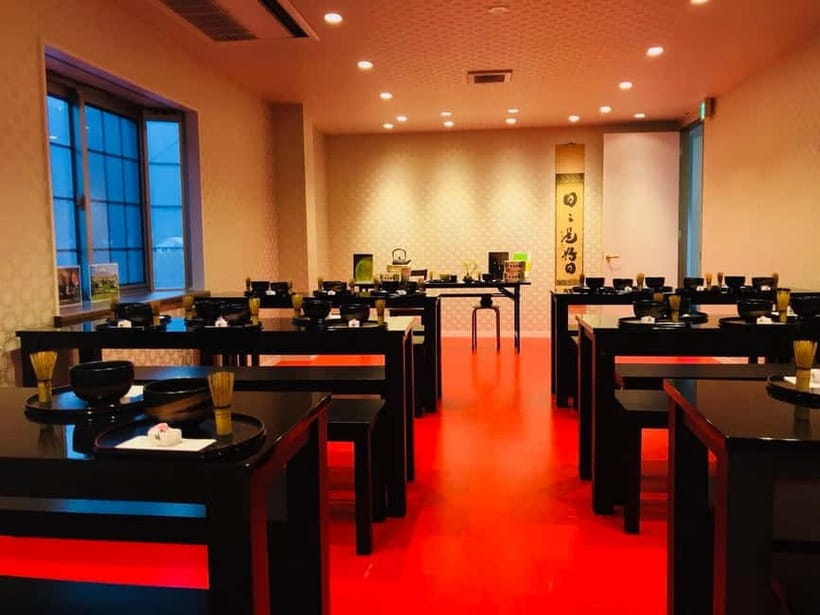
- Lake Kawaguchiko matcha experience (about 30 minutes) with Japanese snacks included
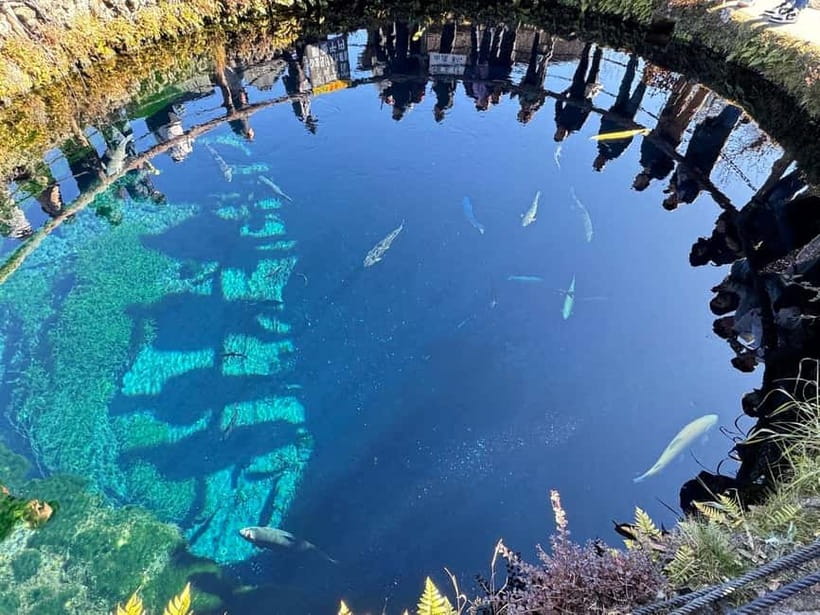
- Oshino Hakkai ponds, eight photogenic ponds fed by melted Mount Fuji water
- A shrine viewpoint stop for Fuji photos, with a guided component plus a walk from the shopping street
- Guides who bring real context, with names like Arpan, Toni, and Diffany showing up in past experiences
Mt. Fuji in One Day, Without the Stress of Planning
This is the kind of day trip that helps you avoid the two biggest Fuji-area headaches from Tokyo: getting to the right towns at the right times, and figuring out which lookout is worth your limited daylight.
Instead of scattering you across the region with vague promises, this route concentrates on the classic Mount Fuji triangle: a high-altitude stop when conditions allow, then Lake Kawaguchiko for calm lakeside atmosphere and tea, then Oshino Hakkai for the water-pond sights, and finally a shrine viewpoint for one last look at the mountain.
The value here is not just the sights. It is the structure. You start early, you ride a bus for long stretches, and you get guided timing so you are not stuck guessing where to go when crowds shift or buses get stuck.
You can also read our reviews of more tours and experiences in Tokyo.



From Tokyo Mode Gakuen to Fuji: The Bus Ride Reality Check
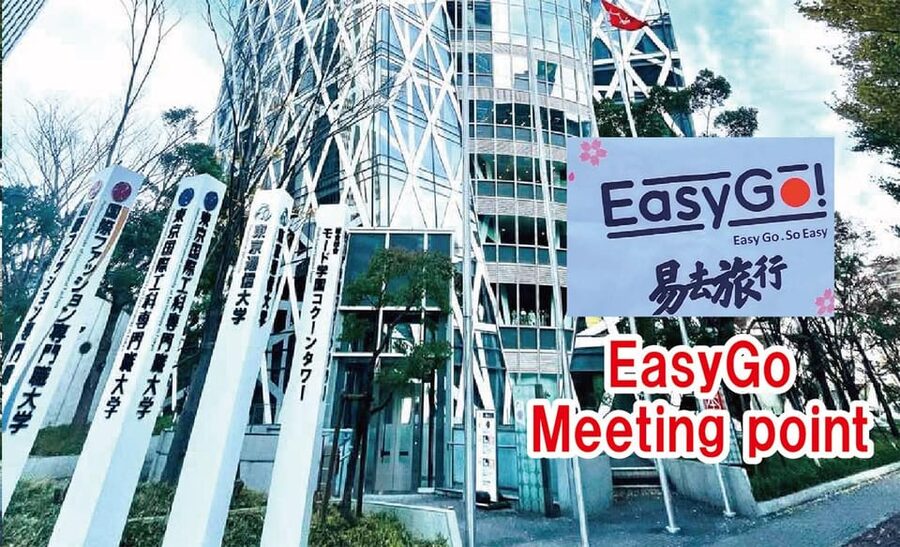
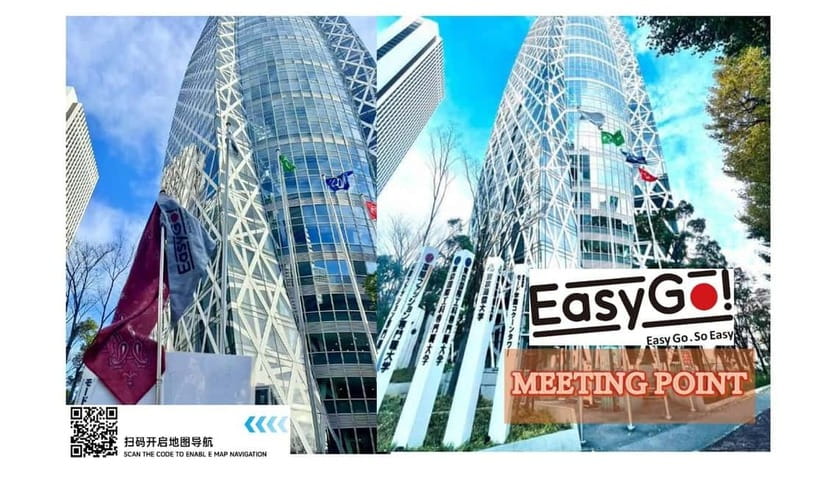
Your meeting point is Tokyo Mode Gakuen, with a 7:50 meet up and 8:10 departure. That early start matters because the Fuji area is busiest around morning and late afternoon, and because traffic can squeeze the schedule quickly.
You are looking at roughly 2.5 hours each way on the coach, plus shorter driving legs between stops. That means you are effectively buying convenience and a curated route, not just paying for scenery.
Practical tip: bring something to keep you comfortable on the ride. It is a long day. Even with a guide keeping things organized, you will feel the time in transit.
5th Station Photo Time: What You Get in Summer and Spring
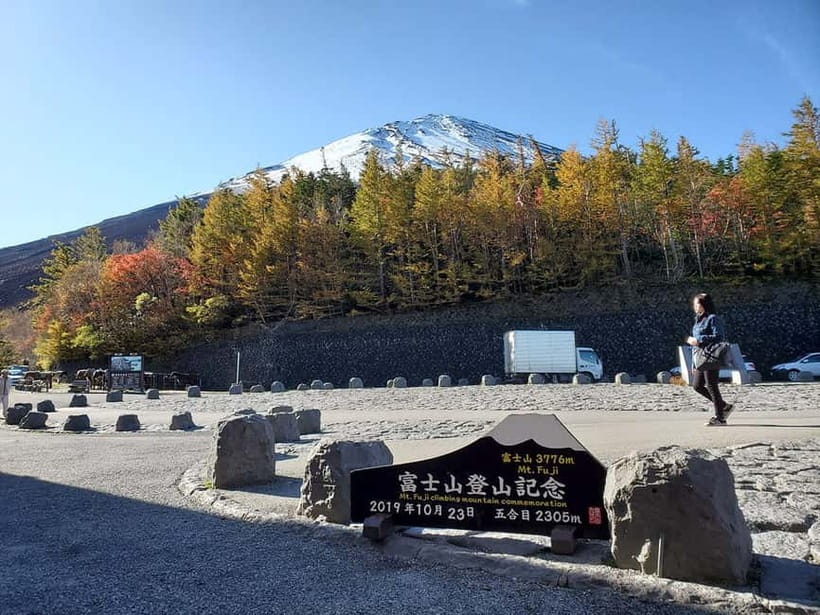
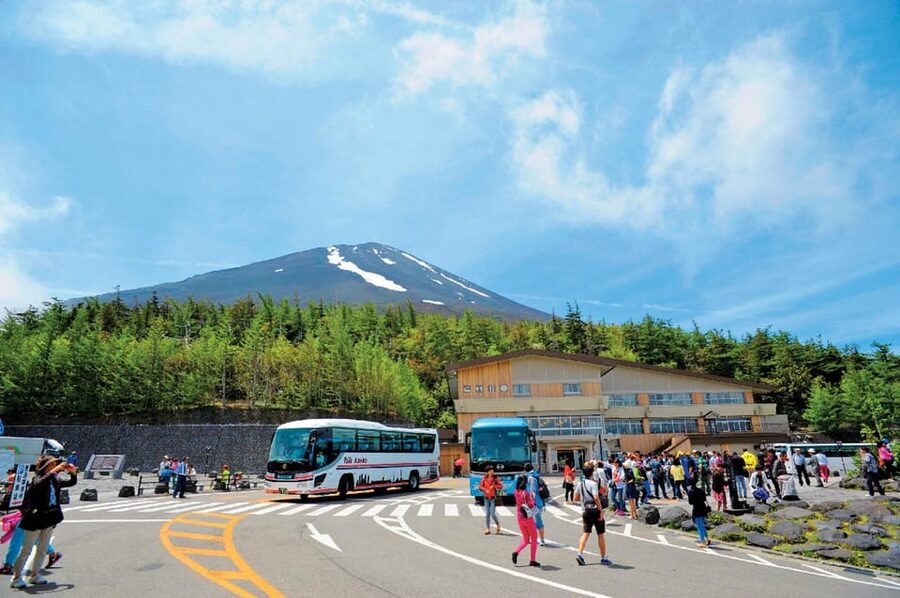
When the season lines up, the tour takes you to the Mount Fuji 5th Station for about 1 hour, including time to visit and take photos.
This stop is popular for a reason: you get closer to the mountain’s “story,” with views that feel more immediate than the lakeside distance. If the weather is clear, this is where you can really lock eyes on the landscape and capture that iconic Fuji shape.
But there is an important consideration. The description makes it clear that the 5th Station visit depends on weather. If conditions are not suitable, the route changes.
So I think the best way to think about the 5th Station is this: it is the big upside when conditions cooperate, and a seasonal bonus when they do not.
Oishi Park in Winter Season: Fuji Views Without the Altitude Gamble
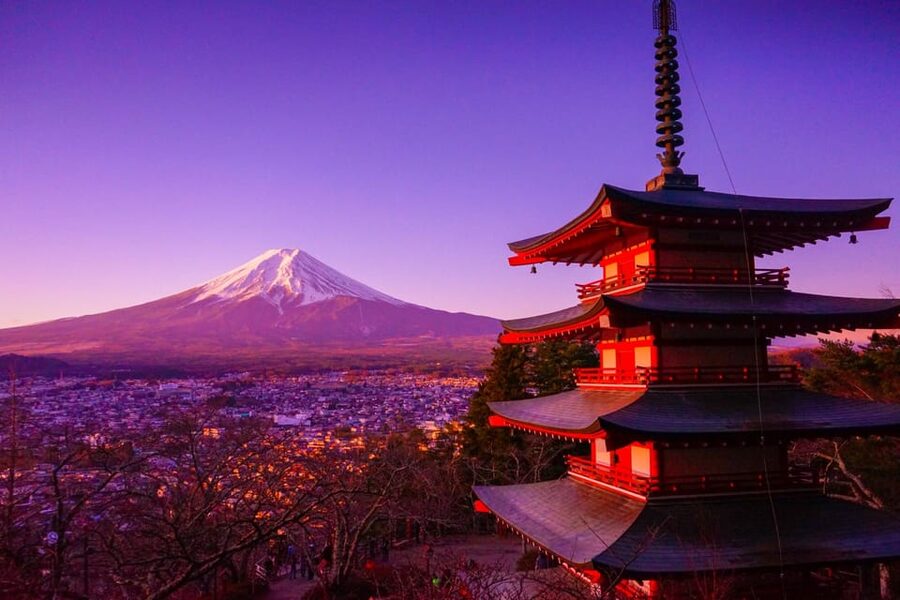
From around mid-November to April, the tour replaces the 5th Station with a visit to Oishi Park. You still get about 1 hour, with photo time and sightseeing.
This swap is actually smart. Winter Fuji weather is unpredictable, and high-altitude access can be more complicated. Oishi Park gives you a chance at Fuji views from a more practical setting, so you are less dependent on the same access rules.
If you are traveling outside peak months, I would treat Oishi Park as your primary “Fuji photo attempt.” It is where the tour has designed a backup plan for you.
Also keep expectations realistic: you may get mist or clouds, which means the mountain might be partially hidden. That is not the tour’s fault. Japan can be moody.
Lake Kawaguchiko and the Matcha Moment: Short, Simple, and Fun

Lake Kawaguchiko is where the day slows down a notch. You get a stop that includes sightseeing plus a matcha experience.



The matcha experience: about 30 minutes
The tea session is described as a simple, guided experience with an instructor who leads everyone through making Japanese matcha. You also get Japanese snacks. The stay is about 30 minutes, so it is not a long cultural performance, it is a hands-on taste.
What I like about this format for a day trip is that it prevents the “sit and watch” problem. You get to participate, and then you move on while the group is still fresh.
Why matcha here makes sense
Matcha feels like a natural pairing with Lake Kawaguchiko because it turns a scenic stop into something sensory. Instead of just taking photos, you leave with an experience you can remember when you are back in Tokyo.
Oshino Hakkai: Eight Ponds, One Easy Detour Worth It
After Lake Kawaguchiko, you head to Oshino Hakkai, a set of eight ponds fed by melted water from Mount Fuji.
You get about 1 hour, including photo time and sightseeing. This stop is popular because it is visually easy to understand. You do not need a lot of explanation to appreciate what you are looking at: ponds, water flow, and Fuji in the background when the sky cooperates.
The tour keeps this stop manageable. You are not stuck in a time-consuming maze of decisions. You arrive, you see the ponds, you take your photos, and you move on.
Small practical note: in this type of area, foot traffic can be uneven. Bring shoes that can handle uneven ground if you plan to linger.
Hikawa Clock Shop Stop: A Quick Cultural Break, Not the Main Event
Next up is a photo stop at Fujikawaguchiko Hikawa Clock Shop (with a short sightseeing and walk time listed as about 10 minutes).
I do not treat this as a must-see. It is more of a palate cleanser between heavier scenic stops: something visual, a quick photo moment, and a brief walk while the bus routing catches up.
If you are not into souvenir shopping, you can still enjoy the stop for what it is, a short break before the final viewpoint walk.
Arakura Fuji Sengen Shrine Viewpoint: The Walk You Should Plan For
This is the finale, and it is where your legs should be ready.
You do a guided tour and sightseeing at Arakura Fuji Sengen Shrine, with listed time for the stop plus a walk section. The description also notes that visitors need to walk about 25 minutes from the shopping street to Arakura Fuji Sengen Shrine.
That walk is the most important physical consideration on the entire day. If you are planning any extra stops or if you get sore easily, pace yourself here.
Why it is worth it: shrine viewpoints are a huge part of Fuji culture, and this stop is specifically framed as one of the best ways to view Mount Fuji in the area. The shrine setting adds texture to the photos. You are not just photographing a mountain, you are photographing a place that Japan has built meaning around.
Also, the tour highlights a Shinkura Fuji Asama Shrine viewpoint as well. The day includes the shrine lookout segment that targets Fuji views, so expect that the route aims to end with strong photo potential.
Price and Value: Is $51 Really a Good Deal?
At $51 per person for a 1-day bus tour from Tokyo, the price is low for what you get, especially when you compare it to the cost and friction of independent transport.
Here is how I think about value in a practical way:
- Included: an English and Mandarin-speaking guide plus bus transportation
- Not included: hotel pickup and drop-off, lunch, attraction entrance fees, and personal expenses
So the real cost picture depends on what you personally spend for lunch and whether any sites charge entry during your visit. Since entrance fees are not included, you should budget a bit extra in case you need to pay to enter specific areas.
Still, for most people, the big value is time and direction. You buy a route that strings together Fuji stops efficiently, with guided context at the key moments and planned photo windows.
And when the tour includes the matcha experience, that is another meaningful value add. Even though it is short (about 30 minutes), it is a structured activity, not just a free snack stop.
Weather, Traffic, and the Flexible Schedule You Should Expect
This tour is straightforward, but it is not rigid. The day may adjust based on traffic and weather, and some attractions might be skipped.
That flexibility is a good thing if you travel with realistic expectations. It usually means you get the best available version of the day rather than showing up for a stop that is unusable.
My practical advice:
- If you want the 5th Station, go in the summer or spring season when it is scheduled.
- If you are traveling in the winter season, the tour is intentionally designed to shift toward Oishi Park.
- Plan for the possibility that conditions can change and that timing may compress.
This is also why having a guide matters. They help you adjust your mindset on the fly so you do not waste energy worrying about the minute-by-minute schedule.
Best Fit: Who This Day Trip Serves Well
This works best for you if you want a clean, classic Fuji day without doing transportation math all morning.
It is a good fit for:
- Couples and friends who want multiple Fuji-area icons in one day
- First-time visitors who benefit from guided context
- People who enjoy photo stops plus one hands-on activity like matcha making
It may be a poor fit for you if:
- You need minimal walking. The end viewpoint segment includes a walk of about 25 minutes
- You are traveling with mobility limitations. The information includes a note that it is not suitable for wheelchair users even though it also states wheelchair accessible
- You are traveling with small children. It is not suitable for babies under 1 year
- You are over 75. The information notes it is not suitable for people over 75
So treat this as a full day with a bit of effort at the end. Not a gentle stroll.
Guides and the Human Touch: Why the Explanations Matter
The tour includes an English and Mandarin-speaking guide, and that language support matters more than people think on a Fuji day trip. You are moving through multiple towns and scenic areas quickly. Clear explanations help you understand what you are seeing while you are still there, not later when your photos are already selected.
Past experiences include guide names like Arpan, Toni, and Diffany, and the common thread is that guests often describe guides as caring, friendly, and full of useful context and sometimes extra travel tips.
You can also expect the day to have a guided component where it counts, like at the shrine viewpoint and during the matcha experience.
Should You Book This Mount Fuji Day Trip?
I would book this if you want a classic Mount Fuji highlight circuit from Tokyo and you do not want to manage train times, bus transfers, and seasonal detours yourself.
Book it if:
- You can handle a long day on the coach
- You are okay with a final walk for the shrine viewpoint
- You travel in a season where you either get the 5th Station or you accept Oishi Park as the backup plan
I would hesitate if:
- You are very sensitive to walking time
- You want a slow, unhurried experience with lots of time at one site
- You are traveling in a period when you need the 5th Station guaranteed, because weather can change the plan
If you fit the best-match profile, this is one of those tours that gives you more than you expected for the cost. You get Fuji views, lakeside culture with matcha, a memorable water-pond stop at Oshino Hakkai, and a shrine lookout that closes the day with strong photo potential.
More Tours in Tokyo

More Tour Reviews in Tokyo
Not for you? Here's more nearby things to do in Tokyo we have reviewed












Lake Kawaguchi Tours, side by side.
 ★ 4.4Mt.Fuji,Kawaguchiko Oishi Park,Arakurayama Sengen ParkFrom $542,682 reviews
 ★ 4.5Mt.Fuji & Lake Kawaguchiko 1-Day Bus Tour w/Optional LunchFrom $77839 reviews
 ★ 4.5Mt. Fuji 5th Station, Kawaguchiko Tour w/ Cable CarFrom $74570 reviews
 ★ 4.5Discover Mt. Fuji 5th Station & Kawaguchiko Sightseeing Day TourFrom $99542 reviews
 ★ 5.0Private Car Tour to Mt. Fuji Lake Kawaguchiko or HakoneFrom $1,286360 reviews
 ★ 4.6Mt. Fuji & Lake Kawaguchiko Ropeway Panorama Full-Day TourFrom $54236 reviews
 ★ 5.0Early Morning Kayaking With Views of Mt Fuji at Lake KawaguchikoFrom $6669 reviews
 ★ 5.0Johnny’s Exclusive: Mt. Fuji Adventure from KawaguchikoFrom $56162 reviews
This tour also belongs to