
Review · FOOD & DRINK
Authentic Japanese tea tasting session: sencha, matcha, gyokuro
Green tea can taste like a science lesson.
This Japanese tea tasting in Tokyo is set up like a guided food-and-flavor class, with sencha, matcha, and gyokuro at the center, plus plenty of other green teas. I like that it is not a tea ceremony, so you stay focused on what you taste and why each tea matters.
I also like the small-group vibe, since the session caps at 4 travelers and Yosuke leads everything with careful, organized preparation. You get explanations as you go, and the whole thing ends right back at the meeting point.
One heads-up: if you are hoping for a full formal tea ceremony experience, this is more about tasting, production, and history than choreography. And if you are caffeine sensitive, you will want to tell the host in advance, since green tea includes caffeine.
Key Highlights You Should Know Before You Go
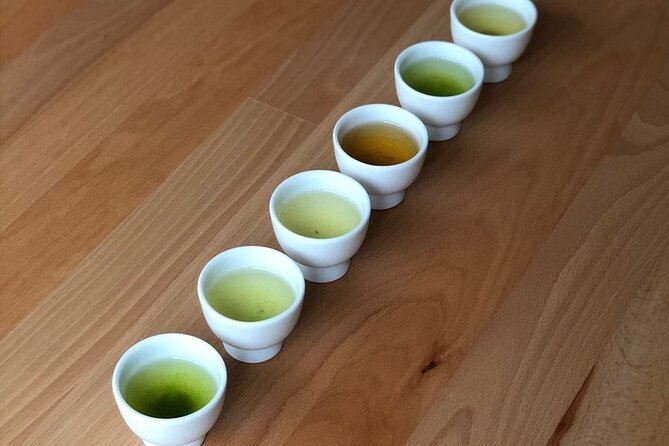
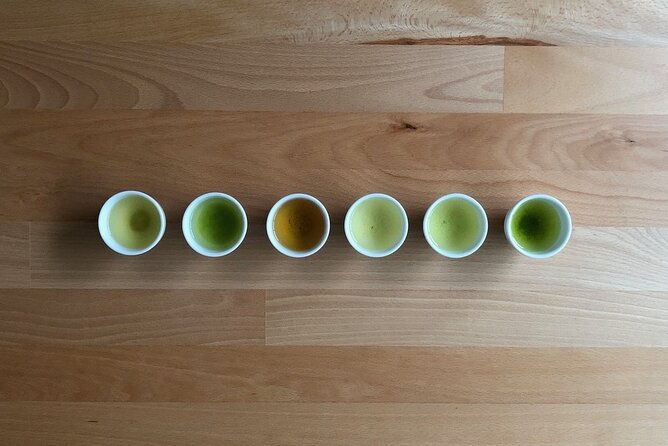
- Up to 12 Japanese teas in one sitting, including sencha, matcha, and gyokuro
- Yosuke’s guided tasting flow focuses on how tea is made, how to brew, and what to notice
- Daily teas plus premium lots, so you can taste the quality gap with your own palate
- Practical brewing guidance, including the temperatures to use for each tea type
- A handout to take notes (one guest specifically mentioned a 9-page guide)
- Max 4 people means more Q and A time, not just a lecture
Finding ShiZen Tea Experience in Morishita, Tokyo
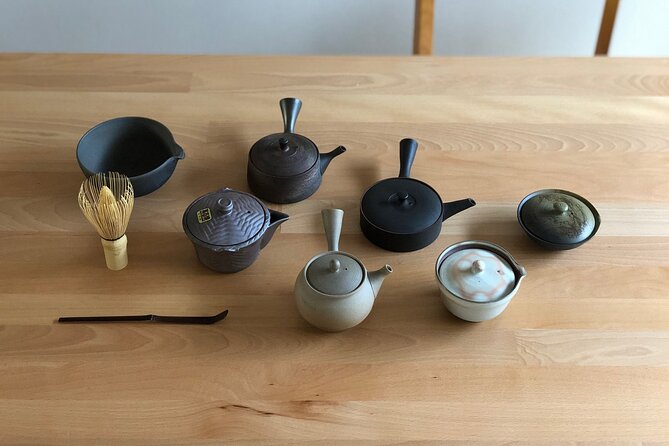
The session meets at ShiZen Tea Experience in Morishita, Koto City. The address is listed clearly, at 135-0004 Tokyo, Koto City, Morishita, 2-chōme 283, 森下TMマンション 202, and it is near public transportation.
Because this is a small, scheduled class, I treat the meeting point like part of the experience. Showing up a few minutes early helps you get settled before the first pour, especially if you are pairing it with lunch plans or an afternoon neighborhood walk.
You should plan for a 1:30 pm start and about 1.5 hours total. The pacing matters here. You are tasting multiple teas, so the timing is set up to keep your palate refreshed rather than tired.
You can also read our reviews of more food & drink experiences in Tokyo


How the 12-Tea Flight Works, With Yosuke Running the Show
This is a tasting session, not a traditional tea ceremony. That difference is huge for how you will enjoy it. You are not watching a performance, you are learning how to taste, compare, and ask questions while the tea is prepared.
Yosuke guides the experience in an organized way. Multiple guests highlighted how methodical his approach feels, and you can see it in the way the class stays structured from tea to tea. Instead of just giving you a cup and moving on, you get explanation as each type goes into the flight.
You also receive supporting material to track what you are trying. One reviewer specifically mentioned a 9-page handout that they followed during the tasting. Even if you do not use every page, it is a nice safety net, because tea descriptions can get slippery once you are halfway through your flight.
The cap of 4 travelers is not just a comfort detail. It changes the whole feel. When you have fewer people, you can actually ask about what you taste, like why one tea feels more bold or how production choices show up in the cup.
Sencha, Matcha, and Gyokuro: What to Taste and What to Compare
The class is built around green tea comparisons. Sencha, matcha, and gyokuro are specifically called out, and they function like anchors in the tasting flight.
Here is how I would approach it while you are in the room. Take small sips, not big mouthfuls, and pay attention to your immediate impressions, then what stays after swallowing. Instead of hunting for the perfect vocabulary, focus on three simple signals: aroma first, taste next, and aftertaste last.
The experience is designed so the differences become obvious through side-by-side variety. That is the real teaching trick. When you move from one tea type to another in a short window, you stop guessing and start recognizing patterns.
You will also hear how each tea is made. The session description says you learn production and historical background for each tea you taste. That pairing is what turns this from random tasting into something you can remember and use later.
One practical detail that stood out in guest feedback: there is guidance on the temperature to use for each kind of tea. Even if you are not buying anything at the end, that sort of instruction helps you avoid the common home-brewing mistake, which is treating all green tea the same.
Daily Tea vs Premium Tea, and Why You Will Notice the Difference
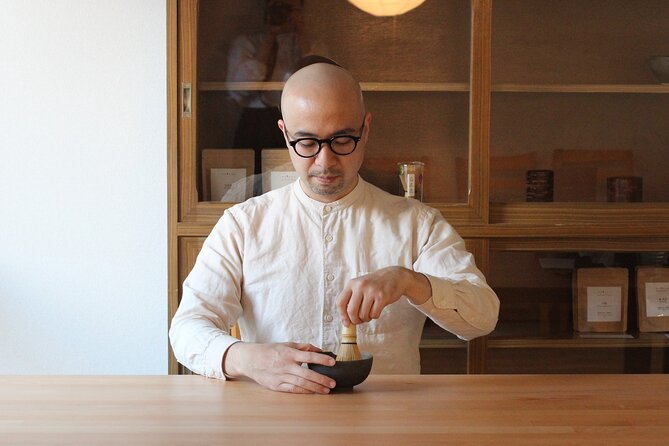
The session purposely includes both daily tea and higher-end premium tea. This is smart for two reasons.
First, you get a reality check. Premium tea is not just more expensive, it is supposed to taste meaningfully different. If you only tasted higher-end offerings, you would lose the contrast that makes quality measurable on your tongue.
Second, you learn what premium is trying to deliver. The class highlights that you will taste teas that are truly unique, even for locals, not just fancy bottles for tourists. That framing helps you understand what you are paying for, beyond branding.
During the tasting, you will likely feel the gap between everyday and top-grade as you move through the flight. I would not force specific flavor predictions, since every tea can shift with grade and preparation. But you can still judge value in a grounded way: does the higher grade bring clarity, softness, or a longer finish, compared to the simpler cups?
This is also where the history and production lessons stop feeling like trivia. If a tea is made differently, it should behave differently in the cup. Knowing the production logic gives your palate a map.
Learning Production, Plantation Locations, and Tea History
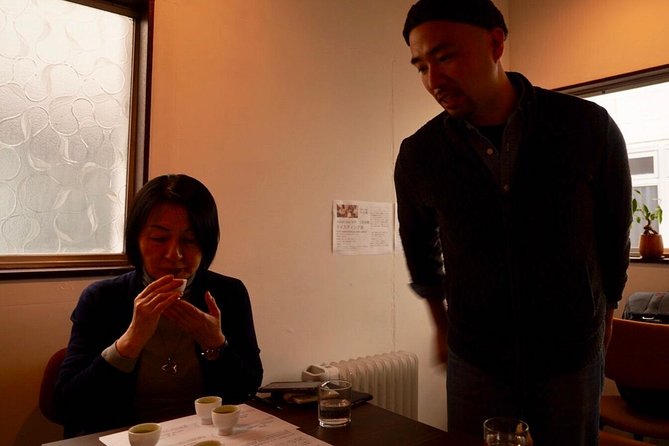
One of the best parts of this class is that it links tasting to how tea is produced. The session promises explanation on how the teas are made and their historical background.
You will also get talk about regional differences and, in particular, plantation locations. That matters more than it sounds. Where tea comes from can influence character, and having that context makes your notes more useful than just writing down I liked it.
The format is also built for understanding. You are not given a single long lecture and told to remember it later. Instead, you sample, then you get the explanation tied to that tea type. That sequencing makes the information stick.
And yes, there is history, but it is not treated like a museum display. It is woven into why certain tea styles exist and how they became part of Japanese tea culture. For people who like food history as much as food flavors, this hits a sweet spot.
This is also a helpful stop if you are visiting Tokyo and want something more authentic than a typical souvenir shop tasting. You are learning the actual logic behind the teas, which makes it easier to shop later, even if you do not plan to buy a lot.





What Makes This a Tasting Class Instead of a Ceremony
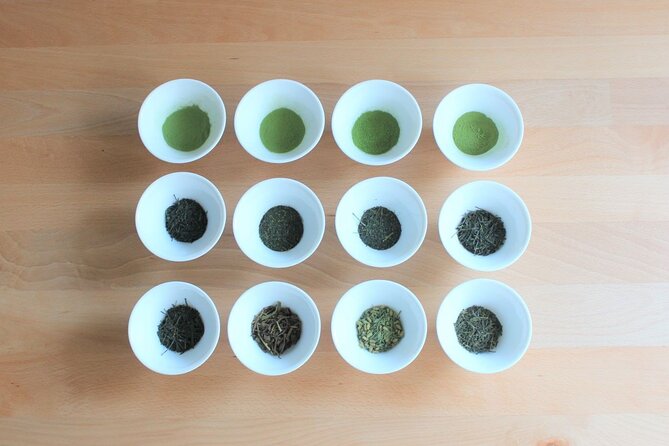
The experience explicitly states it is not a tea ceremony. That means you can expect a more straightforward, practical learning style.
From the way the class is described, you should feel like you are in a guided tasting rather than a performance studio. The session stays focused on taste, how the tea is produced, and its history. It is basically a structured “try, compare, understand” flow.
If you want to talk, the small group helps. Guests praised the host for communicating well and for being generous with knowledge. You can use that time to ask the questions you usually do not ask when you are just ordering tea.
This is also a good fit if you are a tea enthusiast. You get variety across both daily and premium levels, plus you get temperature guidance and comparison structure. It is the kind of tasting that gives your future self better instincts when picking tea.
Practical Details: Time, Mobile Tickets, and Staying Comfortable
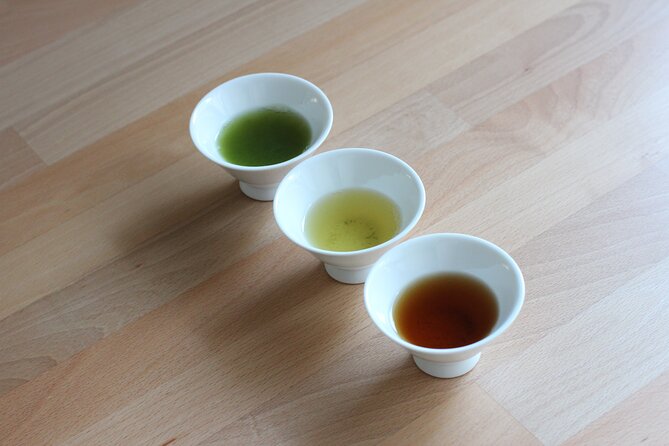
You are in a good spot if you like clear logistics. The session uses a mobile ticket, confirmation is received at booking, and the meeting point is near public transportation.
The schedule is short on purpose: about 1 hour 30 minutes. That is enough time to taste multiple teas and learn the basics of production without turning into a marathon. You also end back at the meeting point, which is convenient if you have a follow-on plan.
One small practical consideration: if you are caffeine sensitive, you should inform the session before you start. The tour asks guests to do this, and it is the kind of detail that can make your afternoon more comfortable.
Is the $90.80 Price Fair for Japanese Tea Tasting in Tokyo?
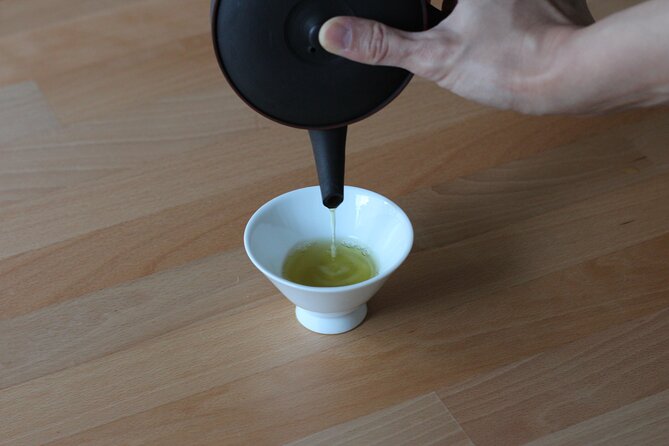
Let’s talk value, because $90.80 in Tokyo can either feel high or totally reasonable depending on what you get.
Here, you are paying for three things at once:
- A guided tasting with multiple tea types (sencha, matcha, gyokuro, plus more)
- Explanation of production and historical background tied directly to what you taste
- A small group size that keeps it interactive, capped at 4 travelers
You are also getting practical brewing guidance, including temperature for each tea type. That is not just “nice to know.” It directly helps you make better tea later, at home or in Japan, without guessing.
Could you drink fancy tea somewhere else for less? Maybe. But you would be missing the comparative structure and the production context that help you understand why tea quality changes in the cup.
For me, this price feels aimed at people who want more than sipping. If you are excited by flavor learning, food history, and hands-on comparison, the cost starts to make sense quickly.
If you are purely looking for a casual snack break, you might decide this is too structured for your mood. But if you want a real tea education in a short afternoon, it is a strong buy.
Who Should Book This Sencha, Matcha, Gyokuro Tasting?
This experience is a good match for:
- Tea lovers who want to compare types side by side, especially sencha vs matcha vs gyokuro
- People who enjoy Japanese food culture and want context, not just a drink
- Visitors who like expert-led classes, similar to wine tastings in concept but focused on green tea
- Anyone who wants a small-group experience with time to ask questions
If you are new to Japanese tea, you will still likely enjoy it, because the class is designed to answer common questions like what sencha and matcha are, and what makes a fine grade Japanese tea.
If you are very sensitive to caffeine, do not assume you can push through. Tell the host beforehand so they can advise you on how to manage the experience.
My Decision: Book It or Skip It?
Book it if you want a structured, high-signal Japanese tea tasting in Tokyo. The best reason is the pairing of tasting with production and history, plus the side-by-side comparisons that help you actually learn.
Skip it if you are expecting a formal tea ceremony with strict ritual. This is the tasting-and-understanding route, not the ceremony route. Also skip it if you are looking for a quick, low-cost caffeine hit with zero learning component.
If you are on the fence, here is the simple test: do you like the idea of a flight of teas with guidance, notes, and temperature tips? If yes, this is a very smart use of an afternoon.
FAQ
Where is the meeting point for the tea tasting?
The meeting point is ShiZen Tea Experience, 135-0004 Tokyo, Koto City, Morishita, 2-chōme 283 森下TMマンション 202.
How long is the experience?
It runs for about 1 hour 30 minutes.
What is the price per person?
The price is $90.80 per person.
Is this experience a tea ceremony?
No. The experience is not a tea ceremony. It focuses on tasting, how the tea is produced, and its history.
What teas will I taste?
The session includes Japanese teas such as sencha, matcha, and gyokuro, along with other varieties as part of the tasting.
How many people are in the group?
The maximum group size is 4 travelers.
Is there mobile ticketing?
Yes, the experience uses a mobile ticket.
What if I am caffeine sensitive?
If you are caffeine sensitive, you should inform the session before it starts.
How far in advance should I book?
On average, it is booked 16 days in advance.
Is there free cancellation?
Yes. You can cancel for a full refund up to 24 hours in advance of the experience’s start time.
More Food & Drink Experiences in Tokyo


More Tour Reviews in Tokyo
Not for you? Here's more nearby things to do in Tokyo we have reviewed












Food & Drink, side by side.
 ★ 5.0Shinjuku Food Tour (13 Dishes at 4 Local Eateries)From $866,603 reviews
 ★ 5.0Tokyo Tsukiji Fish Market Food and Culture Walking TourFrom $993,184 reviews
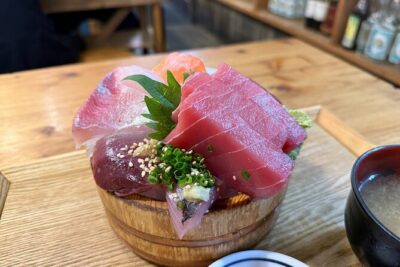 ★ 4.9Shinjuku Food Tour (15 Dishes and 4 Eateries)From $852,033 reviews
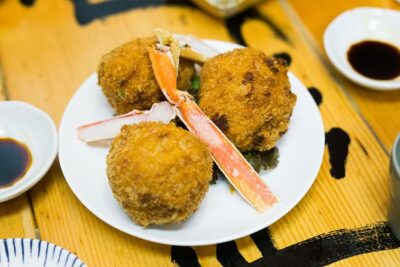 ★ 5.0Best of Shinjuku: Izakaya Food Tour (4 Stops, 14+ Tastings)From $921,863 reviews
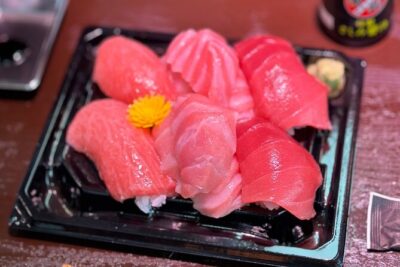 ★ 5.0Tsukiji Fish Market Food and Walking tourFrom $301,724 reviews
 ★ 5.0Eat and Drink Like a Local: Tokyo Ueno Food Tour-Taverns&RamenFrom $95957 reviews
 ★ 5.0Shibuya Food Tour (13 dishes and 4 Eateries)From $77770 reviews
★ 4.7Tsukiji Fish Market Food and Culture Walking TourFrom $96757 reviews
This tour also belongs to