
Review · TSUKIJI MARKET TOURS
Tokyo Tsukiji Fish Market Food and Culture Walking Tour
Crowds make sense with the right guide. This 3-hour Tsukiji food walk turns seafood chaos into clear stops, with tastings like dashi soup, green tea, uni, and Wagyu skewers, plus market stories from guides such as Kiyo or Naz.
I especially like the mix of food and context, because you learn what you are seeing and why it matters. I also like that you get multiple chances to taste, not just one item and a photo.
The main drawback is diet and timing: the tour is fish-based only and they leave on time, so late arrivals can miss parts.
Quick Takeaways
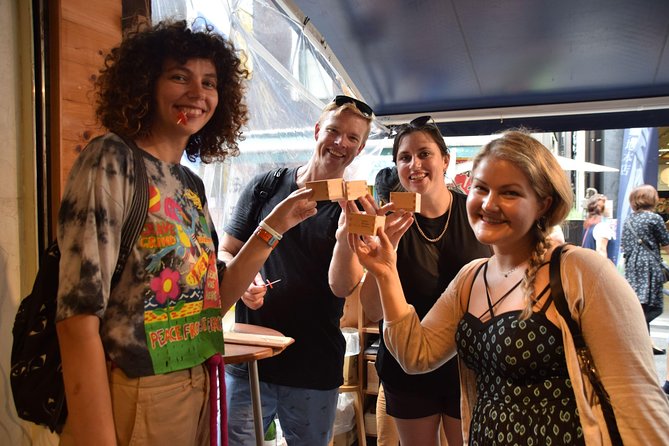
- Small-group pace inside crowded stalls, up to 20 people, so you are not just herded.
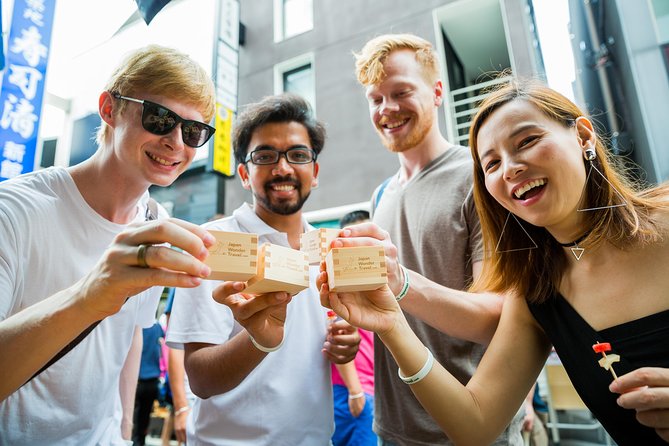
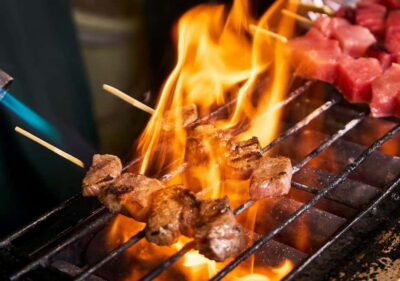
- Real food tastings along the way, including Wagyu beef skewers and either sushi or a seafood bowl.
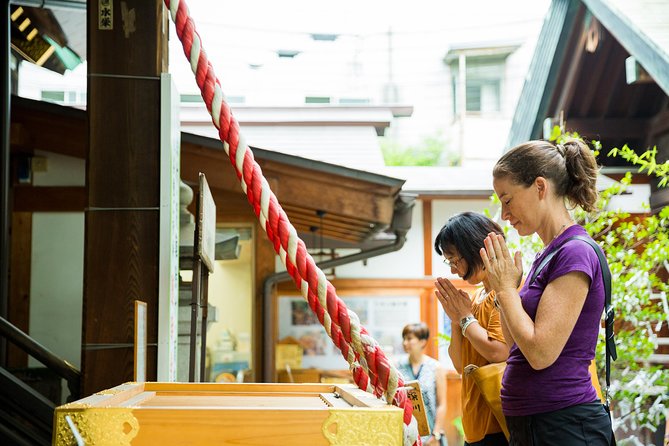
- Market-meets-culture setup at Tsukiji Hongan-ji Temple before you even hit the aisles.
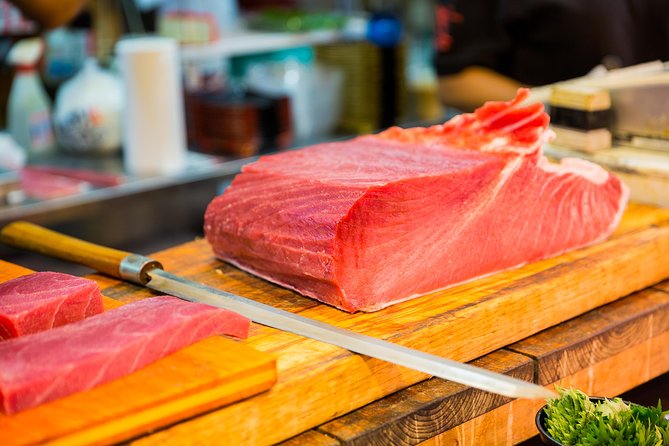
- You may see the real fish workflow, from uni stacks to Bluefin tuna being cut, and even pufferfish in tanks.
- Day-of-week changes, since Tsukiji Uogashi is closed on Wednesdays, Sundays, and other closed market days.
Entering Tsukiji Hongan-ji Temple, then moving fast
Meet at the main gate of Tsukiji Hongan-ji Temple (front side). The tour is scheduled to leave at the start time sharp, so you want to arrive early and double-check your route on Google Maps, because it may steer you to the back side. Bring comfortable walking shoes. This is a walking tour in Tokyo conditions, with crowds and narrow lanes.
Why this matters: Tsukiji can overwhelm you fast. You will see vendors, boxes, tanks, and constant motion, and it is hard to know what is going on without someone pointing it out. Starting at the temple gives you a clean mental starting point before you step into the seafood maze.
Also, drinks follow a simple rule: minimum drinking age is 20. If you are under 20, you get another drink instead. So if you are a mixed-age group, you still all get included.
You can also read our reviews of more walking tours in Tokyo


Tsukiji Jogai Market: your senses course in 90 minutes
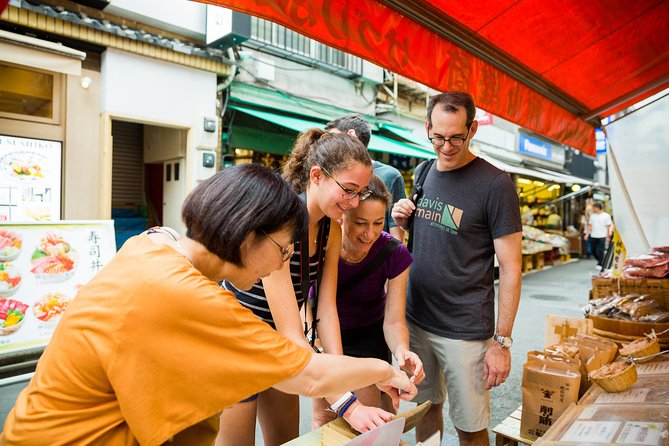
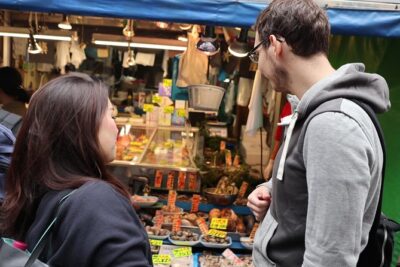
Your first main stop is Tsukiji Jogai Market, where you get oriented quickly. You learn the market’s long-running role in Tokyo seafood, and you walk past outer stalls that show how locals snack and shop while the day’s fish trade kicks into gear.
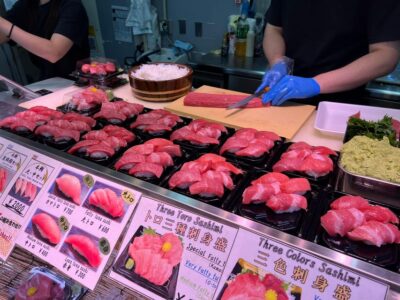
Expect plenty of “look at that” moments. You might see piles of sea urchin (uni) stacked in neat boxes. You might also watch vendors handle massive fish, including Bluefin tuna carving, or spot pufferfish floating in tanks. Even if you have been to Japan before, this is a very specific slice of food culture.
What I like here for your trip: guides help you read the scene. Instead of just seeing raw seafood and carts, you learn how people decide what to buy and what quality looks like. That makes the tastings feel earned, not random.
One practical note: you will move through a lot in a short time. If you are easily tired by standing and walking, bring that energy level down a notch and pace yourself when you can.
The Old Tsukiji area: snack-style sampling and quick context
Next you head through the Old Tsukiji Market area for about 30 minutes, where the emphasis turns more toward food stops and short explanations. This is where you start connecting the history you heard earlier with what you are actually eating now.
Depending on the day, you may sample classic market snacks such as dashi soup and green tea. You also may have tastings like fish cakes and Japanese omelette. The key is that these are small bites that help you learn flavor patterns, not a single heavy meal that makes everything else blurry.
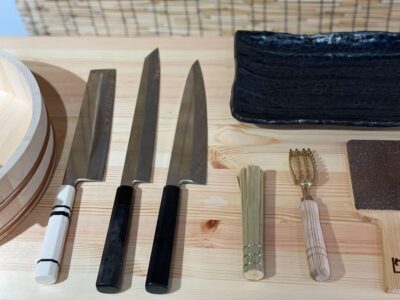
There is also a stop for kitchen tools if you need them. That matters if you are the type who wants to come home with practical gear for cooking Japanese food, not just souvenirs. Even if you do not buy anything, it is useful to see what locals actually use.
The tradeoff: you are not in a slow sightseeing mood here. This section rewards curiosity and a willingness to try things without overthinking. If you want a leisurely walk with minimal food stops, this might feel a bit intense.
Tsukiji Uogashi wholesaler views, plus the closure reality
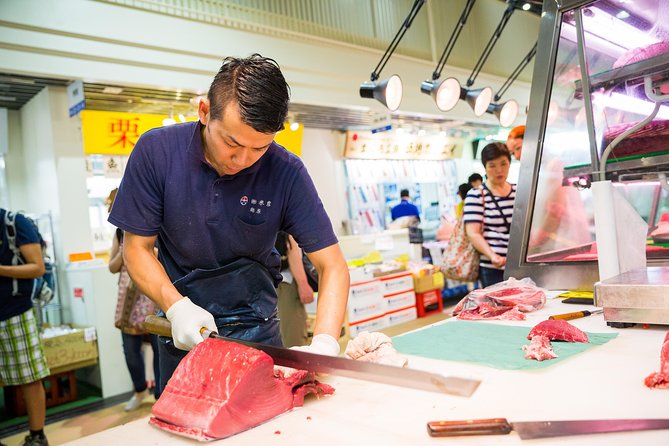
You then go to Tsukiji Uogashi, described as a mini wholesale market where you can see hundreds of kinds of fish. This is one of the parts that turns Tsukiji from tourist zone into something more real: it is about the supply chain, the selection, and the sheer variety.
Important heads-up: Tsukiji Uogashi is closed on Wednesdays, Sundays, and other closed market days. On those closed days, some tastings also change. Specifically, Japanese omelette, fish cake, and fruits cannot be served because the shop is closed. Depending on the schedule, you may still get other samples, but you should not expect the exact same lineup every day.
Even with closures, the value is still there. You get to understand what wholesalers do, and the surrounding stalls still help you see how ingredient quality is discussed. If you can choose your day, aim for a day when the market is operating normally.
Lunch wrap-up: sushi or a seafood bowl, with Wagyu along the way
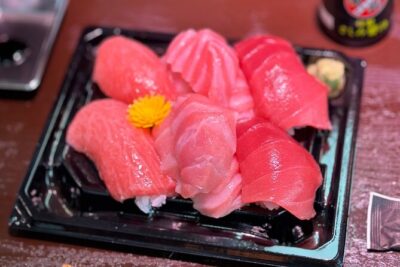
The tour wraps with a final, more satisfying food stop: a fish bowl or sushi. You might also see the tour serve either sushi or a seafood bowl depending on the day and time, so treat that as part of the adventure rather than a guarantee.
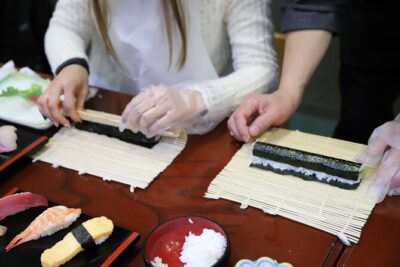
In the overall food mix, the tour is built around high-quality seafood and Japanese snack culture. Expect sampling such as fresh sushi or a seafood bowl, Wagyu beef skewers, seasonal fruit, and other items that can include fish cakes and uni when available.
Why this is good value for many people: $99.49 for about 3 hours can feel pricey until you factor in what you are getting. You are paying for access and translation inside a place where wandering on your own often means you miss the best spots, do not know what to order, and spend time figuring out what is actually worth your money.
Also, if a restaurant suddenly closes and cannot provide the meal, an alternative is provided. So you are less likely to end up with nothing at the end.
The main consideration is dietary limits. The tour unfortunately does not accommodate vegetarian, halal, gluten-free requests, or allergy-related requests. And if you cannot eat fish, you cannot join. If you fit those requirements, great. If you do not, this is not the right match.
You can also read our reviews of more food & drink experiences in Tokyo



What you are really paying for: guide power and shortcut value
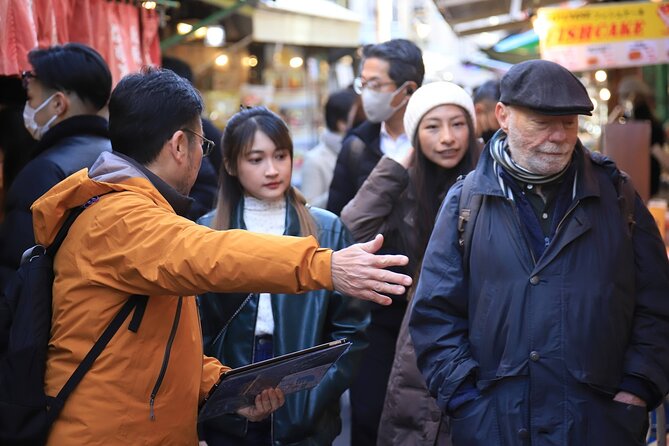
Price: $99.49 per person for roughly 3 hours with a mobile ticket. You also get lunch and snack included, plus multiple tastings across different market areas.
Here is the practical value equation I see:
- You save time. Tsukiji is crowded and confusing, and the tour routes you through key sections in a logical order.
- You get better choices. Someone points out what to try and when, and you learn how ingredients are handled and judged.
- You reduce the awkward moments. Ordering in a market can be intimidating if you are not sure what words mean. A guide smooths that out.
The tour also caps the group at 20 travelers, and that shows in the experience. Smaller groups typically mean less standing around, more direct attention, and easier movement through narrow aisles.
One caution from real-world expectations: food tours can vary in how much you eat versus how much you observe. This one is designed to feed you through multiple samples, but it still works like a guided walk, not a restaurant binge. If you want a guaranteed amount of food like a full sit-down lunch with zero snacking, you might feel you want more by the end.
Who should book this Tsukiji fish market tour
Book it if you want:
- A seafood-focused introduction that helps you understand what you are seeing
- A guided route so you do not waste time wandering in the wrong places
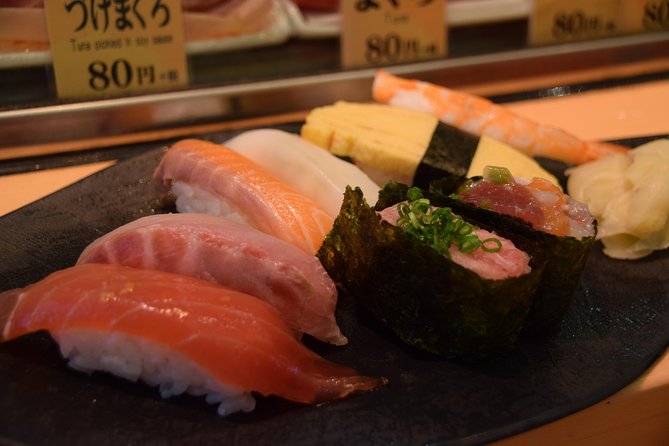
- Multiple tastings that start with snacks like dashi soup and green tea and end with sushi or a seafood bowl
- A cultural angle at Tsukiji Hongan-ji Temple, not just eating
It is a good fit for first-timers to Tokyo or first-timers to Tsukiji, and also for people who have visited before but want a better sense of the market workflow and what chefs shop for.
Skip it if you:
- Do not eat fish, or you are vegetarian, or you need halal, gluten-free, or allergy-specific accommodations
- Want a slow, low-effort sightseeing walk
- Are extremely sensitive to crowds and standing in close quarters
The tour says you should have a moderate physical fitness level, so expect plenty of walking.
Best way to get the most out of the experience
To enjoy this tour, show up hungry enough to enjoy tastings, but not so empty that you panic. The food comes in pieces, then lands at the end with the bowl or sushi. If you arrive starving, you will rush. If you arrive too full, you will miss the point.
Bring an open mind about seafood. Even if you think you only like cooked items, Tsukiji is where you learn what different textures taste like, such as uni’s briny richness or fish cuts prepared for sushi.
Also, wear shoes you can stand in. Market floors can be uneven and busy, and you will be moving through a lot of stalls. If you have a camera, plan on using it quickly, then keep walking. The market rewards attention, not long stops.
Should you book this Tsukiji food and culture walk?
I think you should book if you want a guided path through outer Tsukiji that teaches you while you eat. The mix of market tastings, a temple start, and the chance to see real seafood variety makes it a smart use of a morning or afternoon in Tokyo.
I would not book if fish is off-limits for you, or if you need strict dietary accommodations. I would also hesitate if you expect a huge meal with no waiting, because even the best market tours still include walking, brief pauses, and day-to-day tasting changes, especially around Uogashi closures on Wednesdays and Sundays.
If you match the food rules and you can handle walking, this is one of the more practical ways to experience Tsukiji without getting lost or ordering blind.
FAQ
How long is the Tokyo Tsukiji Fish Market Food and Culture Walking Tour?
The tour runs about 3 hours.
Where do we meet for the tour?
Meet at the main gate of Tsukiji Hongan-ji Temple, on the front side of the gate.
What should we wear?
Wear comfortable walking shoes. The tour is mainly walking.
Is lunch or snacks included?
Yes. Lunch and snack are included.
Do you always serve sushi on this tour?
Depending on the day and time, you will be served either sushi or a seafood bowl.
Is Tsukiji Uogashi open every day?
No. Tsukiji Uogashi is closed on Wednesdays, Sundays, and other closed market days.
Can the tour accommodate vegetarian, halal, gluten-free, or allergy needs?
No. The tour does not accommodate vegetarian, halal, gluten-free requests, or allergy-related requests, and if you cannot eat fish, you cannot join.
More Walking Tours in Tokyo
More Tours in Tokyo





More Tour Reviews in Tokyo


Not for you? Here's more nearby things to do in Tokyo we have reviewed












Tsukiji Market Tours, side by side.
 ★ 5.0Tsukiji Fish Market Food and Walking tourFrom $301,724 reviews
 ★ 4.9Tsukiji Fish Market Guided Walking TourFrom $221,397 reviews
 ★ 5.0Tokyo Sushi Making Class in Tsukiji with Professional ChefFrom $491,177 reviews
 ★ 5.0Tsukiji Fish Market Guided Tour and Sushi Making with Pro ChefFrom $104775 reviews
 ★ 4.7Tsukiji Fish Market Food and Culture Walking TourFrom $96757 reviews
 ★ 5.0Tsukiji Fish Market: Street Food & Culture Walking TourFrom $33669 reviews
 ★ 5.0Tsukiji Fish Market Small-Group Food Walking TourFrom $87621 reviews
 ★ 4.9Tsukiji Fish Market Sushi Making Class with Pro ChefFrom $63506 reviews
This tour also belongs to