
Review · TSUKIJI MARKET TOURS
Tokyo: Tsukiji Fish Market Food and Walking tour
Tsukiji can feel chaotic. That is exactly why this 2-hour food-and-walk tour works so well: you get a guided path through the market area and you can choose your own dishes instead of forcing a fixed menu. I also like that the guide connects what you taste to what you’re looking at, with stop-by-stop context around Tsukiji’s food culture. The main drawback is that it starts with Tsukiji Hongwanji Temple, so if you want pure street-food time from minute one, you may wish the market started first.
In practice, the tour’s value comes from having a guide who can keep the pace sensible in a place where it is easy to get lost. Guides such as Rie and Haydn are repeatedly praised for making the market manageable and for pointing you toward good choices, not random piles of fish-shaped souvenirs. You still pay for food yourself, so you’ll need some ready cash and a plan for how adventurous you want to be.
Key Things I’d Bet on Before You Go
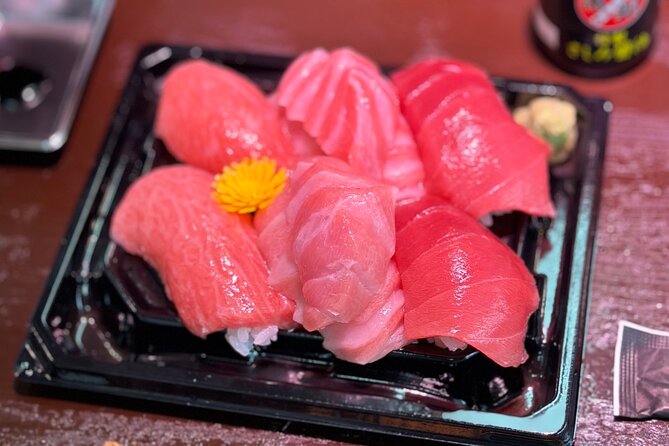
- Choose-your-own tastings: You pick what to buy and pay for as you go, with no set menu.
- Small group size: Maximum 10 travelers means more attention and less wandering.
- Temple first, market second: A calmer start at Tsukiji Hongwanji Temple before the food rush.
- History tied to food: You learn what traditional ingredients mean for sushi and local dishes.
- Flexible pacing: The schedule adjusts based on what the group wants to see and try.
- Admissions included, food not: Entry is covered for the temple and market areas, but you’ll still budget for tastings.
Tsukiji on Foot, With a Guide Who Makes Sense of It
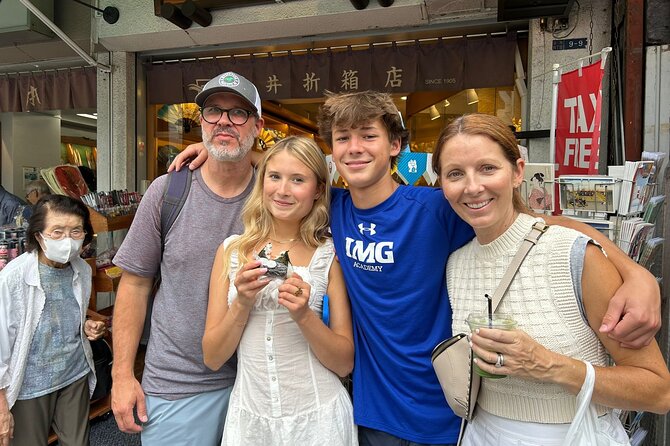
Tsukiji is one of those places that looks simple on a map, then hits you with lines, noise, narrow alleys, and a constant flow of people moving in every direction. This tour is designed to solve that problem. It keeps things to about two hours, with a small group and a clear sequence of stops, so you spend more time eating and less time guessing.
The big idea here is control. You do not get handed a rigid itinerary where you have to eat whatever is served. Instead, the tour is set up so you choose and pay for the dishes you want at the market stalls. That matters because Tsukiji food can range from mild and familiar to things that feel more like an acquired taste, like sea urchin or eel. A good guide helps you translate what you’re seeing into what you might actually enjoy.
It is also worth noting that the tour is led by a local Japanese English speaking guide. That language combination matters in Tsukiji, because you want more than directions. You want ingredient explanations, stall context, and practical advice about what is worth your money and what is not.
You can also read our reviews of more walking tours in Tokyo


How the No-Set-Menu Tastings Really Work
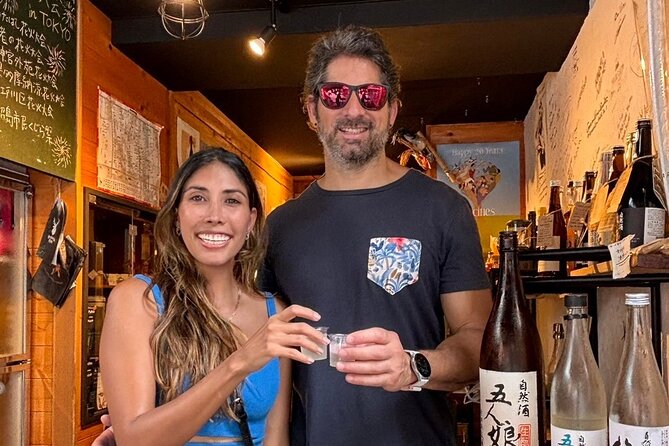
This tour uses a simple system: admission and entry are handled for the key sites, but food and drinks are not included. You choose what to eat, then you pay the stall directly.
That might sound like extra work, but it is actually the point. When you can select your own bites, you can balance three things that are always in tension at food markets: budget, comfort level, and curiosity. Want something safe and classic? You can lean toward items like Japanese omelets, fruit, or fried fish cakes. Want a proper seafood sampling? You can go for fresh seafood options and more adventurous fish specialties.
A few practical notes make this smoother:
- Bring cash in yen. More than one person highlights that stalls often take cash for samples or orders.
- Set a rough budget in your head before you start. Even a short market tour can add up fast if you keep saying yes to everything.
- If you are tempted by premium items, remember that Tsukiji’s reputation can inflate prices in certain spots. A strong guide can steer you toward better value.
The tour’s flexibility also helps. Because the pace is adjusted to what the group wants to see and try, you can spend a little longer on a stall that sounds right for you, or move on quickly if a dish is not your thing.
Stop 1: Tsukiji Hongwanji Temple, a Quiet Reset Before the Food
The morning begins at 築地本願寺 (Tsukiji Hongwanji Temple). You get about 30 minutes here, and admission is included.
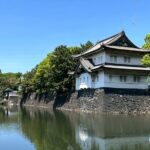
Why would a fish market tour start at a temple? For most people, it works as a mental reset. Before you hit the dense, crowded market area, you get a calmer introduction to the neighborhood and a breather from the noise. It also gives the guide a chance to set tone: Tsukiji is not just seafood. It is a place with layered culture, and the temple is part of that story.
That said, there is one legitimate caution. Some people are surprised by the temple being the first stop. If your priority is nonstop food, you may find that first segment slightly slower than expected. Still, if you like context and you enjoy switching gears from calm to chaos, this temple start can make the rest of the walk more fun.
Stop 2: Tsukiji Fish Market, Where the Stories Match the Scent
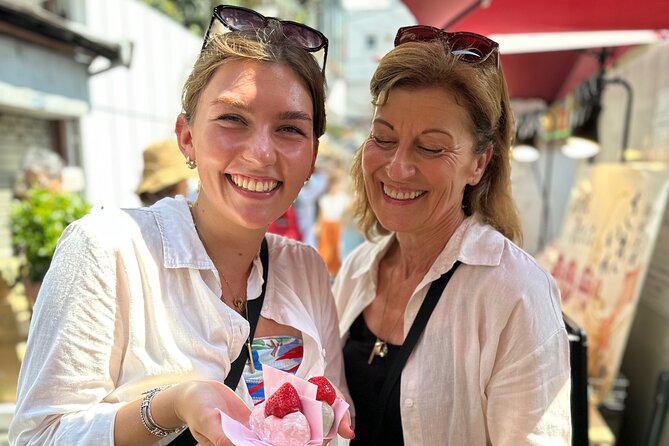
After the temple, you head into the Tsukiji Fish Market area for about an hour. Admission is included, and the guide uses this time to connect history and culture to what you’re tasting.
Tsukiji is world famous, and the center of its fame is tuna auctions and the market’s role in Tokyo’s food supply. Even if you are not there for any specific auction moment, you still benefit from hearing why Tsukiji became such a big deal. When the guide explains what made the auctions famous, you understand the market in a deeper way than just shopping for snacks.
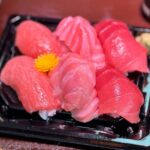
This stop is where the food becomes the main event. You’ll likely sample items tied to sushi traditions and local street-style dishes. In the descriptions of what people enjoy, you’ll see fresh seafood, Japanese omelets, fruit, fried fish cakes, and other small bites.
The best part of a guided hour here is speed with accuracy. Without a guide, it is easy to pick a stall because it looks busy or because the menu seems familiar. With a guide, you get pointers about what tastes good and what represents value, and you can avoid the places that are more about spectacle than flavor.
Stop 3: Tsukiji Jogai Market, Street Food Energy and Lots of Options
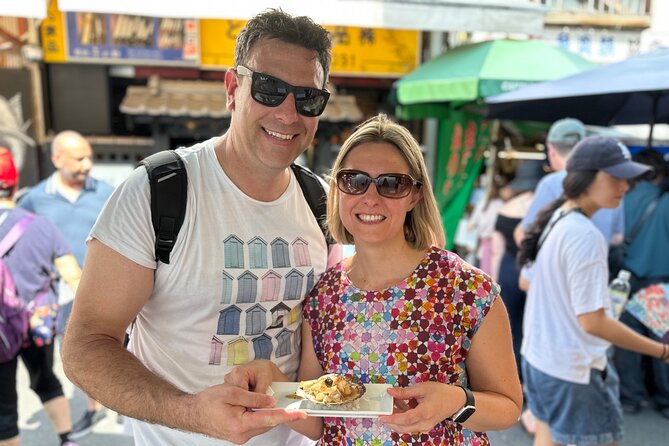
The last stop is the Tsukiji Jogai Market, about 30 minutes. Entry is included.
If the fish market section feels like the heartbeat, the Jogai area tends to feel like the hangout. It is a dense collection of stalls and shops where fresh seafood and Japanese street food show up side by side. This is where you can keep sampling without worrying about a strict schedule. A guide can help you compare dishes quickly and decide what to buy next, based on what the rest of the group is doing and what you personally want to try.
This is also a smart segment for first-timers. You are already oriented by the time you reach Jogai, so you can enjoy the variety instead of feeling overwhelmed. Many people come away thinking the tour did its job well because it turned market confusion into a sequence of clear choices.
One more practical tip: the tasting nature of this part of the tour means you should not plan to arrive hungry and then refuse to eat anything else after the first few bites. If you want the full experience, commit to trying a small range of things and then stop when you feel done.
You can also read our reviews of more food & drink experiences in Tokyo



Price and Value: What You Pay for, and What You Still Need to Budget
The tour costs $30 per person, and it lasts about two hours. The included items cover the structure that saves you time: a local Japanese English speaking guide, entry to Tsukiji Hongwanji Temple, entry to Tsukiji Fish Market, and entry to Tsukiji Jogai Market, plus explanations about history and culture.
What is not included is just as important. Food and drinks are not included in the price. That means your total cost will depend on how many dishes you choose to buy and what you pick.
Here is how to think about value:
- You are paying for access, guidance, and translation of market chaos into smart choices.
- You are not paying for a full meal. You are buying small tastings, so you can tailor the experience to your budget.
- The guided portion can prevent wasted spending. If you buy the wrong item at the wrong stall, the market can get expensive fast. A guide who knows where vendors offer good value can make your food money go further.
One review note that is useful for budgeting: bring enough yen for the tastings, with some people citing around 10,000 yen as a starting point for samples. Your actual number may be higher or lower, but that gives you a sense of scale for how quickly costs can add up when you are tempted by fresh seafood and special items.
Meeting Point, Timing, and What to Bring
You meet at Starbucks Coffee – Tsukiji Station, at the address listed for the tour: Chuo City, Tsukiji, 2-chōme 12-8. The tour ends back at the same meeting point.
Timing matters here because Tsukiji is active. The tour duration is about 2 hours, and it is broken into three clear blocks: 30 minutes at the temple, 1 hour in the fish market area, and 30 minutes in Jogai. With a maximum group size of 10, you should be able to move with the pace instead of getting separated and searching for your group.
What to bring:
- Cash in yen for food purchases and samples, since food is not included.
- Comfortable walking shoes. This is a walking tour, and you will spend time standing around stalls.
- A light plan for what you want to try. If you are excited about seafood but hesitant about very strong flavors, tell the guide early so you can aim for the right menu.
If you care about practical comfort, it helps to know the tour is near public transportation. Service animals are allowed, too.
Who This Tour Fits Best (and Who Might Want a Different Plan)
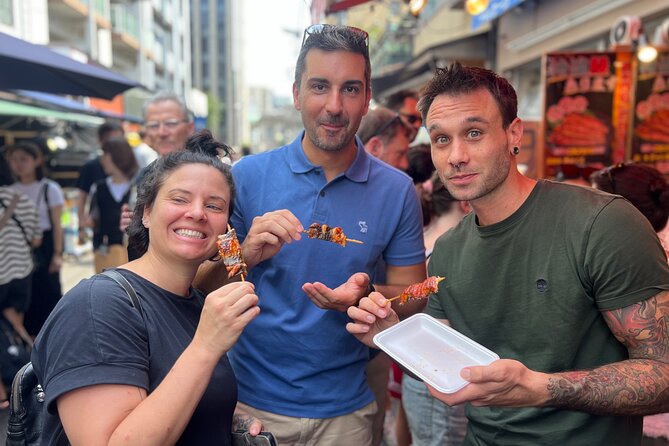
This is a strong match if you:
- Want a guided introduction to Tsukiji without spending the whole day orienting yourself.
- Like eating small bites and picking from multiple stalls.
- Appreciate context, like learning how traditional sushi ingredients connect to what you see and taste.
- Prefer a small group experience with room to ask questions.
It might be a less perfect fit if you:
- Want nonstop market time and feel annoyed by the temple start.
- Hate crowds or standing for long periods. Even with a guide, Tsukiji is still busy.
- Expect a set menu where everything is decided for you. This tour is choose-your-own, so you decide what happens next.
If you do want the freedom of picking your own food but still want confidence on where to go, this format is ideal. It gives structure, but you still keep control of your tastings.
Should You Book This Tsukiji Food and Walking Tour?
I think you should book if you want an efficient, small-group way to experience Tsukiji without getting lost or overspending on random choices. The combination of temple context, guided navigation, and pick-your-own tastings is the real reason it works, especially for first-timers.
If you are the type who loves to wander markets on your own, you could do Tsukiji without a guide. But you would be taking on the hardest part, the navigation and decision-making, and you would miss the ingredient and culture explanations that help you understand what you’re eating.
My final advice: if you book, bring cash, wear good shoes, and go in hungry but not impulsive. Let the guide steer your first few tastings, then choose the rest based on what you actually enjoyed.
FAQ
How much does the Tsukiji Fish Market Food and Walking tour cost?
It costs $30.00 per person.
How long is the tour?
The duration is about 2 hours.
Where is the meeting point?
Meet at Starbucks Coffee – Tsukiji Station, Tokyo, Chuo City, Tsukiji, 2-chōme 12-8 (meeting point address as listed). The tour ends back at the same meeting point.
What is included in the price?
A local Japanese English speaking guide, history and culture learning, and entry or admission for Tsukiji Hongwanji Temple, Tsukiji Fish Market, and Tsukiji Jogai Market.
Are food and drinks included?
No. Foods and drinks are not included, so you will pay for what you choose to eat.
Is there a set menu?
No set menu. You choose and pay for the dishes you’d like to eat.
How large is the group?
The tour has a maximum of 10 travelers.
Is free cancellation available?
Yes. You can cancel for free up to 24 hours in advance for a full refund. Changes made less than 24 hours before the start time are not accepted, and cancellations within 24 hours are not refunded.
More Walking Tours in Tokyo
More Tours in Tokyo





More Tour Reviews in Tokyo


Not for you? Here's more nearby things to do in Tokyo we have reviewed












Tsukiji Market Tours, side by side.
 ★ 5.0Tokyo Tsukiji Fish Market Food and Culture Walking TourFrom $993,184 reviews
 ★ 4.9Tsukiji Fish Market Guided Walking TourFrom $221,397 reviews
 ★ 5.0Tokyo Sushi Making Class in Tsukiji with Professional ChefFrom $491,177 reviews
 ★ 5.0Tsukiji Fish Market Guided Tour and Sushi Making with Pro ChefFrom $104775 reviews
★ 4.7Tsukiji Fish Market Food and Culture Walking TourFrom $96757 reviews
★ 5.0Tsukiji Fish Market Guided Tour and Sushi Making with Pro ChefFrom $104775 reviews
★ 4.7Tsukiji Fish Market Food and Culture Walking TourFrom $96757 reviews
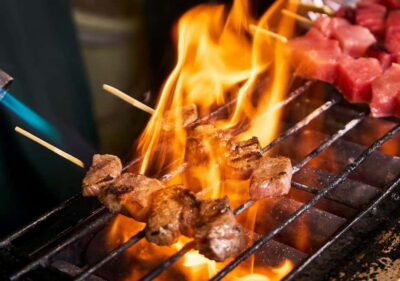 ★ 5.0Tsukiji Fish Market: Street Food & Culture Walking TourFrom $33669 reviews
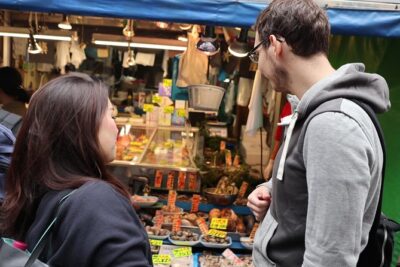 ★ 5.0Tsukiji Fish Market Small-Group Food Walking TourFrom $87621 reviews
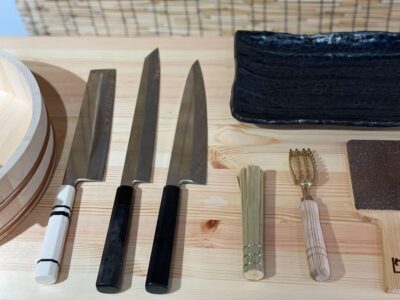 ★ 4.9Tsukiji Fish Market Sushi Making Class with Pro ChefFrom $63506 reviews
This tour also belongs to