
Review · TSUKIJI MARKET TOURS
Tokyo: Tsukiji Fish Market Food and Culture Walking Tour
Tokyo smells like breakfast and sea. This Tsukiji Outer Market food and culture walking tour is a smart way to navigate the chaos, sampling classic bites while learning why top chefs shop here. It runs about 3 hours and ends back near Tsukiji Station with a final sushi or seafood bowl.
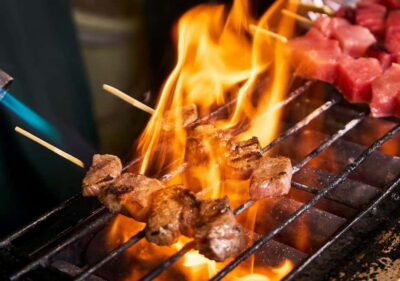
I love the big-ticket tastings, especially Wagyu beef skewers, because they turn a snack run into a real memory. I also like how the guide brings food culture history into the market lanes, so you eat with context instead of just grabbing random sticks and bowls.
One possible drawback: there’s moderate walking, and the tour has strict diet limits (no vegetarian, halal, or gluten-free requests). Add to that menu changes on closed market days, and you’ll want to plan your expectations around what’s actually operating.
Key Things You Should Know Before You Go
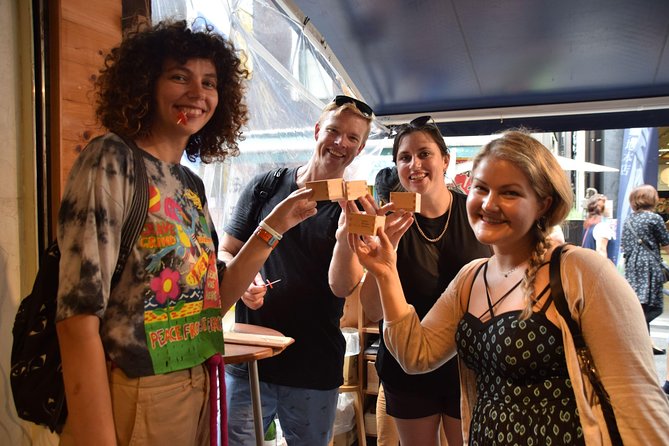
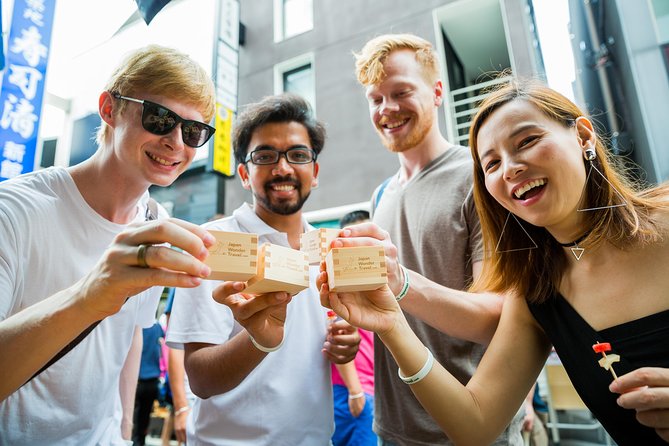
- Wagyu skewers plus a final sushi or seafood bowl means you leave full, not just “tasting your way through.”
- Small groups (2 to 8 people) make it easier to ask questions and keep moving through tight crowds.
- Tsukiji Outer Market focus helps you see everyday food culture without needing to decipher wholesale logistics.
- Menu changes on Wednesdays and Sundays can remove the omelet, fish cake, and fruit service.
- English live guides explain what you’re eating and why the market matters to chefs.
- Meeting at Tsukiji Honganji-Temple gives the tour a meaningful start, with proper shrine-temple etiquette covered by the guide.
Why Tsukiji Outer Market Food Tours Feel Like a Shortcut
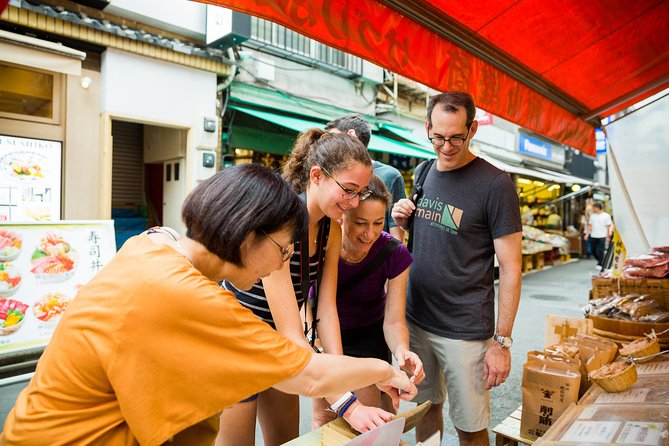
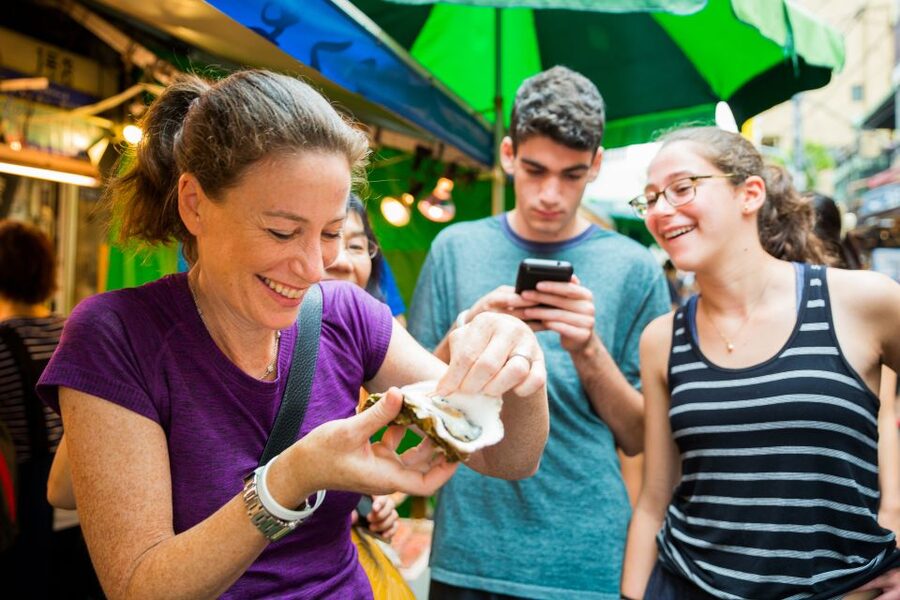
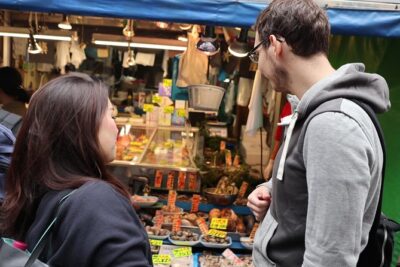
Tsukiji can be overwhelming fast. The aisles are narrow, the smells hit immediately, and the best stalls are not always the ones with the loudest lines. A guided walk helps you get your bearings quickly, so you spend more time eating and less time guessing.
This tour is built around more than “street food.” You’re also getting the story of how the market fits into Tokyo’s food culture, including why chefs visit every day to source fresh ingredients. When the guide connects the bite in your hand to the bigger picture, the whole place makes more sense.
You can also read our reviews of more walking tours in Tokyo


Starting at Tsukiji Honganji-Temple: Calm Before the Food Storm
You meet your guide at the main gate of 浄土真宗本願寺派 築地本願寺 (Tsukiji Honganji-Temple). It’s a good mental reset point, and it also places you right at the edge of the market world, rather than wandering around looking for the right entrance.
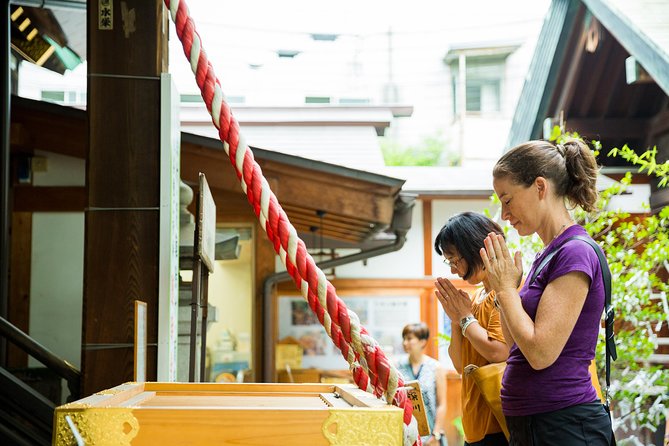
The most helpful part here is how the guide sets expectations for market behavior and timing. Some guides also cover shrine and temple etiquette, and you might even see a short ritual moment when it fits the day. Either way, you’ll start the walk with a smoother, more respectful rhythm, not a frantic “how do I act here?” scramble.
Practical tip: arrive a few minutes early, and dress for standing and short bursts of walking. Comfortable shoes matter more than you think when the ground is uneven and the crowd flow doesn’t care about your footwear.
The Outer Market Lane Circuit: What You Eat and Why It Works
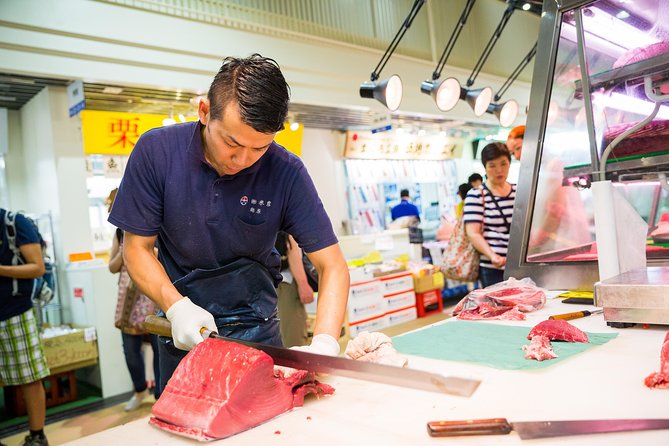
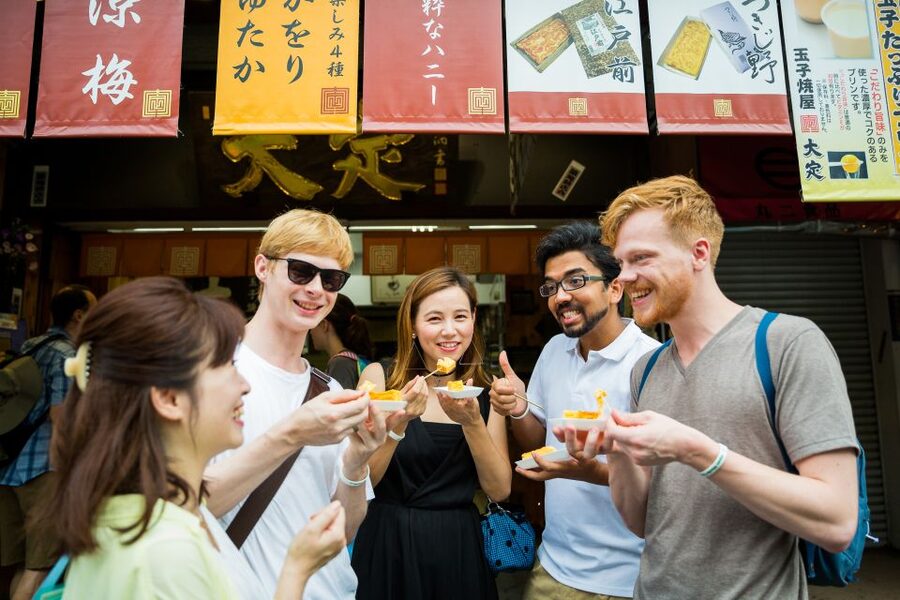
The heart of the experience is the Tsukiji Outer Market food walk, a mix of guided browsing and tastings across vendor stalls. You’re sampling a spread designed to cover major styles: savory seafood, egg-based comfort, sweet fruit, and fried fish cake.
The included standouts depend on the day, but the menu is consistently anchored by high-grade items. You’ll get Wagyu beef skewers, plus either a fresh fish bowl or sushi as the finale. Along the way, you should expect additional tastings such as a Japanese omelet, seasonal fruits, and fried fish cake.
Why this lineup is smart: it balances seafood intensity with palate variety. The Wagyu gives you the rich, smoky hit; the egg and fried fish add texture contrast; and the seasonal fruit cleans the palate so the final bowl or sushi hits harder.
Wagyu Skewers: The “Yes, This Is Worth It” Bite
Wagyu skewers are the moment most people remember, and it’s easy to see why. They’re easy to eat on the move, but they also deliver serious flavor and fat that you do not get from a random grilled skewer. When a tour includes this, it raises the value because you’re not paying market prices to build your own tasting plan.
Guides across groups tend to spotlight what makes the cut and grilling style special, and that context can make you notice details you’d otherwise miss. If you come to Tsukiji for one headline flavor, this is the one built into the tour.
Japanese Omelet and Fish Cake: Comfort Food in Market Form
The tour includes a Japanese omelet and fried fish cake. These are great mid-walk tastings because they’re filling enough to stop the snack hunger spiral, but not heavy enough to ruin your appetite for the end.
One heads-up: on Wednesdays and Sundays, and other closed market days, omelet, fish cake, and fruits cannot be served because shops are closed. The guide will still keep you moving and offer what’s available, but your “included menu” will be slightly different on those days.
You can also read our reviews of more food & drink experiences in Tokyo



Sushi or Seafood Bowl Finale: Your Last Stop Should Feel Like a Finish Line
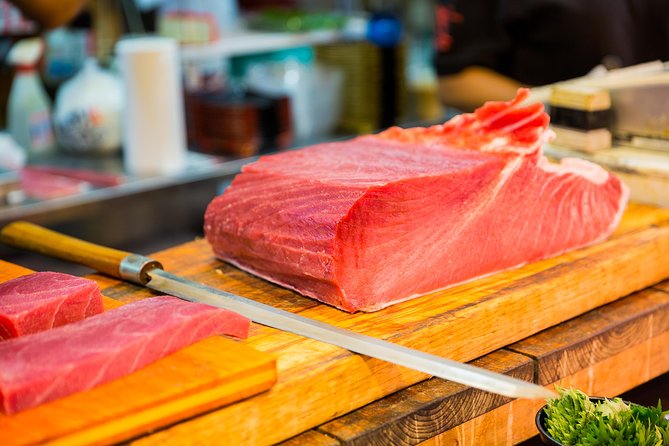
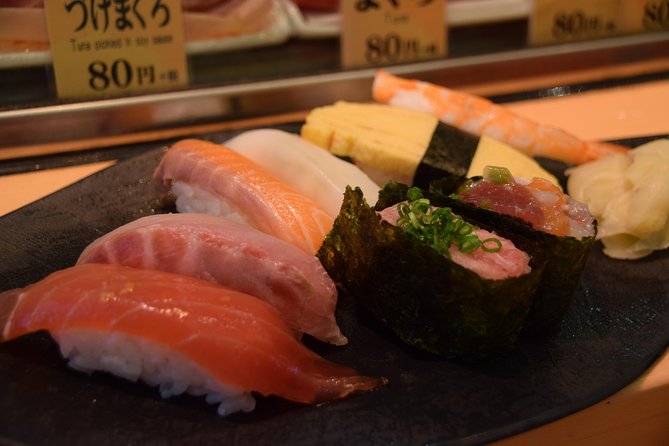
The tour wraps up with a delightful serving of either sushi or a fresh seafood bowl, depending on the day. This matters because it turns the whole morning into a sequence, not just a scatter of small bites.
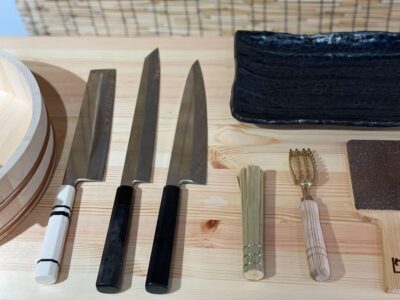
On some days, you might also see a short fish-prep moment at the final stop, where a sushi chef demonstrates cutting and preparation. That kind of step makes the bowl feel more personal, and it helps you understand what you’re actually eating instead of treating it like a final transaction.
If you’re new to Japanese seafood, this is where the guide’s explanations pay off most. You learn how the market thinks about quality and freshness, then you get to taste the result.
Why Chefs Visiting Daily Changes How You Taste
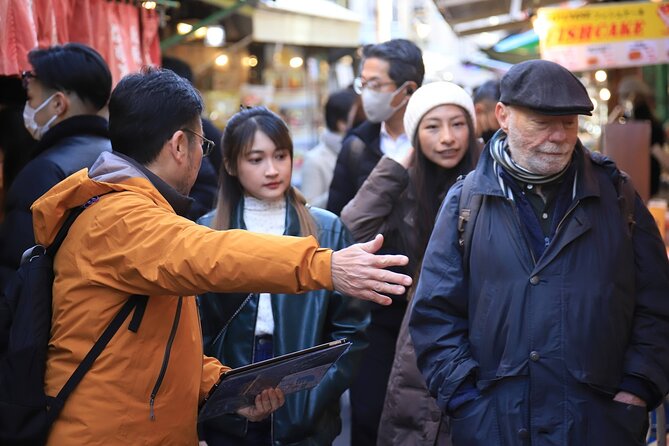
The tour specifically highlights that top chefs visit the market daily to pick up the freshest ingredients. That detail changes your whole mindset while you walk.
Instead of asking only “Is this good?” you’ll start noticing “Why is this good today?” Fresh fish and market-prepared items are time-sensitive by nature. When you hear the market logic from your guide, you’ll eat more intentionally and waste less money on items that look tempting but are not the best value for that moment.
This is also where a strong guide makes the difference. People often mention guides like Kenji, Miki, Nazu, Luna, Daichi, and Kosei for juggling two jobs at once: keeping the group flowing and delivering clear, practical food culture context. You can expect that balance here, not a lecture-only walk.
Closed Days Reality Check: What Happens on Wednesdays and Sundays
Tsukiji has operating rhythms. The market (Uogashi wholesaler market) is closed on Wednesdays, Sundays, and other closed market days. That closure has real effects on what you can eat.
On those days, the omelet, fish cake, and fruits portion cannot be served because shop service is affected. So you may still get tastings and still enjoy the final fish bowl or sushi, but your included menu components will shift.
A helpful planning approach: if you can choose your dates, you might aim for days when you want the full variety of included items. If you end up going on a closed day, treat it as a chance to focus on the seafood and Wagyu core instead of expecting the same selection as other days.
Group Size and Guide Style: How You’ll Feel Inside the Crowd
This is a small group tour, typically 2 to 8 people. In a market this tight, small group size is not a luxury. It directly affects your comfort, your hearing, and your ability to stop at the right stalls without the guide dragging you past everything.
It also changes the vibe. In groups like this, guides can tailor pace for different interests, and you’re more likely to get a short explanation when you ask a question. Many guests praise guides for making vendor interactions feel easy, not awkward, and for keeping tastings flowing so nobody gets stuck waiting.
One more crowd tip: if you’re choosing time-of-day, midweek mornings can feel easier than the weekend crush. Even if your day is drizzly, the market can still be packed, and umbrellas can make it harder to hear your guide. Pack for comfort, and be ready to stand close.
Price and Value: Is $96 Fair for 3 Hours of Food?
At $96 per person for about 3 hours, this tour isn’t bargain-basement Tokyo. But it also isn’t just a stroll with a few sample bites.
You’re paying for:
- A guided walk through Tsukiji Outer Market
- A menu that includes Wagyu skewers
- A final fish bowl or sushi
- Additional included tastings such as Japanese omelet, fried fish cake, and seasonal fruit
- A guide who explains market food culture and how chefs use the market daily
Here’s the value logic I use: markets like Tsukiji charge you for convenience. If you tried to replicate this yourself, you’d spend time figuring out which stalls are worth it and which ones are overpriced for the quality. A good guide compresses that decision-making into a single morning, and the included finale helps ensure you actually eat enough to feel satisfied.
One money sanity check: alcohol is not listed as included. Still, there’s a minimum drinking age of 20, so if you’re planning to buy sake or beer at any stop, budget for it separately and keep track of what you order.
What to Bring and How to Survive the Market Physically
Bring comfortable shoes first. You’ll stand a lot, and you’ll walk on crowded surfaces where you cannot always choose your footing.
Add a camera if you like food photos, but expect fast moving lines. Also pack comfortable clothes suited to changing weather, because you’re outside and the market atmosphere is intense even when it’s not hot.
If you’re sensitive to noise or crowds, you’ll still manage fine with a small-group tour. Just remember the market can be loud, and if weather is bad, people compress together. A calm attitude helps you enjoy the flow.
Who Should Book This Tour, and Who Should Skip It
Book it if you want a first-Tokyo food experience that feels focused. This is perfect for food lovers who are curious about why Japanese markets matter, and who want to leave with both tastings and context. It also works well if you only have a few hours and do not want to build a Tsukiji game plan from scratch.
You might skip it if your diet is restrictive. The tour does not accommodate vegetarian, halal, or gluten-free requests, and it is not suitable for people with mobility impairments or wheelchair users. If that applies, you’ll enjoy Tsukiji more with a different plan tailored to your needs.
It’s also not ideal if you want a totally self-directed shopping mission. This tour is structured to keep you moving through tastings and a guided story, not to maximize free browsing time. Plan to do extra independent wandering on your own after the tour if you fall in love with a stall.
Should You Book This Tsukiji Fish Market Food and Culture Walking Tour?
I’d recommend booking if you value guidance in a crowded place and you want your money to land on real food highlights. The combination of Wagyu skewers plus a final sushi or seafood bowl, all in a tight 3-hour window, is the core reason it feels worth it.
Do it on a day when the market is operating normally if you want the full variety that includes omelet, fish cake, and seasonal fruit. If you’re going on a Wednesday or Sunday, go in knowing the menu changes, and focus on the seafood and Wagyu pieces instead.
If your schedule allows, pick a time when crowds are less intense, and keep your expectations realistic for a working market. Then you’ll get exactly what this tour is designed to deliver: an efficient, flavorful introduction to Tokyo food culture through Tsukiji.
FAQ
How long is the Tsukiji fish market food and culture walking tour?
The tour lasts 3 hours.
Where do I meet the guide?
Meet your guide at the main gate of Tsukiji Honganji-Temple when the tour starts.
What food is included in the tour?
The included items include high-grade Wagyu beef skewers, fresh fish bowl or sushi (depending on the day), Japanese omelet, seasonal fruits, and fried fish cake, plus other samples along the way.
Does the tour always serve sushi?
No. Depending on the day, you either receive sushi or a fresh seafood bowl at the end.
Are there menu changes on Wednesdays or Sundays?
Yes. On Wednesdays, Sundays, and other closed market days, Japanese omelet, fish cake, and fruits cannot be served because shops are closed.
Is the tour suitable for vegetarians, vegans, halal diets, or gluten-free diets?
No. The tour unfortunately does not accommodate vegetarian, halal, or gluten-free requests.
Is there an alcohol age requirement?
Yes. The minimum drinking age is 20.
How big is the group?
It is a small group tour with 2 to 8 people.
Is the tour accessible for wheelchair users or people with mobility impairments?
No. It is not suitable for people with mobility impairments or wheelchair users.
More Walking Tours in Tokyo
More Tours in Tokyo





More Tour Reviews in Tokyo


Not for you? Here's more nearby things to do in Tokyo we have reviewed












Tsukiji Market Tours, side by side.
 ★ 5.0Tokyo Tsukiji Fish Market Food and Culture Walking TourFrom $993,184 reviews
 ★ 5.0Tsukiji Fish Market Food and Walking tourFrom $301,724 reviews
 ★ 4.9Tsukiji Fish Market Guided Walking TourFrom $221,397 reviews
 ★ 5.0Tokyo Sushi Making Class in Tsukiji with Professional ChefFrom $491,177 reviews
 ★ 5.0Tsukiji Fish Market Guided Tour and Sushi Making with Pro ChefFrom $104775 reviews
 ★ 5.0Tsukiji Fish Market: Street Food & Culture Walking TourFrom $33669 reviews
 ★ 5.0Tsukiji Fish Market Small-Group Food Walking TourFrom $87621 reviews
 ★ 4.9Tsukiji Fish Market Sushi Making Class with Pro ChefFrom $63506 reviews
This tour also belongs to