
Review · TOKYO CITY TOURS
Day Private City Tour of Tokyo with English speaking driver
Tokyo’s too big for solo logistics.
This private city tour covers major highlights in one smooth day, with an air-conditioned car and an English-speaking driver who keeps things moving. I like the fact that the route can be customized around what you care about, so you are not stuck doing a rigid checklist.
Here’s the trade-off: most site costs are extra once you step out of the car. Expect add-ons like Shinjuku Gyoen National Garden and Tokyo Skytree, plus any paid guides or special entries at individual stops, even though the driver handles the overall flow.
If you want a low-stress first day in Tokyo, this kind of service makes a lot of sense. You start in Asakusa near Kaminari-mon, and the tour typically runs about 8 hours, with a mobile ticket included for easier coordination.
Key things I’d plan around
- Small group feel: up to 3 people per group, so you get more personal pacing than with big buses.
- Car-first convenience: the itinerary is designed to minimize train hopping across Tokyo.
- A highlight-heavy route: Tsukiji, Meiji Jingu, Shibuya, Shinjuku, and Asakusa in one day.
- Extra tickets add up: Shinjuku Gyoen (¥500 per adult) and Skytree (¥3,400 per person) are not included.
- Monday matters: Shinjuku Gyoen is closed on Mondays, so the plan may need a swap.
- Timing can reduce crowd pressure: if you can choose your departure window, aim for earlier hours when possible.
A private day in Tokyo, without the train shuffle
Tokyo is amazing, and also huge. For a short stay, the biggest headache is moving between neighborhoods quickly and without burning energy on transfers. This tour’s main value is simple: you get an English-speaking driver and a comfortable car so you can spend your time looking, not navigating.
The itinerary is built around iconic districts, but it also works like a practical sampler. In one day you cover older Tokyo at Asakusa, big-sight Tokyo at Shibuya and Shinjuku, and calmer green time with Shinjuku Gyoen (if it’s open that day). The tour also includes handy transfers, so you are not left trying to figure out where the meeting point is after a long flight.
One more detail I appreciate: the driver gives insights mostly between stops. That can be a plus if you want quick context without turning every location into a guided classroom session. The flip side is that it is not automatically a fully guided experience inside every ticketed attraction, so you should expect to learn most while riding and between entrances.
You can also read our reviews of more city tours in Tokyo

Price and logistics: where the real value comes from
At $400 per group (up to 3) for about 8 hours, the headline price looks steep until you break it down. If you have 3 people, it’s about $133 each. If it is 2 people, it’s about $200 each. For many first-time visitors, that can still feel reasonable compared with paying for taxis across multiple far-apart neighborhoods plus any planned guided touring.
What you should budget for is the “pay when you get there” part. The tour includes the air-conditioned vehicle and fuel, but entrance fees are not fully included. Specifically:
- Shinjuku Gyoen National Garden costs ¥500 per adult.
- Tokyo Skytree costs ¥3,400 per person.
- Entry to other places may also involve extra fees, and any tour guides at individual sites can cost extra as well.
So the value depends on how you use the day. If you want Skytree and Shinjuku Gyoen, you will likely add those costs. If you skip one or two paid stops, your out-of-pocket can be lower while you still get the major sights.
Also, plan ahead. This tour is often booked about 28 days in advance on average, which usually means you want to lock in the dates early if you care about specific time windows.
The 8-hour route: Tsukiji to Asakusa in a smart order
This tour’s flow is designed to reduce backtracking. You start in Asakusa, head toward central Tokyo for Tsukiji, then move through Shinjuku and Harajuku into the Shibuya area, and finish back in the Asakusa orbit with Senso-ji.
Here’s what each stop feels like, and what to watch for.
Stop 1: Tsukiji Fish Market (30 minutes, admission-free)
Even if you are not a seafood expert, Tsukiji is one of Tokyo’s most visual introductions. You get a fast look at a world-famous fish-and-seafood atmosphere in the city center. The time here is short by design, which I like because it prevents you from turning your day into one long queue.
The potential drawback is that 30 minutes can feel rushed if you want to really browse stalls. If you care about food snacks, plan to prioritize a quick bite rather than trying to see everything.
Stop 2: Shinjuku Gyoen National Garden (30 minutes, Monday closed)
This is the pause button in the middle of a Tokyo day. Shinjuku Gyoen is a major garden space that gives you breathing room from crowds and traffic. If you travel on a Monday, note the big catch: Shinjuku Gyoen is closed on Mondays, so the plan needs a swap or a skip.
Admission is not included, ¥500 per adult, so treat this as a “worth it for you” decision. If you are staying in Tokyo for multiple days, you could also choose to do gardens on another day. But if this is your one big sightseeing day, it’s a nice balance.
You can also read our reviews of more private tours in Tokyo

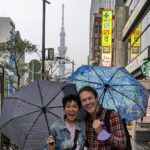
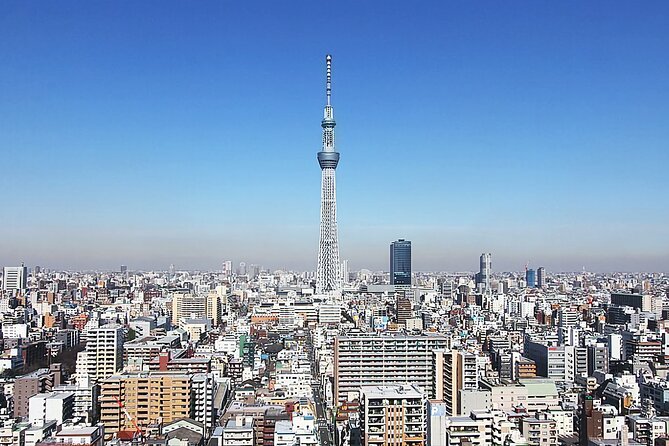
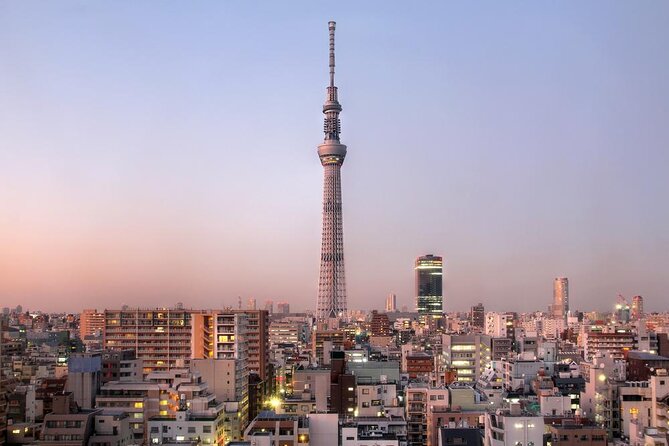
Stop 3: Tokyo Skytree (1 hour, admission not included)
Skytree is the kind of landmark you understand immediately, even from street level. The top is where the payoff is if you want panoramic views. This stop is scheduled for about an hour, which is usually enough time to enjoy the experience without eating your whole day.
The main consideration is cost: ¥3,400 per person is not included. Also, if visibility is poor on your day, the view may not feel like the big-ticket moment you hoped for. Still, if you want a signature Tokyo skyline shot and a classic viewpoint, this is the place.
Stop 4: Godzilla Head in Shinjuku (quick photo-style stop, free)
This one is fun, fast, and extremely Tokyo-pop-culture. The Godzilla Head attraction is free, and it tends to draw attention with its dramatic motion and shows. It is a good palate cleanser after temples and markets.
Because it is a quick stop, don’t expect a deep sightseeing session. Think of it as a colorful break that gives your camera something loud and memorable.
Stop 5: Meiji Jingu Shrine (1 hour, free)
If Tokyo has a soul, Meiji Jingu is one of the ways you feel it. The shrine is free, and it is a calmer pocket right next to busy Harajuku. You get about an hour here, which is enough time to walk at a relaxed pace and take in the atmosphere without rushing.
A practical note: this stop works best when you let it slow you down. If you keep your schedule too tight, it can feel like just another “see and go” temple. If you give it time, it reads as a real contrast to the neon around it.
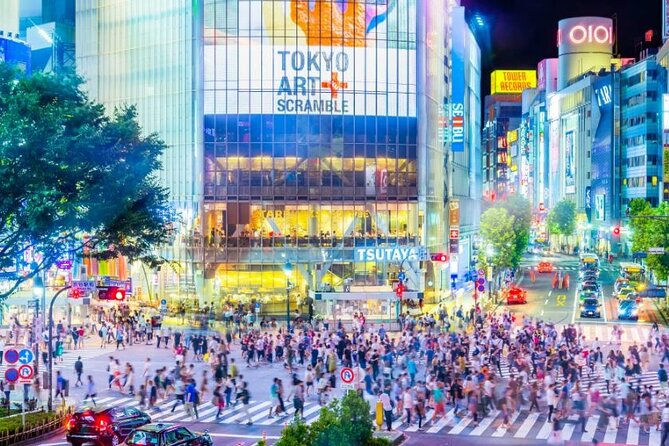
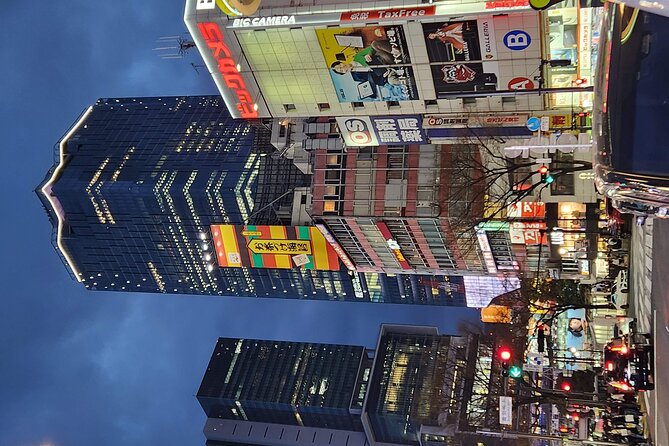
Stop 6: Shibuya Crossing (20 minutes, free)
Shibuya Crossing is famous because it’s a real-life movie moment. The scheduled time is short, so you are there to see it, shoot your photos, and keep moving.
If you hate crowd crush, this stop can be intense. The good news is 20 minutes is enough to get the experience without turning into a long queue or lingering for hours. If you have any flexibility, picking an earlier time in the day can help.
Stop 7: Takeshita Street (2 hours, free)
This is your Harajuku shopping and snack stretch, focused on casual browsing, trendy streetwear, and sweet treats. The two-hour window is a big reason to include this stop, because it gives you enough time to meander rather than just walk past storefronts.
One drawback: it can be loud and crowded, especially during peak hours. If your idea of shopping is calm and slow, plan to spend most of the time walking the side lanes and grabbing one or two specific things you want, rather than trying to shop everything.
Stop 8: Tokyo Metropolitan Government Building Observation Decks (30 minutes, free)
This is one of the best ways to get skyline views without paying for Skytree. The observation decks at the Tokyo Metropolitan Government Building are free, so it’s a smart value add when you want a high-up perspective but want to control costs.
The stop is only about 30 minutes, so treat it as a viewpoint hit and photo session. If you are sensitive to height or need a very slow pace, consider using this time for a quick view and then returning outside to cool off.
Stop 9: Giant 3D Cat Display Billboard (10 minutes, free)
This is the “Tokyo is weird in the best way” stop. The Shinjuku cat display is free and designed to look like it is moving and reacting. It’s short, but it also gives you a light moment after heavier temple and crossing scenes.
Don’t over-plan it. Ten minutes is plenty unless you get extra attached to taking photos from multiple angles.
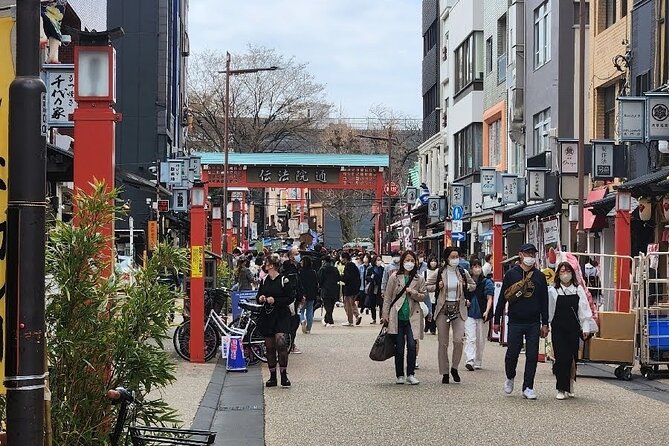
Stop 10: Senso-ji Temple in Asakusa (1 hour, free)
Senso-ji is the anchor of old Tokyo energy. You get about an hour, which is a solid chunk of time to see the main temple area and absorb the atmosphere without feeling trapped in a long line.
If you enjoy street-level details, this is the stop where your day can feel most alive. It’s also a fitting way to end, since you return back toward the meeting point area after the final temple time.
How the driver experience shapes your day
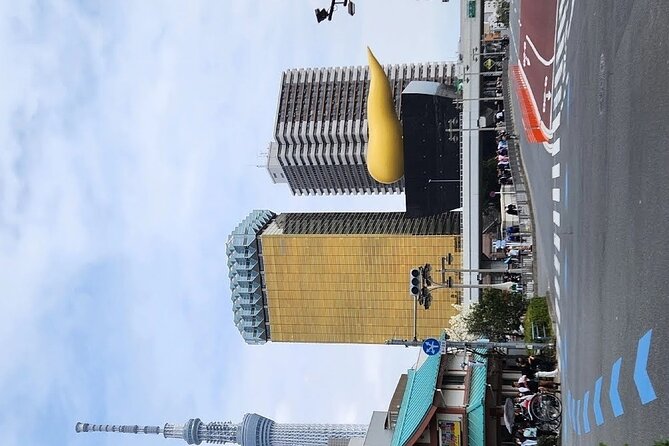
This tour uses a basic English-speaking driver, and the best versions feel like more than just driving. In feedback tied to real guide names like Mazz, Faris, Vohra, Talil, Shehzed, and Abdul, the common theme is that the driver talks through the sights and sometimes steps out to explain more directly. That difference matters because it turns your day from sightseeing-by-map into sightseeing-with-context.
Still, keep expectations practical. The tour indicates that insights are given mostly while in the car between destinations. And if parking rules create a challenge, the driver might not always accompany you inside every area, so you may experience some stops as self-guided walking with your commentary coming from the road.
One thing I’d use as a personal checklist: when you start, ask your driver how they prefer to pace the day. If they suggest holding flexibility for things like photos or a short detour, take it. That flexibility is what tends to produce the most memorable moments, including extra photo help and adjustments for what your group wants most.
Comfort tips that matter on an 8-hour Tokyo day
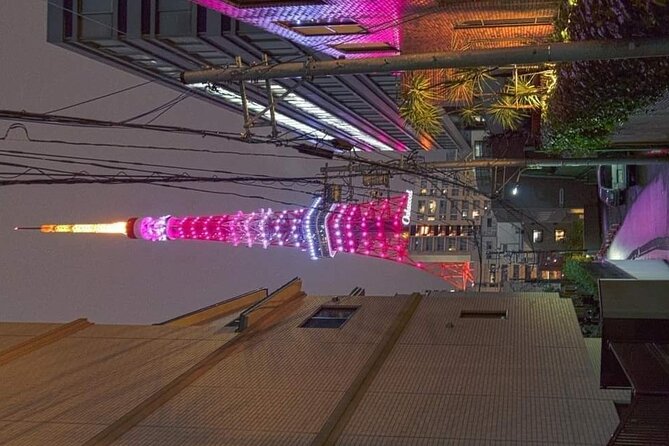
This is a private car day, so you get comfort right away: air-conditioning and a driver handling traffic stress. But you still need to manage yourself a bit to keep the day enjoyable.
My best practical advice:
- Wear shoes that can handle walking. Even with short scheduled times, temple areas and shopping streets add up quickly.
- Keep your must-dos simple. If you try to do everything at once, you will feel rushed. The tour already packs a lot into 8 hours, so pick your priorities like Skytree for views, Takeshita Street for browsing, or Shinjuku Gyoen for quiet.
- Expect extra time for crowding at Shibuya and Takeshita. This is where the day can get tight, even with the driver’s planning.
- If it’s raining, build in patience. One nice advantage of a driver day is that you can shift the emphasis between stops without rewriting your whole plan.
Also, consider timing. If you can choose a 7 to 3 style window, crowds often feel more manageable, and the day is easier to enjoy. It may not always be available, but when it is, it’s a smart move.
Who this private tour fits best
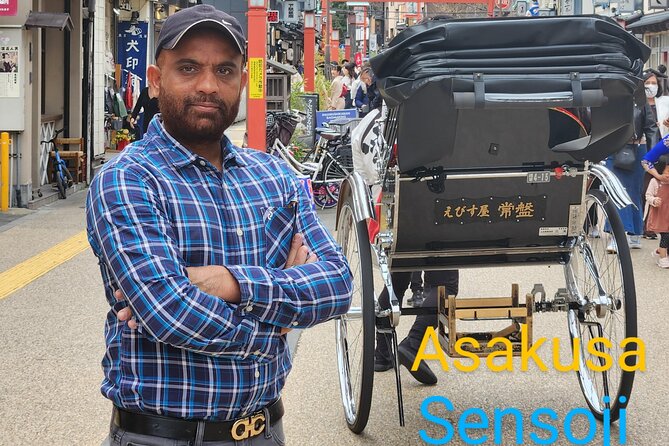
This works especially well for:
- First-time Tokyo visitors who want major sights without multiple train transfers.
- People who have one day and need a structured overview: Tsukiji, shrine time, city viewpoints, and the classic crossings.
- Small groups of up to 3 who want a more personal experience than a bus tour.
- Families and mixed-age groups who prefer a calmer pace and a driver who can adjust on the fly.
It may be less ideal for:
- Travelers who want deep time in one neighborhood and hate paying extra entry fees.
- People who prefer a fully guided, inside-the-building style experience at every stop.
Should you book this Tokyo private city tour?
I’d book it if you want to see a lot without stress, and you like the idea of a driver handling the biggest friction points: distance, transfers, and timing. The free parts of the day are strong, especially Meiji Jingu, Shibuya Crossing, and Senso-ji, and you get value viewpoints with the free Tokyo Metropolitan Government Building decks.
I’d think twice if your budget is tight or you do not plan to pay for Skytree and Shinjuku Gyoen. Because those add-ons are not included, your final cost can climb quickly if you insist on every paid option.
If you want a smooth, first-day Tokyo highlight run with minimal logistics pain, this is a solid choice. Just go in with eyes open on the extra tickets, and you will get a very satisfying day out of the 8 hours.
FAQ
How many people are in each group?
This is priced for a group of up to 3 people.
How long is the private Tokyo city tour?
The tour runs for about 8 hours.
Is hotel pickup included?
Pickup is offered, and the tour also has a listed starting meeting point in Asakusa.
What is included in the $400 price?
Included are an air-conditioned vehicle, fuel, and a basic English-speaking driver, plus a mobile ticket.
Are the attraction entry fees included?
Not fully. Shinjuku Gyoen has an admission fee of ¥500 per adult, and Tokyo Skytree has an admission fee of ¥3,400 per person. The tour also notes that entry fees and tour guides at individual sites cost extra.
Is Shinjuku Gyoen open on Mondays?
No. Shinjuku Gyoen National Garden is closed on Mondays, so you will need to plan around that.
Where does the tour start and end?
It starts near Kaminari mon2-chōme-3-1, Asakusa, Taito City, Tokyo 111-0032, Japan, and ends back at the meeting point.
What is the cancellation policy?
You can cancel for a full refund up to 24 hours in advance. Canceling less than 24 hours before the start time does not get refunded.
More City Tours in Tokyo


More Tours in Tokyo




More Tour Reviews in Tokyo


Not for you? Here's more nearby things to do in Tokyo we have reviewed












Tokyo City Tours, side by side.
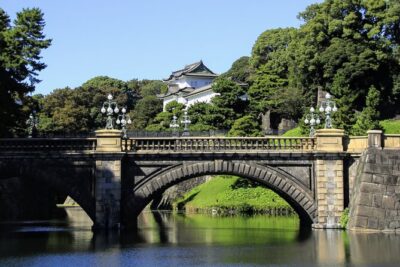 ★ 5.01-Day Tokyo Bus TourFrom $12914,250 reviews
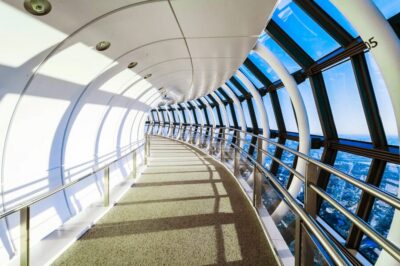 ★ 4.5TOKYO SKYTREE® Admission ticketFrom $1311,192 reviews
 ★ 4.6teamLab Planets TOKYO Digital Art Museum Entry TicketFrom $259,779 reviews
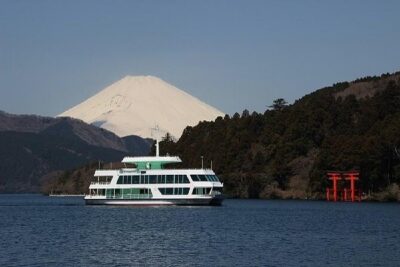 ★ 4.0Mt Fuji & Hakone Cruise, Drum Show Bullet Train 1 Day from TokyoFrom $1497,413 reviews
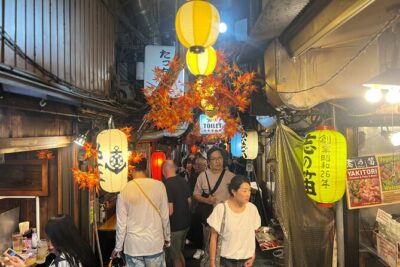 ★ 5.0Shinjuku Food Tour (13 Dishes at 4 Local Eateries)From $866,603 reviews
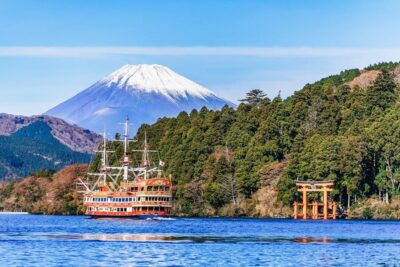 ★ 4.4Tokyo Mt Fuji 5th St & Hakone Cruise Bus Tour w/Bullet TrainFrom $1545,024 reviews
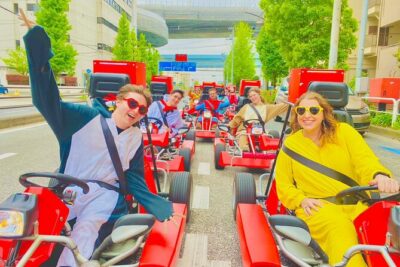 ★ 5.0Flagship 2-Hours Official Street Go-Kart Tour – Tokyo Bay ShopFrom $644,974 reviews
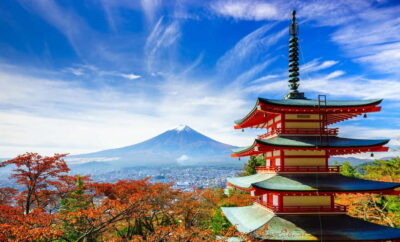 ★ 4.5From Tokyo: Mount Fuji Full-Day Sightseeing TripFrom $684,970 reviews
This tour also belongs to