
Review · TOKYO SUMO EXPERIENCES
Tokyo – Grand Sumo Tournament
Sumo in Tokyo hits like live sports. This Grand Sumo Tournament ticket experience is the easiest way to lock in your seat, and it lands you in the most electric sumo atmosphere at Ryogoku Kokugikan. I like that it is prebooked, so you are not gambling on same-day access. One thing to consider, this is ticket-only, so you should not expect guided explanations or extra cultural stops to be built into the package.
What you’re really buying here is a front-row connection to a Japanese national obsession, the kind where the crowd’s timing matters and every move feels serious. Reviews around this operator also highlight people being taught basic sumo context by staff (names like Ken and Shin show up often), but the core value of your purchase is still simple: entry to watch the tournament live.
You get a paper ticket and a start time of 10:00 am, with most tours running about 2 hours. There is also a max group size of 20, which keeps the whole experience from feeling like a cattle line. If you are arriving on your own, remember that transportation is not included.
Key highlights worth planning for
- Ryogoku Kokugikan is the Tokyo home base for the tournament dates listed
- Tokyo or Osaka based on your date, so you can pick the city that fits your itinerary
- Prebooking is the point, this is a popular, ticket-focused experience
- Paper ticket pickup and seat entry means you should keep your ticket safe and ready
- Optional seat upgrades may be available for an additional fee
- Small group size (up to 20) keeps the timing smoother inside the venue area
Watching the Grand Sumo Tournament at Ryogoku Kokugikan
If you want sumo as it was meant to be seen, the match is the whole show. This experience is built around the tournament experience in Japan, and in Tokyo that means Ryōgoku Kokugikan. It is the arena most people picture when they think of tournament sumo, and the energy matches that reputation.
Inside, sumo is not just athletic combat. It is ritual plus sport. You feel that right away, from the formal routines around the ring to the crowd reactions that come in waves. Even if you only know sumo from TV, the live version makes it easier to understand why people treat it like a big-deal national event rather than a niche hobby.
The event runs for about 2 hours in total. That time window is long enough for the rhythm of the tournament to land, and short enough that you can still build the rest of your day around it. If your Japan plans are already tight, that’s a practical win.
You can also read our reviews of more tours and experiences in Tokyo.


Tokyo vs Osaka: picking the right tournament dates
Your experience depends on the dates you choose. The listed options split like this:
- January 11 to 25, 2026 in Tokyo
- March 8 to 22, 2026 in Osaka
- May 10 to 24, 2026 in Tokyo
So if you are already spending time in Tokyo, it’s usually the cleanest fit. If your route takes you through Kansai instead, Osaka dates can make more sense and keep travel friction down.
Here is the real planning tip: treat this as a choice between two different venue cities in Japan. The city you pick shapes the rest of your day, from where you eat before the match to how you handle getting back afterward. Because transportation is not included, you will want a city plan you can manage independently.
Ticket-only reality: what you will (and won’t) get
The package is labeled as ticket-only, and that matters. There is no built-in guided tour component tied to the match itself. In plain terms, you are responsible for showing up, finding your way to the venue, and using your ticket to enter and watch.
That can be a good thing. A tournament is a place where you do not want to feel rushed by a group schedule. Once you’re seated, you can focus on the match, follow the flow at your own pace, and react to what is happening in front of you.
It can also be a mismatch if you were expecting a guided cultural lesson as part of the ticket. Some reviews connected to this operator mention staff or instructors such as Ken and Shin, but the safest assumption is: don’t count on a full guided segment in your specific tournament entry. If you want more than seats, double-check what your booking includes before you pay.
Paper ticket tip that saves headaches
Your ticket is a paper ticket. That means you should keep it in a safe, dry spot and have it in your hand when you need it. On busy event days, fumbling through your bag can cost you time. With paper tickets, you win by being ready.
Ryōgoku Edo Noren meeting point and a smooth start

The meeting point is in the Ryogoku area at Ryōgoku Edo NORENJapan, located at 130-0015 Tokyo, Sumida City, Yokoami, 1-chōme320 1階. Your start time is 10:00 am, and the experience ends back at the meeting point.
Even though this is ticket-focused, that start-and-return structure matters because it gives you a reliable anchor for timing. You can arrive, get sorted, and then shift your attention to the arena.
Also, the meeting point is listed as near public transportation. That is a practical detail you should use. Plan your day so you do not need a complicated route right before the match. If you are coming from another part of Tokyo, aim to be at the meeting point with a buffer, so you are not sprinting in street shoes right when event crowds thicken.

What the experience feels like once you’re inside
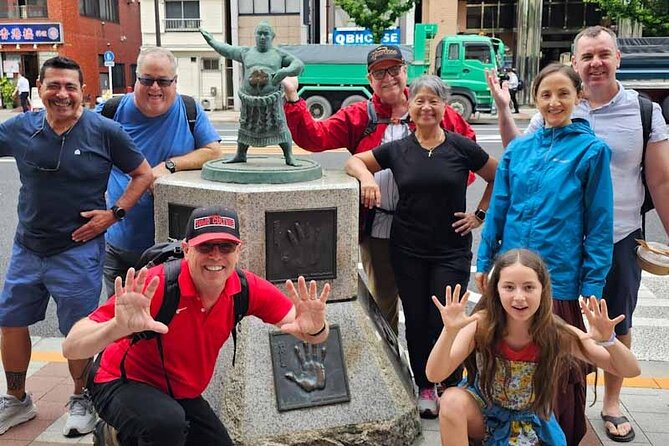
This is one of those activities where the match viewing really drives the whole experience. The crowd is a major part of it, and sumo fans can be as intense as big-league sports supporters back home.
The live atmosphere can also make sumo easier to follow. When you watch in person, you notice how fast the match changes the mood. Even small moments, footwork adjustments, belt tension, and the pre-contact pause feel more meaningful when you’re sitting close enough to see body language clearly.
Another detail that comes through in strong feedback is how memorable it is when the tournament includes notable wrestlers. Some write-ups mention being lucky enough to see higher-profile wrestlers, including moments around training. While your ticket entry is about the tournament itself, the general payoff stays the same: you are in the right place to see pro-level competition in a serious Japanese sports setting.
Seat upgrades: how to think about value
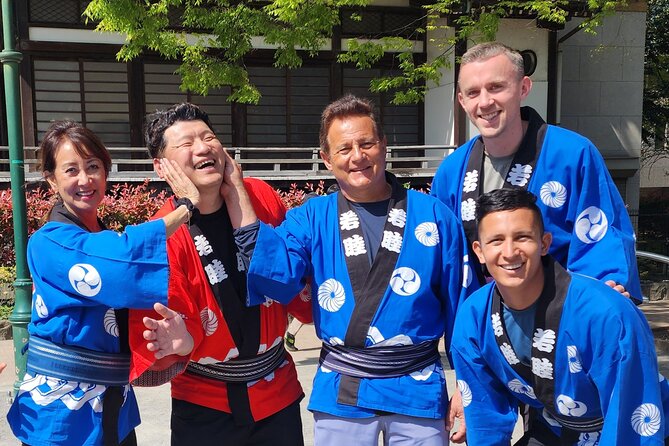
Your booking includes admission, and upgraded seats are available with an additional fee. Upgrades can be worth it because live sports is always a viewing game. In sumo, small differences in angle and distance can change how easy it is to track footwork and gripping moments.
But since this is a ticket-only experience, the baseline value is still the entry. You do not need the upgrade to have a meaningful match day. Think of the upgrade as a way to buy back comfort and clarity, not as a requirement.
My value lens for this $565 price
At $565 per person, you are paying for a few things that are hard to replicate yourself:
- Prebooking access to a popular tournament ticket
- Guaranteed participation in the experience as a simple ticket package
- A paper ticket that is handled as part of the purchase rather than you hunting around later
Is it cheap? No. But it can be good value if you would otherwise spend time and energy trying to secure tournament access during peak dates. If you are the type of traveler who likes building your own logistics, you might compare ticket options independently. If you prefer less stress and a clear plan, this format is meant for you.
Who this is best for, and who should rethink it
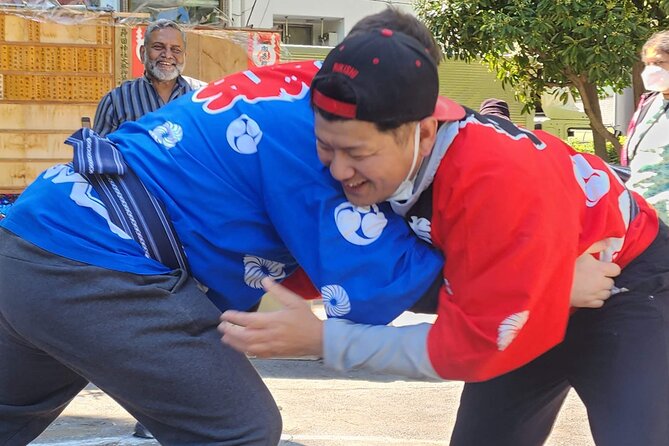
This experience is a solid match for:
- Sports fans who want live atmosphere, not just photos
- Travelers who value simple, prebooked access
- People who are comfortable navigating on their own, since there is no transportation included and the event is ticket entry
It may be less ideal for:
- Anyone who wants a full guided cultural walk as part of the ticket
- Travelers who strongly expect to see training stables or extra instruction on match day
- Anyone who hates holding paper documents, since your ticket is paper
One more note: the booking lists a maximum of 20 travelers, so the vibe should be more focused and less chaotic than huge group tours. Still, the arena crowd is the real crowd, and you should expect normal event busyness once you are in the venue area.
Quick planning checklist for your match day
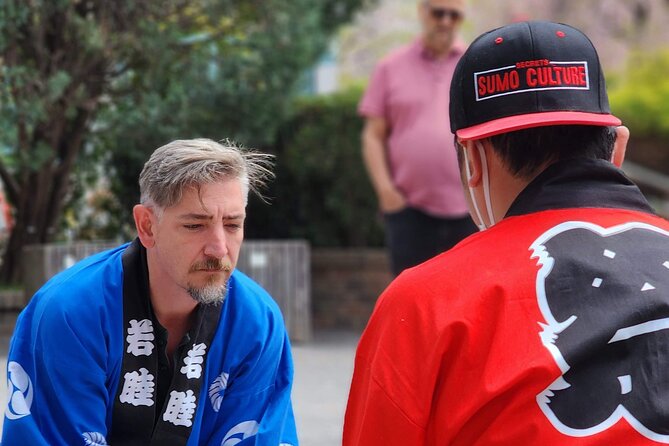
To make this ticket-only experience smooth, focus on these basics:
- Bring your paper ticket and keep it easy to reach
- Use the 10:00 am start time to plan meals and transit, don’t treat it as a loose suggestion
- Plan your return because the experience ends back at the meeting point
- If you want better sightlines, seriously consider seat upgrades early in your decision process
And if you are pairing this with other Tokyo or Osaka plans, treat it like a major event. Build buffer time around it. Sumo tournaments pull crowds, and you want your day to stay relaxed.
Should you book Tokyo Grand Sumo Tournament tickets?
If your goal is to see the Grand Sumo Tournament live with a straightforward, prebooked ticket, I think this is an easy yes. The combo of Ryogoku Kokugikan, a scheduled 10:00 am start, and the promise that admission is included is exactly what you want when you are trying to experience a top Japanese event without ticket hunting.
But if you are coming for a guided deep dive with lots of scheduled cultural extras, keep your expectations grounded. This is ticket-only, and the best value is in getting you into the match. For the full culture-plus-sumo package some people mention in connection with this operator, you will want to confirm what is included in your specific booking.
If you are flexible and you want the match first, book it. If you want more structure around it, verify add-ons before you pay.
FAQ
Where is the meeting point and when does the experience start?
The meeting point is Ryōgoku Edo NORENJapan, 130-0015 Tokyo, Sumida City, Yokoami, 1-chōme320 1階. The listed start time is 10:00 am.
How long is the Tokyo Grand Sumo Tournament ticket experience?
It is listed as 2 hours (approx.).
Which venues are used for the tournament?
For the Tokyo dates, the venue is Ryogoku Kokugikan. For Osaka dates, the experience is scheduled in Osaka.
Is the ticket paper or digital?
The experience uses a paper ticket.
Are seat upgrades available?
Yes. Upgraded seats are available with an additional fee.
Is this experience refundable or changeable?
No. It is non-refundable and cannot be changed for any reason.
More Tour Reviews in Tokyo
Not for you? Here's more nearby things to do in Tokyo we have reviewed





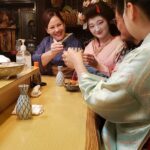


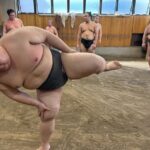
Tokyo Sumo Experiences, side by side.
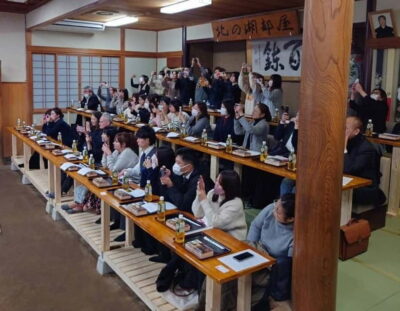 ★ 4.8Sumo Show and Dining ExperienceFrom $792,742 reviews
 ★ 5.0the SUMO showFrom $891,960 reviews
 ★ 5.0Tokyo Shinjuku Sumo Show & Experience with PhotoFrom $791,750 reviews
 ★ 4.8Sumo Show and Experience in ShinjukuFrom $691,001 reviews
 ★ 4.7Luxury Sumo Show Experience & Japanese cuisine & DrinkFrom $103577 reviews
 ★ 4.8Sumo Morning Practice Viewing TourFrom $81570 reviews
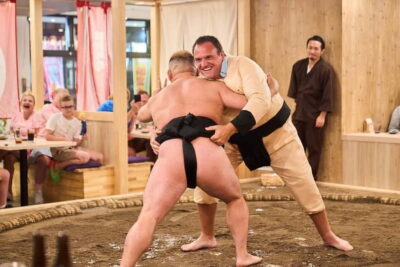 ★ 4.8Tokyo Sumo Experience: Chanko & Mochi with a Former ProFrom $103567 reviews
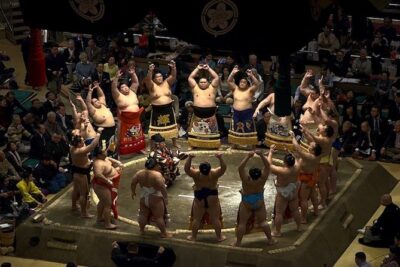 ★ 5.0Ultimate Sumo Tournament: Tokyo, Osaka, Nagoya, FukuokaFrom $184468 reviews
This tour also belongs to