
Review · TOKYO SUMO EXPERIENCES
Tokyo: Sumo Show and Dining Experience
Sumo is better with dinner. Tokyo Sumo Room in Kiyosumi-Shirakawa is a small, show-dining spot where former Makuuchi wrestler Tokitsumi helps you see sumo traditions clearly, and then you get close enough to understand the power and rhythm. I love the up-close bouts plus audience participation, and I also love how the meal is built around sumo flavors and portions. One consideration: this is not an official grand tournament event, so you are there for training-style matches, explanations, and hands-on fun, not for full-scale professional bouts and refereeing.
For a first-time visitor, that difference is a plus. The format is designed to teach you the rules and the meaning behind the rituals without turning the evening into a lecture. The vibe stays friendly, with English support and a host who keeps things moving.
If you want more than watching, you will probably be the type who enjoys getting into the ring. You should also plan for food timing based on your show slot, since the meal is only included with certain options.
Key points before you go
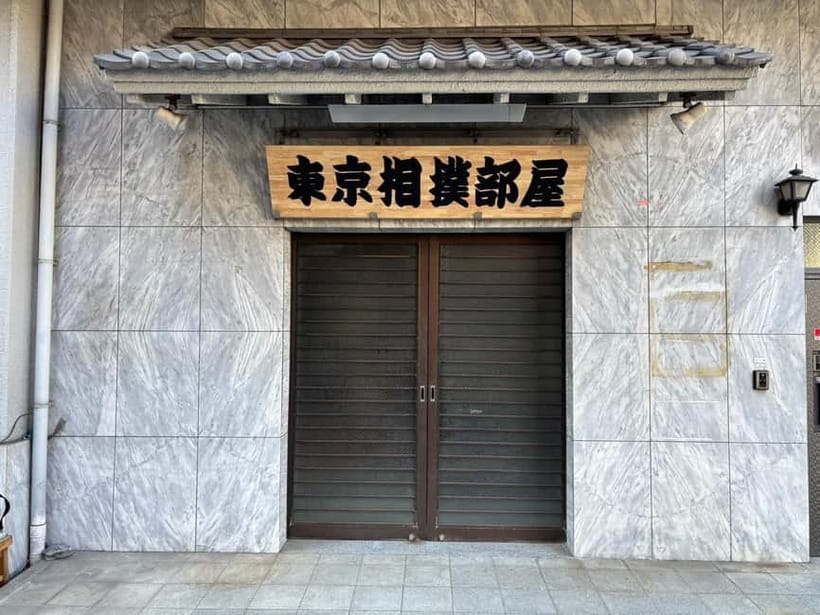
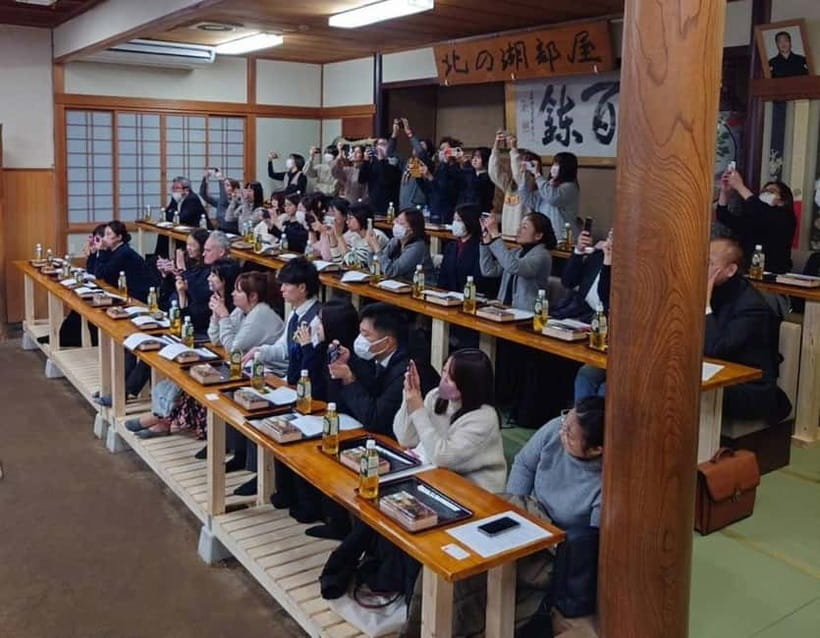
- Tokitsumi-led sumo at a former stable-style venue in Kiyosumi-Shirakawa
- Up-close sumo performance where you can actually see technique and strength
- Audience participation if you want to try a bout style practice in the ring
- Chanko-inspired Japanese dining that fits the sumo theme
- Meal inclusion depends on the show time, so check before you pick your slot
- Small-group feel (reports of about 8 on some nights, with the room able to handle up to around 20)
Tokyo Sumo Room setup: former wrestler, one small ring, and English hosts
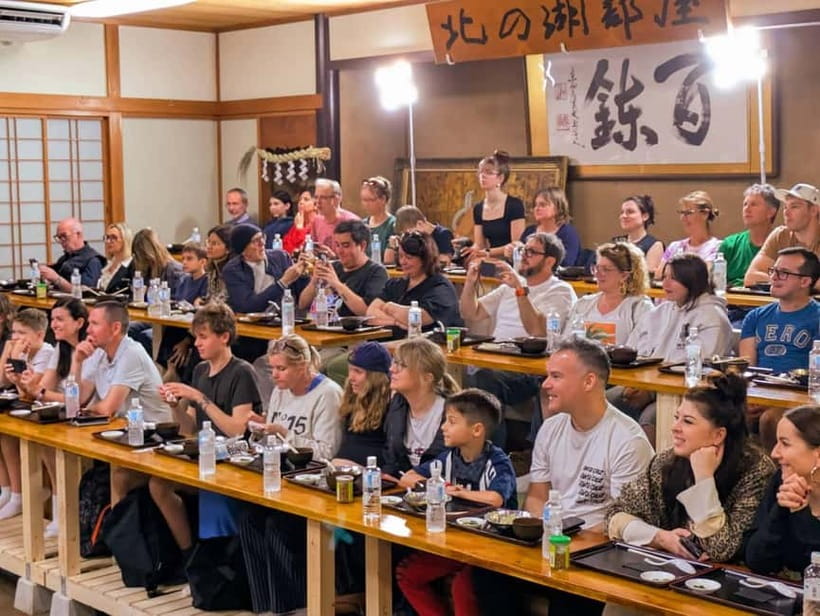
Tokyo can be a lot. This experience is refreshingly simple. Tokyo Sumo Room is a show restaurant linked to sumo culture, and it is run by people with real wrestling backgrounds. The big name to remember is Tokitsumi, a former Makuuchi wrestler. That matters, because the explanations feel like they come from lived experience, not from a script someone printed last week.
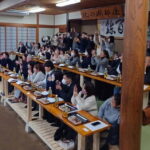
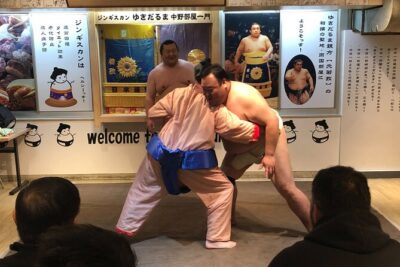
The room itself is intentionally close. You are not hidden behind rows of theater seats. Instead, you can see how wrestlers position their feet, how they handle distance, and how much force is involved even in short exchanges. When the host talks through what you are seeing, it stops being random motion and starts making sense.
A few other details make the whole thing easier to enjoy. English instruction is provided, so you are not stuck guessing at the rules. The venue is wheelchair accessible, so you can plan your visit without adding guesswork. And you bring comfortable shoes, not formal wear, because the evening includes standing, moving, and the option to participate.
You do not come here for silence and distance. You come here for a guided, hands-on introduction to sumo that keeps your brain engaged and your body involved if you want it.
More Tokyo tours and experiences for the shortlist
What the 90-minute flow feels like, from welcome to sumo bouts
Your visit runs about 90 minutes to 2 hours. The pacing is built around three phases: a short introduction, a performance segment, and then interactive parts, depending on the session.
First comes the welcome and setup. The host gives you the basics of what sumo looks like on the surface, then explains the logic behind the rituals and the rules. You will learn things like what counts as winning a bout and why the pre-fight behavior matters. It is the kind of briefing that helps even if you only know sumo from television clips.
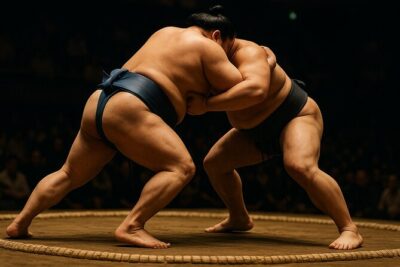
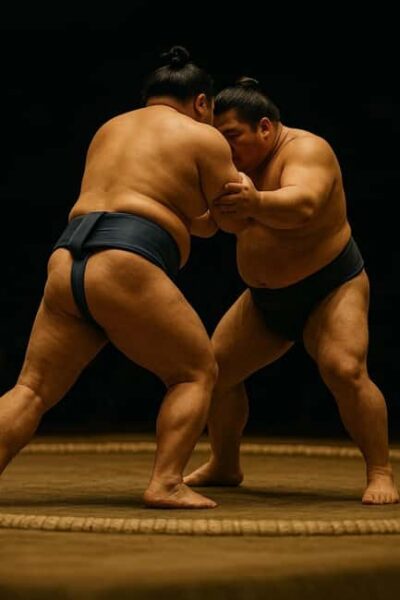
Then you watch. The sumo performance is up close, with enough proximity that you can notice details most people miss from far away. You see the intensity in their faces, the weight shift, and the way technique shows up in short bursts. Even if you do not know the sport yet, you can still feel the difference between strength and control.
After that, the most memorable part is the participation option. Some sessions include ring time where you simulate or practice a fight with the wrestlers. This is where the evening becomes personal. You go from understanding sumo to understanding why it is so hard, even for people who look athletic.
The whole flow stays light. A lot of the enjoyment comes from humor and quick audience engagement, so the explanations do not feel heavy. If you want an evening that teaches you something while also giving you a laugh, this format is built for that.
Learning the rules fast, then getting your turn
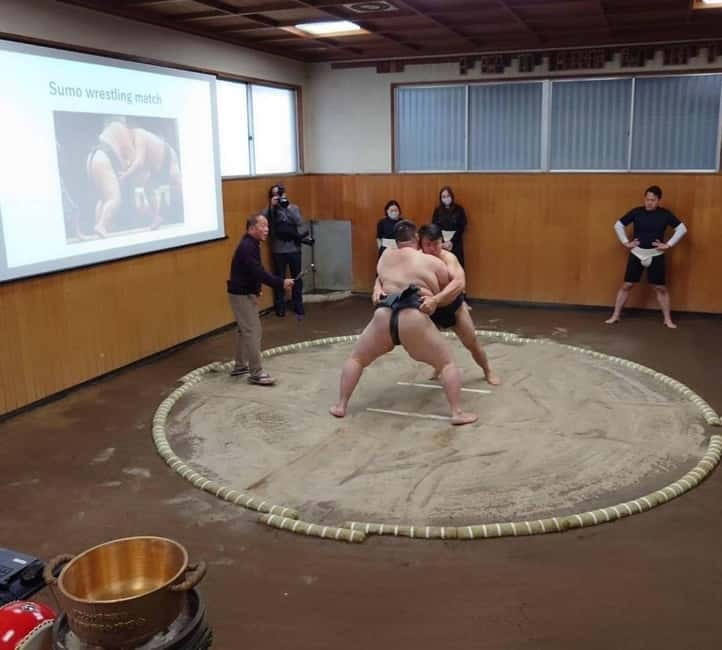
If you are on the fence about participating, I’d encourage you to say yes. The sumo lesson part does not just stay theoretical. You get a chance to try, and that is where most people start laughing at themselves and gaining respect for the wrestlers at the same time.
In the ring, you quickly learn how much wrestling is about balance, grip, and timing. Even a short “bout” style interaction turns into a real workout. That is one reason this experience gets called out as memorable. It is not just watching strong people. It is testing your own strength, coordination, and ability to follow instructions while someone trained in sumo is coaching you.
What I like about the participation option is that it is framed as practice, not a test you can fail. The wrestlers and hosts help you figure out what to do. One detail that comes up a lot is that the mawashi is not as uncomfortable as most people expect. Still, you should go in with realistic expectations: you are stepping into a sport that uses full-body leverage, and you will feel the effort.
If you have kids, this is often a winning move. Getting into the ring turns the show into a story they can retell. For solo travelers, it also works because the staff and wrestlers interact with you directly, not like you are a random seat number.
A possible drawback is timing. If you choose a show slot where the meal is not included, you might feel more rushed if you are hungry at the wrong moment. That is not a show-stopper, but it is smart to plan your food based on the time option you pick.
Chanko hot pot and Japanese dishes that fit a sumo night
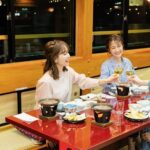
The dining is not just a side thing. It is part of the theme. The menu is designed to complement sumo culture, with dishes inspired by chankonabe, the hot pot style famously associated with sumo training meals.
The exact meal content depends on your selection, and this is where you should pay attention. The experience includes Japanese cuisine only when you select the meal option for the 11:00 AM show and the 7:00 PM show. If you go for the 3:00 PM show, a Japanese meal plan is not available. So if you want dinner included, do not assume every time slot comes with food.
If you pick the meal-included option, you should expect hearty, satisfying portions that feel like they belong with a wrestling day. Many people enjoy the hot pot style meal as a core comfort-food experience. A few also mention dessert highlights, including chestnut pudding. You can also find reports of ordering more food, so if you have a bigger appetite, it is worth asking what you can add during your meal service.
Dietary flexibility is a practical plus. Vegetarian options are available upon request, and they can also be modified on the day of your visit. That means you are not stuck with only side dishes if your diet has limits.
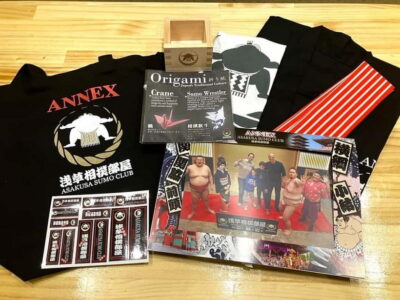
One more practical detail: bring your camera, because the experience is designed for memorable moments. Then eat while it is still comfortable to talk with your group. The pacing tends to be organized, so you are not hunting for food while the action happens.
Optional sumo training for the extra-curious
Watching sumo is one thing. If you want more, the venue offers authentic sumo training experiences as an optional add-on. These are guided by experienced rikishi, so the emphasis is on technique and training habits, not just performance.
What this is really for is your curiosity level. If you want a deeper look at how sumo wrestlers build strength and coordination, the training option can turn a fun night into something you carry home, like a better understanding of what your eyes should look for during sumo bouts.
The data also notes that the instructor language is English. That helps a lot if you do not read Japanese, because you can actually connect the movements to explanations.
If you are already tight on time, the basic show-only format still gives you the core experience: you learn the traditions, you watch close-up action, and you have a chance to participate. The optional training is for people who want extra practice time and extra coaching.
More Tokyo tours and experiences for the shortlist


Price at $79: what you get, and when it’s the best value
At $79 per person, this can feel like a lot if you compare it to a standard theater ticket. But in practice, the value changes depending on your meal and your comfort with participation.
Here is what the price includes. You get the sumo performances. If you choose the meal-included option for the 11:00 AM or 7:00 PM show, you also get Japanese cuisine. There is also the chance to add authentic sumo training experiences optionally.
So the best value angle is this: you are paying for an experience that combines instruction, close-up viewing, participation, and (for certain slots) a full Japanese meal. In Tokyo, the “experience plus food” combo can add up quickly if bought separately. This makes the fixed price feel more reasonable, especially if you plan to eat anyway.
It also helps that the venue feels small and personal. Some nights are reported as small group sessions, which usually means you get more direct attention and more chance to participate. That matters for value, because it turns a show into an interaction.
A possible consideration is transportation. Transport to and from the venue is not included, so budget time and transit costs. The good news is that the location in Kiyosumi-Shirakawa is accessible by public transport.
If you are the type who likes hands-on cultural experiences, I think this is priced fairly. If you only want quiet viewing with zero participation, you might feel less satisfied, because the format encourages interaction.
Practical tips for a smooth visit (what to wear, shoot, and avoid)
This is a shoes-first evening. Bring comfortable shoes. You will stand, move, and potentially step into ring-style practice. Even if you skip full participation, comfortable shoes make the night easier.
Bring a camera if you want to capture the experience. The venue is designed for close viewing and personal moments, so photos tend to be part of the memory.
Smoking indoors is not allowed. That is a simple rule, but it can matter if you are planning a quick break before or after the show.
Vegetarian travelers should request vegetarian options ahead of time if possible. The experience says vegetarian options are available upon request and can be modified on the day of your visit, which gives you some flexibility.
Wheelchair accessibility is listed, so you can plan without needing extra accommodations beyond normal mobility planning.
If you are coming from central Tokyo, build in a little extra time for transit. The show itself is a set duration, so you want to arrive before the briefing starts.
Should you book Tokyo Sumo Room?
Book it if you want a Tokyo activity that is both cultural and physical, with teaching that stays clear and a setting that keeps you close to the action. If you like doing something instead of just looking, the participation option is the reason this works. It is also a great fit for families, since kids often enjoy the mix of humor, food, and getting into the ring.
Pass or adjust your expectations if you are expecting an official tournament style event. This is training-style sumo performance and instruction, plus hands-on fun. You come for learning, not for the full grand tournament spectacle.
My simple decision rule: if you plan to choose the meal-included slot (11:00 AM or 7:00 PM) and you are willing to try the ring practice at least once, this is a strong value for Tokyo.
If you do not care about the meal and just want the show, choose the time that works best for your schedule, but keep in mind the 3:00 PM option does not include a Japanese meal plan.
FAQ
How long is the Tokyo Sumo Room experience?
It lasts about 90 minutes to 2 hours.
What is included in the price?
The price includes sumo performances. Japanese cuisine is included when you choose the meal option for the 11:00 AM and 7:00 PM shows. Authentic sumo training experiences are optional.
Is dinner included for every show time?
No. Japanese cuisine is included only with the meal option for the 11:00 AM show and the 7:00 PM show. The 3:00 PM show does not have a meal plan available.
What languages are offered?
English instruction is provided.
Is the venue wheelchair accessible?
Yes, the venue is listed as wheelchair accessible.
What should I bring?
Bring comfortable shoes and a camera.
Are there any rules about food or smoking?
Smoking indoors is not allowed.
Are vegetarian options available?
Yes. Vegetarian options are available upon request and can also be modified on the day of your visit.
Can I cancel, and how late?
You can cancel up to 24 hours in advance for a full refund.
Where is the venue, and is it easy to reach?
The venue is in Kiyosumi-Shirakawa and is accessible by public transport. Transportation to and from the venue is not included.
More Dinner Experiences in Tokyo
More Dining Experiences in Tokyo
More Tour Reviews in Tokyo






Not for you? Here's more nearby things to do in Tokyo we have reviewed



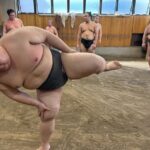
Tokyo Sumo Experiences, side by side.
 ★ 5.0the SUMO showFrom $891,960 reviews
 ★ 5.0Tokyo Shinjuku Sumo Show & Experience with PhotoFrom $791,750 reviews
 ★ 4.8Sumo Show and Experience in ShinjukuFrom $691,001 reviews
 ★ 4.7Luxury Sumo Show Experience & Japanese cuisine & DrinkFrom $103577 reviews
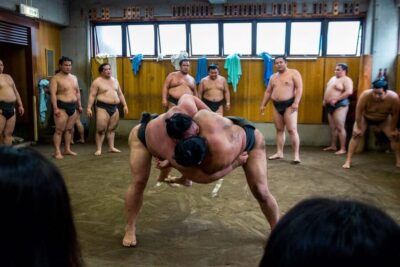 ★ 4.8Sumo Morning Practice Viewing TourFrom $81570 reviews
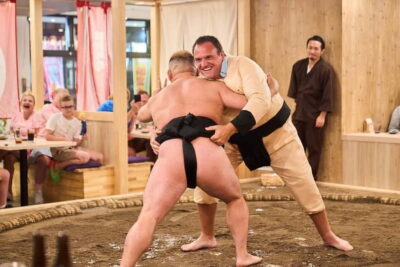 ★ 4.8Tokyo Sumo Experience: Chanko & Mochi with a Former ProFrom $103567 reviews
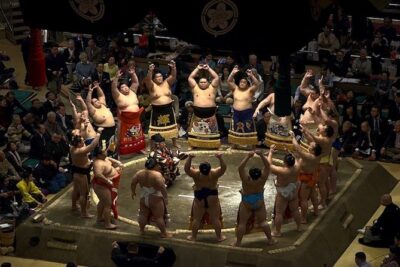 ★ 5.0Ultimate Sumo Tournament: Tokyo, Osaka, Nagoya, FukuokaFrom $184468 reviews
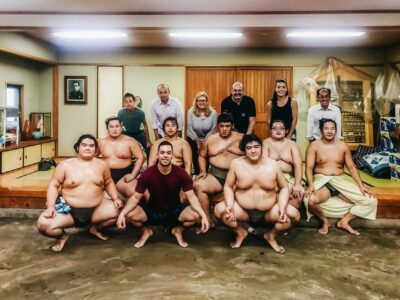 ★ 4.4Sumo Morning Training VisitFrom $77370 reviews
This tour also belongs to