
Review · TOKYO SUMO EXPERIENCES
Ultimate Sumo Tournament: Tokyo, Osaka, Nagoya, Fukuoka
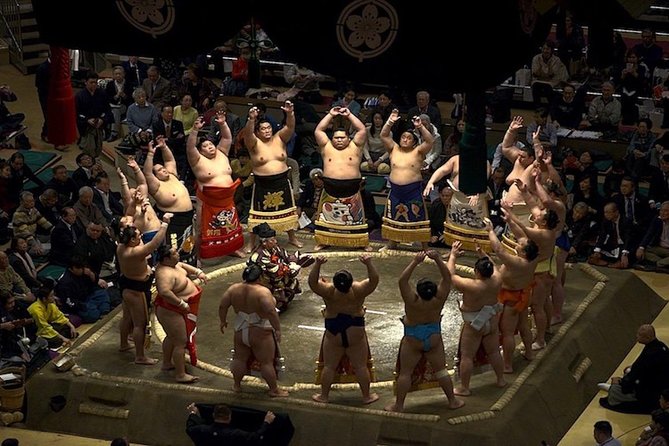
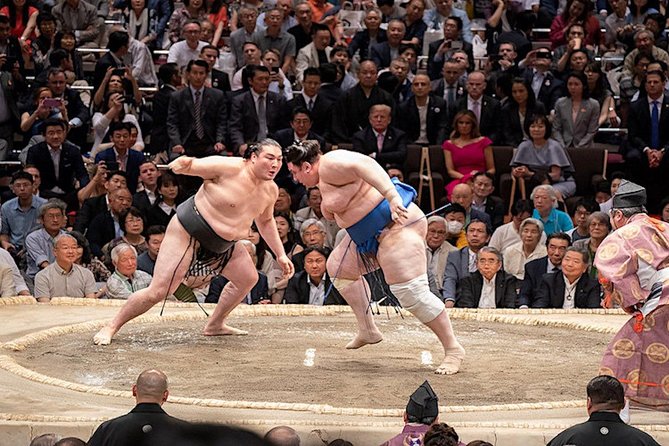
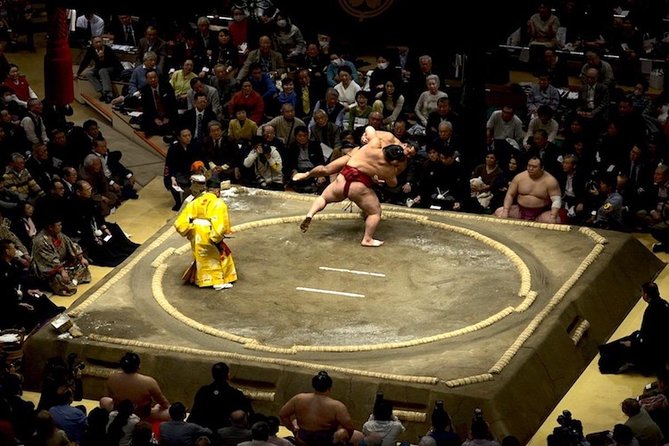
Sumo is one part sport, one part ritual, one part show. This experience gives you reserved seats and an English-speaking local sumo expert to translate what you are seeing, step by step, with audio support. I also like that the company handles ticketing, since sumo tickets can be brutally hard to secure on your own, and I do not want to waste vacation time on that hunt. One drawback to know up front: the standard option is typically second-floor B or C seats, so you get a great view, but not the close-up ring experience.
You can match the tournament to your trip by choosing dates in Tokyo, Osaka, Nagoya, or Fukuoka, depending on the season. If you pick the add-on, you can also finish the day with chanko nabe, sumo wrestlers’ famous hot pot, including a vegetarian option. It is a focused 4-hour arena experience, starting at 2:00 pm, and it works best if you want context, not just seats.
Key things I would plan around
- Expert guide, audio headset included so you can hear explanations even in a loud arena
- Reserved seating with a clear standard vs private seat upgrade (B/C vs A/S)
- Banzuke-hyo ranking chart and sumo pamphlet to help you follow who is who
- Pick the right city by season (Tokyo, Osaka, Nagoya, Fukuoka basho months)
- Optional chanko nabe dinner with vegetarian accommodations available
- Off-season option is a stable practice morning near Warabi, not tournament seats
Why a sumo basho feels confusing until someone explains it
Sumo has rules you do not learn by watching one bout. The movements are fast, the meaning is subtle, and the rankings matter. That is why I like this tour format. You get an English-speaking local sumo expert who points out what is happening, why it happens, and how it connects to tradition.
In practice, this is the difference between feeling like you are watching a sport and feeling like you are watching a whole system. The guide brings tools like a banzuke-hyo ranking chart, plus an info pamphlet, so you can follow the day’s matchups without needing to research in advance.
The guide also changes the pace of your day in a good way. Some guides go heavy on history and rituals, others focus more on technique and how to read each wrestler’s style. I saw names like Miyko, Hiro, Izumi, Seizo, Taku, Duke, Junka, Shunsuke, and Yumi mentioned in past experiences, and the common thread is clear commentary timed to the bouts so you can keep up. Audio headsets help a lot. One tip worth listening to: at least one participant said the headset volume can feel loud, even on the lowest setting, so bringing ear plugs is smart if you are sensitive to volume.
You can also read our reviews of more tours and experiences in Tokyo.

Price and seat value at Ryogoku Kokugikan and the other basho arenas
The price is $184.38 per person, and value depends on which seat level you choose.
Here is the deal as it is presented:
- Standard tour typically uses B-class or C-class seats on the second floor.
- Private tour typically uses S-class or A-class seats, closer to the ring.
The tour package includes the reserved seat ticket and a service fee for ticket arrangement and seating allocation. That matters because sumo tickets are not the kind of thing you reliably buy last minute as a tourist. If you are traveling with limited time, paying for seat certainty is usually money well spent.
Also look for group discounts if you are traveling with friends or family. This experience is designed for group tours (with a cap of around 20 people in the same area for the join-in option), so splitting the planning load is part of what you are paying for.
A fair way to decide: if your priority is seeing the ring as closely as possible, you will likely prefer the private seat tier. If your priority is a clear cultural and match-by-match explanation, the standard seats still make sense because the guide and headset do a lot of the heavy lifting.
How the 2:00 pm arena visit actually flows
This tour runs about 4 hours at the tournament. The start time is 2:00 pm and you meet near public transportation. Exact meeting-point directions are sent by email at least one week before.
From there, expect a practical rhythm:
- You gather and get a quick walkthrough to orient yourself.
- You head into the arena.
- Depending on the schedule, there may be a wait before seating, because the group enters after matches end.
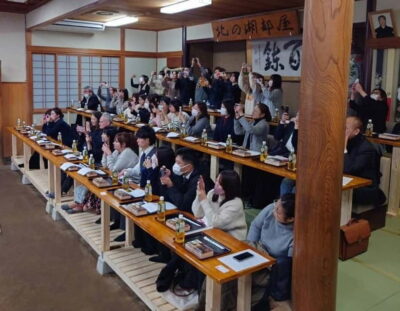
- The guide uses audio headsets to explain what you are seeing while you are seated.
One small operational detail can affect your timing. The tour may include time around the Sumo Museum area, but congestion can make it hard for a large group to move through comfortably. In those cases, the guide may encourage you to explore on your own since the group might be slow to navigate.
Once you are seated, you can also spend time on arena food and shopping. Vendors are available inside, and you will generally have some room to do that before bouts start. One participant mentioned the soft-serve ice cream on the second floor as a nice treat after being in your seat for the early part of the program.
Tokyo at Ryogoku Kokugikan: the sumo home base
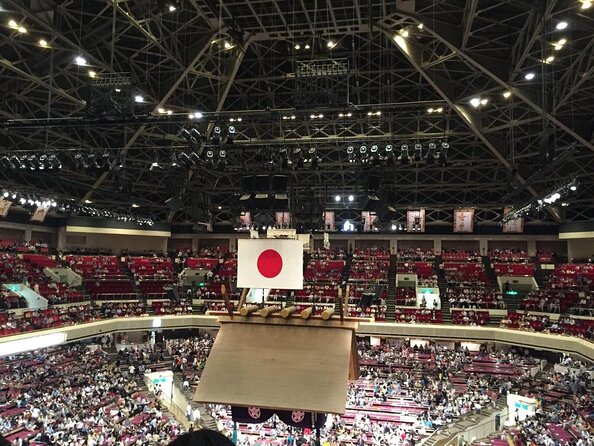
If you want the classic sumo setting, Tokyo is the obvious choice, and the tour centers on Ryogoku Kokugikan, Japan’s official sumo arena.
For the standard seat setup, you should expect second-floor B or C chair seats, including rows 7 to 11. That is high enough to see action from multiple angles, and it is a good balance for first-timers who just want to watch clearly without needing to fight for the closest seats.
One reason Tokyo is special is the sheer cultural weight of the neighborhood. Chanko nabe itself has a connection to the Ryogoku area, which makes the optional dinner feel like more than a random meal. If you add the dinner, you are basically extending the sumo day into the food culture that surrounds it.
What you will watch matters too. One experience summary described seeing top-division bouts (makuuchi) and about half of the second-division bouts (juryo), which gives you a lot more variety than just a few matches. In other words, it is not only about one dramatic bout. It is the rhythm of the whole day.
Tokyo is also a good city for planning comfort. One participant noted the arena runs warm, so I would plan to dress lightly. If you tend to get cold easily in indoor spaces, bring a light layer for the after-portion rather than heavy clothing that makes you sweat during long seating time.
Osaka, Nagoya, and Fukuoka: same sport, different tournament stops
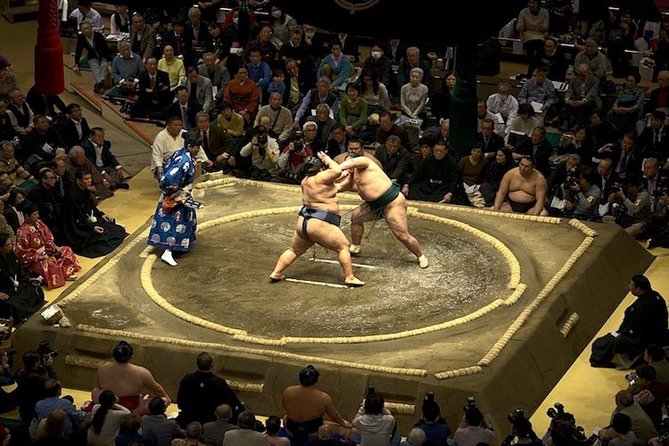
The same format shows up across cities, but the arenas change. You can choose depending on the season:
- Osaka at EDION Arena Osaka during the March tournament
- Nagoya at IG Arena during the July tournament
- Fukuoka at Fukuoka Kokusai Center during the November tournament
Tokyo also hosts multiple basho. The schedule in Japan is:
- January: Tokyo
- March: Osaka
- May: Tokyo
- July: Nagoya
- September: Tokyo
- November: Fukuoka
So if you are building an itinerary around sumo, you should anchor your travel dates to the month and then decide which city fits your overall route.
A practical note: Osaka, Nagoya, and Fukuoka are all “official tournament” settings, so the atmosphere is legit in each location. The key difference you will feel is how easy the area is to navigate and how your travel timing lines up with local day trips. If you are already in the Kansai region, Osaka can be the simplest match.
Chanko nabe dinner add-on: when it makes sense
The optional dinner is chanko hot pot, sumo wrestlers’ traditional stew. The default dinner option includes the meal without drinks, and the restaurant can substitute the broth if you request vegetarian.
What I find useful is that this tour gives you built-in cultural context around the food you just watched. Chanko is connected to the Ryogoku area, and the basics are straightforward: chicken-stock style broth with vegetables, and it is traditionally a high-volume meal that works for training schedules.
Dietary needs are handled through a request at checkout. The information provided also notes that once your dinner request is accepted, changes cannot be made within one week of the tour date. If you are close to that window and you need an adjustment, you should plan earlier rather than later.
Is the dinner necessary? No. Some people prefer the post-bout atmosphere near their hotel. But if you want a full sumo day, the meal add-on can be a satisfying way to extend the theme without making your evening planning harder.
Off-season sumo stable practice near Warabi Station (no tournament seats)
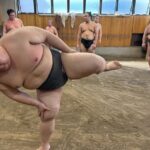
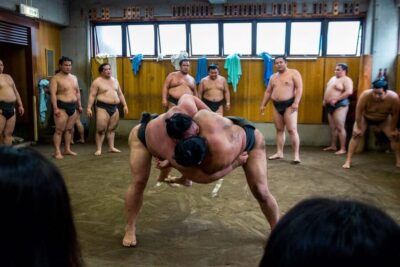
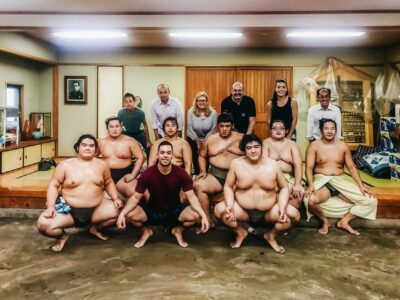
If your timing is in the off-season, you might not be able to attend the actual basho matches. In that case, the tour can offer a different experience: sumo stable morning practice.
This option runs from 8:00 am to 12:00 pm and meets near Warabi Station, about 30 minutes from Tokyo Station. It is a join-in group with 8 to 16 people. The big trade-off is simple: you will visit a stable and watch training, but you will not have tournament seat tickets, because there is no tournament happening that day.
Why people like it: stable practice gives you a look at discipline and routine you do not see from the stands. You also get lunch after the session, and that lunch is described as a chanko meal.
If your main goal is tournament drama and match explanations, the arena tour is still the better fit. If your main goal is hands-on culture and you happen to travel in an off-basho month, the stable morning can be a very meaningful substitute.
What to do in the arena if you want a smoother day
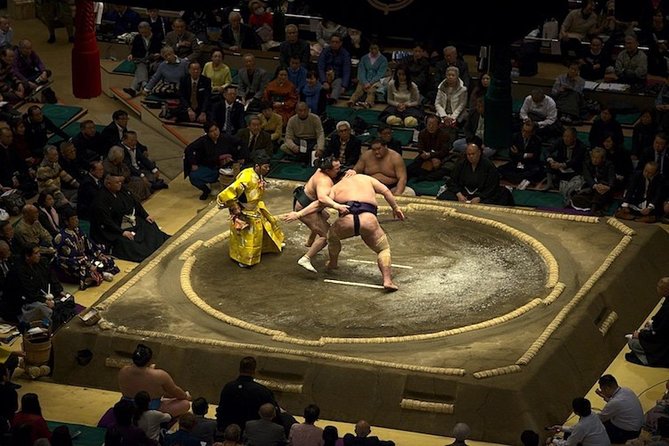
A sumo arena day can be busy, and the tour is set up to reduce stress. Here are the practical tips I would follow:
- Expect a wait before seating since entry may only happen after matches end.
- Do not bring outside food or drinks into the arena. Vendors inside offer food and drinks.
- Wear light clothing, since one participant mentioned the Tokyo arena can run warm.
- If you are sensitive to loud sound, bring ear plugs because headset volume can feel loud even on low.
- Use the guide’s timing. When the guide points out a bout feature, you will get more out of watching it immediately rather than saving questions.
The other value is that you get a sense of which wrestlers to watch for and how to interpret quick moments. One participant described how fast matches are and how a guide telling you who has form, where they sit in rankings, and how they fight can make the experience click. That is the kind of difference that makes your seat feel “worth it,” even if you are not in the closest tier.
Is this tour worth booking for your trip?
I think this is a strong booking when:
- You have limited time in Japan and want the sumo tournament experience without ticket stress.
- You are new to sumo and want clear explanations timed to what you see.
- You care about getting the structure of the sport, not just watching random action.
- You want the optional chanko nabe dinner to complete the theme.
I would be a bit cautious if:
- You specifically want very detailed technical breakdowns of every match moment. The tour is designed to explain rules, culture, and what is happening, but one participant had the opposite experience and felt explanations did not go far enough.
- You are picky about seat distance. Standard B or C second-floor seats can feel farther from the ring than you imagine. If ring closeness is your top priority, consider the private seat tier.
One more practical point. This experience depends on tickets released by the Sumo Association and on availability for the selected date. If tickets cannot be obtained for your specific date, the tour provider will notify you within four weeks and offer an alternative date or a full refund. That is the kind of uncertainty you should build into your planning.
If your schedule lines up with a basho month, and you want guided clarity plus reserved seats, this is one of the easier ways to make sumo feel understandable on day one.
FAQ
Which cities and months are included for the sumo tournaments?
You can attend tournaments in Tokyo, Osaka, Nagoya, or Fukuoka depending on the season. The official basho months are: January Tokyo, March Osaka, May Tokyo, July Nagoya, September Tokyo, and November Fukuoka.
What time does the arena portion start?
The tournament tour meeting time is 2:00 pm. The stable practice option, when offered in the off-season, runs from 8:00 am to 12:00 pm.
What seat level do I get with the standard vs private option?
The standard tour includes B-class or C-class seats on the second floor (rows 7 to 11 for B or C chair seats). The private tour includes S-class or A-class seats closer to the ring.
Do I get a guide and can I hear the explanations clearly?
Yes. The tour includes an English-speaking tour guide who is a local sumo expert, and audio headsets are provided so you can hear the guide during the tournament.
Is chanko dinner included?
Dinner is optional. If you select it, you get chanko hot pot at a local restaurant, and a vegetarian option is available. The default dinner is chanko hot pot without drinks.
Can I bring outside food or drinks into the arena?
No. Outside food and drinks are not allowed in the arena, but you can buy food from vendors inside.
Is there an option if my dates are in the off-season?
Yes. During off-season, you can join a sumo stable morning practice near Warabi Station (about 30 minutes from Tokyo Station). This option includes the stable visit and chanko lunch, but it does not include tournament seat tickets.
How far in advance should I book to get the best chance of tickets?
Booking early is recommended. Ideally book about 3 months before your travel date, and at least 1 month ahead. Tickets are released about 4 to 7 weeks before the tour date, and if tickets cannot be obtained you will be notified within 4 weeks with an alternative date or a full refund.
What happens if it is canceled due to weather, or if I cancel my booking?
If the experience is canceled due to poor weather or if the minimum traveler count is not met, you are offered a different date or a full refund. If you cancel or request an amendment, the booking is non-refundable and cannot be changed for any reason.
More Tour Reviews in Tokyo
Not for you? Here's more nearby things to do in Tokyo we have reviewed


Tokyo Sumo Experiences, side by side.
 ★ 4.8Sumo Show and Dining ExperienceFrom $792,742 reviews
 ★ 5.0the SUMO showFrom $891,960 reviews
 ★ 5.0Tokyo Shinjuku Sumo Show & Experience with PhotoFrom $791,750 reviews
 ★ 4.8Sumo Show and Experience in ShinjukuFrom $691,001 reviews
 ★ 4.7Luxury Sumo Show Experience & Japanese cuisine & DrinkFrom $103577 reviews
 ★ 4.8Sumo Morning Practice Viewing TourFrom $81570 reviews
 ★ 4.8Tokyo Sumo Experience: Chanko & Mochi with a Former ProFrom $103567 reviews
 ★ 4.4Sumo Morning Training VisitFrom $77370 reviews
This tour also belongs to