
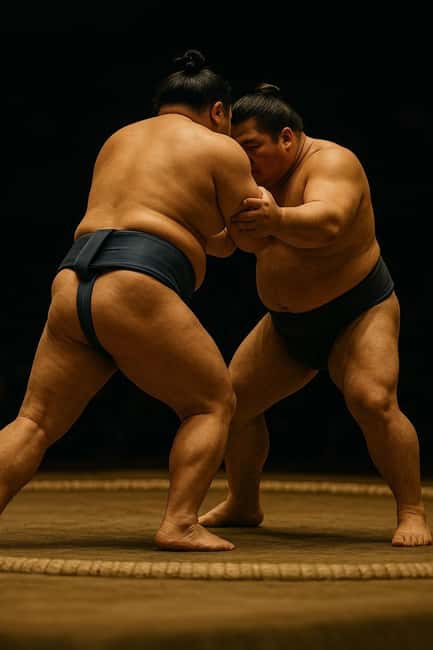
Review · SHINJUKU TOURS
Tokyo: Sumo Show and Experience in Shinjuku
Sumo hits different when it happens live. This Shinjuku experience brings professional wrestlers into an English-guided session, with live sparring plus a chance to step onto the dohyo yourself. It is a rare mix of sport, ceremony, and crowd energy in the middle of a busy Tokyo neighborhood.
I really like two parts in particular. First, the English-speaking MC explains what you are seeing, from the big stomps to salt-throwing rituals, so it actually makes sense. Second, the highlight is personal, you get a traditional outfit and a go at challenging a sumo wrestler, not just watching from your seat.
One thing to plan carefully: this is not a tournament, and the venue runs on a strict schedule. Late entry can be refused at the front desk, and entry is only allowed through a specific front entrance near Daiso, so arrive with a little buffer.
Key things to know before you go
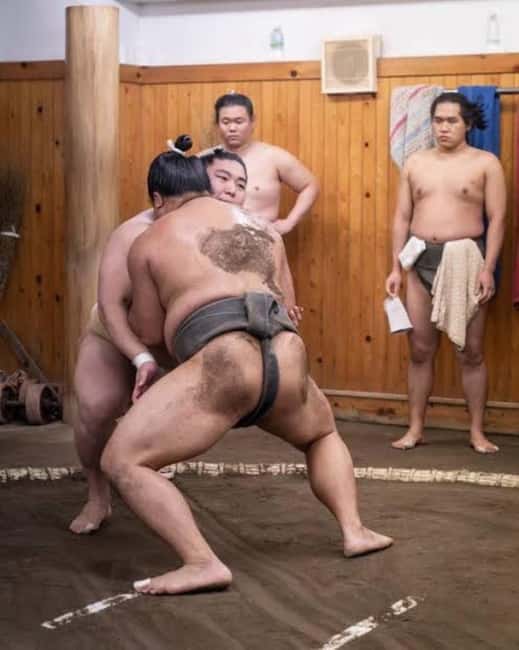
- Watch live sparring matches with professional sumo wrestlers, not just a staged demo
- Learn the ceremony fast with an English MC explaining rituals and techniques as the show moves
- See key sumo moments up close, including shiko (foot stomping) and salt throwing
- Wear a traditional sumo outfit and step into the ring area during the challenge portion
- Challenge a rikishi yourself, which is where the experience turns from entertainment into a story you keep
- No food is included, so plan a snack stop before or after
Sumo in Shinjuku: what this 90-minute show really is
This is a compact, organized sumo event in the heart of Shinjuku, built for first-time visitors. You get pro wrestlers, a guided explanation in English, and then a participation moment that feels like a Tokyo postcard you helped make, not a passive ticket.
The big expectation-setting point is that it is not a tournament. Think of it as training, technique, and ritual presented clearly, with a couple of live sparring elements to show how the sport really works.
Because it is only 90 minutes, it is also ideal if you are balancing a busy itinerary. You can slot it between shopping, dinner plans, or an evening walk without your whole day turning into a logistics puzzle.
More Tokyo tours and experiences for the shortlist

Getting to Sekisaku Building in Shinjuku without missing the start
Your meeting point is the second floor of the Sekisaku Building in Shinjuku. Plan to arrive early, because late entry may not be accepted by the front desk, since the show follows a time schedule.
Entry is only permitted through the front of the building facing the main door next to Daiso. That sounds minor until you are standing in Shinjuku with directions in your head and a countdown on your phone, so I suggest you do a quick street-level check before you commit.
If you hate rushing, treat this like a performance with a start time, not a flexible drop-in. The good news is the show itself is worth prioritizing, so arriving early feels like part of the fun.
The main event: live sparring, shiko stomps, and salt-throwing rituals
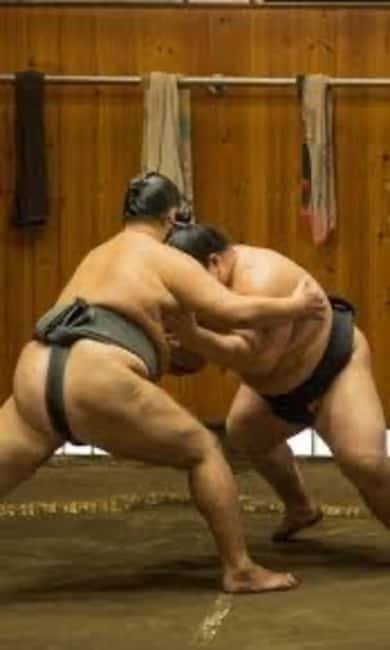
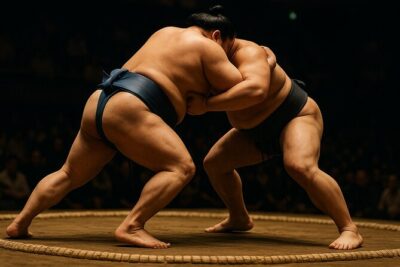
The heart of the experience is watching professional sumo wrestlers showcase techniques and rituals. Expect moments that look theatrical at first, then make more sense as the MC explains what is happening and why.
You will see shiko, the powerful foot stomping, and salt throwing, both tied to tradition and mindset. These are the kinds of details that are easy to miss when you only watch sumo clips online, but they land differently when you are close enough to feel the rhythm and impact.
The show also includes intense live sparring matches. Even though this is not a tournament, it still gives you a real sense of how fast grappling turns into leverage, balance, and momentum.
In short, you are not just watching bodies collide. You are watching a sport with rules, training logic, and a strong sense of ceremony.
English explanations that make the rules click
A big reason this experience earns high marks is the way it teaches without overcomplicating. The MC runs the show in English and gives context for the rituals and techniques, which means you spend less time wondering and more time watching.
I like that the explanation is tied to what is happening on the dohyo, so you are learning in real time. When the MC breaks down what a move is trying to do, you start noticing the setup, not just the final result.
Recent hosts called out in bookings include Dai and Paula, with others like Ari and Ali also mentioned. The names may vary by date, but the pattern stays consistent: the MC keeps the room engaged, explains clearly, and stays interactive.
This is especially helpful if you are a first-timer who only knows sumo from TV. With the right guidance, you quickly pick up what to watch for, like pushing and footwork cues, and why balance matters more than raw size.
Stepping into the dohyo: suiting up and challenging a wrestler
After the matches and explanations, the experience shifts into the hands-on highlight. You get the chance to wear a traditional sumo outfit and then challenge a sumo wrestler yourself.
This is where the event stops being only educational. It becomes personal and funny in the best way, because you are suddenly in the same space and posture that you just watched pros use with total control.
Do not expect to win, and do not treat it like a real fight. It is an organized participation moment designed to let you feel the scale, stance, and force involved in sumo.
The wrestlers are also part of the charm here. Many bookings mention a friendly, approachable vibe and even photo opportunities after the main event, so bring a phone with good battery and plan to enjoy the moment rather than rush through it.
If you are traveling with kids, this part is usually a huge win. A lot of families come for sumo, then remember the challenge portion for years because it is a shared memory you can re-tell.





Value and timing: what $69 buys you in real terms
At $69 per person for 90 minutes, the value comes from the mix. You are paying for more than a show, you are paying for English guidance, professional sparring, and the rare participation element of stepping into a sumo ring with a traditional outfit.
A lot of Tokyo cultural tickets are either pure performance or pure observation. This one blends both, and that reduces the risk of paying for something that turns out to be less engaging than you hoped.
Included in the price is a welcome drink, bottled water, plus the English-speaking MC, pro wrestling matches, outfit time, and the chance to challenge a wrestler. Food is not included, so plan ahead for a snack or meal around the show, especially if you are hungry after a day in Shinjuku.
If you are comparing options, think about what you want most. If you want cinematic sumo action only, you might prefer a tournament day or broadcast viewing. If you want to understand the sport and then participate in it, this format is a strong match.
Who should book this Shinjuku sumo experience (and who might rethink)
I think this experience is a great fit for:
- First-time visitors to sumo who want the culture and rules explained
- Families who want something active and memorable, not just a seated lecture
- People who prefer guided experiences in English in a city where you are constantly translating on the go
- Anyone who likes Japan for both tradition and human interaction, because the MC and wrestlers keep it personal
You might want to reconsider if you are specifically hunting for a full tournament structure. This is not that. It is a curated show with live sparring and demonstrations, plus participation.
Also, if you hate being on a schedule, take seriously the note that late entry may be denied. The venue has a time plan, and it expects everyone to arrive on time.
Finally, if you are very budget-sensitive, this is still a fair price for the included participation and English guidance. But if you want the cheapest possible way to see sumo elements, you will find other ways to experience sumo culture in Japan that cost less.
The bottom line: should you book?
If you want a sumo experience that is easy to follow, genuinely interactive, and set in Shinjuku rather than a faraway venue, I would book it. The best part is not just watching pro wrestlers, it is understanding what you are seeing and then stepping into the ring area yourself.
Just arrive early, enter through the correct main door near Daiso, and keep your expectations aligned with the format: not a tournament, but a well-run show with live sparring and a challenge moment.
If you are looking for a single Tokyo activity that turns into a story, this one is built for that.
FAQ
Where is the meeting point for this Shinjuku sumo experience?
You meet at the second floor of Sekisaku Building in Shinjuku.
How long does the experience last?
The duration is 90 minutes.
What is included in the ticket price?
It includes professional sumo wrestling matches, an English-speaking MC, a welcome drink (bottled water), the chance to wear a traditional sumo outfit, and an opportunity to challenge sumo wrestlers.
Is this a tournament?
No. This is not a tournament.
Is food included?
No, food is not included.
What language is the tour guide?
The show is guided in English.
What is the cancellation policy?
Free cancellation is available up to 24 hours in advance for a full refund.
More Shows & Entertainment in Tokyo


More Tour Reviews in Tokyo
Not for you? Here's more nearby things to do in Tokyo we have reviewed












Shinjuku Tours, side by side.
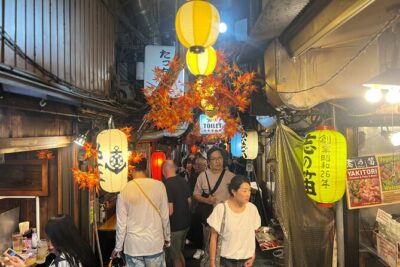 ★ 5.0Shinjuku Food Tour (13 Dishes at 4 Local Eateries)From $866,603 reviews
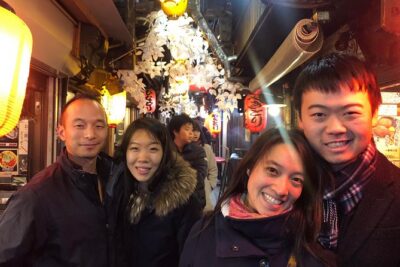 ★ 5.0Tokyo Bar Hopping Tour in Shinjuku (All-You-Can-Drink + Dinner)From $1063,587 reviews
 ★ 4.9Shinjuku Food Tour (15 Dishes and 4 Eateries)From $852,033 reviews
 ★ 5.0Best of Shinjuku: Izakaya Food Tour (4 Stops, 14+ Tastings)From $921,863 reviews
 ★ 4.9Shinjuku Local Bar and Izakaya Guided Walking TourFrom $341,794 reviews
 ★ 5.0Tokyo Shinjuku Chopsticks Making ClassFrom $201,763 reviews
 ★ 5.0Tokyo Shinjuku Sumo Show & Experience with PhotoFrom $791,750 reviews
 ★ 5.0Tokyo Night Foodie Tour in Shinjuku – Seasonal Sushi, Wagyu BeefFrom $1111,161 reviews
This tour also belongs to