
Review · FOOD & DRINK
Experience all of Japanese culture and Japanese food experience classes “origami, udon, Japanese food, green tea, calligraphy” in 4 hours
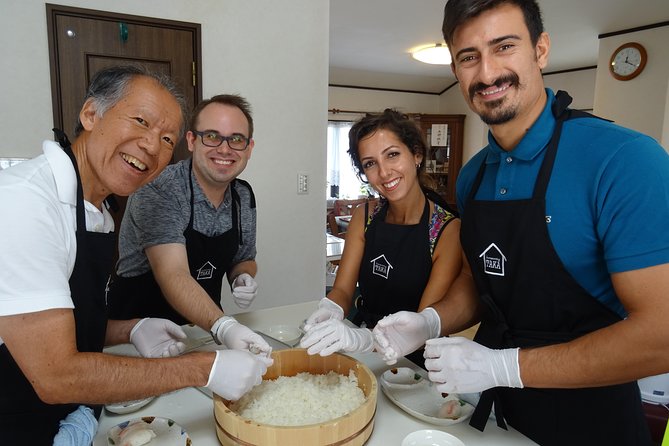
Four hours, one real Japanese home. You’ll meet Taka and Keiko in Omori and spend the day folding origami, making fresh udon, cooking sushi and tempura, then finishing with matcha and calligraphy. It is the kind of experience where the food is real, the pace is relaxed, and the conversation is part of the lesson.
What I like most is the hands-on cooking. You go from ingredients to finished noodles and lunch, not just watching. The other big win for me is the home hospitality feeling, they welcome you like family and keep the whole thing friendly, not stiff or staged.
One thing to consider: you’re starting in a residential area, about an 8-minute walk from JR Omori Station, so this is less about big city sightseeing and more about living like locals for a few hours.
Key highlights worth planning for
- Omori home visit with a calm neighborhood walk through a quiet residential area after meeting at JR Omori Station
- Udon making from materials to completion, including stepping/kneading the dough
- Lunch built around sushi and gyoza, plus additional Japanese small plates, with tempura included in the program
- Free drinks like sake, beer, shochu, and soft drinks during the meal
- Matcha and Japanese sweets after cooking, served as part of the day’s flow
- Calligraphy souvenir where Keiko writes your name on colored paper to take home
Entering Taka and Keiko’s Tokyo home, right after JR Omori
This experience starts at 10:30 am at the central exit of JR Omori Station. Look for the guide holding a bag with the homecoming TAKA logo, then you’ll walk about 8 minutes to the house. Along the way, you pass a shrine and move through a quieter residential route that feels a lot more day-to-day than landmark-hop Tokyo.
I like that the meet-up is clear and simple. You aren’t stuck figuring out where a kitchen studio is tucked away, and you get a built-in “warm up” walk before the class begins. The walk is short, but it helps set expectations: this is not a museum lesson, it’s a home lesson.
For timing, plan to arrive a few minutes early. The class is described as about 4 hours, and everything runs as a sequence, origami to noodles to lunch, then tea and calligraphy.
You can also read our reviews of more food & drink experiences in Tokyo

The day’s rhythm: origami first, then noodles, then lunch
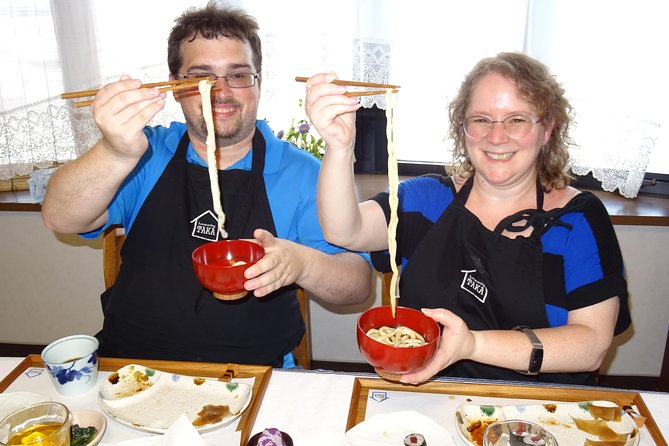
Once you arrive, Taka lays out the order: origami → udon noodles → Japanese food (sushi, dumplings like gyoza, and more) → matcha → calligraphy souvenir. That sequence matters because it keeps your brain in “do mode.” You’re folding and kneading before you’re eating, so the meal feels earned rather than random.
Origami crane
You start with origami and fold the classic crane. It sounds small, but it’s a useful warm-up for how Japanese crafts often work, slow attention, clean folds, and a finish that matters. Even if your first crane looks more like modern art than tradition, you’ll get the idea.
Udon noodles: from dough to the lunch table
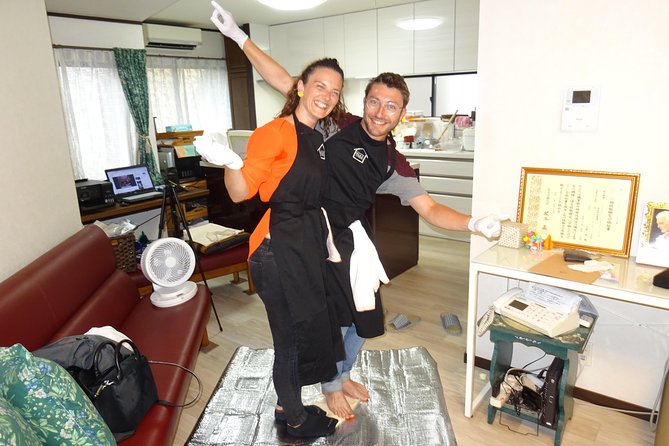
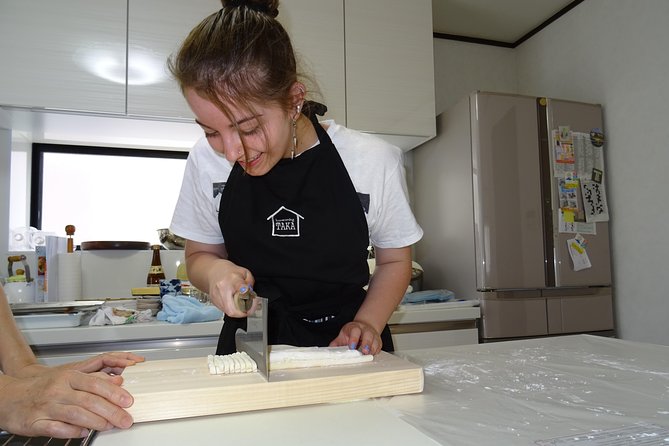
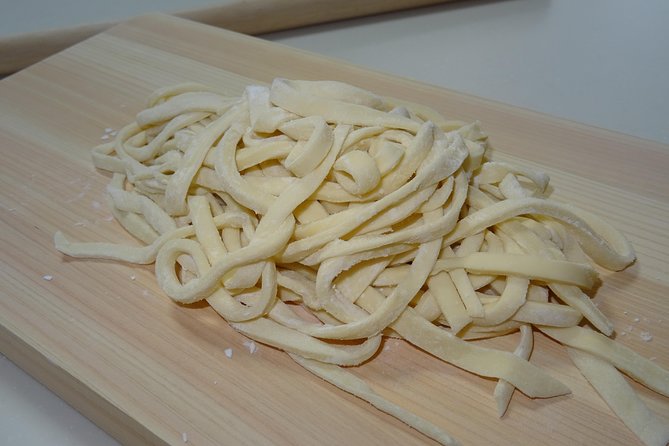
Next comes the star of the morning: making udon noodles. The description is detailed here, you experience the process from materials to completion, and you actively work with the dough, including stepping on it as part of the kneading. That is one of those “so you can feel it” moments, you learn texture with your body, not just with your eyes.
You’ll also be using equipment and materials that are described as made in Japan. That matters because udon is all about the feel of the dough and the final chew, and you’re learning within the same kind of setup used for the dish.
If you’re wondering whether this will be messy, yes, it’s noodle-making. Wear clothes you’re comfortable getting flour or dough on, and take the included apron seriously.
Sushi, gyoza, tempura, and Japanese small plates for lunch
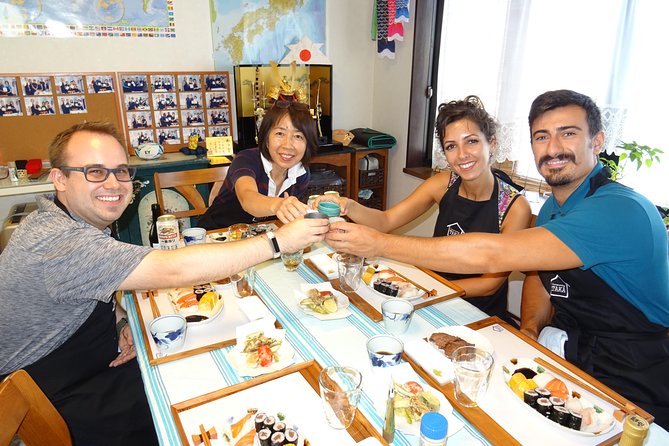
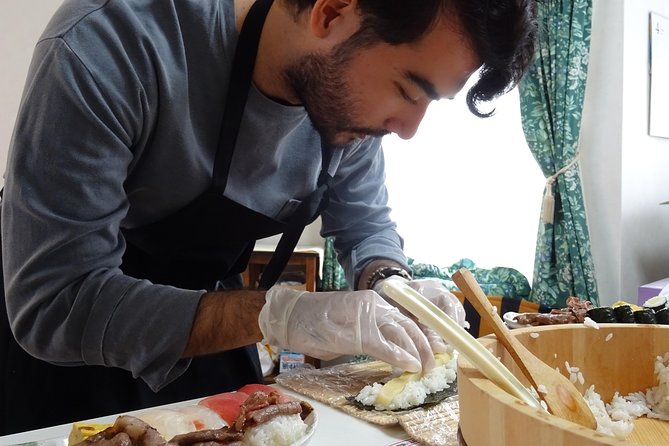
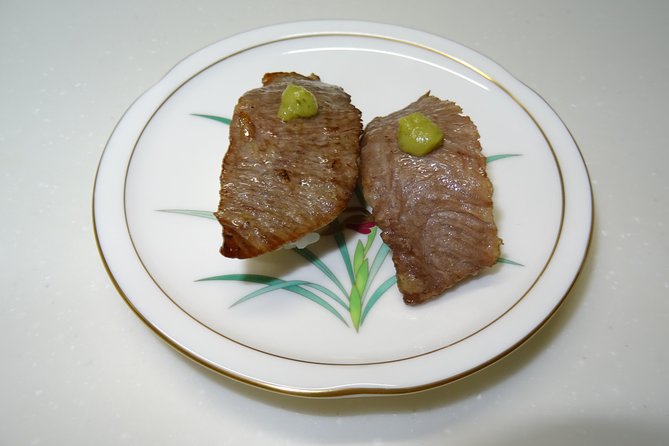
Lunch is built around Japanese cuisine you make together, and it’s not just one dish. The main menu is described as sushi and gyoza (with the wider spread of Japanese food), and your host’s wife also serves Japanese small plates during the meal.
Then there’s tempura too. Tempura shows up in the overall experience description and in the way the cooking day is remembered, so you should expect that frying step as part of what you do. If you’re careful with hot oil and you follow instructions, it’s a fun craft because it teaches timing and heat control, even in a short class.
Here’s what makes this lunch section valuable: it’s structured as a real meal, not a buffet of tiny samples. You cook, you sit down, you talk, and you eat what you made. The pace is described as leisurely, and the day is known for not feeling rushed even though you do a lot.
More Tokyo tours and experiences for the shortlist



Free drinks with lunch
Another practical plus is that drinks are free, including sake, beer, shochu, and soft drinks. That makes it easier to relax with the hosts and enjoy the meal, especially if you don’t want to track down cash-only bars or figure out what’s safe to order when your Japanese is still getting warmed up.
If you do drink alcohol, keep it light. It’s still a hands-on class, and you’ll be moving on to matcha and calligraphy after lunch.
Matcha green tea and Japanese sweets after dinner
After the cooking and lunch, the day shifts to something calmer. You’ll make matcha together and then taste matcha with local Japanese sweets.
This portion is more than a palate cleanser. It’s the cultural pause built into the experience: you go from working with dough and heat to focusing on aroma, color, and balance. Even if you’re not a huge tea person, you’ll learn why matcha is treated like a moment, not just a drink.
Also, the program is described as part of the same home flow, so you’re not being herded into a separate tasting room. You’re staying in the same “day in the house” rhythm.
Calligraphy with Keiko: your name on colored paper
The final piece is souvenir calligraphy. Keiko writes your name in calligraphy on a colored paper piece that you take home.
This is one of the best “small but memorable” parts of the experience because it’s personal. Most cooking classes give you recipes or photos, but this gives you something you can display. And it connects back to the theme of the day, you’re learning Japanese culture through making, then leaving with a physical result.
If you have a group, this souvenir also creates an easy moment for everyone to be included. You’re all getting your own name written, and it ends the day on a warm, human note.
Price and value: $92.50 for four hours of real instruction
At $92.50 per person for about 4 hours, you’re paying for more than a standard cooking demo. You’re getting an experience that includes:
- Lunch with what you cook (sushi, gyoza, and more)
- Tempura as part of the food making
- Matcha plus Japanese sweets
- Origami and calligraphy (including your name souvenir)
- An apron
- Free drinks (sake, beer, shochu, soft drinks)
On a practical level, the value is strongest if you want hands-on learning plus the home welcome. If you only want a quick tasting and photos, this might feel like too much work in a short time. But if you want to leave with skills you can repeat at home, it’s a strong deal.
Also, the experience is listed as a private tour/activity, meaning only your group participates. That private feel is usually what makes home-based classes like this worth paying for.
Dietary needs: vegetarian and vegan-friendly Japanese food
If you follow a vegetarian or vegan diet, you’re not left out. The experience says vegetarians and vegans can enjoy all dishes using different ingredients.
That matters because the meals are not just separate side dishes. You’re building the main items together, so it helps that the hosts plan the menu to match your needs rather than assuming everyone eats the same way.
When you book, I’d still make sure your dietary preferences are clearly stated so they can adjust correctly.
Practical tips so you enjoy every step
Here are the details that help you have a smoother day, based on what the flow includes.
What to wear
You’ll fold paper, then make and knead noodles. Expect the possibility of flour or dough on your clothes. Wear something you can get a bit messy, and use the apron provided.
How to time your arrival
You meet at JR Omori Station at 10:30 am, central exit. Then there’s that short walk through the residential area and past a shrine. Build in a buffer so you start calm, not rushing.
What this is, and what it is not
This is not a checklist of Tokyo highlights. It’s a home-based class focused on Japanese culture through food and small arts like origami and calligraphy. If you want a schedule packed with landmarks, you might feel like you spent the day in one neighborhood. If you want a real local experience, that’s exactly the point.
Solo or family friendly
The program reads as friendly for different ages, and families are specifically mentioned as having a good time during the experience. If you’re traveling with kids, the hands-on steps (origami, noodles, cooking) are naturally engaging.
Should you book homecoming TAKA in Omori?
Book it if you want:
- Hands-on Japanese cooking in a real home setting
- The combo of origami, udon, sushi, gyoza, tempura, matcha, and calligraphy
- A private, small-group feel with warm conversation
- A meal plus drinks included, so you can focus on the experience
Consider skipping it if:
- You mainly want Tokyo sightseeing and don’t want to spend half a day in one neighborhood
- You prefer restaurant-style tasting over working with dough, handling tools, and making dishes yourself
- You’re expecting a quick, low-interaction class. This one is interactive by design.
If your goal is to understand Japanese culture through how people actually cook, eat, and create small art at home, this is an excellent match.
FAQ
Where is the meeting point and what time does it start?
You meet at the central exit of JR Omori Station at 10:30 am. Look for someone holding a bag with the homecoming TAKA logo.
How long does the experience last?
It runs for about 4 hours.
What activities are included during the 4 hours?
The program includes origami, making udon noodles, making Japanese food (including sushi and gyoza, with tempura also part of the experience), matcha green tea, and calligraphy with a name souvenir.
Are drinks included?
Yes. Sake, beer, shochu, and soft drinks are included and described as free.
Can vegetarians or vegans join?
Yes. Vegetarians and vegans can enjoy all dishes with different ingredients.
Is this a private tour?
Yes. It is listed as a private tour/activity, and only your group participates.
What souvenir do you take home?
You take home the calligraphy piece where Keiko writes your name in calligraphy on colored paper.
Is free cancellation available?
Yes. You can cancel for a full refund up to 24 hours before the experience starts.
More Food Experiences in Tokyo
More Food & Drink Experiences in Tokyo
More Tour Reviews in Tokyo





Not for you? Here's more nearby things to do in Tokyo we have reviewed









Food & Drink, side by side.
 ★ 5.0Shinjuku Food Tour (13 Dishes at 4 Local Eateries)From $866,603 reviews
 ★ 5.0Tokyo Tsukiji Fish Market Food and Culture Walking TourFrom $993,184 reviews
 ★ 4.9Shinjuku Food Tour (15 Dishes and 4 Eateries)From $852,033 reviews
 ★ 5.0Best of Shinjuku: Izakaya Food Tour (4 Stops, 14+ Tastings)From $921,863 reviews
 ★ 5.0Tsukiji Fish Market Food and Walking tourFrom $301,724 reviews
 ★ 5.0Eat and Drink Like a Local: Tokyo Ueno Food Tour-Taverns&RamenFrom $95957 reviews
 ★ 5.0Shibuya Food Tour (13 dishes and 4 Eateries)From $77770 reviews
★ 4.7Tsukiji Fish Market Food and Culture Walking TourFrom $96757 reviews
★ 5.0Shibuya Food Tour (13 dishes and 4 Eateries)From $77770 reviews
★ 4.7Tsukiji Fish Market Food and Culture Walking TourFrom $96757 reviews
This tour also belongs to