
Review · TOKYO CITY TOURS
Tokyo City 1-Day Private Tour with Bilingual Driver
Tokyo in one day, without the subway stress. This private, customizable plan lets you move between top sights at your own pace with a bilingual driver who keeps the day flowing. One thing to watch: the Imperial Palace stop may not include the gardens, so set expectations before you go.
If you want your Tokyo day to feel like your trip, not a checklist, this is a strong way to do it. You get a private vehicle for about 10 hours, plus a schedule that starts with historic Tokyo and rolls into modern neighborhoods and Tokyo Bay.
The practical trade-off is simple. With a 10-hour day and multiple districts, you may have less time for deep wandering than if you build the day yourself, and rainy weather can make long outdoor walks less pleasant.
Key highlights that matter in real life
- Private vehicle time means fewer transfers and less time herding bags through stations
- Choose your own pace so you can linger in Asakusa or skip what you do not care about
- Bilingual driving and guidance can turn confusing areas into an easy, photo-friendly loop
- A balanced route hits Tsukiji, temples and shrines, shopping streets, and Odaiba in one day
- Real guide styles vary, so come with a few must-sees and a backup plan for timing
- Value depends on your group size since it is $425 per group up to 6
A private 10-hour Tokyo day, built around your pace
For many first-timers, Tokyo feels like a juggling act. Trains are great, but switching lines, figuring out exits, and carrying your daypack gets old fast. This private format is designed to reduce that friction. You ride between areas, then you spend your energy where you actually want to look.
I like the way the day is set up as a loop of distinct neighborhoods. You start at a classic food and market scene in Tsukiji, then shift to temple Tokyo in Asakusa, then to ceremonial gardens and gates around the Imperial Palace. After that, it moves into shrine calm at Meiji Jingu and the people-and-style energy of Harajuku and Shibuya. You end with a change of pace at Odaiba, right on Tokyo Bay.
The customization is the big deal. Instead of locking yourself into a bus route, you can adjust what you do with the time you have. That is especially handy if you have mobility limits, if you are traveling with kids, or if you only have one full day and you want it to match your interests.
You can also read our reviews of more city tours in Tokyo


Tsukiji Fish Market, the morning workload without the stress
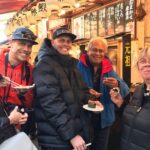
Tsukiji Fish Market is a traditional wholesale market, known for seafood, vegetables, produce, and even housewares. The key word for this stop is momentum. It is scheduled for about 1 hour, and it is listed as free admission.
This is a great first stop because it sets your tone for the day: Tokyo as working city, not just a museum. You also get the most out of it when you treat it like a walk-through. Have a simple plan, like where you want to look first, and then let the rest unfold as you go.
The one practical caution I would give you is timing. When schedules slip, crowded areas like Tsukiji can eat time quickly. One booking situation that came up involved a late start that pushed the rest of the day, so I recommend being ready to roll when your pickup happens, and keeping your expectations flexible.
Asakusa and Sensō-ji area, old Tokyo that still feels reachable
Asakusa is where you go for temple Tokyo. The centerpiece is Sensō-ji, a Buddhist temple dedicated to the bodhisattva Kannon. The stop is 1 hour and listed as free admission.
What I like about Asakusa in a private format is that it is not just about getting to the temple. You also get time for the surrounding lanes, snack breaks, and photo moments without rushing a group through. If your family includes kids, Asakusa tends to keep everyone interested because it is visual, lively, and easy to navigate on foot.
You should also know this is a walking stop. Even if your vehicle handles the transfers, you will want comfortable shoes. The good part is that Asakusa is set up for strolling, and one hour is usually enough to feel the area without exhausting yourself.
Imperial Palace, what you can expect and the garden surprise
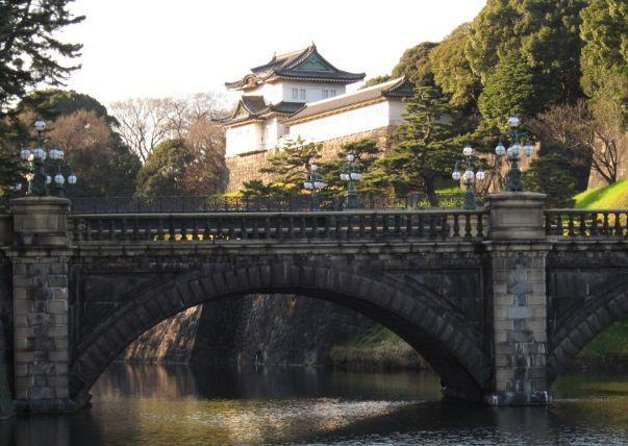
The Imperial Palace area is in the Chiyoda district and is described as a large park-like setting with several buildings. This stop is also listed as free admission, and it is scheduled for 1 hour.
Here is the main “read this before you book” point. One guest experience highlighted that the tour does not include going into the Imperial Gardens and that the drop-off can be at a corner rather than deep inside the grounds. That means you may see the outer areas and viewpoints, but you should not assume you will wander the gardens in the way you might on a dedicated palace day.
Another practical timing issue can happen here too. In at least one real situation, access expectations were impacted by ticket availability for the palace area. So even if a stop is listed as free, treat it as a “what is accessible today” visit. Bring curiosity, but also be ready with a backup plan for what you can actually enter.
One more detail that can affect the feel of the stop: the guide may have to stay with the vehicle for part of the time while you walk the palace grounds. That can limit narration during that segment, so if you care a lot about the palace story, ask your guide to front-load the key context before you get out.
Meiji Jingu Shrine, a calm reset between crowds
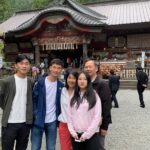
Meiji Jingu Shrine is dedicated to the deified spirits of Emperor Meiji and his wife, Empress Shōken. The schedule gives you about 1 hour, again listed as free admission.
This is your reset button. Tokyo can feel nonstop, and Meiji Jingu gives you a quieter, greener pocket. The setting is a great counterbalance after busy shopping and street energy.
I also like the way this stop fits a one-day itinerary. You are not just seeing modern Tokyo, you are seeing how the city handles tradition and ceremony. If you are the type who likes small moments, Meiji Jingu is where you slow down a notch and pay attention to the atmosphere.
You can also read our reviews of more private tours in Tokyo
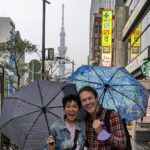
Shibuya, Harajuku, and Takeshita Street, where fashion meets fast feet
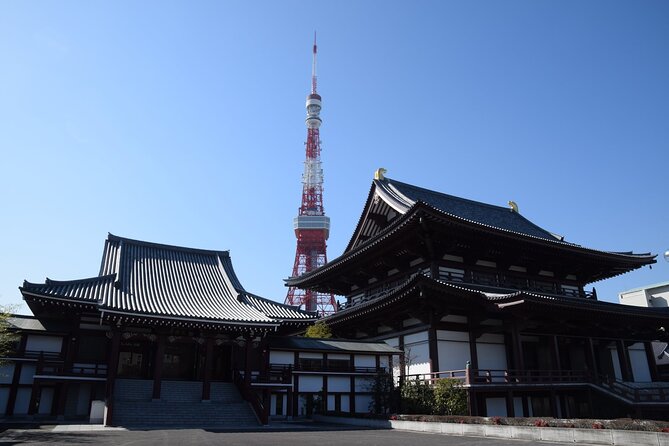
This middle chunk is designed for maximum Tokyo personality. The itinerary groups Shibuya / Harajuku / Ebisu into about 1 hour, with a specific callout to Takeshita Street, a pedestrian shopping lane lined with boutiques, cafes, and restaurants.
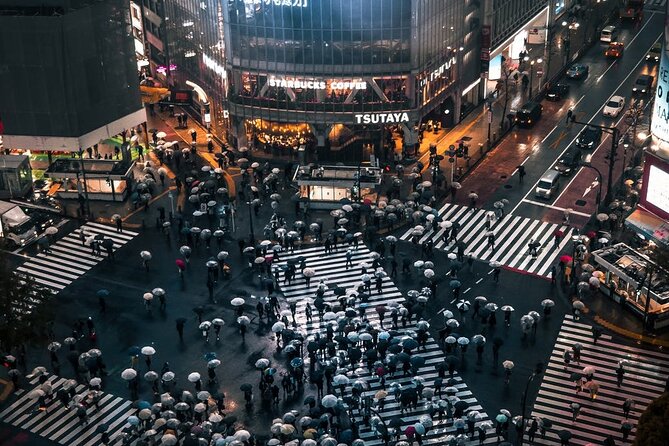
Then you have 15 minutes at Shibuya itself. It is described as one of Tokyo’s main commercial centers, and the area includes two of the world’s busiest railway stations, Shinjuku and Shibuya.
This is a stop for people-watching and short bursts. You will see crowds, bright storefronts, and lots of energy. It is also where you can decide what you actually want: a quick look and photos, or a longer wander if your guide says you still have time.
Two practical points to keep in mind:
- This section is more about streets than one specific monument, so if you need a clear “destination,” ask early where you will walk and how much time you will have.
- Photo opportunities are plentiful, but your best chance is to plan for short waits and fast movement.
If you want extra context here, this is also an area where a guide helps a lot. Some guides lean into history and culture, while others focus more on logistics. Either way, if you want narrative, ask for it. Names that showed up in real bookings include Abdul, Maz, Khan, Junaid, and Shane, and their styles were a big part of why people rated the tour highly.
Odaiba on Tokyo Bay, high-tech fun and open views
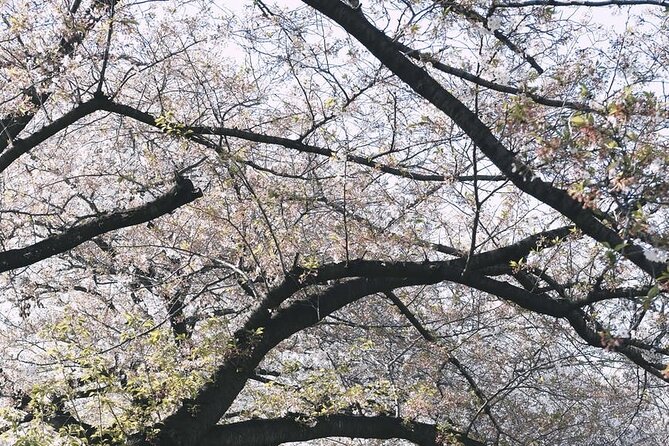
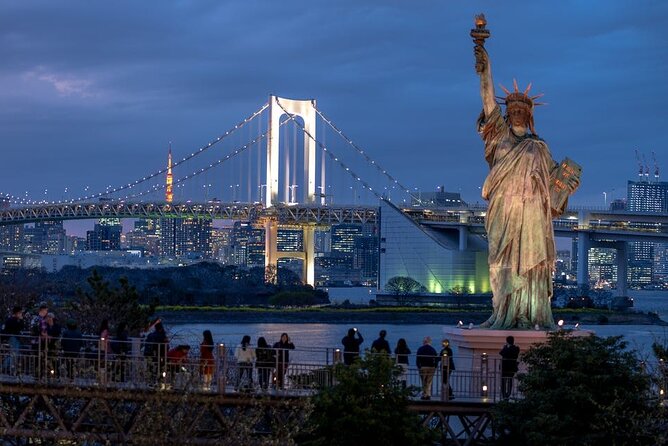
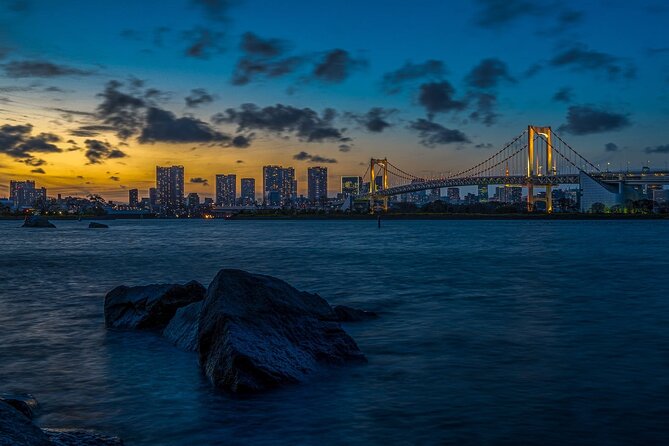
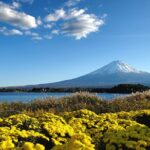
Odaiba is a different kind of Tokyo stop, built on an artificial island in Tokyo Bay. The schedule sets aside about 2 hours and lists fun options around the area, like Seaside Park, views of Mt. Fuji from the Daikanransha Ferris wheel, and robots at the Miraikan science museum.
This is the portion of the day that often feels like a reward. You get a break from dense neighborhoods, and you have more space to breathe. It is also a strong choice if your group wants something light and modern, not just temples and markets.
One caution: Odaiba is outdoors-heavy depending on your route. Since the experience requires good weather, rain can shrink your “walk and look” time. In one rainy-day scenario, the day still went on, but the visibility was poor and the plan shifted toward indoor options. That is exactly the kind of day where customization matters.
How the bilingual driver experience really works
The core value here is that you are not navigating alone. A private driver is not the same thing as a full-time escort who narrates every second, but this tour is built to provide guidance along the way. Some bookings highlighted guides who were witty, attentive, and clearly focused on history and culture. Other experiences noted that the driver did not provide much background and mostly asked what you wanted to do next.
So here is my practical advice. Come with a short list of priorities before you start, like:
- One must-see in Asakusa
- One must-see in Meiji Jingu
- Whether you want a shopping focus in Harajuku
- If Odaiba is for views, science, or just the vibe
Then, when your guide takes the wheel, you get the best of both worlds. You steer the day, and your driver handles time and transitions.
You will also feel the comfort difference. Multiple high-rated experiences specifically mentioned that riding rather than constantly transferring on public transit made the day easier, especially for elderly parents and people who cannot walk long periods.
Price and value: $425 per group up to 6
At $425 per group (up to 6), the math works best when you share it. Split six ways, and you are roughly paying around $70 per person for a full day of private transport plus a bilingual guide experience. Split fewer ways, and it becomes more of a convenience premium.
Here is how I judge value for a Tokyo one-day private tour like this:
- If you are a family or small group, it can be cheaper than paying for taxis plus spending huge energy on transit planning.
- If you have mobility needs, the “reduced walking and fewer transfers” can be worth a lot, even if you do not buy extra museum time.
- If your day is flexible and you actually use the customization, you get closer to a trip designed for your preferences instead of a one-size-fits-all tour.
The other value point is time. A 10-hour schedule is long enough to see a lot, but it is not long enough for heavy detours. This tour is best when you accept its rhythm and use your customization to tweak the stops, not reinvent the whole day.
When to book and how far in advance to plan
This experience often gets booked about 34 days in advance on average. That tells me it is not just a last-minute option if you want a specific day and a good driver match.
If you are traveling during peak seasons, or you have a tight schedule like a layover, I would treat it like a plan, not a whim. The more flexibility you have in your dates, the easier it is to line up.
Also, remember the tour requires good weather. If your travel dates are in a rainy season, plan to keep your expectations flexible, and pack an umbrella just in case.
Who this tour fits best (and who might prefer DIY)
This tour is ideal when you want a lot of Tokyo highlights without spending your day decoding train routes and station exits. It also makes sense if you:
- Have only one full day
- Want a mix of tradition (Asakusa, Meiji Jingu) and modern districts (Harajuku, Shibuya, Odaiba)
- Travel with kids
- Travel with older relatives or anyone who prefers fewer long walks
You might prefer a DIY plan if you:
- Want to spend hours in one area and go deep with no schedule pressure
- Already know Tokyo well and are comfortable hopping between neighborhoods fast on your own
- Want a highly scripted, museum-style narration at every stop
Should you book this Tokyo private day?
I would book it if your goal is simple: maximize your time in Tokyo with less transit stress and more control over how long you linger. The lineup is practical, starting with Tsukiji and Asakusa, balancing shrines and ceremony at Meiji Jingu, then moving into Shibuya and Harajuku, with Odaiba as a modern finish.
I would also go in with eyes open. The Imperial Palace stop may not include the gardens, and weather can change how much outdoor time you get. If you handle those expectations, this is a solid way to get your bearings fast, see the big sights, and still make the day feel like yours.
If you want one-day value, bring your top priorities, ask your driver to help you protect timing, and treat customization as the tool that makes the day work for your group.
More City Tours in Tokyo


More Tours in Tokyo





More Tour Reviews in Tokyo


Not for you? Here's more nearby things to do in Tokyo we have reviewed












Tokyo City Tours, side by side.
 ★ 5.01-Day Tokyo Bus TourFrom $12914,250 reviews
 ★ 4.5TOKYO SKYTREE® Admission ticketFrom $1311,192 reviews
 ★ 4.6teamLab Planets TOKYO Digital Art Museum Entry TicketFrom $259,779 reviews
 ★ 4.0Mt Fuji & Hakone Cruise, Drum Show Bullet Train 1 Day from TokyoFrom $1497,413 reviews
 ★ 5.0Shinjuku Food Tour (13 Dishes at 4 Local Eateries)From $866,603 reviews
 ★ 4.4Tokyo Mt Fuji 5th St & Hakone Cruise Bus Tour w/Bullet TrainFrom $1545,024 reviews
 ★ 5.0Flagship 2-Hours Official Street Go-Kart Tour – Tokyo Bay ShopFrom $644,974 reviews
 ★ 4.5From Tokyo: Mount Fuji Full-Day Sightseeing TripFrom $684,970 reviews
This tour also belongs to