
Review · DINNER EXPERIENCES
Tsugaru shamisen performance over traditional dinner
This Asakusa dinner show is easy to love. You get an Asakusa history walk and a Tsugaru shamisen performance over dinner in one 4-hour plan. I like that it includes dinner so you do not have to line up extra reservations after the sightseeing. I also like the small group size, since you spend more time actually talking with your guide.
One thing to consider: it is a short walk with temple-street segments, then a seat-limited restaurant for the music. If you hate enclosed spaces or have mobility limits, check your comfort level before you go.
Key things to know before you book
- Small group of up to 8 keeps the Asakusa walk calm and the concert more personal
- Dinner is included with a welcome drink, so your schedule stays simple
- Tsugaru shamisen concert timing works as a natural finish after Senso-ji
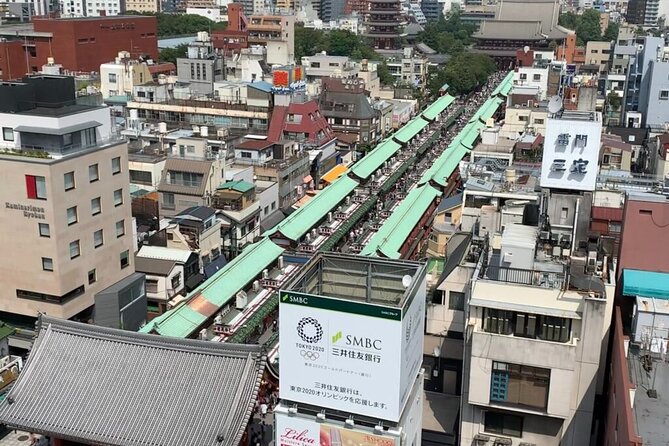
- Panoramic views from the Asakusa Culture Tourist Information Center observation deck
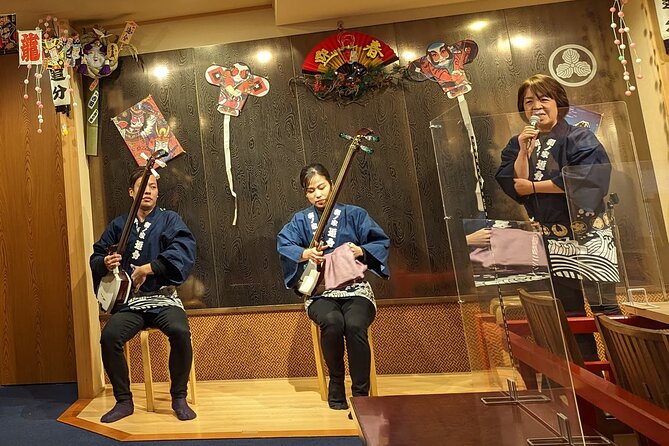
- Intimate venue means you are close enough to appreciate the instruments and technique
Asakusa at 5:30 pm, when the streets feel human
This tour starts in the early evening, with a 5:30 pm start time. That matters. Asakusa can get crowded, especially around the big landmarks, but late afternoon into evening often feels less frantic than peak daytime hours.
You also get a built-in flow. First, you walk through some of Asakusa’s most recognizable sights, then you switch gears to live music over dinner. The timing helps, because you are not trying to squeeze a performance into an already packed Tokyo day.
More Tokyo tours and experiences for the shortlist

Stop-by-stop: what you get from the Asakusa culture walk
The tour is designed as a compact loop, with quick orientation stops and then a longer stretch that leads into the temple area.
Asakusa Culture Tourist Information Center, top-floor views
You begin at the Asakusa Culture Tourist Information Center, and you head to the open terrace observation deck on the top floor. It is free and only about 15 minutes, but it gives you something people often miss: a quick city-view frame for what you are about to see.
If you like getting your bearings fast, this is a smart start. You can look down on the shape of the neighborhood before you hit the lantern-and-gate section of town.
Kaminarimon and the giant lantern moment
Next is Kaminarimon, the Thunder Gate. You are there for the classic gateway setup, with the giant red lantern hanging under the gate. It is only a short stop, about 5 minutes, but it is one of those photo-and-context points where the guide can explain how the shrine-temple world works here.
This is also where you start shifting from shopping-street energy into temple-area atmosphere.
Nakamise shopping street, snack and souvenir reality
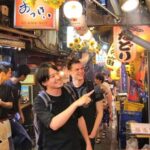
Then you walk through Nakamise Shopping Street, just from the Kaminarimon side. This section is famous, but what I find useful about it is that it is not treated as a random shopping detour. It is a transition space that sets expectations for Senso-ji.
You can expect plenty of small shops and familiar tourist goods. It is also one of the easiest places to spot the difference between how people imagine temples and how the area actually feels at street level.
More Tokyo tours and experiences for the shortlist


Hozomon gate, the inner approach
After Nakamise, you reach Hozomon, the Treasure-House Gate. This is the inner of two big entrance gates leading toward Senso-ji. Again, it is a brief stop, around 5 minutes, but it helps you understand the layout. When you see both gates and the temple complex in sequence, the whole place makes more sense than if you just drop in randomly.
Senso-ji Temple, Tokyo’s oldest temple complex
Senso-ji is where the walking portion peaks. You get about 5 minutes at the temple site itself, and the guide-level context is the point.
Senso-ji is described as Tokyo’s oldest temple and one of its most important. There is also the five-story pagoda next door, and it is linked to Buddha’s ashes brought from Sri Lanka through government and Buddhist society for goodwill between Sri Lanka and Japan. Even if you only have a few minutes there, that kind of detail changes how you look at the pagoda and the complex.
Dinner at a small Asakusa restaurant, and why it fits the music
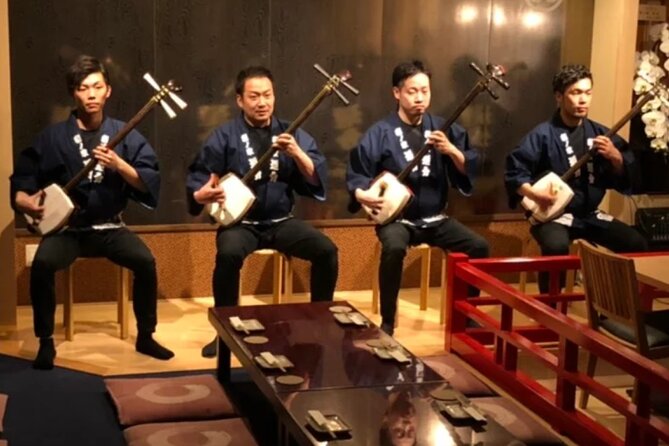
After the temple-area walk, the group heads to the restaurant in Asakusa. The stop is about 2 hours, and this is where the format really becomes the value.
Live instruments in a small room
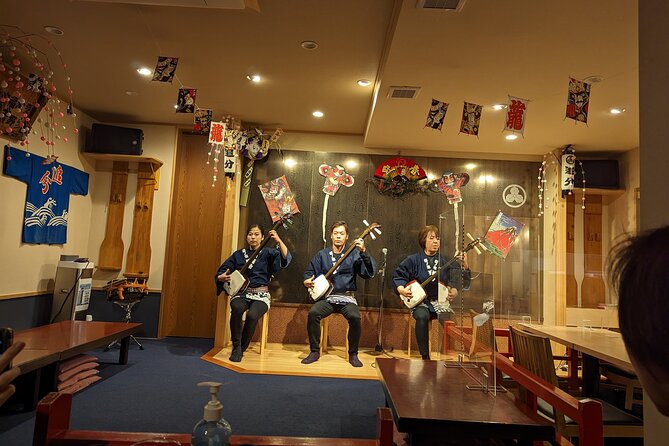
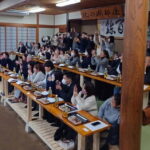
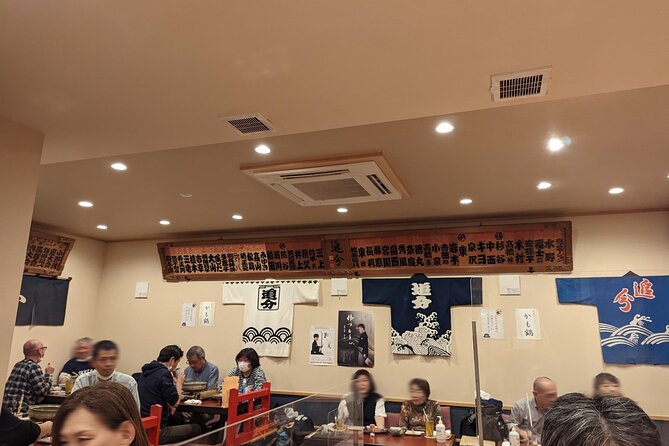
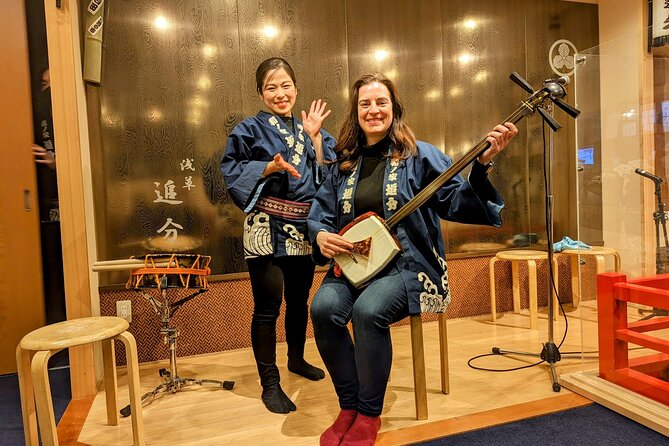
The venue is small with a limited number of seats, and the performance happens right in front of you during dinner. This is the kind of setup that can feel casual at first, then suddenly technical once the musicians start playing.
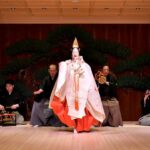
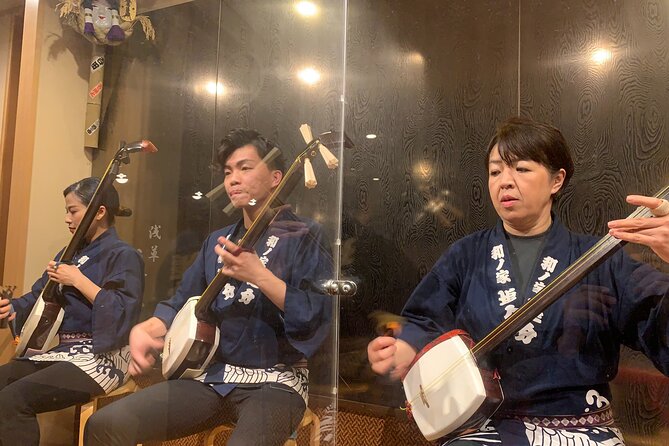
The concert is listed as a 40-minute live program of Japan’s traditional musical instruments, with Tsugaru shamisen included. Even with just 40 minutes, the intimacy makes a difference. You are not watching from far away, and you can notice how the rhythm and phrasing land in real time.
Dinner plus one welcome drink
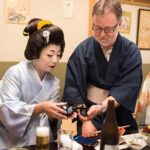
Dinner is included, along with one welcome drink. You can order extra drinks separately, but they are not part of the tour price. That is a normal, practical setup, but it matters for budgeting if you like to keep drinking during meals.
One especially strong point from past experiences is how well the restaurant handles dietary needs. A vegetarian traveler reported that the tour made sure they could eat on the tour, which is a good sign if you are planning around food restrictions.
Tsugaru shamisen performance: what to listen for
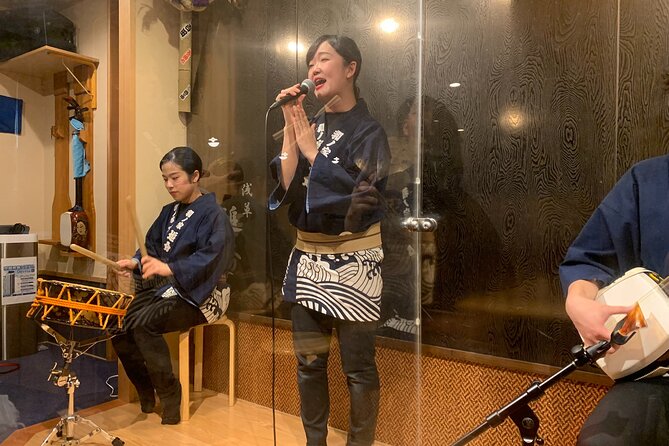
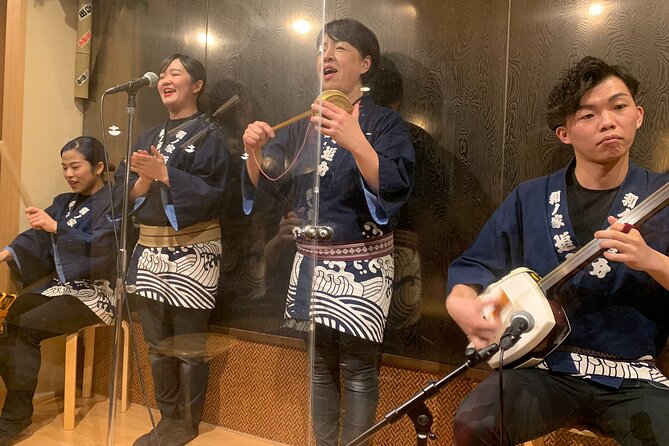
Tsugaru shamisen is not background music. The playing style is known for energy and crisp attack, and when it is performed in a close setting, you feel the momentum more than you just hear it.
Here’s how to make your listening time count without needing to be a music expert:
- Watch the hands, not just the instrument. The shamisen technique is visual.
- Listen for rhythmic shifts. The music often changes pace and intensity in a way that keeps you tracking.
- Notice the relationship between the instruments. The tour frames it as Japan’s traditional musical instruments, so you are usually hearing more than just one sound source.
After the concert, you also get a chance to meet the musicians. That part is where the experience becomes more than entertainment, because you get the human context behind what you just heard.
The guide factor: you learn, but you also move at a comfortable pace
The walk is led by a guide, and names like Akiko and Yoko have been associated with the Asakusa portion in past departures. You should expect a clear storytelling style, focused on what you are standing in front of.
The biggest practical benefit is pace. Each major landmark stop is short, so you keep moving and do not waste time wondering where to stand. At the same time, the guide still has room to explain the why behind Kaminarimon, Hozomon, and the Senso-ji complex.
Also, with a maximum group size of 8, the guide can handle questions without turning the tour into a lecture.
Logistics that affect your comfort and enjoyment
No hotel pickup, but easy public transport access
There is no hotel pickup or dropoff. The meeting point is the Asakusa Culture Tourist Information Center, near public transportation. The end point is the restaurant at 5-chōme-37-7 Asakusa.
That means you will need to get yourself there by 5:30 pm. If you plan to use trains and buses around Asakusa anyway, this is simple. If you hate transit changes, factor in your own travel time from your hotel.
Walk length and shoe choice
The route includes a stretch that feels close to a mile, and it is mostly walking between gates, streets, and temple entrances. You do not need hiking gear, but comfortable shoes matter. You will also spend a chunk of time at the restaurant, so plan for an evening that mixes walking and sitting.
Weather matters
The experience requires good weather. If it is canceled due to poor weather, you should be offered a different date or a full refund. Since part of the early segment is outdoors, you are not just relying on an indoor plan.
Price and value: what you are really paying for
At $218.91 per person, this is not a budget add-on. It is a premium-style evening experience.
Here is what you get that justifies the price for many people:
- Small-group attention (max 8), not a big coach-style crowd
- A structured Asakusa walk that includes multiple key sights
- A scenic start at the observation deck for quick context
- Dinner included plus a welcome drink
- A live 40-minute concert with Tsugaru shamisen
- Time to meet the musicians after the show
If you were trying to recreate this yourself, you would likely end up spending time coordinating reservations for dinner and a music performance, plus you would lose the guided flow that ties the neighborhood, temple context, and concert together.
On the other hand, if your top priority is spending as little time as possible with guided sightseeing, you might feel the cost more than the value. This tour is best when you want an evening plan that blends culture and convenience.
Who this tour suits best
I think this tour fits these travelers well:
- You want a one-ticket evening with sightseeing plus dinner plus a concert
- You like learning the context behind landmarks like Senso-ji
- You enjoy live traditional music and want it in an intimate setting
- You prefer smaller groups and guides who can explain as you walk
It may be less ideal if:
- You dislike walking at night or have mobility concerns
- You strongly prefer large venues with more space than a small restaurant provides
- You want only temple time and no dinner format
Should you book the Tsugaru shamisen dinner tour in Asakusa?
If you want a smooth Tokyo evening where you get Asakusa context, then a real live Tsugaru shamisen show while you eat, this is a strong pick. The combination is the whole point, and the small-group size makes the experience feel less like sightseeing on rails.
Book it if you can comfortably handle a moderate walk and you are excited about live traditional music. I would pass or look for an alternate format if you know you are sensitive to cramped seating or you dislike evening logistics without hotel pickup.
If you do book, wear comfortable shoes, go in ready to listen closely during the 40-minute concert, and keep an eye out for the chance to meet the musicians after dinner.
FAQ
What is the tour duration?
It runs for about 4 hours (approx.).
Where does the tour start and end?
It starts at the Asakusa Culture Tourist Information Center and ends at the restaurant at 5-chōme-37-7 Asakusa, where you also watch the performance over dinner.
What time does the tour begin?
The start time is 5:30 pm.
What is included in the price?
Dinner is included, plus one welcome drink. You also get a 40-minute live concert of Japan’s traditional musical instruments by award-winning performers.
Are extra drinks included?
Only one welcome drink is included. Additional drinks can be ordered separately but are not included in the tour price.
How many people are in the group?
The maximum group size is 8 travelers.
Is hotel pickup or dropoff provided?
No, hotel pickup and dropoff are not included.
What happens if weather is bad?
The experience requires good weather. If it is canceled due to poor weather, you will be offered a different date or a full refund.
More Dinner Experiences in Tokyo
More Dining Experiences in Tokyo
More Tour Reviews in Tokyo






Not for you? Here's more nearby things to do in Tokyo we have reviewed












Dinner Experiences, side by side.
 ★ 5.0Tokyo Bar Hopping Tour in Shinjuku (All-You-Can-Drink + Dinner)From $1063,587 reviews
 ★ 4.8Sumo Show and Dining ExperienceFrom $792,742 reviews
 ★ 4.6Sumida River: Japanese Traditional Yakatabune Dinner CruiseFrom $103779 reviews
 ★ 4.5Tokyo Bay Yakatabune Dinner/Day Cruise with Japan Show and DrinksFrom $65473 reviews
 ★ 4.9Shinjuku Bar Hopping with All-You-Can-Drink & DinnerFrom $108440 reviews
 ★ 4.7Tokyo Dinner Cruise & Tradition Show & Drinks & Tokyo TowerFrom $95315 reviews
 ★ 4.7Tokyo Bay: Traditional Japanese Yakatabune Dinner CruiseFrom $108243 reviews
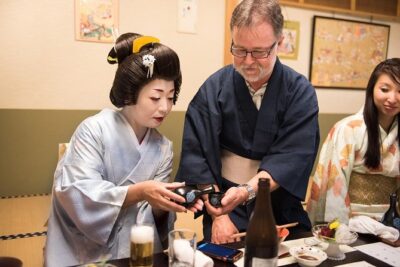 ★ 4.5Authentic Geisha Performance with Dinner in TokyoFrom $239101 reviews
This tour also belongs to