
Review · TOKYO CITY TOURS
Tokyo: Traditional Japanese Performing Arts Show and Dinner
Tokyo has a secret dinner under a temple garden. At SUIGIAN in Nihonbashi, you eat a full seasonal kaiseki course while traditional performing arts play close enough to feel personal. I like the way the room itself sets the tone, with decor that feels historically serious but somehow still relaxed.
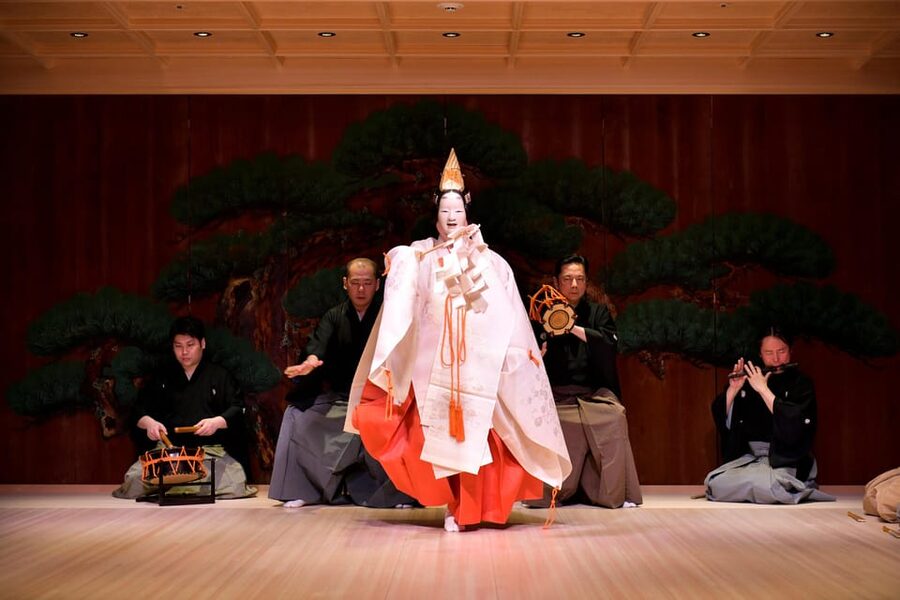
You’ll also enjoy the show format and the explanations that make it easier to follow what you are watching. The stage is built in a Noh style, and the flow of dinner plus performance is paced so you do not feel rushed or lost.
One practical note: the live segments are short, three performances of about 10 minutes each. So this is not a long theater night. It is a dinner show where the meal is the main event.
Key things I think you should notice
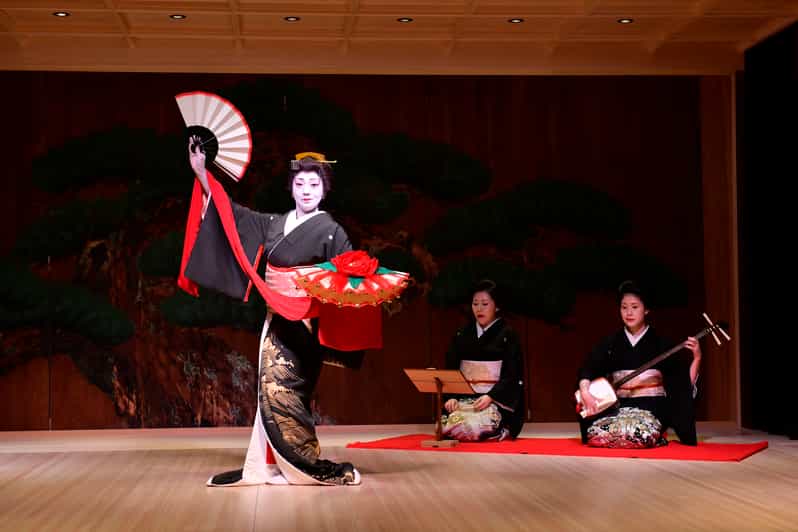
- Date-driven show type: kagura on specific days, Nihon-buyo on others
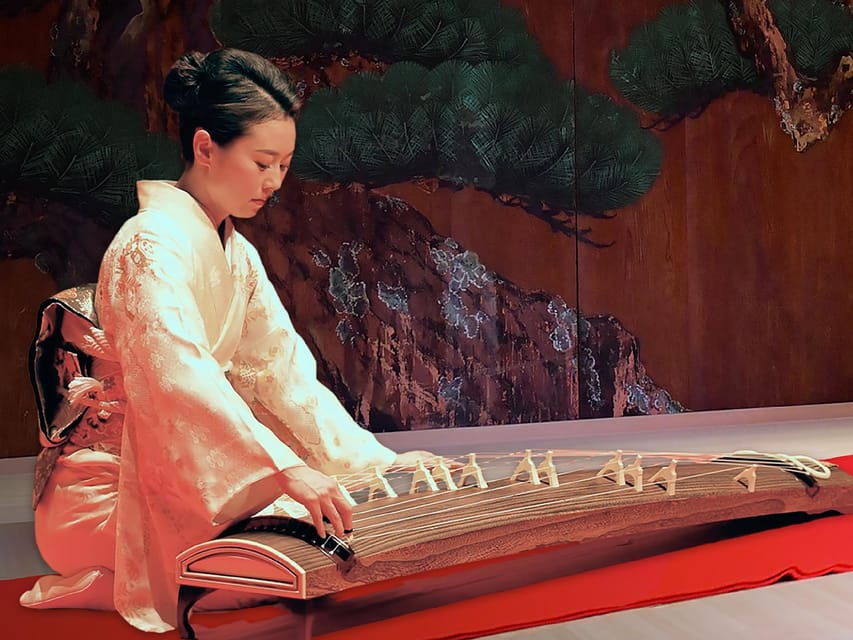
- A Noh-style stage with an old pine backdrop, built for close viewing
- Four seat options that change how intimate the sightlines feel
- Seasonal omakase-style course dinner, themed to the day
- Heritage tableware from Nagasaki, carried on for generations
- Commemorative photos with the performers at the end
Finding SUIGIAN: A Shrine-Garden Entrance in Nihonbashi
SUIGIAN sits in an off-the-main-road pocket of Tokyo that feels like it belongs to a different pace of life. You come down stairs near the historic Fukutoku Shrine area, passing under a kind of forest canopy before you reach the hidden restaurant and lounge.
That setting matters more than you might think. Tokyo can be loud and fast, and this is the opposite. The restaurant is tucked away enough that you immediately switch modes, from street-watching to dinner attention.
It is also centrally located, which helps. SUIGIAN is in Nihonbashi, and it is walkable from multiple train stops. If you are staying around Tokyo Station, you should be able to reach it without a big routing headache.
More Tokyo tours and experiences for the shortlist
Getting there without second-guessing: the simplest station routes
Here’s the plain route that usually causes the least stress.
From Tokyo Metro, the easiest stop is Mitsukoshi-mae Station (Exit A6) on the Ginza Line or Hanzomon Line. Walk about one minute, get to Coredo Muromachi 2 at B1F, and you are very close to the right area.
If you are using Shin-Nihonbashi Station on the JR Sobu line rapid, give it about a six-minute walk.
From Tokyo Station, plan about ten minutes on foot to the Nihombashiguch exit.
If you’re driving, it’s roughly six minutes from the Inner Circular Route exit Kyobashi. Taxi is also straightforward, around six minutes from Tokyo Station in typical conditions.
Practical tip: because the venue is not front-and-center on the street, it helps to arrive with a little extra time, then get your bearings. One common frustration is not the show, it is finding the door.
Show type changes by date: kagura vs Nihon-buyo
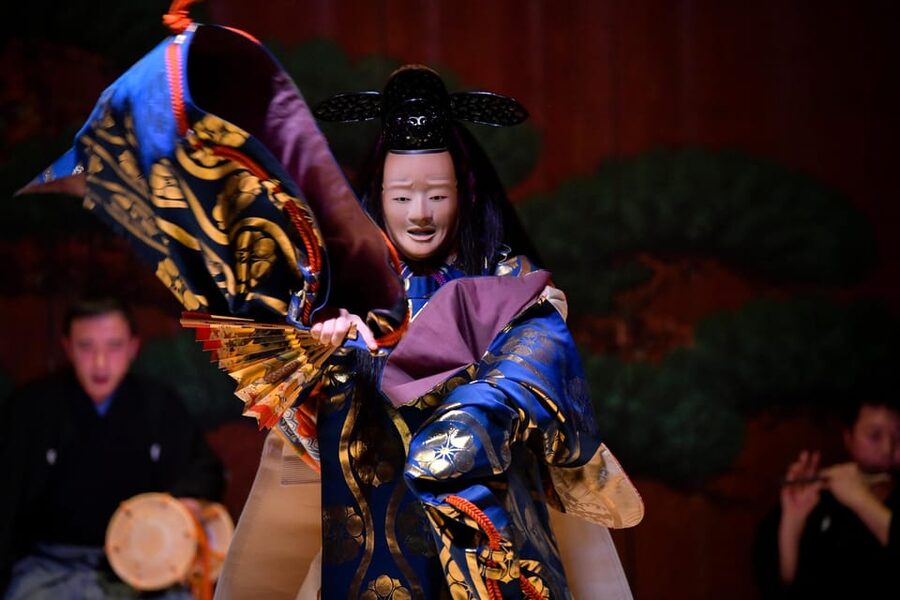
The biggest “what will I see” question is simple: the performance type depends on the day.
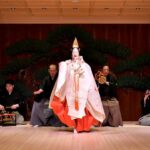
On these dates, the regular performance is kagura, which is ancient Shinto music and dance:
- Feb 5 (Thu), Feb 10 (Tue), Feb 17 (Tue), Feb 25 (Wed)
- March 10 (Tue), March 17 (Tue), March 24 (Tue)
On other February and March dates, the regular performance is Nihon-buyo, a traditional Japanese dance style.
Either way, the show is structured the same way: there are three performances, each about 10 minutes, paired around your dinner timing. So you are not waiting through one long segment. The performances come in focused bursts that reset your attention between courses.
The Noh-style stage and why seat choice matters
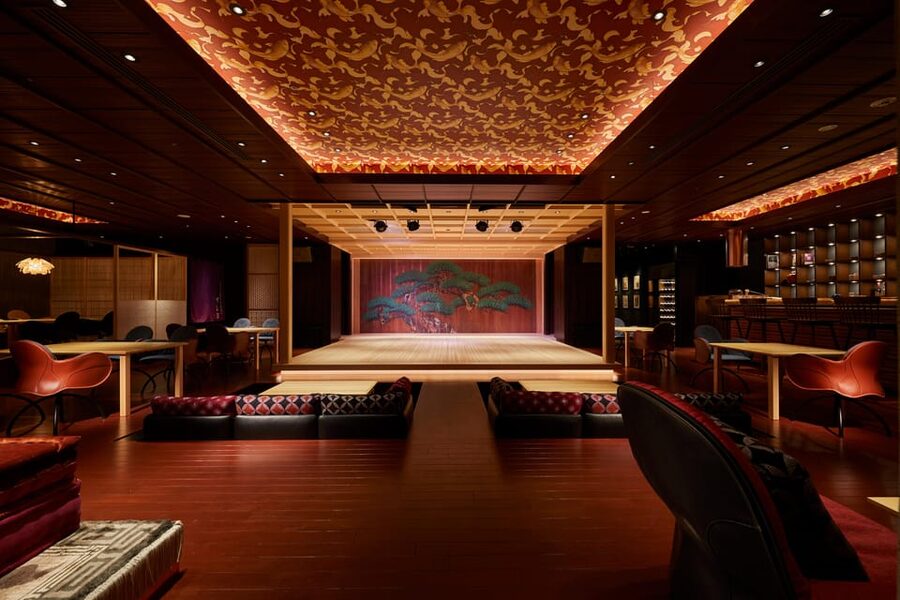
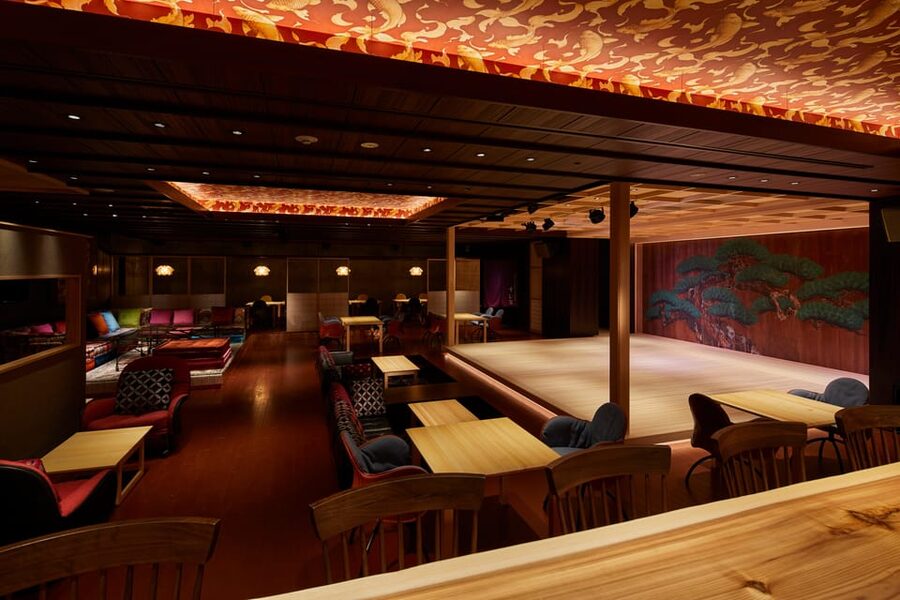
The stage setup is a big part of the magic. The room uses a Noh-style stage, with a backdrop depicting an old pine tree. That visual cue instantly tells you you are in a performance space, not just a restaurant with background music.
Also, you get real seat options. There are four different seat choices, designed so you can watch the show up close. This changes the experience more than you’d expect.
If you choose closer seats, you get details: hands, posture, and the way dancers and musicians use the space. If you choose farther seats, you might get a more “complete picture” of the stage. Neither is wrong. Pick based on what you care about most: intimacy or view.
The pacing of the room helps too. The show portions are short, so your seat should help you catch what is happening during those windows.
The kaiseki omakase-style dinner: what’s on your plate
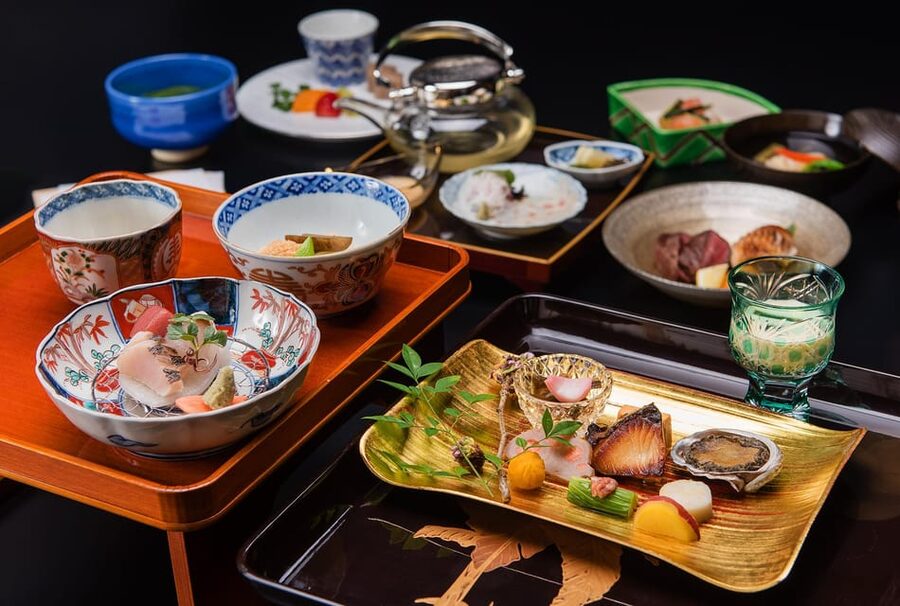
This is a full-course Japanese dinner, not a small tasting. The meal is seasonal and themed to the day, and it follows an omakase-style approach where the chef selects from the course ingredients.
A typical full-course flow includes:
- an appetizer
- a first seasonal platter
- soup
- a later seasonal platter
- a grilled dish featuring Japanese beef
- rice
- dessert
You also get matcha green tea and dry sweets to finish.
The broth note is a helpful detail: the meal is made using fresh ingredients, with bonito broth featuring in the overall flavor base.
One smart expectation-setting point: this is served at a relaxed, deliberate pace. The idea is to slow down and take in course by course changes, with the performances acting like punctuation between dishes.
More Tokyo tours and experiences for the shortlist


Dietary needs and allergies: plan ahead or risk being shut out
This kind of dinner is deeply tied to seasonality and chef selection. That means you need to communicate restrictions early.
The restaurant notes that you should inform them in advance if you have food you cannot eat due to allergies, vegetarian needs, or other reasons. If you wait and ask after you arrive, they may not be able to accommodate it.
If you are ordering for a group, check with everyone up front. This is the difference between a smooth evening and an awkward scramble.
Also, based on dinner-show feedback, the menu can be seafood heavy on some nights. If seafood is a hard no for you, do not assume you can swap it last minute.
Heritage dinnerware from Nagasaki: why the plates feel special
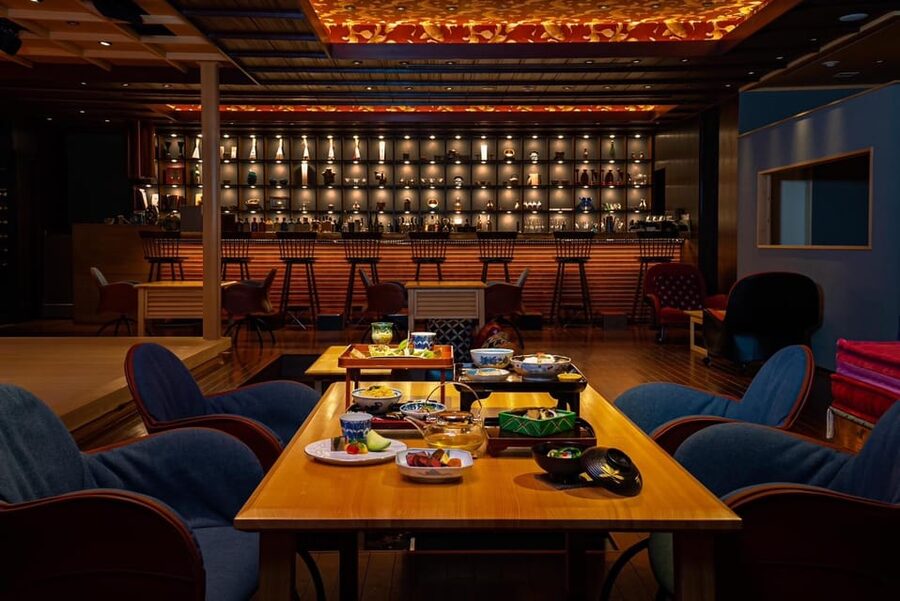
One of the best “quiet thrills” here is the table setting. The restaurant uses trays and dishes that have been inherited, with a reported history of more than 350 years in Nagasaki.
That detail matters for two reasons.
First, it supports the overall theme. You are not just eating Japanese food in a generic room. You are eating in a space that treats tradition like something you experience with your senses, not just read about.
Second, it makes the meal feel ceremonial without turning it into a stuffy museum. The food still arrives with warmth and hospitality. The setting just makes you pay attention.
What happens during the 2-3 hours: the rhythm of meal and show
The total duration is 2 to 3 hours, with the show woven through the dinner rather than running as a separate block.
Here’s the rhythm to expect:
- You arrive and take your assigned seat based on your option.
- Your first courses begin, and the space shifts into performance focus.
- During the dinner flow, you watch three performances, each about 10 minutes.
- You continue through the later courses, finishing with rice and dessert.
- At the end, you get a commemorative photo with the performers.
Because the segments are short, you are not sitting through long stretches without something happening. At the same time, you are not watching a continuous, full-length theater piece.
That balance is ideal if you want cultural time plus a relaxed meal, without exhausting your day.
Service, explanations, and the comfort factor
Service is part of the value here. The whole operation is designed to keep you comfortable and informed.
The restaurant provides English-language explanations of the food and performances, which helps a lot if you are not already familiar with kagura or Nihon-buyo. Even basic context changes how you read the movements, the music, and the course order.
You also have a choice of seat proximity, so you can match the experience to your comfort level. If you are short on patience, you still get a close view without needing to crane your neck for tiny details.
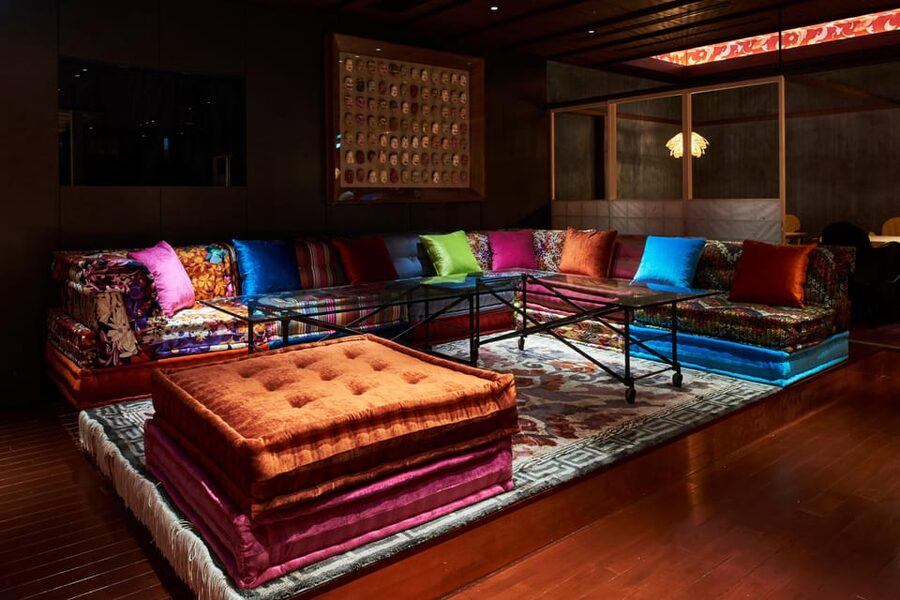
And yes, the room feels luxurious. It is not flashy. It is polished in a way that makes you feel like you made a special choice.
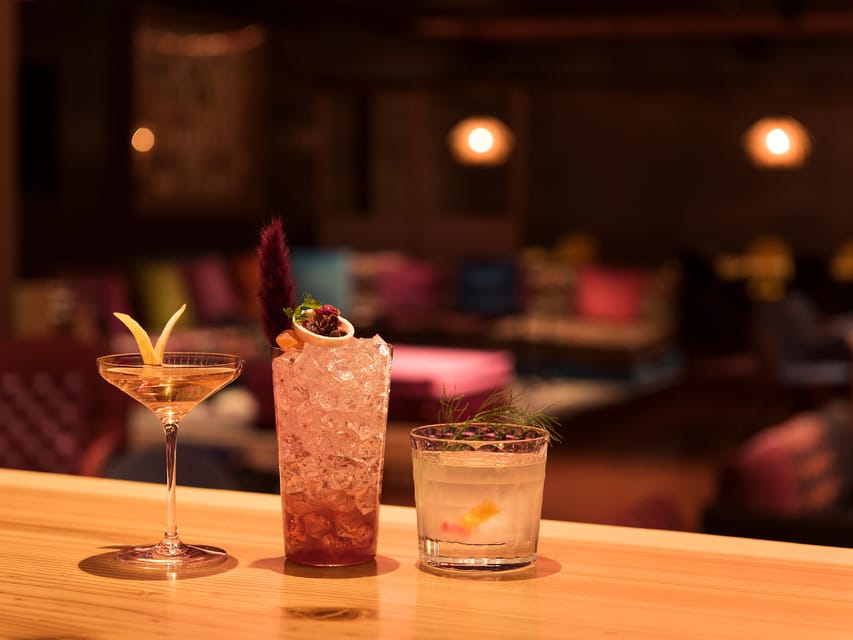
Price and value: is it worth $140 per group up to 1?
The listed price is $140 per group up to 1, for a 2 to 3 hour experience that includes both the meal and the performances.
On paper, it is not “budget Tokyo.” But it can be good value because you are getting several expensive components together:
- a full seasonal course dinner in a high-end format
- three live performance segments
- assigned seating, which is usually the first thing to get lost in translation at cultural shows
If you were to pay separately for a kaiseki-style meal and a cultural performance elsewhere, costs can add up fast. Here, you buy one package and you know what you’re getting.
One more practical note: the dinner includes the food, and one piece of feedback says no drink other than water is included with the meal. So if you want alcohol, budget for it separately.
Who should book this dinner show, and who should skip
I think this experience is best for adults who like both sides of the ticket: the meal and the performing arts.
You’ll love it if you:
- want a slower evening after a busy day in Tokyo
- care about traditional Japanese culture shown in a real setting, not a staged souvenir format
- enjoy kaiseki-style pacing and course-by-course flavors
- appreciate a close-up stage view
You might skip it if:
- you need a quick meal, because the dinner is deliberately paced
- you want a long performance runtime, because the live segments total about 30 minutes across three performances
- you have tight dietary restrictions and you cannot notify the restaurant in advance
- children under 10 are not suitable, so this is better for older kids who can handle a quiet dining environment
Should you book this Tokyo dinner show at SUIGIAN?
Book it if you want an evening that feels like you moved into the cultural world of Tokyo for a couple of hours. The main selling points are the close Noh-style stage, the seasonal full-course dinner, and the way the staff helps you follow the performance with English explanations.
Before you book, do three quick checks:
- Pick your date based on the performance type. If kagura is your target, choose one of the listed kagura days.
- Plan for a multi-course dinner pace, not a rushed bite.
- Tell the restaurant about allergies or vegetarian needs right away, not on the day.
If you want a cultural show that also gives you a genuinely “proper dinner,” this is one of the cleaner ways to do it in central Tokyo. If you only care about the performance and want a long runtime, you may feel you wanted more stage time. But if your goal is a balanced, elegant night of food plus art, SUIGIAN is a strong bet.
FAQ
What show will I see at SUIGIAN in February or March?
The performance changes by date. On Feb 5, Feb 10, Feb 17, Feb 25, March 10, March 17, and March 24 the regular performance is kagura. On other February and March dates, the regular performance is Nihon-buyo.
How long does the experience last?
The estimated duration is 2 to 3 hours.
What is included in the ticket?
You get a Japanese full-course dinner, the traditional Japanese performing arts show, and seat assignment based on the option you select.
Where is the meeting point and how do I get there by train?
The meeting point is Theater Style Restaurant&Lounge SUIGIAN, Fukutoku Garden B1F, 2-5-10 Nihonbashi Muromachi, Chuo-ku, Tokyo. The easiest train route is Tokyo Metro Mitsukoshi-mae Station (Exit A6), with about a one-minute walk.
Is SUIGIAN wheelchair accessible?
Yes, the activity is wheelchair accessible.
Can you accommodate allergies or vegetarian requests?
Yes, but you must inform the restaurant in advance when making your reservation. If you do not share your restrictions ahead of time, they may not be able to accommodate them after you arrive.
Is there free cancellation, and until when?
Yes. You can cancel up to 24 hours in advance for a full refund.
More Dinner Experiences in Tokyo
More Dining Experiences in Tokyo
More Tour Reviews in Tokyo






Not for you? Here's more nearby things to do in Tokyo we have reviewed












Tokyo City Tours, side by side.
 ★ 5.01-Day Tokyo Bus TourFrom $12914,250 reviews
 ★ 4.5TOKYO SKYTREE® Admission ticketFrom $1311,192 reviews
 ★ 4.6teamLab Planets TOKYO Digital Art Museum Entry TicketFrom $259,779 reviews
 ★ 4.0Mt Fuji & Hakone Cruise, Drum Show Bullet Train 1 Day from TokyoFrom $1497,413 reviews
 ★ 5.0Shinjuku Food Tour (13 Dishes at 4 Local Eateries)From $866,603 reviews
 ★ 4.4Tokyo Mt Fuji 5th St & Hakone Cruise Bus Tour w/Bullet TrainFrom $1545,024 reviews
 ★ 5.0Flagship 2-Hours Official Street Go-Kart Tour – Tokyo Bay ShopFrom $644,974 reviews
 ★ 4.5From Tokyo: Mount Fuji Full-Day Sightseeing TripFrom $684,970 reviews
This tour also belongs to