
Review · IMPERIAL PALACE TOURS
Imperial Palace run with fun trivia by an Imperial Palace geek
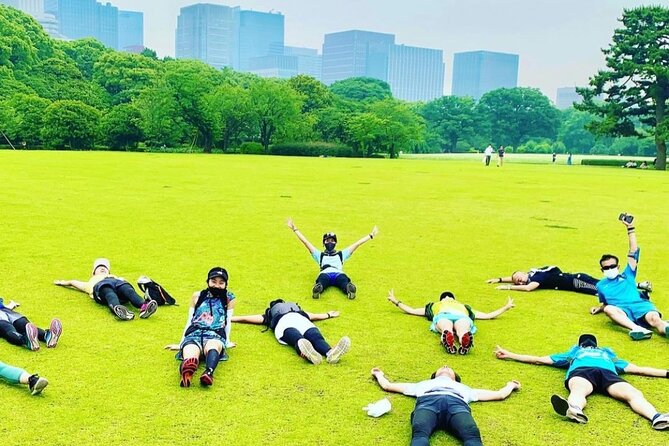
A morning run inside Tokyo’s most famous grounds. This small-group loop turns the usual Imperial Palace sightseeing into an active walk-run with fun trivia, led by YUKO. I especially like the early start for lighter crowds and the way you get real answers to questions, not just facts on a sign.
You’ll enjoy a pace that fits casual runners, with breaks built in so you can regroup at gates, bridges, and viewpoints. The only real consideration is the physical side: it’s listed for moderate fitness, and while you can walk, you still need comfortable shoes and weather-ready energy.
If you want a calmer way to see the Imperial Palace and actually learn what you’re looking at, this is a strong pick.
Key highlights that make this tour worth your time
- Small group (max 8) means you actually get to ask questions and keep a human pace.
- Early-morning timing helps you enjoy gates and bridges with less crowd pressure.
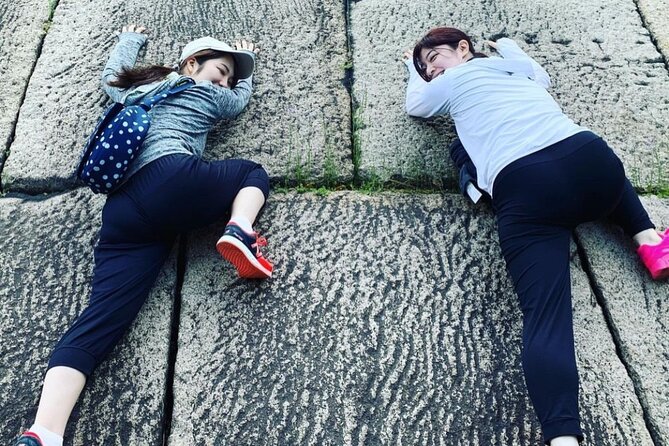
- YUKO’s trivia approach keeps the run from feeling like exercise-only.
- Iconic stops like Hanzo-mon and Nijubashi Bridge come with stories you can use while you’re there.
- Run or walk option makes it flexible for different comfort levels.
An early Imperial Palace run, with less crowd stress
Tokyo’s Imperial Palace area can feel like a magnet for visitors. This tour helps you beat that by starting early in the morning, around 8:30 a.m. You’re not stuck waiting in the same photo lines everyone else is doing later in the day.
The format also matters. You’re not just moving from point to point. The experience is designed as a morning jog with “fun trivia” about what you’re seeing, and that changes the whole vibe. A gate or stone wall becomes something you can picture and explain back to your travel crew.
And yes, it’s not only for hardcore runners. It’s clearly set up for casual runners and exercise fans, with enough stops that even if you keep a slower pace, you still feel like you completed something. If running isn’t your style, you can also walk at the pace of the group.
You can also read our reviews of more tours and experiences in Tokyo.



Starting at JOGLIS: the briefing, the gear, and the shower choice
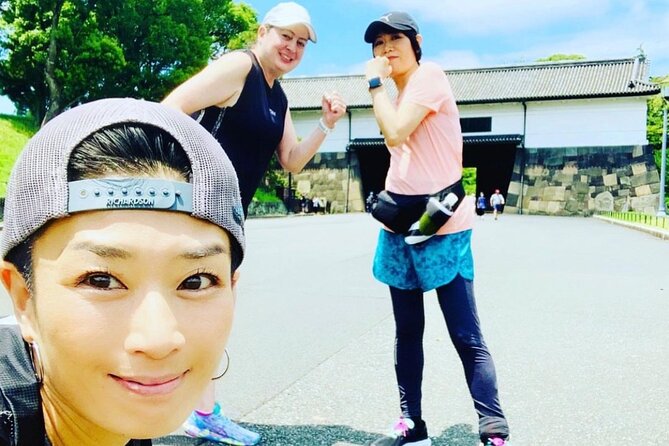
The tour begins and ends at JOGLIS in Kōjimachi (Chiyoda City). That’s handy because you’re not guessing where to meet near a major train station entrance. You’ll also get a briefing before you move out, focused on the history of the Imperial Palace and the rules of the Imperial Palace Run.
Gear is something to pay attention to in Tokyo mornings. You can run with your own shoes, or the tour notes that running clothes, shoes, and towels are available for rent for a fee. If you’re traveling light, this is useful, but it also means you should plan extra time if you need to size up.
Locker and shower access are optional. If you want the changing lockers and showers at JOGLIS, plan on an additional 1,500 yen per person. If you don’t care about showering, you can save that money and just run through your morning and do your hotel routine later.
Finally, you’ll carry a mobile ticket. In a city where paper slips are annoying, that’s a simple convenience that helps the whole morning run on rails.
Hanzo-mon and Miyake-zaka: gates, big views, and the first slope
Your first on-route stop is Hanzo-mon (Hanzomon Gate), where the running tour begins. From here, you’ll work your way into the Imperial Palace grounds through the area that connects to major city landmarks.
One of the best parts of this section is the viewpoint as you descend Miyake-zaka, described by the tour as one of the most beautiful slopes in Tokyo. On a morning like this, you can feel the city open up behind you while you move toward the quieter palace core. You’ll also catch views of landmarks you’ll likely want to remember later, like the National Theatre and the Diet Building.
This is a good stretch for warming up, but keep your effort gentle. Early runs can trick you into going too fast before you’re fully awake. The tour pacing includes stops, so you don’t need to prove anything.
Sakuradamon Gate: Mt. Fuji beliefs and the clock secret

Next you pass under Sakuradamon, the largest gate in the Imperial Palace. This stop is more than a photo moment. The guide shares the belief in Mt. Fuji, which many Japanese people cherish, and frames it as a kind of mental “power spot.” If you’ve spent time in Japan, you’ll recognize this style of storytelling: it’s not trying to convert you, it’s explaining why people care.
Then the tour does something fun and very specific. You get a second stop connected to Sakuradamon square, where you’ll hear the secret of the clock and why many runners gather there. That kind of detail makes the area feel personal. You’re not just walking in a crowd. You’re learning the internal logic of why people meet and how the run culture works.
A drawback? If you’re the type who hates stopping for short explanations, this part might feel like “too much guide talk.” But the tradeoff is you’ll understand what you’re seeing, which makes later sightseeing smoother.
Nijubashi Bridge photos and the Tokyo Marathon finish energy
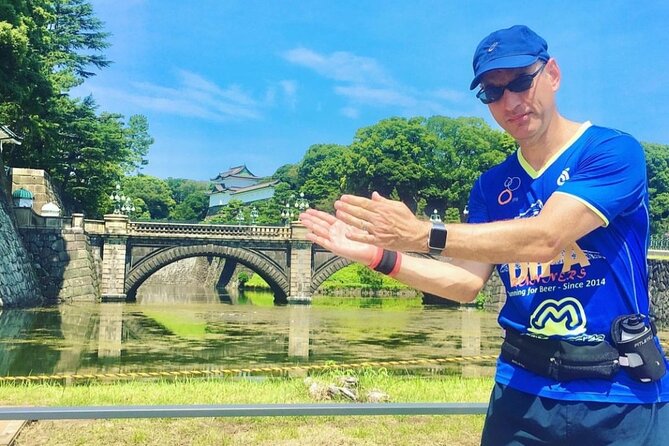
Then you reach Nijubashi Bridge (Two-tiered Bridge), one of the palace’s standout bridges. This is one of those places where the view does half the work. The guide still adds context, but the real win is the chance to take a commemorative photo without feeling rushed.
After that comes a stop at Gyoko-dori Avenue. This one’s special if you like the culture of big events. The tour frames this as the finish area of the Tokyo Marathon, and it even sets you up for photos like the marathon finish line scene.
You’ll also hear talk about Tokyo Station secrets and the connection between the Emperor and the Tokyo Marathon. That mix might sound random, but it works because it ties the palace area to modern Tokyo life. It’s a reminder that the Imperial Palace grounds are part of the city’s everyday story, not just an old postcard.
If you’re sensitive to crowds, keep in mind that photo spots can get busier. The early timing helps. Still, come ready to share the moment for a quick shot.



Kokyo Otemon Gate and the East Gardens entrance check
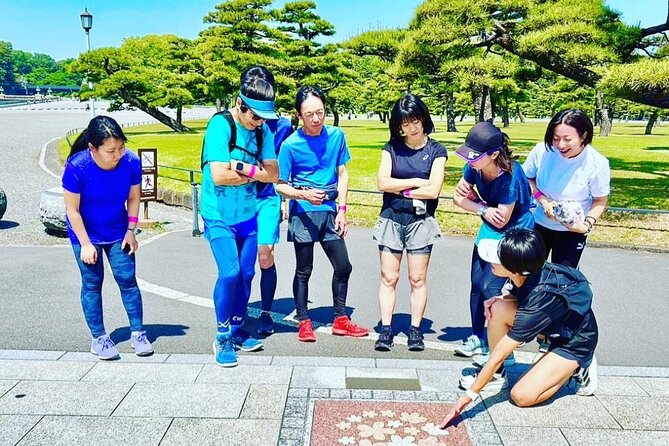
Next you reach Kokyo Otemon Gate, where the tour enters the East Gardens of the Imperial Palace. Before you go in, there’s a baggage inspection. That’s normal, but it’s worth planning for so you don’t arrive flustered.
At this gate, you’ll be greeted by a Shachihoko. It’s a distinctive decorative figure, and having it pointed out is exactly the kind of small “aha” that makes this tour feel different from self-guided walking.
This is also a good segment for noticing how the architecture and layout change once you’re inside. The palace space feels more open and controlled. The guided stops help you notice details that many visitors walk past quickly.
Fujimi-yagura and Tenshudai: seeing Edo Castle pieces, not full reconstructions
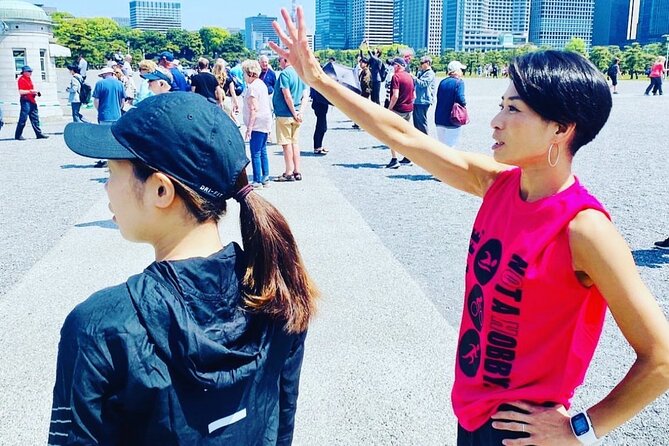
After the East Gardens entrance, you’ll make your way to Fujimi-yagura, described as beautiful turrets that served as a substitute for the keep during the Edo period. The guide calls it a little castle. That’s a helpful framing. Instead of expecting a full medieval fortress, you start looking at what’s actually there and why it matters.
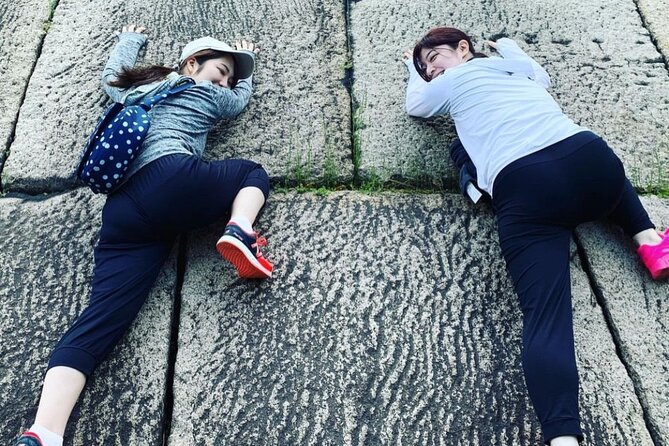
Then you reach Tenshudai (Remains of the main tower). Here, the experience gets even more historical. You’ll see the stone walls of the Edo Castle keep. The keep itself was destroyed by fire, so you won’t see the original tower. Instead, you’ll see a reconstructed model.
That “what you can and cannot see” honesty is useful. If you expect a full structure, you might feel let down. If you’re prepared for remnants and models, it becomes a more meaningful experience because you’re learning what history left behind.
If you like museums and models, this section will land well. If you only want broad scenery and fast movement, you may want to keep your attention on the walk and treat the history as bonus context.
From Kita Hanebashi-mon Gate to cherry blossom favorites
The tour returns to the outside of the Imperial Palace through Kita Hanebashi-mon Gate, described as a drawbridge of the Edo Castle. From there, the uphill climb begins, but you run at your own pace and enjoy the rhythm.
That self-pacing note is important. Uphill is where casual runners tend to suffer silently. If the group moves slower, you’ll feel better. If the group moves faster, you’ll still have permission to slow down and recover.
Then you hit Daikancho-Dori, known as a street where daimyo residences were during the Edo period, and also known as a cherry blossom viewing spot. The tour doesn’t just show you the street. It positions it as a place where political history and seasonal culture overlap.
Finally, you reach Chidoriga-fuchi Park, a famous cherry blossom viewing spot. The guide teaches secrets of cherry trees that Japanese people cherish. Even if it isn’t peak blossom time, you’ll still get that cultural lens that turns trees into stories.
If you’re visiting outside cherry season, this can still be worthwhile. It’s not only a photo stop, it’s a cultural explanation, which is exactly what you want from a guide when the season doesn’t cooperate.
How YUKO’s trivia changes the whole morning
A lot of city walks in Japan are quiet. This one is active and conversational. The biggest “value multiplier” is that you can ask the guide any questions you like about the Imperial Palace. That turns the morning into a Q and A you control.
The tour is also set up in Japanese and simple English, so you’re not left out even if you don’t speak much Japanese. It’s small-group travel, with a maximum of 8 people, which helps because you’re not waiting for your turn.
YUKO is the guide name I saw in the guest feedback, and the tone of her responses says it all. She comes in with strong passion for the Imperial Palace, and she carries that into the walk-run format. People loved the pacing too. Running wasn’t constant. There were stops, short walks, and changes in intensity, so it felt fun rather than punishing.
That pace design is a big deal. In a place like the Imperial Palace, you want your eyes open, not glazed over. Breaks give you time to notice, take photos, and absorb stories.
Price and value: what $90 covers, and what costs extra
This tour costs $90 for about 2 hours 30 minutes. You’ll get the guide fee included, and you’ll receive a mobile ticket. Most of the stops are free in terms of admission ticket, and the experience itself is built to be mostly included as you move around gates and gardens.
So what feels “extra”? The big one is lockers and showers at JOGLIS for 1,500 yen. If you care about starting fresh or freshening up before later sightseeing, that cost can be worth it. If not, you can skip it.
Another potential extra is rental gear if you need shoes, towels, or running clothes. The tour mentions rentals for a fee, but it does not list the prices here. If you plan to rent, check in advance so you’re not doing math on a morning run.
In plain terms, the money buys you three things:
1) a guided route through a complex area,
2) structured stops for stories and photo moments,
3) the freedom to walk when you want.
That’s good value compared with paying for a standard sightseeing guide without the exercise-friendly pacing.
Who should book this, and who should pass
This experience fits best if you’re:
- a casual runner or exercise fan who wants something more interesting than a treadmill route
- the type who likes learning as you move, especially through specific gates and landmarks
- traveling with limited time and wanting a focused morning loop in the Imperial Palace area
You’ll also appreciate it if you want a calmer day. It’s early and smaller-scale, so it feels more personal than wandering in a big crowd.
You might skip it if:
- you dislike any uphill segments, because the tour notes an uphill climb after exiting through Kitahanebashi gate
- you want a mostly silent, self-led walk with no trivia or guide explanation
The tour lists moderate physical fitness as the target. If you can walk comfortably for a couple of hours and handle short running bursts, you’re likely fine.
Should you book the Imperial Palace run with YUKO?
I think you should book it if you want a morning that blends culture and movement without feeling like homework. The early start helps. The small group size helps. The ability to ask questions, plus the specific trivia tied to gates like Sakuradamon and bridges like Nijubashi, turns “I saw it” into “I understand it.”
If you’re on the fence, decide based on one thing: do you enjoy learning while you walk? If yes, this is a great use of a Tokyo morning. If no, you might find it too stop-and-go.
Either way, wear comfortable shoes and show up ready for good weather. The tour is weather-dependent, and if conditions are poor you’ll be offered a different date or a full refund.
FAQ
What time does the Imperial Palace run start?
It starts at 8:30 a.m.
How long is the tour?
The tour runs for about 2 hours 30 minutes.
Is the tour run-only or can I walk?
You can also walk if running isn’t your thing.
How many people are in the group?
The tour has a maximum of 8 travelers.
What is included in the price?
The guide fee is included. The tour also uses a mobile ticket.
Are lockers or showers included?
No. If you want to use the lockers and showers at JOGLIS, it costs an additional 1,500 yen per person.
What languages is the tour conducted in?
The tour is conducted in Japanese and simple English.
More Tour Reviews in Tokyo
Not for you? Here's more nearby things to do in Tokyo we have reviewed












Imperial Palace Tours, side by side.
 ★ 5.0Imperial Palace and Shogun Historical Walking TourFrom $222,251 reviews
 ★ 4.9Imperial Palace Japanese History Walking TourFrom $32987 reviews
 ★ 4.9Imperial Palace and Shogun Walking TourFrom $16935 reviews
 ★ 5.0Imperial Palace East Garden and Edo Castle Walking Tour in TokyoFrom $25510 reviews
 ★ 4.8Imperial Palace East Gardens Walking TourFrom $19353 reviews
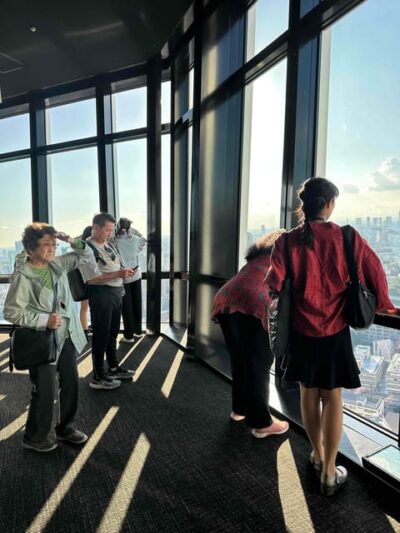 ★ 4.5Imperial Palace, Sensō-ji Temple, & Tokyo Tower TourFrom $40339 reviews
 ★ 5.0Tokyo Castle, Imperial Palace, Shogun & Garden Walking TourFrom $31211 reviews
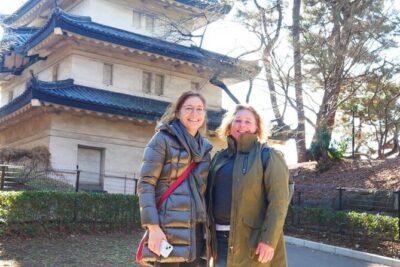 ★ 4.7Edo Castle & East Garden of the Imperial Palace TourFrom $42112 reviews
This tour also belongs to