
Review · IMPERIAL PALACE TOURS
Tokyo: Imperial Palace and Shogun Historical Walking Tour
Tokyo royalty, minus the museum feeling. This Imperial Palace East Gardens walk turns big, official history into something you can see and ask about in real time, with a small group pace that feels human.
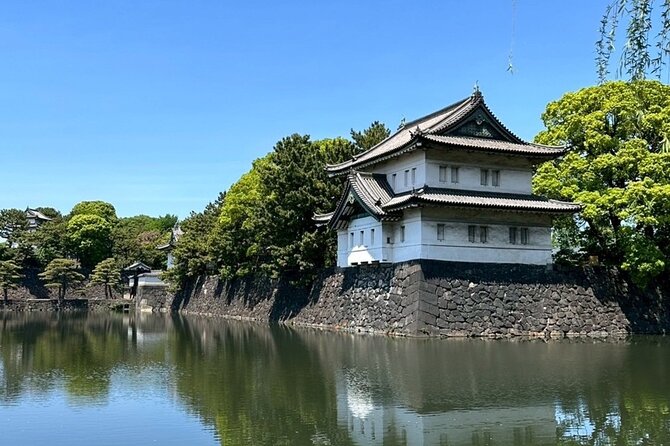
I like that you’re guided through stone gates, castle wall remnants, and garden grounds tied to the Edo period, so the place makes sense fast. One possible drawback: you need to be on time at the Starbucks meeting point, because late arrivals can cut your time on site.
I love how this tour removes the homework. You get guide commentary while you walk, so you do not have to research the Imperial family or the former Edo Castle grounds ahead of time, and you can ask questions along the way. You also spend meaningful time in Ninomaru Garden, where ponds and seasonal flowers land better when someone explains what you are looking at.
The main thing to consider is simple: this is a walking tour, and the grounds include uneven paths and some slopes. If you prefer ultra-light strolling, or you want a quick photo stop-and-go, plan your expectations around moving at a relaxed but steady pace.
Key takeaways before you go
- Max 15 travelers keeps the tour manageable and question-friendly.
- Admission ticket included for the main garden area means less admin.
- Ninomaru Garden time gives you more than a photo pass.
- Edo Castle keep foundations help you picture the old fortress layout.
- Guide-led walking route reaches areas that bus tours often skip.
- Mobile ticket makes day-of check-in straightforward.
Imperial Palace East Gardens, and the Edo Castle story you can actually see
Tokyo’s Imperial Palace East Gardens are famous for a reason, but they can also feel a bit “blank” if you visit without context. This tour fixes that by giving you a story you can map onto the ground. As you walk, the guide connects what you see, like stone gates and wall remnants, to the Edo Castle era and the shogunate world that used to stand here.
I like that the focus stays practical, not academic. You are not just hearing dates. You are learning how power and ceremony shaped the landscape, why certain spaces were built the way they were, and how the Imperial family’s presence changed the meaning of the site over time. The result is a calmer visit, because you are not guessing.
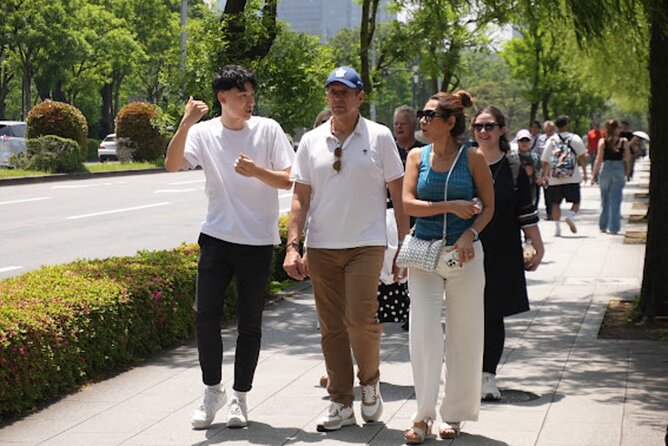
It also helps that the pace is intentionally relaxed. With a group size capped at 15, you are less likely to get lost in a slow-moving crowd, and the guide can point out details that disappear when you walk alone.
You can also read our reviews of more walking tours in Tokyo


Meeting at Starbucks Kokyo Gaien Wadakura Fountain Park: Getting started right
The tour meets at Starbucks Coffee, Kokyo Gaien Wadakura Fountain Park, address 3-1 Kōkyogaien, Chiyoda City, Tokyo 100-0002. It ends back at the same meeting point, so you are not stuck figuring out a one-way return later.
I strongly recommend arriving a little early, even though the tour is near public transportation. The imperial grounds can be time-sensitive, and one piece of feedback showed that when communication breaks down at the start, you can lose valuable time on site. That is not the sort of risk you want to take for a tour that is only about 2 hours.
If you are using a navigation app, double-check you are at the right Starbucks and entrance area. “Near public transportation” is helpful, but it still means you should plan buffer time for station exits and street crossings.
Also, bring the basics that make a walking tour work smoothly: water, weather layers, and comfortable shoes. You will be on your feet, and the day will go better if your feet are happy.
Walking the Edo Castle ruins: Stone gates, wall remnants, and imagined keeps
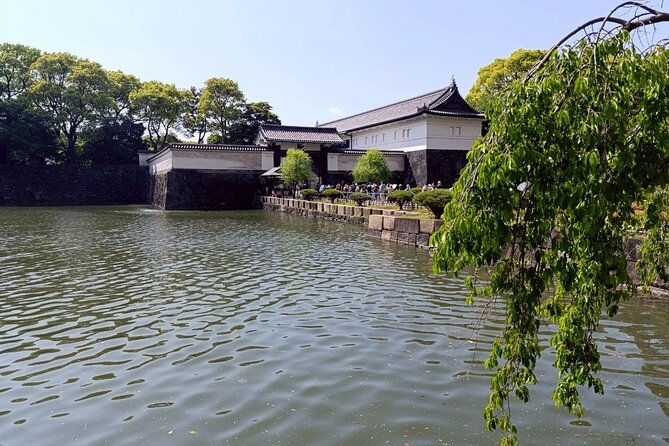
The core of the experience is a guided walk through the East Gardens as they relate to the Edo Castle ruins. You start encountering elements like majestic stone gates and remnants of the towering castle walls. Even without seeing every original structure, the layout becomes legible once you understand what the castle needed to do: control movement, defend key areas, and reinforce authority.
One of the most striking moments is standing near the foundation area connected to the once-mighty castle keep. This is where the tour earns its keep, because your brain can picture the old fortress scale. Without guidance, that same spot can feel like just another historical foundation. With guidance, it turns into a mental map of how the space functioned.
The guide also walks you through why the Edo period aesthetic and engineering mattered. You are not just learning what happened. You are learning how the site was designed to support the political reality of the shogunate and feudal lords who lived by strict rules of space and access.
What to watch for: this is not a sit-down lecture. You will walk through meaningful but spaced-out stops. If you want a faster punch of highlights, you may feel the tour lingers slightly at certain points. If you like absorbing atmosphere and details, you will likely find the pacing just right.
Ninomaru Garden ponds and seasonal flowers at a slower tempo
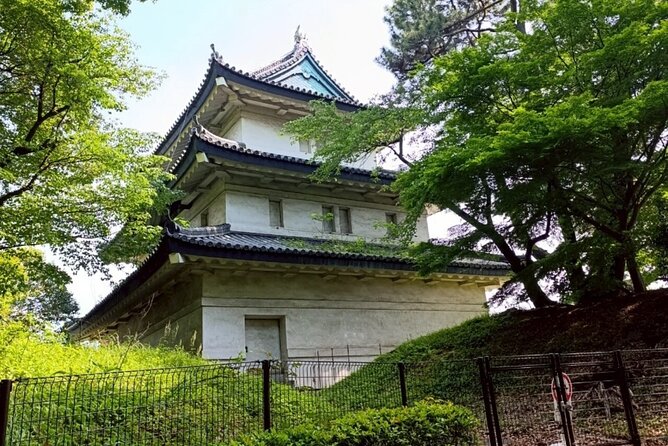
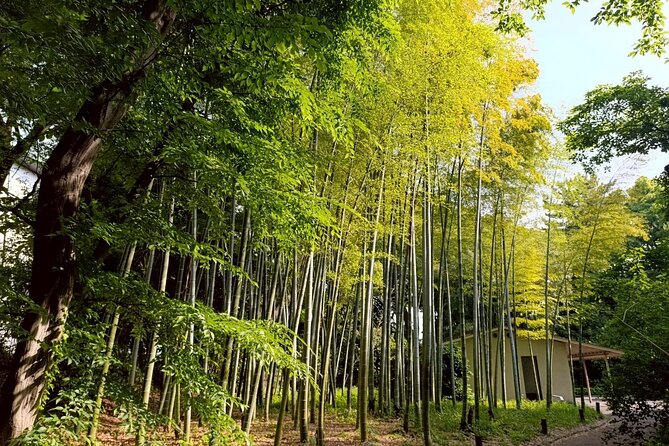
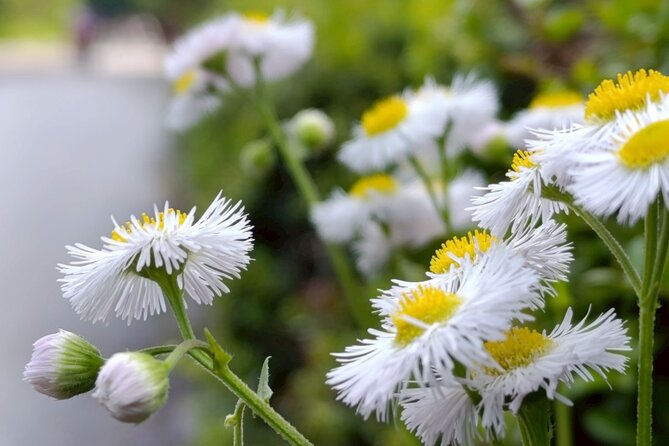
Ninomaru Garden is one of the big reasons this tour feels more satisfying than a quick pass. The garden includes elements that change with the seasons, like flowers and tranquil ponds, and the guide helps you notice them with purpose. It is still a beautiful place to look around, but you also learn what these features signaled during the Edo period.
I like that the tour does not rush the garden experience. Even though this is a 2-hour tour overall, the garden time is long enough to feel like you are actually in it, not just scanning it for photos. When someone points out what to look for, the garden stops being background scenery and becomes part of the story.
If you like photography, this is a smart place to pause and take your time. The surroundings are visually calm, and you are likely to get better framing when you are not walking full-speed between photo stops.
One consideration: popular garden areas can still feel busy depending on your day and season. A guide can help you move efficiently, but the setting itself may have normal visitor flow.
What you gain from guides like Blake, Jim, Miguel, Tony, and Aya
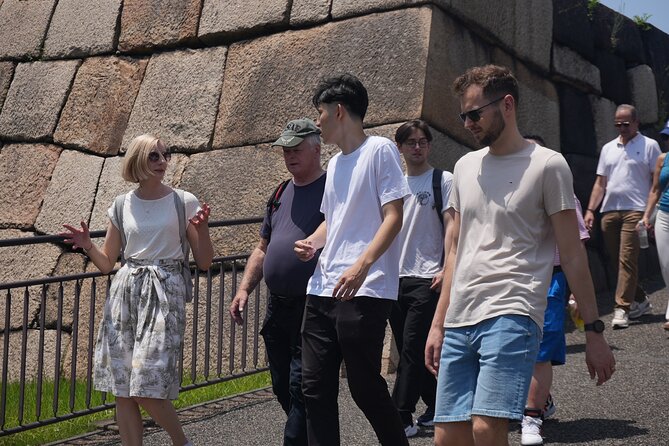
A big part of the tour’s reputation comes from how guides tell the story. Names showing up in feedback include Blake, Jim, Miguel, Tony, Aya, Izzy, Lasse, John, Dylan, Mitchi, and Michi. Across those examples, the common thread is engagement, with guides who connect Imperial Palace details to both past and modern Tokyo so it clicks.
I love the variety in how guides approach the same space. Some guides lean more into architecture and layout, which is great when you like seeing how buildings and walls shape movement. Others focus more on cultural context and practical meaning, which helps when you want to understand why people cared about these spaces in the first place.
Another practical benefit is that the guide gives you a platform to ask questions. That matters here because the Imperial Palace East Gardens can be confusing if you are not sure how Edo Castle history fits into the Imperial story line. You do not need to know anything going in. You can ask, and the guide can adjust the explanation to your interests.
One small caution: if you prefer very short, light commentary, you might find some explanations longer than you expected. That shows up in feedback as guides who over-explain or repeat a bit. Still, for most people, the extra context is the reason they book the tour in the first place.
You can also read our reviews of more historical tours in Tokyo




Value for 22 dollars: you pay for context and time, not just entry
The price is $22.00 per person, and the tour includes an admission ticket for the main garden stop. On paper, it may look like an easy “why not DIY” question, since you can often visit historic areas on your own.
Here is why the tour can be worth it. You are buying guided interpretation that helps you see the Edo Castle ruin areas, the significance of the palace grounds, and how the story connects to what you are physically standing next to. You also save time figuring out what matters, where to look, and what each landmark implies.
You are also paying for the small-group format. With a maximum of 15 travelers, you get a more conversational rhythm than you would on a bigger bus-style tour. That matters in places where the best points are not always obvious at first glance.
If you are the type of traveler who likes to read a little before you go and then wander, you might feel you can do it alone. But if you want the visit to feel meaningful without turning it into homework, this format is a solid value.
Practical tips for a comfortable Imperial Palace walk
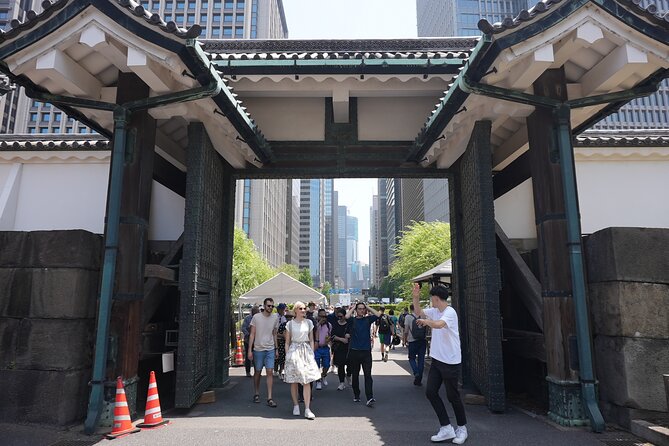
This tour is built around walking, so your comfort affects everything. Wear shoes with grip. Even if you are not doing anything “hard,” you will be moving over garden paths and uneven surfaces, and some slopes are part of the experience.
Plan for weather. The Imperial Palace East Gardens are outdoors, and day-of conditions will shape how long you want to linger in one spot. Bring a light layer and something to block sun or rain.
Bring a charged phone too. The tour uses a mobile ticket, and while check-in is typically quick, you do not want battery anxiety while you are waiting.
Lastly, keep your eyes up as well as down. A guide can point out details like stonework and garden design, but you still need to look. The best moments are often the ones you would otherwise skip, like the foundation area where the keep once stood or the way wall remnants frame views.
Who should book this tour, and who might prefer a different style
This tour fits best if you want a relaxed, guided introduction to Tokyo’s royal and shogunate-linked history without feeling like you are studying. It is also a great match if you enjoy green spaces and want the garden atmosphere connected to political history rather than treated as separate.
You will probably enjoy it even more if you like asking questions. The small-group cap of 15 makes that easier, and the guide commentary is a big selling point.
Who might look elsewhere? If you want a very fast checklist of highlights, or if you dislike walking tours with longer explanations, you may feel the tour runs a bit long at certain stops. Also, if you have mobility concerns, you should consider the fact that this is a walking route with some slopes, even though most travelers can participate.
Should you book the Imperial Palace and Shogun Historical Walking Tour?
Yes, I think you should book it if you want the Imperial Palace East Gardens to feel like more than pretty scenery. The best reason is the guided interpretation of Edo Castle ruins and the shogunate-to-Imperial connection, paired with the calm setting of the East Gardens.
Book it especially if you are traveling solo or as a couple and like a small group structure. The max-15 size keeps the tour social but not chaotic, and it gives you room to ask questions without feeling rushed.
Skip or reconsider if you strongly prefer very short visits, or if you are worried about timing sensitivity at the start. For this tour, being on time matters. Show up early at Starbucks Kokyo Gaien Wadakura Fountain Park, and you will set yourself up for a smoother, more rewarding walk.
FAQ
How long is the Tokyo Imperial Palace and Shogun Historical Walking Tour?
It is about 2 hours.
How much does the tour cost?
The price is $22.00 per person.
Is admission included?
Yes. An admission ticket is included for the main stop at the East Gardens of the Imperial Palace and Edo Castle Ruin.
Where does the tour start?
The meeting point is Starbucks Coffee – Kokyo Gaien Wadakura Fountain Park, 3-1 Kōkyogaien, Chiyoda City, Tokyo 100-0002, Japan.
What is the maximum group size?
The tour has a maximum of 15 travelers.
Do I get a mobile ticket?
Yes, the tour uses a mobile ticket.
Is the meeting point near public transportation?
Yes, it is near public transportation.
Can most travelers participate?
Yes, most travelers can participate.
Where does the tour end?
The tour ends back at the meeting point.
What is the cancellation policy?
You can cancel for a full refund if you cancel up to 24 hours in advance.
More Walking Tours in Tokyo


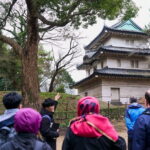
More Tours in Tokyo






More Tour Reviews in Tokyo


Not for you? Here's more nearby things to do in Tokyo we have reviewed












Imperial Palace Tours, side by side.
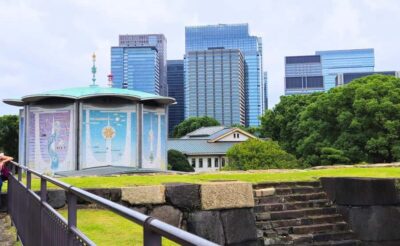 ★ 4.9Imperial Palace Japanese History Walking TourFrom $32987 reviews
 ★ 4.9Imperial Palace and Shogun Walking TourFrom $16935 reviews
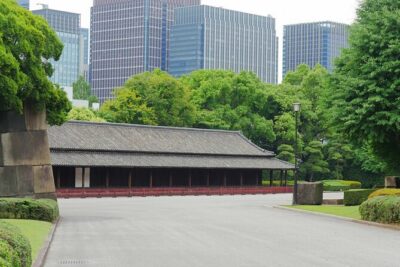 ★ 5.0Imperial Palace East Garden and Edo Castle Walking Tour in TokyoFrom $25510 reviews
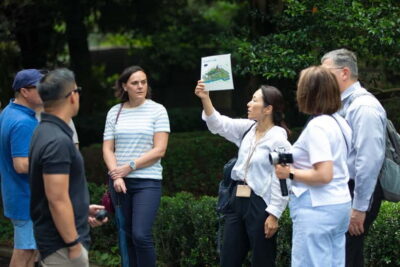 ★ 4.8Imperial Palace East Gardens Walking TourFrom $19353 reviews
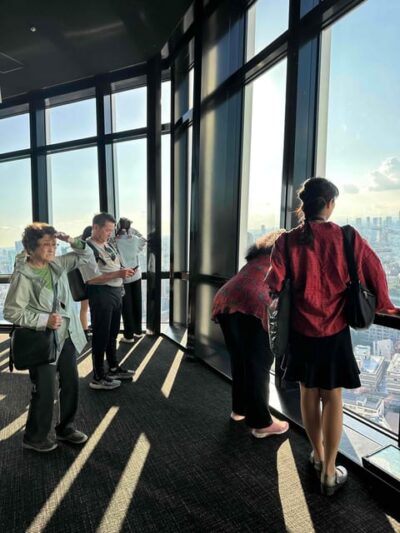 ★ 4.5Imperial Palace, Sensō-ji Temple, & Tokyo Tower TourFrom $40339 reviews
 ★ 5.0Tokyo Castle, Imperial Palace, Shogun & Garden Walking TourFrom $31211 reviews
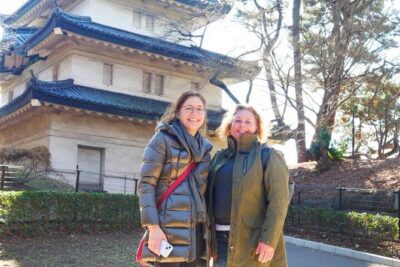 ★ 4.7Edo Castle & East Garden of the Imperial Palace TourFrom $42112 reviews
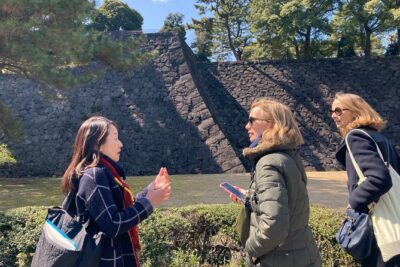 ★ 5.0Tokyo Private Tour! Edo Castle & Imperial Palace East GardensFrom $65105 reviews
This tour also belongs to