
Review · IMPERIAL PALACE TOURS
Tokyo: Edo Castle & East Garden of the Imperial Palace Tour
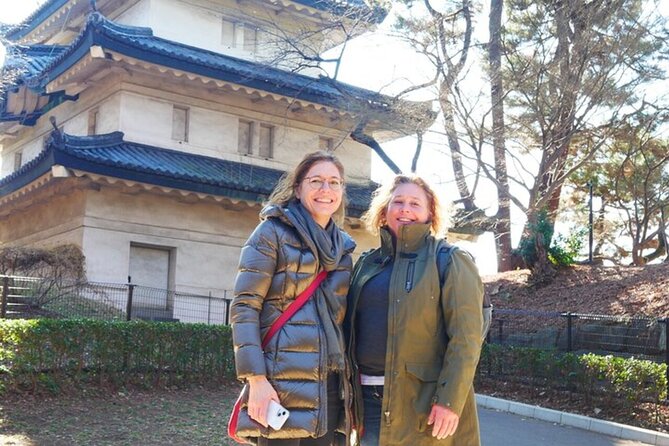
Time travel starts at Wadakura Fountain Park. This 2-hour walk with a live English guide turns Tokyo’s Imperial Palace East Gardens into an Edo Castle ground-level story, and I love how the tour points out details you would otherwise miss, especially the must-see koi fish moment and the way shoguns and emperors connect to what you’re seeing.
One big consideration before you go: the East Gardens are closed on Mondays and Fridays, and the tour does not enter the Imperial Palace (so plan your expectations around the outer grounds).
Key things I’d circle before you book
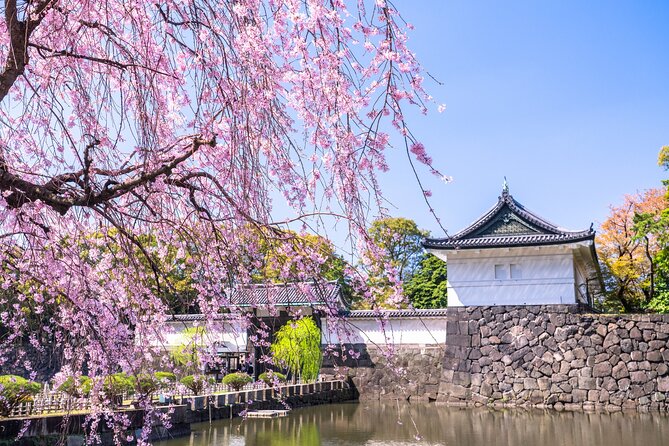
- Meet your guide at Wadakura Fountain Park in front of the fountain, holding a sign that says Gotcha
- Edo Castle history without rushing in a relaxed 2-hour walking format
- East Gardens built on Edo Castle grounds so you walk a layered timeline
- Guides bring the site to life with stories of shoguns, emperors, and everyday power in the Edo era
- The koi fish stop is a highlight and a fun photo target
- You won’t go inside the Inner Palace, and the gardens have set closure days
Start at Wadakura Fountain Park, then get your bearings fast
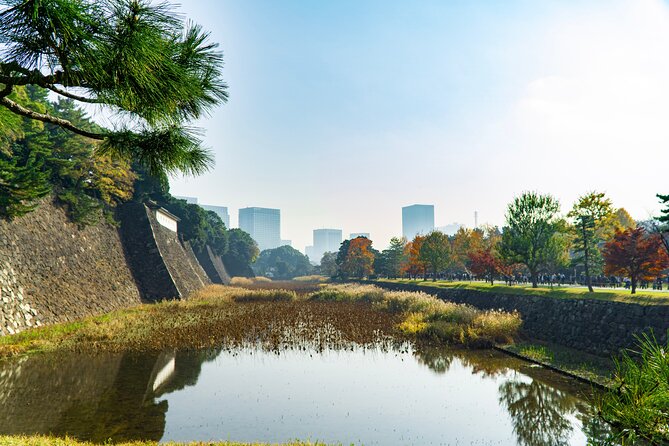
Wadakura Fountain Park is a smart launch point, because it gets you oriented quickly and keeps the tour from feeling like a long slog across Tokyo. You meet your guide right by the fountain, and they hold a sign that says Gotcha, so you’re not playing the guessing game when you arrive.
I like that the tour is built around an easy rhythm: you walk, you pause, you listen, you look again. That pace matters in the Imperial Palace area, where details are easy to overlook if you’re just sightseeing solo. Guides like Hiroshi and Hitoshi get praised for explaining what you’re actually looking at, not just listing facts, and that makes the whole area feel clearer.
Practical tip: arrive a few minutes early and take a breath. Japanese gardens and palace grounds reward calm attention. If you’re traveling with seniors, this kind of guided “slow and steady” pace tends to work well, and guides have been noted for accommodating groups with older travelers.
You can also read our reviews of more tours and experiences in Tokyo.



Imperial Palace East Gardens: walking the Edo Castle footprint
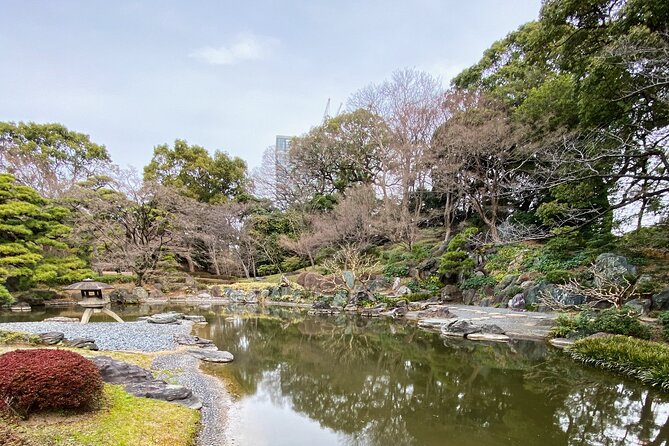
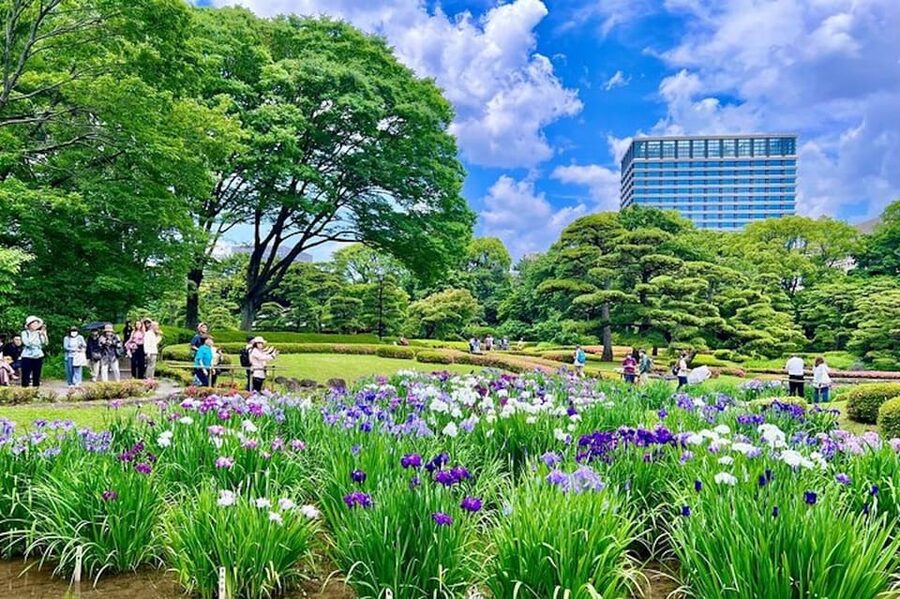
The core of this experience is the East Gardens of the Imperial Palace, which were built on the main grounds of Edo Castle, where the shogun ruled. That single detail changes how the place feels. You are not just in a pretty park. You’re walking over a foundation of political power, residence, and ceremony from Japan’s Edo era.
Inside the 2-hour window, you’ll move through the gardens at a leisurely pace while your guide connects the dots: why certain areas mattered, what the layout suggests, and how Edo-era authority shaped daily life. The best guides also help you see the site as a living system, where walls, paths, gates, and garden features all had purpose.
One reason this tour earns such strong marks is the “story plus sight” approach. Guides such as Naoko, Shigeru, Masahito, and Mikio are repeatedly praised for bringing the imperial family angle and the shogun era angle together, so you leave with a clearer mental map of how the eras relate to the grounds you walked.
You also get that classic Tokyo contrast: right outside the modern city pulse, you’re in a space designed for pause. Even if you’re not a garden person, the Edo Castle context gives you a reason to slow down.
Edo era stories that make shoguns and emperors feel real
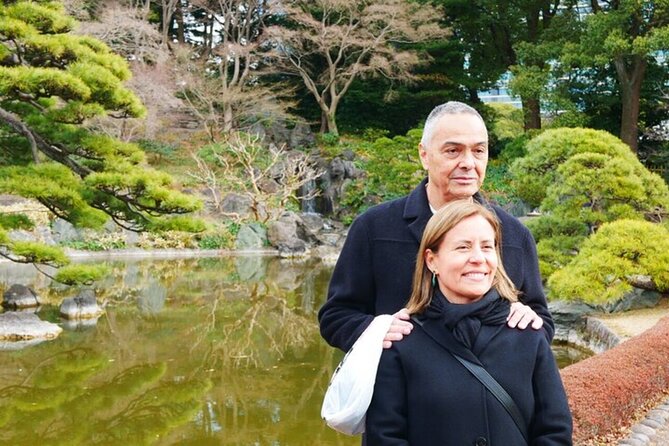
The tour’s real value is the historical narrative, because the Imperial Palace grounds can feel abstract if you only see structures from a distance. This guide-led walk focuses on the Edo period and the relationship between shoguns and the imperial household, and it does that at a pace that feels friendly rather than lecture-heavy.
What I like about the way guides handle this is how they connect big themes to small things you can see. That includes architecture cues, how power was displayed, and the idea that Tokyo was shaped by governance long before modern neighborhoods took over.
From the feedback you shared, you can expect this kind of teaching style from guides such as:
- Hiroshi, noted for extra historical and cultural context
- Yoshi, praised for clear insight into the imperial family and the gardens
- Shigeru, singled out for excellent English and an engaging way of explaining the area
- Masahito, who’s been described as patient, friendly, and strongly informed about Japanese culture
If you’re traveling with kids, this style can land well. At least one family booked because the guide made the material work for a 9-year-old. The trick is asking questions. If your guide offers examples, take them up on it.
Possible drawback: because the Inner Palace is off-limits, the tour leans more on interpretation and what you can access around the grounds. If you’re hoping for an inside look at the palace itself, you’ll need to adjust your plan.
What you can actually see: gardens, structures, and garden details
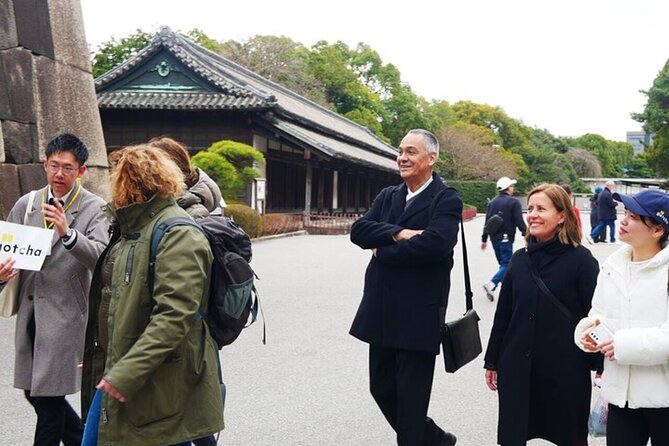
Even though the tour stays within the East Gardens area, you’re still likely to notice features that don’t feel “generic park stuff.” Guides have been praised for pointing out architectural and site details, including remnants of older structures and wall lines, and even showing points of interest like entrances that are relevant to the grounds’ history.
This is where a guide earns their keep. Left alone, it’s easy to admire trees and paths and then walk away with only a vague sense of where you are. With a good guide, you start noticing patterns: how the grounds were shaped, why certain routes exist, and how garden design supports the surrounding purpose.
Rain can happen in Tokyo, and some guides have still managed the experience well in wet weather, including keeping the tour engaging rather than turning it into a hurried sprint. So if you get gray skies, don’t assume the day is ruined. Just dress for walking and bring a light layer if you tend to get cold.
Photo tip: plan to stop. People rush photos here, then miss the story that goes with the view. Let your guide take you to the best angles, especially around points where the grounds open up. Several guides have been praised for helping with group photos, so you won’t need to wrestle your camera timer while listening.
The koi fish moment you should not rush past
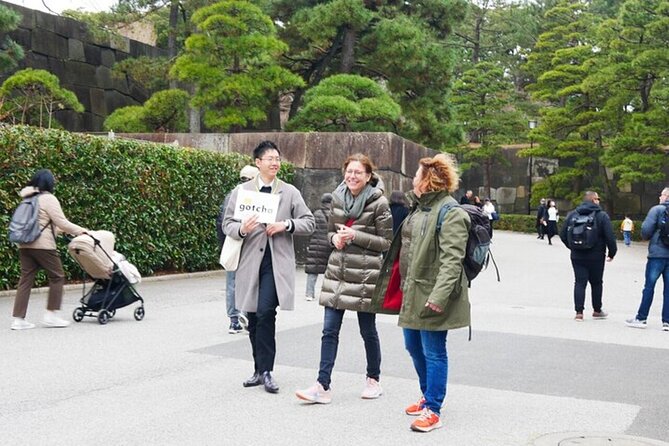
The highlight that almost jumps off the page is the koi fish. This tour specifically calls out a must-see koi moment, and that matters because it gives you a tangible, memorable anchor for the whole history theme.
Koi are not just “cute fish” in Japan. In many places, they symbolize endurance and life in a way that fits the garden setting. In an East Gardens walk, the koi stop works as a reset. You move from history and structure to something slower and visual, which makes the entire tour feel balanced.
I also suggest you treat the koi area as your photo break. If you’re the kind of person who forgets photos until you’re halfway back, use this moment on purpose. Ask your guide when they stop there, and give yourself enough time to look first, then shoot second.



Dates and access rules: when to go, what you will miss
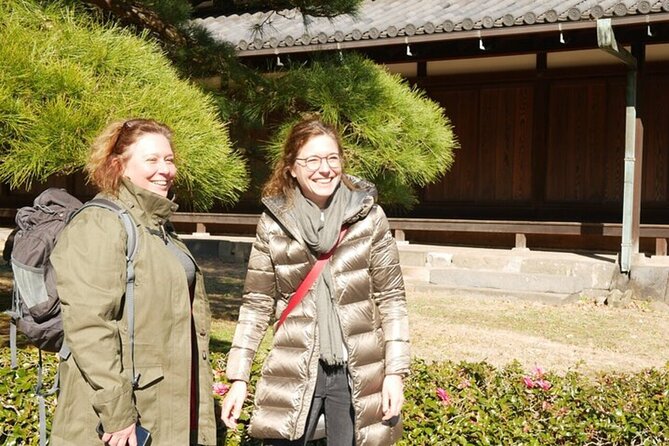
Read this part twice, because it prevents disappointment.
The East Gardens are closed on Mondays and Fridays. If your Tokyo dates land on either day, you’ll want to either switch tours or plan around a different Imperial area visit on another day.
Also, the tour does not go inside the Imperial Palace, and the Inner Palace is not open to the public. That means you should expect a guided walk focused on the East Gardens and the accessible parts of the grounds, not an interior palace tour.
On top of that, once you enter the grounds of the Imperial Palace, visitors are subject to a baggage inspection. This is normal for security. The best move is to travel light, keep items easy to access, and give yourself a little extra time if you’re the type who gets flustered by lines.
One more practical note: if you plan to purchase Japanese knives or other items that could be used as weapons at markets such as Tsukiji or Asakusa, leave them in a coin locker before the meeting. The point is simple. Don’t show up holding items that create extra hassle at inspection.
Price and value: $42 for 2 hours in Tokyo
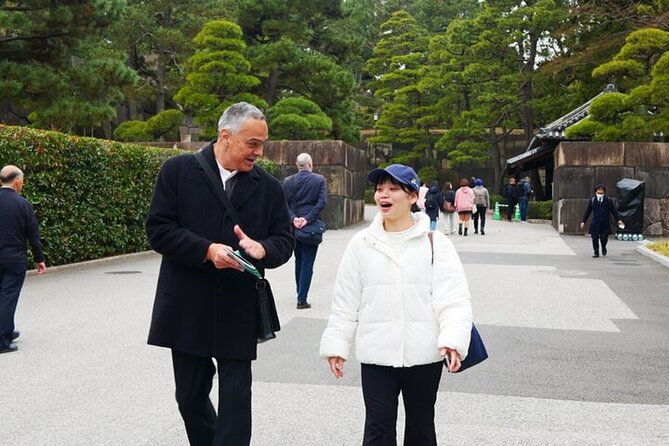
At $42 per person for about 2 hours, this isn’t a bargain half-hour add-on. It’s priced as a focused, guided experience in one of the most historically charged areas in the city.
So the question is: what do you get for the money?
You’re paying for:
- a live English guide
- a guided walk through the East Gardens
- historical context that helps you interpret what you see
- a tour structure that keeps you from getting lost in the details
Is it as “big” as a full-day trip to somewhere like Mount Fuji or Nikko? Not really. One of your notes even questions whether the price matches the time compared with full-day outings. That’s a fair point.
But for many people, the value comes from convenience and depth in a compact window. If you want a high-signal history start to your Tokyo trip, this is a clean fit. You’re not spending half your day commuting, and you’re not guessing what you’re looking at. In Tokyo, that kind of guided clarity can be worth a lot.
My rule of thumb: if you enjoy history and you like walking tours, this hits the sweet spot. If you prefer big, scenery-heavy day trips and want less talking, you might feel it’s too short for the ticket.
Who this tour is best for (and who should think twice)
This tour shines for:
- history fans who want Edo Castle and Imperial Palace context in plain language
- first-time Tokyo visitors who want a guided “anchor” experience
- people who prefer a calm morning or early afternoon walk
- families, since at least one parent reported the guide answering well for a child around 9
- seniors, because multiple guides were praised for accommodating older travelers and slower walking needs
Think twice if:
- you want to go inside the palace itself, because you won’t
- your travel dates fall on Mondays or Fridays, because the East Gardens are closed
If you fall into the “history plus photos” camp, I think you’ll get more out of this than you expect.
Practical tips so the tour feels effortless
A few small habits make this kind of tour smoother:
- Wear comfortable shoes. You’re walking through grounds for about 2 hours.
- Keep your belongings easy during the baggage inspection at the Imperial Palace grounds.
- If you’re shopping for knives, plan ahead so you can store items properly in a coin locker before the meeting.
- Ask questions. Guides like Naoko, Shigeru, and Masahito have been praised for answering and tailoring the pace, and questions help you get more out of every stop.
- If it rains, don’t cancel automatically. Some guides have handled rainy days while keeping the tour enjoyable.
Also, if you’re the type who likes photo help, tell your guide at the start. Several guides have been described as helping take pictures at key spots, which saves you time and stress.
Should you book this Edo Castle and East Gardens tour?
Yes, you should book this tour if you want a guided walk that turns the Imperial Palace East Gardens into something you understand, not just something you pass through. At $42 for 2 hours, you’re paying for context, pacing, and a guide who points out the details that make the grounds meaningful. The koi fish stop is also a simple, memorable highlight.
I’d hold off or choose an alternative if you’re traveling on Mondays or Fridays, because the gardens close. And if your main goal is seeing inside the palace, this specific experience won’t deliver that.
If you’re on the fence, my advice is to decide based on your style. If you’re the kind of traveler who likes to know what you’re looking at while walking, this will be a satisfying use of your time in Tokyo.
FAQ
How long is the Tokyo Edo Castle and East Garden of the Imperial Palace tour?
The tour lasts 2 hours.
How much does the tour cost?
The price is $42 per person.
Where do we meet the guide?
Meet your guide in front of the fountain of Wadakura Fountain Park. The guide will be holding a sign that says Gotcha.
Can I enter the Imperial Palace during the tour?
No. The tour does not go inside the Imperial Palace, and the Inner Palace is not open to the public.
Are there days when the East Gardens are closed?
Yes. The East Gardens are closed on Mondays and Fridays.
Is the tour guided in English?
Yes. It includes a live tour guide speaking English.
Is there a baggage inspection when entering the grounds?
Yes. Upon entering the grounds of the Imperial Palace, visitors are subject to a baggage inspection.
What should I do if I bought Japanese knives or similar items?
If you plan to purchase knives or other items that could be used as weapons at places like Tsukiji or Asakusa, leave them in a coin locker or similar before the meeting.
More Tours in Tokyo


More Tour Reviews in Tokyo
Not for you? Here's more nearby things to do in Tokyo we have reviewed












Imperial Palace Tours, side by side.
 ★ 5.0Imperial Palace and Shogun Historical Walking TourFrom $222,251 reviews
 ★ 4.9Imperial Palace Japanese History Walking TourFrom $32987 reviews
 ★ 4.9Imperial Palace and Shogun Walking TourFrom $16935 reviews
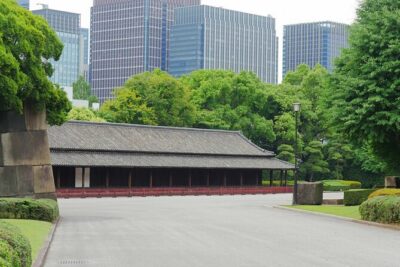 ★ 5.0Imperial Palace East Garden and Edo Castle Walking Tour in TokyoFrom $25510 reviews
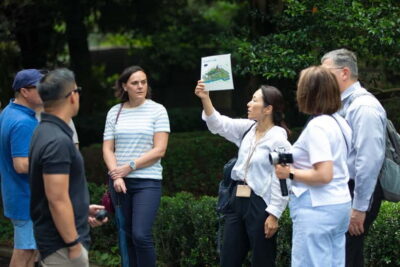 ★ 4.8Imperial Palace East Gardens Walking TourFrom $19353 reviews
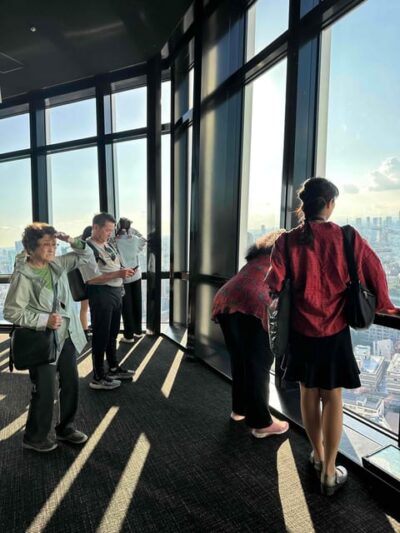 ★ 4.5Imperial Palace, Sensō-ji Temple, & Tokyo Tower TourFrom $40339 reviews
 ★ 5.0Tokyo Castle, Imperial Palace, Shogun & Garden Walking TourFrom $31211 reviews
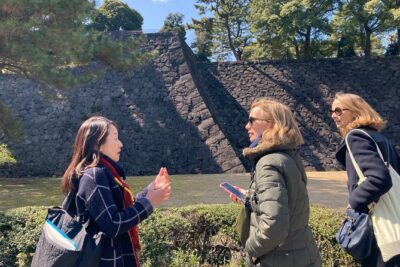 ★ 5.0Tokyo Private Tour! Edo Castle & Imperial Palace East GardensFrom $65105 reviews
This tour also belongs to