
Review · IMPERIAL PALACE TOURS
Imperial Palace East Garden and Edo Castle Walking Tour in Tokyo
Tokyo’s palace gardens beat most city plans.
This 2.5-hour walking tour takes you through the Imperial Palace East Gardens and the Edo Castle ruins outside the public palace buildings, with enough time at Wadakura Fountain Park to start your morning calmly. You get the stories behind what you’re seeing, not just a route, and you finish right where you started.
I especially like the small-group size (max 12) and how the guides are described as clear, friendly, and quick on follow-up questions. Names like Loc, Kenta, Glenda, Kei, Sato, Miko, Kaz, Satoko, and Miyu show up repeatedly in guide feedback, and the common thread is pacing that keeps people together and engaged.
One consideration: you’re exploring the grounds, not entering the Imperial Palace buildings, and depending on the season the gardens may look more green-and-quiet than flower-filled. Also, expect some hills or steep paths in places, so comfy shoes are not optional.
Key takeaways before you go
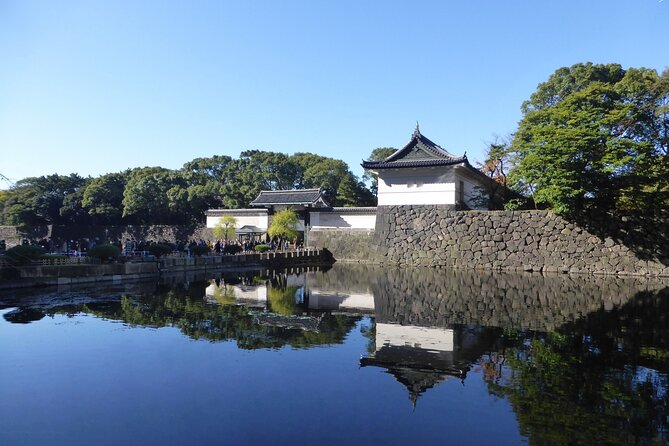
- Outside-gates experience: Learn the Imperial Palace and Edo Castle story without entering palace buildings
- Two stops, smooth timing: Wadakura Fountain Park first, then a longer walk through the East Gardens
- Free admissions included: You pay for the guide, not the site entries
- Small-group feel: Max 12 people, easier questions, better photo stops
- Seasonal look: Spring blossoms and autumn color are the big garden moments
- Wear grip shoes: Reviews note hills and some steep sections
Getting to Wadakura Fountain Park, and finding your guide fast
You start at a place that’s easy to spot: Starbucks Coffee – Kokyo Gaien Wadakura Fountain Park, 3-1 Kōkyogaien, Chiyoda City, Tokyo. The tour ends back at the meeting point, so you avoid the common stress of finishing somewhere unfamiliar.
This also helps on the “first hours in Tokyo” front. If you’re still learning train lines, meeting near public transit is a real win. You’ll also have a mobile ticket, which cuts down on fumbling with paper tickets.
Practical tip: arrive a few minutes early and hang around the park-side area where the group can naturally form. Most people can participate, and service animals are allowed, which is good to know if you’re traveling with a companion who needs support.
You can also read our reviews of more walking tours in Tokyo


Stop 1: Wadakura Fountain Park, royal wedding waterworks and photo breaks
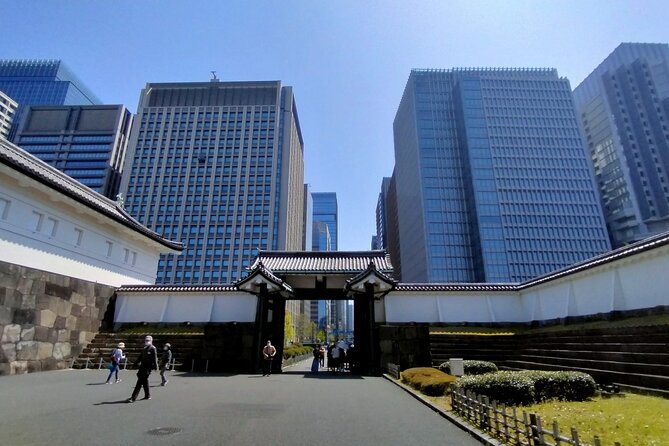
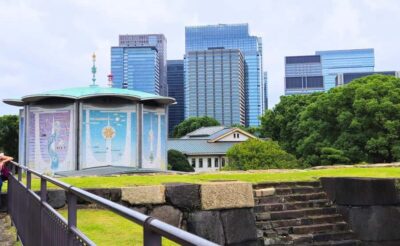
Wadakura Fountain Park is a short, 30-minute opening act right near the Imperial Palace. It’s a public park with a calm feel, and it’s designed around water features that make good breathing room before the longer palace-gardens walk.
Here’s the standout detail I’d remember: it was first constructed in 1961 to commemorate the royal wedding of Emperor Akihito and Empress Michiko. It was later redesigned and reopened in 1995 for the wedding of Crown Prince Naruhito and Crown Princess Masako. That timeline turns a pretty park into a living mini-lesson in modern Japanese royal history.
What you do here is not about rushing. You’re using this stop to get oriented: where you are, how the area transitions into Imperial Palace grounds, and what kind of viewpoints you’ll want for photos later. Even if you’re not a “parks person,” the water features help break up the walk and keep the group energy from getting too restless.
If you’re going in hotter months, this first stop is also your chance to reset and grab a bit of shade. And if weather is iffy, a short initial stop gives the guide some flexibility before the longer walking portion.
East Gardens of the Imperial Palace and Edo Castle ruins: what you actually see
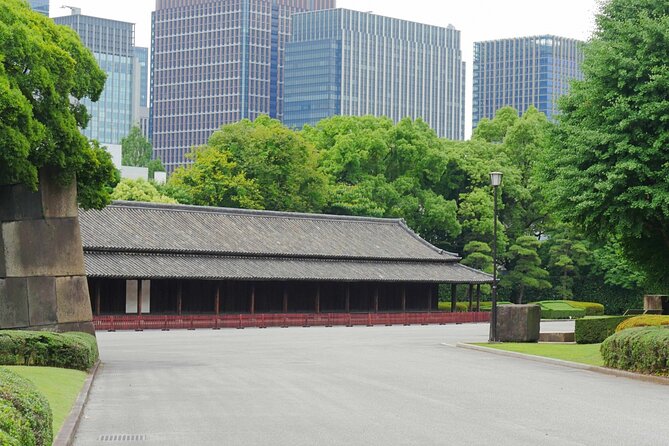
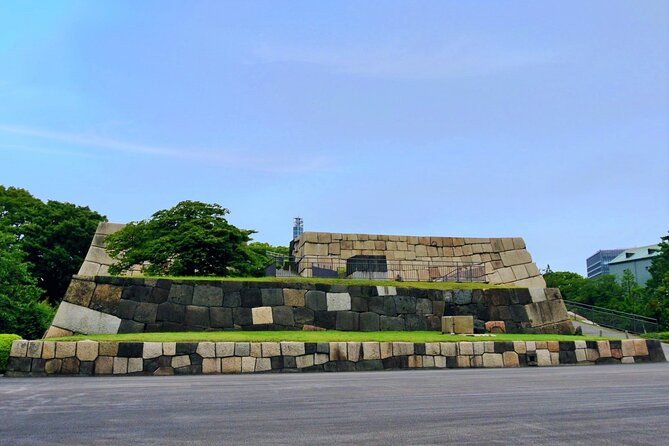
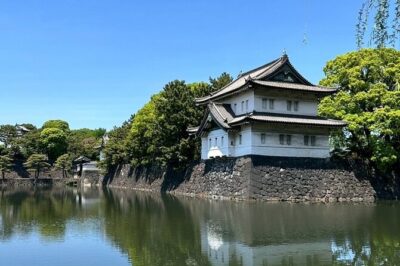
The longest part of the tour is the Imperial Palace East Gardens area, where the ground connects you to what used to be Edo Castle. The tour keeps things outside the public palace buildings, which matters because it sets expectations. You’re seeing the historical grounds and remnants, not museum interiors or inside rooms.
The big visual theme is green space plus traces of old fortifications. The tour highlights include the Honmaru area with castle remnants, plus the Ninomaru Garden, which is known for traditional Japanese garden scenery. If you visit in spring, cherry blossoms can add a dreamy layer to the ponds and walkways. In autumn, colorful foliage is the star.
You’ll likely take a bunch of photos here, because the garden design gives you layers: water and ponds, path angles, and views that look different as you move. Also, the “ruins around Edo Castle” framing makes you look at the ground like a map. Instead of seeing the space as just pretty landscaping, you start noticing where defenses and functions would have been placed.
Two honest notes to plan around:
- Expect walking time. The East Gardens portion is about two hours, and the whole tour is listed at around 2 hours 30 minutes.
- Don’t assume flat pavement. Reviews mention hills and some steep paths. If you’re sensitive to slopes, pack extra patience for the route.
Why Edo Castle stories matter, even without entering the palace buildings
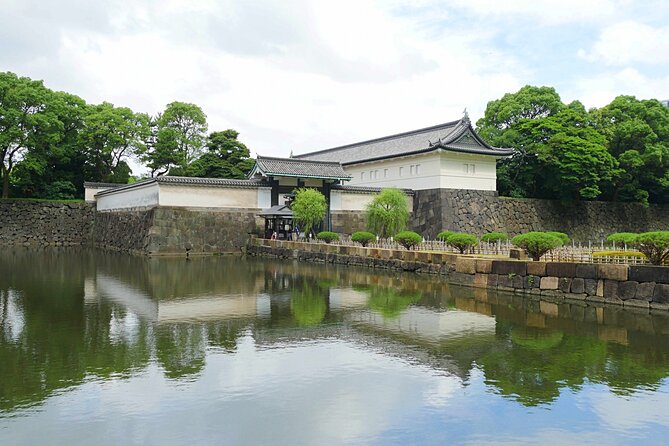
Because you cannot enter the palace buildings, the guide’s job becomes even more important: they connect what you see in the grounds to the broader Imperial and shogun era narrative.
You’ll hear about the Imperial Palace’s heritage alongside Edo period context, including references to samurai and the Edo era. You’ll also get the angle of the current Emperor and family, which helps you understand why this area matters today, not just 300-plus years ago.
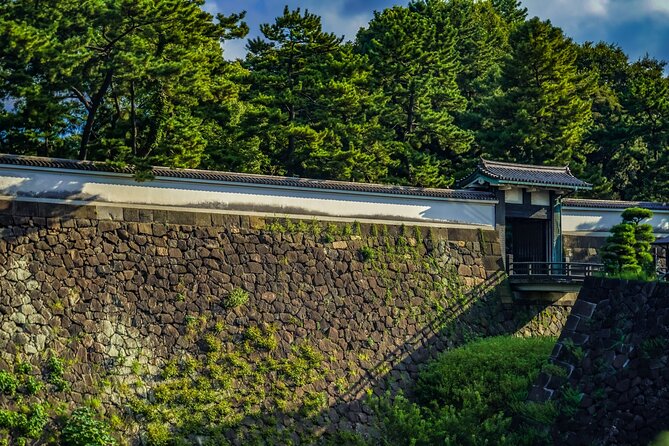
For me, the practical value is this: once you understand the role Edo Castle played as a political center during the Tokugawa period, the grounds stop looking random. Even small remnants feel intentional. Paths and vantage points start to make sense, and the tour becomes more than a walk through gardens.
Also, the “no palace building entry” approach can be a plus if you’re short on time. Tokyo can be packed with ticketed attractions that require planning. This one keeps you moving at a steady pace, with plenty of time to ask questions while you’re already standing on the relevant ground.
How the guides change the experience: from Loc to Kenta (and others)
This tour is small-group, but the guide quality shows up again and again. Guides like Loc, Kenta, and Glenda are repeatedly praised for strong English and storytelling that sticks. Other names show up too, including Kei, Sato, Miko, Kaz, Satoko, and Miyu.
What I’d watch for in a good guide here is not only facts, but how they handle pacing. Reviews mention guides keeping the group together even in rain, and one review notes a guide thoughtfully helping with a wheelchair. That tells you the tour operator takes group experience seriously.
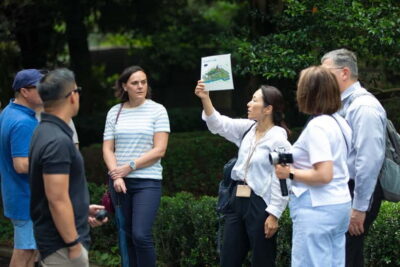
You’ll also see mention of visual aids, like photos or pages shared during the walk. That matters in this specific setting. When you’re outside, you need help making sense of subtle changes, ruined structures, and garden zones that look similar from a distance.
If you’re the type who likes to ask questions while walking, this is a good fit. Reviews mention that guides answered questions and adjusted explanations so the group stayed engaged. With a max of 12 people, you’re more likely to get direct answers rather than listening to a lecture that moves on without you.


What to wear, bring, and plan for a smooth 2.5-hour walk

This is a walking tour, and the simple advice is also the right advice: wear comfy shoes with grip. Reviews mention steep paths but also note there aren’t stairs in the steep sections. Still, the ground can be uneven, and you’ll want traction on any stone or sloped paths.
Bring a small bottle of water. Snacks are not included, so if you tend to get hungry after an hour, plan ahead. Even a quick snack before the tour helps you stay focused when the group settles into longer garden explanations.
Weather matters here. The experience requires good weather, and if it’s canceled due to poor weather, you’ll be offered a different date or a full refund. On the day itself, one review mentions the guide adjusted locations out of rain, which is the kind of flexibility you hope for on a timed outdoor tour.
A day-planning tip: this tour is great as a “first half-day history anchor.” You can use it to orient yourself to this part of central Tokyo, then pair it with nearby sights afterward. Because you return to the meeting point, you can pivot plans without backtracking across the city.
Price and value: why $25 can feel fair here
At $25 per person, this tour is priced as a budget-friendly guided experience. The value comes from three things you actually get:
- An English-speaking local guide who handles the story and pacing
- A small-group format (max 12) that feels less crowded than big-city group tours
- Free site admissions for the stops listed, plus all fees and taxes included
So what are you paying for? Not ticket access to palace buildings. You’re paying for context, navigation, and the ability to understand what you’re seeing as you walk. For many first-time visitors, that’s where the biggest return is. Tokyo’s biggest sights are often easier to enjoy when someone helps you read the place.
Is it a bargain? If you want guided history and you don’t mind that entry into the palace buildings is not part of the tour, it can be a very good deal. If you want interior access or the palace experience in the strictest sense, then this will likely feel like it’s stopping short.
Who this tour is best for, and who should skip it
I’d recommend this tour if you:
- Want a guided introduction to the Imperial Palace area without complicated ticketing
- Enjoy learning the Edo era connections to modern Tokyo
- Like small groups and a pace that allows questions
- Want garden views, plus ruins and historical interpretation
You might think twice if:
- Your main goal is entering the palace buildings. This tour does not include that.
- You’re expecting a specific “wow” flower moment every month. Spring blossoms and autumn color are the big garden seasons, based on what’s highlighted.
Should you book this Imperial Palace East Gardens and Edo Castle walk?
Book it if you want an efficient, low-stress way to understand the space in front of you. This tour is built for people who enjoy walking with context, not just checking boxes. The small-group size and the repeated praise for guides like Kenta, Glenda, and Loc suggest you’re likely to get a lively, understandable explanation while you’re surrounded by meaningful ground.
Skip it only if your top priority is palace-building entry or you dislike walking on sloped paths. If your plans depend on a perfectly flat stroll, you’ll probably want a different option.
If you do book it, plan for comfortable shoes, bring your own snacks, and treat Wadakura Fountain Park as your warm-up. Then settle in for the East Gardens portion, where the Edo Castle remnants and garden design make the history feel real, even from the outside.
FAQ
How long is the Imperial Palace East Garden and Edo Castle walking tour?
The duration is approximately 2 hours 30 minutes.
Where do I meet the guide?
The meeting point is Starbucks Coffee – Kokyo Gaien Wadakura Fountain Park, 3-1 Kōkyogaien, Chiyoda City, Tokyo 100-0002, Japan. The tour ends back at this meeting point.
Does this tour include entry into the Imperial Palace buildings?
No. The tour does not go inside the Imperial Palace buildings, as entry is not permitted to the public. It focuses on the Imperial Palace East Gardens and surrounding grounds.
Is admission required for the stops?
The tour includes stops where admission tickets are free. Wadakura Fountain Park and the East Gardens portion are listed as free admission.
Is this a large group tour?
No. The tour has a maximum of 12 travelers.
What should I bring since snacks are not included?
Snacks are not included, so it helps to bring your own if you expect to need them during the walk. Comfy shoes are also important because it is a walking tour.
More Walking Tours in Tokyo


More Tours in Tokyo


More Tour Reviews in Tokyo
Not for you? Here's more nearby things to do in Tokyo we have reviewed








Imperial Palace Tours, side by side.
 ★ 5.0Imperial Palace and Shogun Historical Walking TourFrom $222,251 reviews
 ★ 4.9Imperial Palace Japanese History Walking TourFrom $32987 reviews
 ★ 4.9Imperial Palace and Shogun Walking TourFrom $16935 reviews
 ★ 4.8Imperial Palace East Gardens Walking TourFrom $19353 reviews
 ★ 4.5Imperial Palace, Sensō-ji Temple, & Tokyo Tower TourFrom $40339 reviews
 ★ 5.0Tokyo Castle, Imperial Palace, Shogun & Garden Walking TourFrom $31211 reviews
 ★ 4.7Edo Castle & East Garden of the Imperial Palace TourFrom $42112 reviews
 ★ 5.0Tokyo Private Tour! Edo Castle & Imperial Palace East GardensFrom $65105 reviews
This tour also belongs to