
Review · TOKYO CITY TOURS
Matcha Experience with of Japanese Tea Tasting in Tokyo
That green tea you see everywhere is hiding secrets.
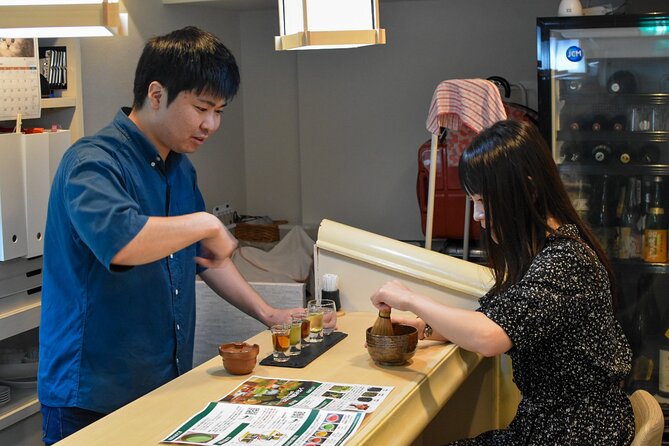
This small-group class in Tokyo turns tea ordering into a hands-on matcha ceremony and multi-tea tasting, guided by Chisei, a former tea farmer, with Rina supporting the experience. I especially loved the way you get to compare teas side by side, then learn how preparation changes the taste, not just the flavor. I also liked the homemade sweets and the chance to try tea in more than one form, including matcha lattes. One consideration: this is a class, not a quick food stop, so it can feel intense if you want a totally casual sit-and-sip hour.
You’ll spend about 1 hour 30 minutes working your way through a structured tea lineup, starting with a seasonal welcome drink and ending with matcha practice you can repeat at home. The group cap of five keeps things personal, and the hosts can answer questions while you taste. My only real caution is that the tasting includes multiple styles of green tea plus black tea and lattes, so if you strongly dislike matcha or roasted tea, you may want to pick your spots.
Key Things Worth Knowing Before You Go
- Former tea farmer insight: Chisei explains farming and processing with real first-hand context, not generic tea facts.
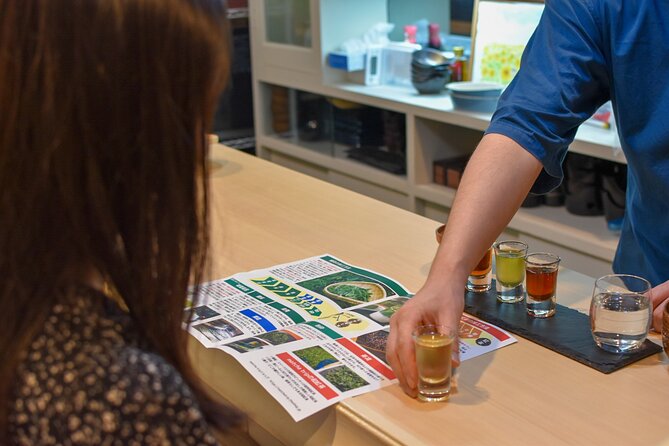
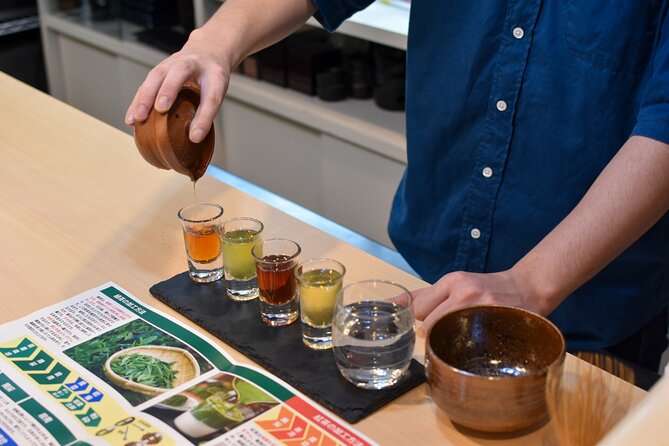
- A tea lineup you can actually compare: you taste multiple Japanese teas in sequence and learn what changes the aroma and mouthfeel.
- Tea-leaf eating is part of the experience: you may get to try the leaves with ponzu, which is a fun surprise if you assume it is all about the liquid.
- Homemade sweets are designed to pair: Rina’s sweets are made for the tea, not served as an afterthought.
- Matcha practice using a bamboo whisk: you make Ousucha and also try matcha and hojicha lattes.
- Small group, max five: you get time to ask questions and move at a human pace.
Matcha in Tokyo, But With Real Hands-On Learning
Tokyo has no shortage of tea shops. The difference here is that this experience is built around the idea that tea is a process, not just a drink. You do more than taste, you learn what you are tasting and why it changes.
I like that the experience is designed for normal visitors, not only people who already know Japanese tea terms. In practice, that means you get guided structure, then you can ask anything while you compare color, leaf shape, aroma, and flavor.
You can also read our reviews of more food & drink experiences in Tokyo


Meet Chisei and Rina, the Duo Behind the Lesson
Chisei leads the tea education, and he brings two big strengths: he knows tea deeply because he grew it, and he explains it clearly with visual aids. In the reviews, people highlighted how he used diagrams and answered questions patiently, even when they were learning from scratch. If you like learning by seeing, you will probably feel well supported.
Rina is part of the experience too, and she focuses on the food side and the matcha-latte moments. People repeatedly mention her homemade sweets and her warm hosting style, plus her ability to explain details in a way that clicks fast. It helps that the session is small, so you are not shouting over a crowd.
Where You Start, Henn Na Hotel Area and a Simple Return
The meeting point is matcha tripJapan at the Henn Na Hotel, 2F sports bar Leaf, in Taito City. The area is described as near public transportation, so you are not locked into complicated directions. The tour also ends back at the meeting point, so you do not need to plan a separate stop afterward.
This matters because tea lessons are often scheduled around short windows. A location that is easy to reach and easy to get back from keeps the day from feeling like a logistics puzzle.
Step One: Welcome Drink and the Tea Story Begins
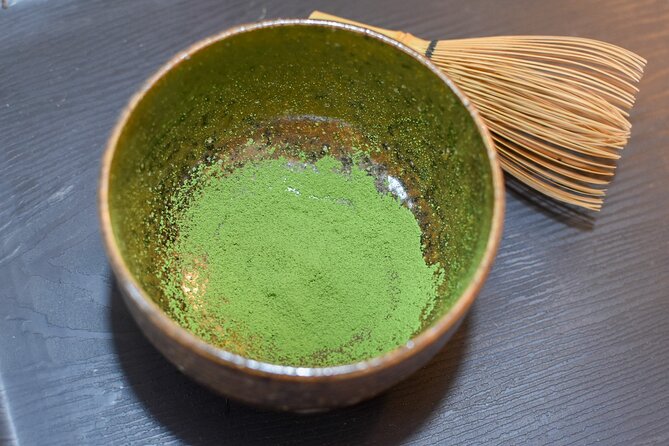
You kick off with a seasonal welcome drink, and you will get an explanation of what you are about to taste. This is not just small talk, it is a warm-up that sets the terms for the comparisons later.
I like this start because it gets your palate and attention switched on right away. If you arrive a little tired from walking around Tokyo, the cold seasonal drink can also help you reset before you start tasting multiple teas.
The Main Course of the Class: A Side-by-Side Tea Flight
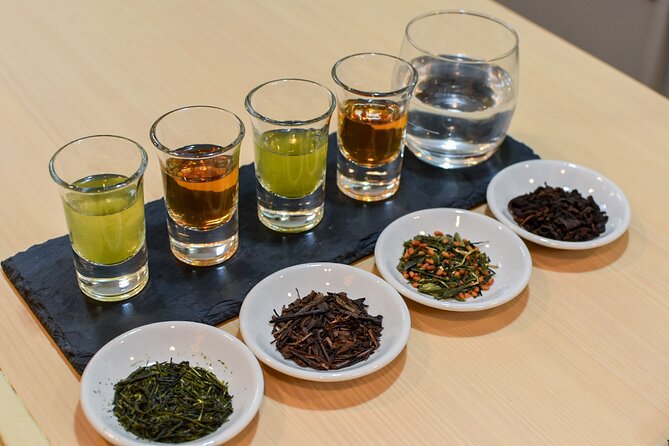
The tasting portion is built around comparison. That is key. Instead of one tea at a time in isolation, you see how different teas from the same general plant end up with very different flavors once the cultivation and processing change.
You will enjoy a lineup that includes multiple green tea styles and rice and roasted options. The specific teas listed include sencha, kabuse-cha, gyokuro, deep steamed sencha, hoji-cha, and brown rice tea, plus Japanese black tea later. The experience also references multiple matcha types and matcha latte styles, so you end up tasting tea in both leaf form and prepared formats.





What You Learn While You Taste
A big part of the class is learning how to pay attention. You look at leaf color and shape first, then you brew and taste. That sequence trains you to notice aroma and flavor differences rather than relying on first impressions.
In plain terms, this is how you stop drinking tea on autopilot. When you learn the cues, you can buy tea later with more confidence and less guesswork.
Sencha, Kabuse-cha, Gyokuro, and Deep Steamed Sencha
In the middle of the session, you compare several green teas using a best-way-to-make approach. The goal is not to overwhelm you with jargon. The goal is to let you taste the differences in a guided, repeatable way.
Gyokuro and kabuse-cha are two of the names that come up for a reason. They represent cultivation techniques that affect what ends up in the cup. When you taste them in sequence, you can start to map the flavor changes to what the instructor told you.
Deep steamed sencha is another interesting one to try in a structured setting because it is not something most people pick spontaneously in a cafe. Seeing the process explained and then tasting the result is the whole point.
Brown Rice Tea and Hoji-cha, Two Very Different Personalities
Brown rice tea, also listed as genmaicha, brings a nutty, comforting element that feels different from the pure green notes of the other teas. If green tea feels a little sharp to you sometimes, this is often a relief.
Then hoji-cha comes in, typically roasted. Roasted teas have a way of making tea feel more cozy, and you get to compare how that roasting changes the aroma and taste profile. In the reviews, people liked having many flavor paths to try, which is great if your group includes both matcha fans and people who are unsure.
A Coffee-Free Moment, Then Matcha and Beyond
This experience can include coffee or tea, depending on the menu moment, but the center of gravity is clearly Japanese tea. The tasting format also keeps your palate busy, moving from lighter to richer styles.
You will also get both matcha latte and hojicha latte. That is useful if you like modern cafe drinks but still want to understand what you are tasting.
Homemade Sweets and Japanese Black Tea Pairing
After the green-tea comparisons, you switch gears to Japanese black tea and homemade sweets. The tea here is selected to work with sweets, which is a thoughtful touch. A lot of tours throw snacks at you without thinking about how tea and sugar interact.
Rina’s sweets come up again and again in the reviews. People describe them as the best they had on the trip, and they also like that the sweets are made to pair with the tea you are drinking.
One neat detail from the experience description is that you may also get to try eating tea leaves with ponzu. That is not a typical cafe practice. It is memorable because it challenges the idea that tea is only something you drink.
The Matcha Workshop: Ousucha With a Bamboo Whisk
Now you get to the part everyone waits for. You make Ousucha, matcha prepared with a bamboo tea whisk. This is more than watching someone do it. You learn how to do it yourself, then you take the technique home.
What I love about this segment is the practical endpoint. You are not only tasting matcha, you are learning the steps so you can repeat it. The hosts also make a point that you will still be able to make matcha at home after the class. That turns the experience into a real skill, not just a souvenir.
And yes, expect the matcha to be treated seriously. When the class is built around comparison and correct preparation, matcha stops being a sweet powder and becomes a drink with texture and aroma you can actually measure with your senses.
Matcha Latte and Hojicha Latte, For the Modern Palate
The session also includes matcha latte and hojicha latte. This is a smart addition because it bridges traditional tea and the drinks many visitors are already ordering in Tokyo.
Matcha latte can be different depending on how it is mixed and balanced. Hoji-cha latte brings roasted tea into the cream-and-sweet format, often making it easier for people who do not love strong green tea bitterness.
If you are traveling with someone who is unsure about matcha, the latte options can be a friendly doorway. If you are a matcha person, these give you a chance to compare how the same tea idea tastes when prepared in drink style.
Price and Value: What $57.98 Actually Buys You
$57.98 per person for about 90 minutes may sound like a lot until you break it down. You are not just paying for one drink.
You are paying for:
- a guided tasting across multiple Japanese tea types
- homemade sweets paired with tea
- matcha-making practice with a bamboo whisk
- matcha and hoji-cha latte tastings
Most importantly, you are paying for instruction from a former tea farmer. That kind of expertise is hard to find in a cafe, and you do not get the same structured comparisons if you simply order at random.
For me, the best value piece is that you leave with more than a flavor memory. You leave with a way to understand what you like and how to look for it later.
Who This Tour Suits Best (And Who Might Want Another Option)
This works especially well if you:
- like food and drink experiences that teach you something you can use later
- want a small-group class rather than a big show
- enjoy matcha but also want to learn about other teas beyond matcha
- like pairing tea with sweets and tasting roasted and rice-based options too
It might be less ideal if you:
- want a super short stop with minimal standing or prep
- only want one tea style, because the session is intentionally varied
Also, if you are traveling as a pair or solo, the group limit of five helps you get more direct attention. If you are part of a larger group, this format is still capped, so you will likely need to book separately.
Practical Tips That Make the Most of the Session
A tea tasting works best when you arrive ready to focus. Here are a few no-drama tips:
- Go in with curiosity, not expectations that every tea will taste the same. The value is in the differences.
- Ask questions while you taste, not after. Chisei and Rina can connect what you notice to why it is happening.
- Pay attention to the leaf and aroma steps. Even if you are not a tea nerd, it helps you understand what the instructor is showing.
If you have never made matcha before, do not worry. The class is built for general guests.
Should You Book? My Take
Book this matcha tea experience if you want a Tokyo activity that is small, structured, and genuinely hands-on. The combination of former tea farmer teaching, guided side-by-side tastings, homemade sweets, and actual matcha-making practice is a strong package for the price.
Skip it only if you are looking for a low-effort cafe-style drink. This is a class, with comparisons and steps, and that is exactly why it is memorable.
FAQ
FAQ
How long is the matcha and tea tasting experience?
It is about 1 hour 30 minutes.
How many teas will I taste?
The experience includes tasting multiple Japanese teas, including types listed such as matcha, sencha, kabuse-cha, gyokuro, deep steamed sencha, hoji-cha, brown rice tea, and Japanese black tea, plus matcha latte and hojicha latte.
What is included in the price?
You get a welcome drink, tea tastings (including multiple varieties), homemade sweets, and the matcha making experience. The experience also includes matcha latte and hojicha latte.
Will I make matcha during the tour?
Yes. You will make Ousucha (matcha) using a bamboo tea whisk.
Is this a small-group experience?
Yes. The maximum group size is five travelers.
Where is the meeting point?
You meet at matcha tripJapan, 111-0042 Tokyo, Taito City, Kotobuki, 3-chōme 19-8, Henn Na Hotel, 2F sports bar Leaf.
Will the tour end where it starts?
Yes, it ends back at the meeting point.
Is there matcha latte and hojicha latte included?
Yes. You can enjoy both matcha latte and hojicha latte.
Are service animals allowed?
Service animals are allowed.
What is the cancellation policy?
Free cancellation is available if you cancel up to 24 hours in advance for a full refund. If you cancel less than 24 hours before the start time, the amount paid is not refunded.
Does the experience accommodate questions or allergy concerns?
The hosts ask about allergy conditions during the class, so you should share any allergy needs with them.
More Food & Drink Experiences in Tokyo


More Tour Reviews in Tokyo
Not for you? Here's more nearby things to do in Tokyo we have reviewed












Tokyo City Tours, side by side.
 ★ 5.01-Day Tokyo Bus TourFrom $12914,250 reviews
 ★ 4.5TOKYO SKYTREE® Admission ticketFrom $1311,192 reviews
 ★ 4.6teamLab Planets TOKYO Digital Art Museum Entry TicketFrom $259,779 reviews
 ★ 4.0Mt Fuji & Hakone Cruise, Drum Show Bullet Train 1 Day from TokyoFrom $1497,413 reviews
 ★ 5.0Shinjuku Food Tour (13 Dishes at 4 Local Eateries)From $866,603 reviews
 ★ 4.4Tokyo Mt Fuji 5th St & Hakone Cruise Bus Tour w/Bullet TrainFrom $1545,024 reviews
 ★ 5.0Flagship 2-Hours Official Street Go-Kart Tour – Tokyo Bay ShopFrom $644,974 reviews
 ★ 4.5From Tokyo: Mount Fuji Full-Day Sightseeing TripFrom $684,970 reviews
This tour also belongs to