
Review · TOKYO SUMO EXPERIENCES
Chair Seat Guaranteed SUMO Practice +Photo +Culture Option
Sumo, up close, without the floor stress. This chair-seat guaranteed practice lets you watch a real morning routine at a sumo stable, while a guide fills in what you are seeing and why it matters. You also get a group photo and time for questions with a wrestler.
I especially like the practical setup: you watch from a seat instead of squatting or sitting on the floor, which makes the whole experience easier on your legs and knees. I also like the way the tour turns a cool spectacle into something you understand, thanks to a local guide session plus a chat afterward.
One thing to consider is that the rules inside are strict. No talking, no eating or drinking, and you will need to handle a simple meeting point hunt at Kiyosumi Shirakawa Station Exit B1 before the practice begins.
Key things to know before your sumo practice ticket
- Chair-seat guaranteed: you are seated rather than on the floor.
- Early morning schedule: start time is 8:00 am for the stable practice.
- Small group size: maximum 10 travelers.
- Photo-friendly, rule-bound: pictures are OK, but no talking, eating, or drinking.
- Guided context: history and customs are explained during the session.
- Real interaction: you get a Q&A with a sumo wrestler and a group photo.
Chair-seat sumo practice in Tokyo: what makes this ticket worth it
Watching sumo can sound simple. You show up, you see big guys do big moves, you take pictures, you leave. This kind of tour improves the odds that you have a smooth, satisfying experience, because the “comfort” part is handled first.
The biggest win is the chair seat guaranteed promise. Sumo practices are often filmed in your imagination, with everyone sitting on the floor. Here, you skip that. That one change matters because a stable practice is long enough that comfort becomes part of the enjoyment, not an afterthought.
The second big win is what happens around the training. A local guide explains the sport’s history, plus the customs you would otherwise miss. After you watch wrestlers warm up and run drills, you also get a Q&A with an active wrestler and a session photo you can bring home.
If you are the type who likes to understand what you are looking at, this format is a good fit. If you just want raw spectacle, it still works, because you are very close to the action during the main practice window.
You can also read our reviews of more tours and experiences in Tokyo.


Getting to Kiyosumi Shirakawa Station Exit B1, and why being on time matters
This starts in the Koto area at Kiyosumi Shirakawa Station, a crossing station for the Oedo Line and Hanzomon Line. Your meeting point is specific: Exit B1 at ground level, near a FamilyMart convenience store.
That level of clarity is helpful, but only if you show up when you should. The tour starts at 8:00 am, and the first stop is brief. In other words, treat this like an early museum ticket, not a casual walk-in.
Practical tip: when you arrive, confirm you are at the right exit before you check your phone. Then use the FamilyMart as your anchor point. It is the kind of detail that can turn a calm morning into a stressful one if you are wandering between exits.
Also note the tour is designed for a moderate physical fitness level. You do not need to be an athlete, but you should be comfortable with walking through transit stations and doing some standing while everyone gathers.
Stop 2 in the stable: 1 hour 40 seated, close to the action
Once you are in, the tour’s main act is watching the morning practice from very near proximity. The schedule gives you about 1 hour 40 minutes in this seated viewing segment.
This is the part that makes the chair-seat promise feel real. You are not just “somewhere in the building.” You are in a position designed for close observation, which is what you want for sumo. The details are what make it good. You can see how wrestlers prepare, how the warmup looks in real time, and how training routines build toward the sharper parts of practice.
Here is how you will be expected to behave:
- No talking
- No eating or drinking
- Taking pictures is perfectly fine
That may sound strict, but it is also part of why the experience feels authentic. Sumo stables run on routine and respect. If you follow the rules, you will blend in instead of standing out.
Stop 3: talk time with active wrestlers, plus your chance at a memorable photo
After the main viewing window, the tour builds in an interaction moment. You get about 20 minutes where you can talk with active sumo wrestlers and potentially take pictures.
This is one of the highest-value pieces of the experience because it turns your visit from passive watching into a short, human connection. It also helps you ask questions that only make sense after you have seen the training up close.
The tour also includes a group photo connected to the session. Your photo might be framed as something with future personal value, since it is tied to the wrestler(s) involved and their career path.
A small practical note: keep your questions simple. You will have limited time, and stables are quiet places. Aim for one or two focused questions, then let the moment land.
Stop 4: learning sumo history and customs without turning it into a lecture
Next comes the guide session, about 25 minutes, where you get the context for what you just saw.
This is where the tour earns its place on your Tokyo itinerary. If you only watch, sumo can look like a mix of strength, ritual, and luck. The guide helps connect the dots, explaining what sumo is and how it came to be, plus the customs around practice.
In the feedback, guides are repeatedly praised for making the sport easier to understand. Names like Max and Masao come up in strong comments, with the common thread being that they are enthusiastic and help you see the meaning behind the movements.
You do not need to be a sumo expert. You just need someone to point out the rules of the room, the logic of the routines, and the cultural pieces that make sumo more than a match.


Stop 5: transfer time back to the station and how to plan the rest of your morning
The tour includes time for transfer to and from the stable. The schedule lists about 20 minutes for that movement.
The activity ends back at the meeting point, so you are not left figuring out public transit with a tired brain and a camera full of close-ups.
Because this is an 8:00 am start with a roughly 3-hour total duration, it is a great early activity. You can still do a lot later in the day, and you get the advantage of seeing a morning practice when the stable is in full rhythm.
If you plan your day around this, keep your next stop somewhat flexible. You will likely be energized, but you may also be ready for coffee and a sit-down meal after the rules-bound morning.
Price and value: why $102.47 can make sense for a small, close-up experience
The price is $102.47 per person for an approximately 3-hour experience.
At first glance, it can feel pricey, until you list what you are actually getting:
- entrance fees to the stable
- chair seating guaranteed
- a local guide presentation on sumo history and context
- a Q&A session with a sumo wrestler
- a group photo
In Tokyo, “cheap” often means you buy access and then scramble. Here, the tour handles the structure: where you meet, what you do inside, and the parts that most visitors actually want but cannot easily organize on their own.
Also, the group size is capped at 10, so the experience stays intimate. That matters during the Q&A, and it matters when the guide is trying to explain what you are watching without losing the group.
One more value point: the chair-seat guarantee reduces the risk of the most common viewing disappointment. If you have weak knees or you just do not want to sit on the floor in a quiet stable setting, this tour solves that immediately.
What to expect from the rules inside the stable (and how to prepare)
Sumo stables are not built for casual chatter. This experience makes that clear, and honestly, it is part of the charm.
Plan on:
- No talking
- No eating or drinking
- photos allowed
Some families have found that the rules can work even with kids, as long as the child can follow instructions like no videos and staying calm. If you bring children, treat it like a short cultural event, not a playground outing. Prep them beforehand so they know the expectations before they walk into the stable.
Also, keep your photo habits respectful. Do not block anyone’s view, and do not treat it like a concert. The goal is to capture the memory, not turn it into a performance.
Finally, note that while the tour emphasizes comfort with chair seating, not every seat is guaranteed to feel luxurious for every body. One person reported the seating felt uncomfortable. That is a real possibility any time a venue has fixed seating. If you are sensitive to firmer chairs, consider bringing a small personal pad if allowed by your comfort needs.
Who this tour suits best, and who might want a different option
This is a strong pick if you want:
- a close-up view of actual training routines
- reserved comfort via chair seating
- guided explanations of sumo history and customs
- interaction time, including a Q&A and photo
It also fits people who want a structured morning activity that does not require you to figure out the stable logistics by yourself.
You might want a different option if you strongly prefer a totally self-directed experience, or if you cannot handle rule-based quiet. This tour is designed to keep things orderly in the stable, so the tradeoff is clear: you get access and guidance, but you follow the rules.
Because the tour is capped at 10 and includes a guided context session, it is also well-suited for first-time Tokyo visitors who want one iconic activity that feels authentic and understandable, not random.
Should you book this chair-seat sumo practice tour?
If you value comfort plus context, I think this is an easy yes.
Book it if you want close watching from a seat, a guide who explains what you are seeing, and an interaction moment with an active wrestler. The combination of training access, Q&A, and a group photo is a lot packed into a 3-hour window.
Hold off if you dislike early starts, or if you know you struggle with rules-based quiet. Also, if you are very sensitive to seating comfort, do a quick self-check on what your body needs for an hour-plus seated viewing.
If that sounds manageable, you are in the right place. This is one of those Tokyo experiences where the morning effort pays you back fast, because you walk away understanding sumo a lot more than you arrived.
FAQ
Where is the meeting point for this tour?
You meet at Kiyosumi Shirakawa Station, Exit B1 (ground level), near a FamilyMart convenience store.
What time does the tour start?
The start time is 8:00 am.
How long is the experience?
The duration is about 3 hours (approx.).
Is seating on a chair or on the floor?
This option guarantees a chair seat, so you do not sit on the floor.
How close will I be to the sumo practice?
You will watch the morning practice from near proximity during the main viewing period.
Are there rules about food, drink, and talking?
Yes. There is no talking, no eating, and no drinking during the viewing portion.
Can I take photos during the practice?
Yes. Taking pictures is perfectly fine.
What is included in the price?
Included are entrance fees to the stable, a group photo from the session, a presentation of sumo by a local guide, and a Q&A session with a sumo wrestler.
What group size should I expect?
The tour has a maximum of 10 travelers.
Is there free cancellation?
Yes, there is free cancellation. You can cancel up to 24 hours in advance for a full refund.
Do I need a paper ticket?
No. You get a mobile ticket.
Is a service animal allowed?
Yes. Service animals are allowed.
More Tour Reviews in Tokyo
Not for you? Here's more nearby things to do in Tokyo we have reviewed




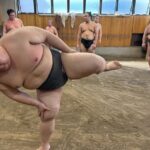
Tokyo Sumo Experiences, side by side.
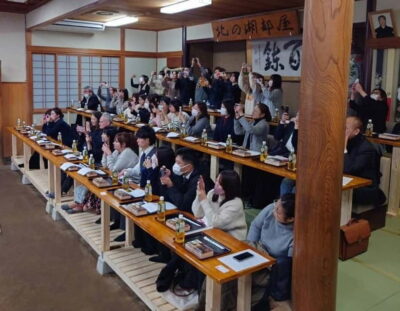 ★ 4.8Sumo Show and Dining ExperienceFrom $792,742 reviews
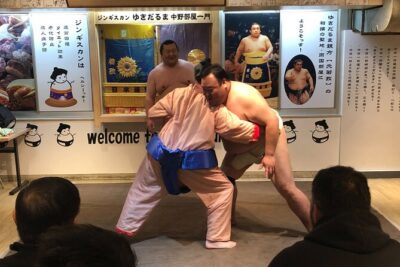 ★ 5.0the SUMO showFrom $891,960 reviews
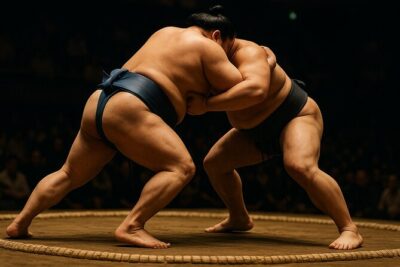 ★ 5.0Tokyo Shinjuku Sumo Show & Experience with PhotoFrom $791,750 reviews
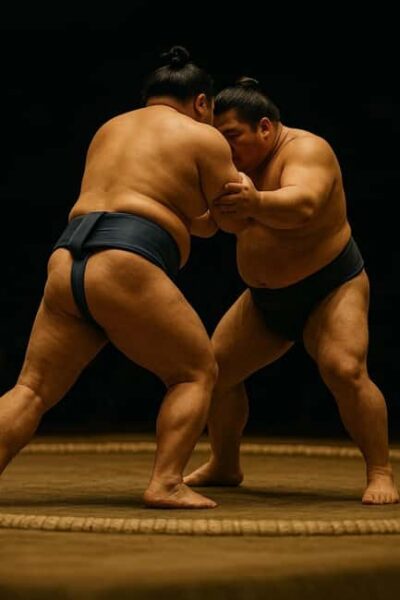 ★ 4.8Sumo Show and Experience in ShinjukuFrom $691,001 reviews
 ★ 4.7Luxury Sumo Show Experience & Japanese cuisine & DrinkFrom $103577 reviews
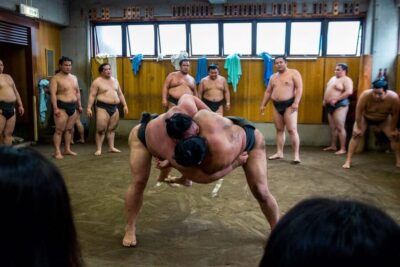 ★ 4.8Sumo Morning Practice Viewing TourFrom $81570 reviews
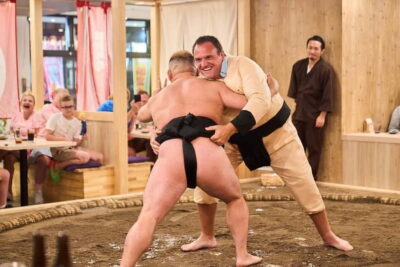 ★ 4.8Tokyo Sumo Experience: Chanko & Mochi with a Former ProFrom $103567 reviews
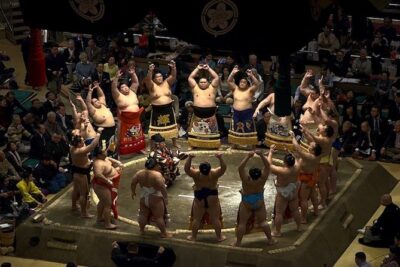 ★ 5.0Ultimate Sumo Tournament: Tokyo, Osaka, Nagoya, FukuokaFrom $184468 reviews
This tour also belongs to