
Review · MOUNT FUJI TOURS
Private Tour to Mt. Fuji and Hakone (Fully Licenced Operator)
Mt. Fuji hits hardest in person. This private day trip strings together multiple Fuji viewpoints, plus Hakone scenery, without the stress of trains and transfers. You also get a real English-speaking driver-cum-guide who can shape the plan around your pace and interests.
I love how private transportation keeps the day calm and efficient, with pickup from Tokyo and return at the end. I also like that the day is flexible, so if you want more time at a lakeside photo spot or a shrine walk, you can usually get it.
One thing to plan around: the Mt. Fuji 5th Station can be closed due to weather or maintenance, so it is not guaranteed. If the mountain is socked in, your guide will shift priorities to still deliver great views.
Key highlights to know before you go
- Fully licensed green number plates and commercial insurance, for peace of mind on long mountain roads
- Flexible, custom pacing with an English-speaking driver-guide who adapts your stop times
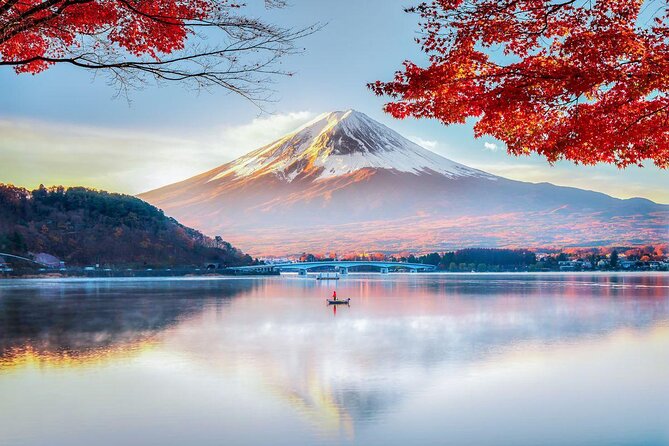
- Multiple Fuji angles across lakes, shrines, and lookout points (weather permitting)
- Hakone add-ons like Lake Ashi and Owaku-dani Valley, with key admissions handled
- Crowd-smart route potential, since guides often build the day around timing and access
Why this private Fuji and Hakone charter feels different from buses
A day trip to Mt. Fuji is the kind of plan that can go sideways fast. Public options mean crowded rides, fixed departure times, and limited freedom when you get a rare clear break in the weather.
With this experience, you are hiring a private vehicle and an English-speaking driver-guide under a fully licensed setup. The operator specifically notes green number plates (not the unlicensed white plates some companies run), plus commercial insurance. That matters when you are booking a long day on mountain roads and you want the trip to feel professionally run from start to finish.
Most people book this for the sights. I think the real value is the control. You can usually spend longer where you care most, and you can shift your focus when something is weather-dependent.
You can also read our reviews of more private tours in Tokyo
How the 10 hours from Tokyo to Fuji stops really works
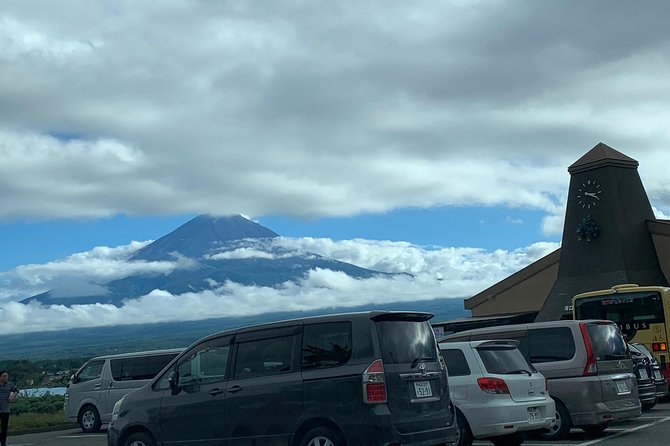
The tour runs about 10 hours, with hotel to hotel timing. You start with pickup in Tokyo, meet your guide, and head south in an air-conditioned vehicle.
The route is designed like a visual tour of Mt. Fuji’s “faces.” You do not just see the mountain from one postcard spot. You visit areas that frame Fuji differently, including lakes, shrines, and viewpoints across Hakone and the Fuji Five Lake region. That variety is the difference between a good day and a memorable one.
You will also notice the day has a natural rhythm: short transfers, photo windows, and then time to actually walk around. In many guides’ past days, that pacing includes bathroom breaks and enough breathing room to explore without feeling herded.
Mt. Fuji 5th Station: amazing if open, and the key reason this trip can flex
The Mt. Fuji 5th Station is the highest point you can reach by car, and it is a huge draw for first-time visitors. It is also explicitly not guaranteed, because it can close due to bad weather and maintenance.
What you should do mentally is this: treat the 5th Station as a bonus. If you get access, great. If you do not, your guide can still deliver the core Fuji experience through other viewpoints and nearby stops.
This is also where your guide’s flexibility matters most. If visibility improves, you want a guide ready to adjust the timing so you do not miss your best window. Past guides have been praised for answering questions and adapting the day, including guides like Areeb, Petteri, Israr, and Maz.
If you are traveling with older parents, kids, or anyone who dislikes rushed hiking, the 5th Station plan is perfect. You still get the “I am close to the mountain” feeling without a full climb.
Lake Kawaguchiko: where Fuji looks big, and your guide helps you choose the right approach
Lake Kawaguchiko is one of the star lakes in the Fuji area. It is sized for real views, not just a quick stop, and it is a common base for photos where Fuji looks framed, dramatic, and close.
You get around an hour here, with options depending on weather and your style:
- You can ride up to panoramic views via the ropeway at Mt. Kachi Kachi.
- Or you can go for a cruise on Lake Kawaguchiko.
The big practical point: both activities cost extra, and the tour does not include admission for them. If you know you want one or both, plan a little budget buffer for tickets.
If the mountain is clear, this is often the moment you start grinning like you found a cheat code. If it is cloudy, your guide can steer you toward the best-looking vantage points that still feel worth the drive.
Hakone side: Lake Ashi and the pirate-ship vibe
Then the day swings toward Hakone scenery. Lake Ashinoko (also called Lake Ashi) is where the experience gets cinematic: calm water, wooded slopes, and big mountain energy when conditions cooperate.
A cruise is part of the recommended experiences, including a pirate-ship style boat ride. You typically get about an hour in the Lake Ashi area, with ticket costs not included in the base price.
This stop works well for couples and families because it is low effort. You get the scenery without long walks, and you can keep your energy for later shrine and pagoda time.
One more practical note: lake tours depend on the day’s schedule and weather. If clouds roll in, the goal is still to get at least one good “Fuji framed by water” moment, then move on before the day gets tight.





Owaku-dani Valley: the stop that feels like a volcano lesson
Owaku-dani Valley is the volcano-boiling-breath kind of stop. It is listed with admission ticket included, so you do not have to budget separately for this one.
You will get about an hour here. This is the kind of place where your guide can help you connect the dots between what you are seeing and why the area looks the way it does. Past experiences with guides like Dan and Sam highlighted that they will answer a lot of questions and point out what is worth noticing at each stop.
It is also a good “break” in the day. After lakes and drives, a volcanic valley gives you a completely different texture. Plus, it helps the itinerary feel more than just viewpoints.
Oshino Hakkai: the calm walk-and-snap break that most people remember
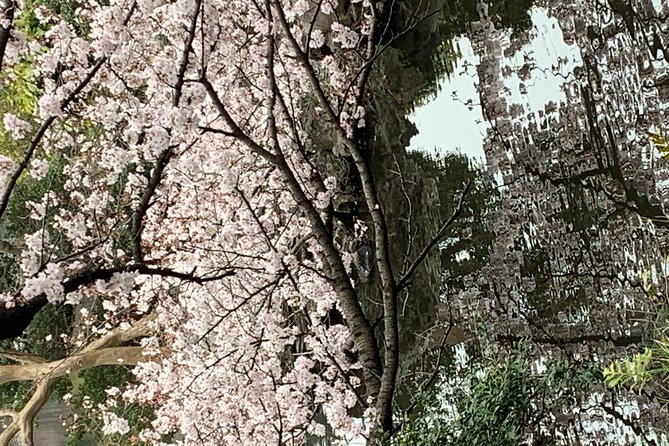
Oshino Hakkai is a small village setting tied to Fuji water sources. You spend about an hour here, and admission is free.
The signature detail is the eight ponds and the Fuji-adjacent hot spring vibe. It is not a theme park stop. You get stalls, souvenir browsing, and a slower pace that lets you reset.
This stop is also a strong choice if your group has mixed interests. Someone who wants photos gets them. Someone who wants snacks and a casual stroll gets that too.
In a long day like this, Oshino Hakkai is often the spot that prevents fatigue. It gives you something human-sized compared to big mountain landmarks.
Fuji shrines and Arakurayama: steps, pagodas, and the best kind of payoff
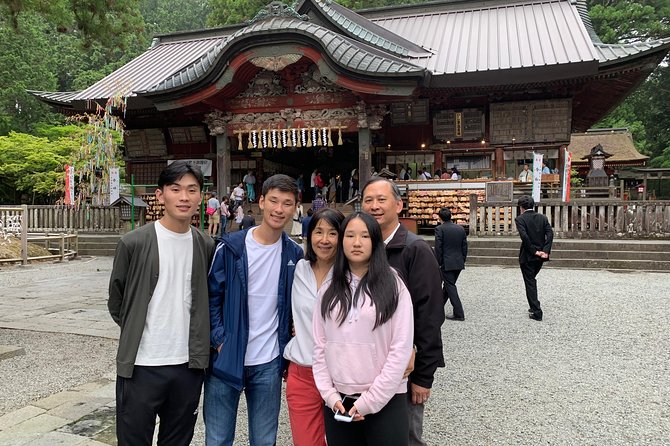
Shrines are part of the cultural glue of Mt. Fuji. This day builds in several: Kitaguchi Hongu Fuji Sengen Jinja Shrine and Arakurayama Sengen Park, plus the Chureito Pagoda area.
Kitaguchi Hongu Fuji Sengen Jinja Shrine is another free stop with about an hour on the clock. It connects to the idea of Fuji climbing routes and shrine traditions around the mountain.
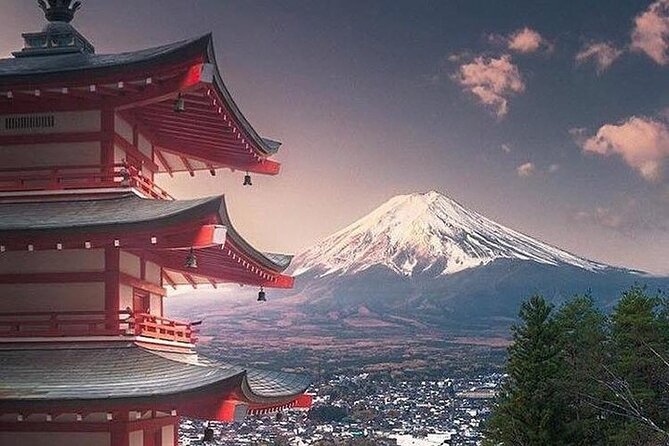
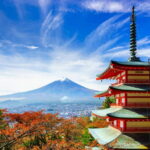
Then you move to Arakurayama Sengen Park. This is where the famous pagoda view comes in, but the path is the experience too. The park is reached by 398 steps, so bring comfortable shoes and expect a short climb.
Your timing here matters. The goal is to reach the viewpoint when light and visibility cooperate. If the mountain is clear, the view can feel like you finally understand why people come back to Fuji again and again.
Chureito Pagoda: short ticket, big view, and a quick strategy
Chureito Pagoda is listed as admission ticket included, and the time window is only about 10 minutes. That sounds tight, but it fits how this stop usually works in practice: you step in, take photos, enjoy the view, then move on so others can flow.
Because the time is brief, you want a simple strategy:
1) Decide where you want your photos before you arrive.
2) Keep your camera ready.
3) Let the guide handle timing so you do not end up stuck in a slow line.
This is also a great stop for first-timers. You get one of the most iconic Fuji compositions in the country without committing to a full hike.
Saiko Iyashi no Sato Nemba and Fuji-Q area: optional time savers, if you have room
Not every version of the day includes the later add-on stops. Saiko Iyashi no Sato Nemba is included in the schedule if you have time during the 9-hour portion for the broader Fuji surroundings plan. Fuji-Q Highland is also listed as optional for a short visit.
These are the kinds of places where your guide can help you decide fast. If your group is tired, you can skip them. If you still have energy and clear skies, they can add texture to the day without turning it into a marathon.
A key point: activity tickets for some of these are not included. So treat them as bonuses, not core must-dos.
Price and value: what you pay for at $497 per group
The price is $497.43 per group, up to 5 people, for the full day. That total can look high if you compare it to a bus ticket. But you are not just buying transportation. You are buying private logistics, an English-speaking driver-guide, and a long route that would otherwise require planning and multiple transfers.
Here is what you should anchor on:
- Included: private transportation, commercial driving-permit holder drivers, green number plates, and commercial insurance
- Not included: lunch, activity tickets like ropeways and cruises, and Mt. Fuji entrance fee of 2800 yen per group
- Included admissions: Owaku-dani Valley and Chureito Pagoda in the listed schedule
If you are traveling as a small family, two couples, or a group of friends, the math often works because the vehicle cost is shared. If you are traveling solo, it becomes less of a bargain, but it can still be worth it for the flexibility and comfort.
A smart way to judge value is to list which paid activities you truly want. If you already know you want a ropeway or a lake cruise, the added tickets are part of the real budget. If you are happy with viewpoints and walking, you can keep extra costs under control.
The weather reality: how to get the best odds without obsessing
Mt. Fuji is weather-dependent. This tour explicitly requires good weather, and the 5th Station can close.
What I recommend is simple: do not treat the day like a guaranteed “summit day.” Treat it like a guided best-effort itinerary that has multiple backup viewpoints. That is why the day includes lakes, shrines, and different vantage points.
Also, you can usually feel the confidence of a well-run private guide in how they manage the day. In past departures, guides were praised for timing Fuji views and keeping the plan relaxed rather than frantic, even when conditions changed.
If the mountain is not fully visible, you can still enjoy Hakone’s atmosphere and the shrine walks. A cloudy day can still be beautiful. It just shifts your focus from summit fantasy to scenery and culture.
Who should book this tour, and who might want a different plan
This private day trip is ideal for:
- First-time visitors who want Fuji plus Hakone in one shot
- Groups up to 5 who want pickup, comfort, and control
- Families or mixed-age groups who want big sights without heavy hiking
- Anyone who hates the stress of transfers and schedules
It may not fit if:
- You only want the 5th Station and nothing else, since it is not guaranteed
- Your group is on a tight budget for paid activities, because ropeways, cruises, and the Fuji entrance fee cost extra
- You prefer a totally free-form day with no structured stops, because this is built as a guided route with set timing blocks
My practical booking checklist before you choose this day
If you book, do these three things:
1) Plan your “must-hit” views. Are you chasing the 5th Station, or are you happy with lakes and shrines?
2) Check footwear. The 398-step route is real.
3) Decide on paid add-ons early in the day. Ropeway or cruise time can shape the rest of your schedule.
Also think about your group energy level. This is a 10-hour day. A private charter makes it smoother, but it still takes a full day of sightseeing.
Should you book this Mt. Fuji and Hakone private tour?
Yes, if you want a calm, controlled way to see Fuji from multiple angles, and you value flexibility when conditions change. The biggest strength here is the combination of private transportation plus a flexible driver-guide who can adapt the day, with strong on-the-ground performance reflected by guides like Petteri, Israr, Maz, Areeb, Pradhan, Sam, Dan, Zia, and Bajwa.
Book it especially if you are in a group of up to 5 and you care about getting the best use of clear weather. The tradeoff is that the 5th Station is not a sure thing, and paid activities like ropeways and cruises can add cost.
If your top goal is simply to see Mt. Fuji and feel like you did it the easy way, this is a strong pick.
FAQ
Is the Mt. Fuji 5th Station guaranteed
No. The 5th Station is sometimes closed due to bad weather or maintenance, so it is not guaranteed.
What is included in the tour price
Private transportation is included, along with an English speaking driver cum guide, commercial insurance, and the use of green number plate commercial vehicles. Some admission tickets are also included at specific stops.
Do I need to pay for activity tickets
Yes. Tickets for activities like ropeways and cruises are not included. The Mt. Fuji entrance fee is listed as 2800 yen per group.
How long is the tour
The duration is approximately 10 hours.
Do I get pickup from Tokyo
Pickup is offered from Tokyo, and you are returned to Tokyo at the end of the tour.
Is the itinerary flexible
Yes. The itinerary can be adjusted to suit your group’s needs, and you can choose between a Mt. Fuji and Hakone focus or a Mt. Fuji surroundings area focus.
What if bad weather ruins mountain visibility
The experience requires good weather. If it is canceled due to poor weather, you will be offered another date or a full refund.
Is lunch included
No. Lunch is not included.
More Private Tours in Tokyo
More Tours in Tokyo

More Tour Reviews in Tokyo

Not for you? Here's more nearby things to do in Tokyo we have reviewed












Mount Fuji Tours, side by side.
 ★ 5.0Mt Fuji and Hakone 1-Day Bus Tour Return by Bullet TrainFrom $16326,383 reviews
 ★ 4.0Mt Fuji & Hakone Cruise, Drum Show Bullet Train 1 Day from TokyoFrom $1497,413 reviews
 ★ 4.4Tokyo Mt Fuji 5th St & Hakone Cruise Bus Tour w/Bullet TrainFrom $1545,024 reviews
 ★ 4.5From Tokyo: Mount Fuji Full-Day Sightseeing TripFrom $684,970 reviews
 ★ 4.7Mt. Fuji Tour, Hakone Ropeway, Owakudani, Lake AshiFrom $544,002 reviews
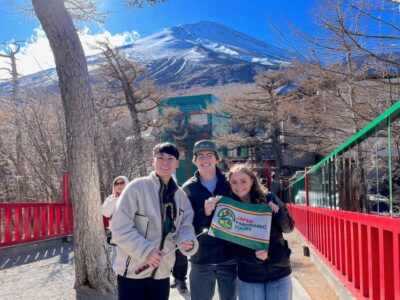 ★ 4.2Mt. Fuji 5th Station & Hakone Cruise 1-Day Bus TourFrom $1292,381 reviews
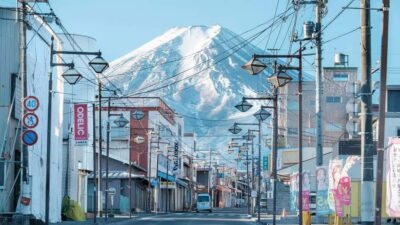 ★ 4.7Mt Fuji Top 5 Spots Day Tour: Arakurayama Park,Oshino HakkaiFrom $532,066 reviews
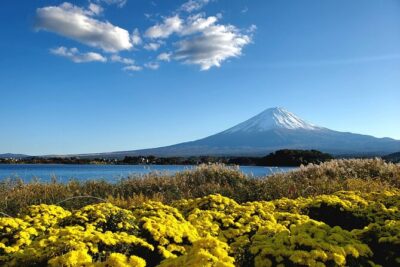 ★ 4.9Mount Fuji Full-Day Private Tour from Tokyo (Customizable)From $3931,470 reviews
This tour also belongs to