
Review · NIKKO DAY TRIPS
Nikko Tour by Private Car and English Speaking Driver
Nikko in one day, without the hassle. What makes this trip work is private transport with Tokyo hotel pickup, plus a tight plan that still leaves room to linger. I like that you get major sights in one go, including the shrine complex and the best waterfall viewpoint area, without bouncing between trains and buses. One thing to keep in mind is the day runs long (about 9 to 10 hours), and ticket details for certain entrances can be a little confusing depending on what you pay on site.
The other reason I’d choose it is the human factor. A guide like Hadi can explain the place clearly, and one review notes he stayed patient when the group wanted extra time at a favorite spot. If you’re the type who likes photos, history, and not feeling rushed, this format fits well. Still, because it’s weather dependent and the timing is built around travel time, you’ll want to plan for a slower start if Japan has a rainy day that day.
Key takeaways
- Private, up-to-3 group means you can move at your pace instead of getting swept along.
- Hotel or Airbnb pickup and drop-off in Tokyo keeps the logistics simple.
- Akechidaira, Lake Chuzenji, and Kegon Falls give you both views and waterfalls in one direction.
- Nikko Tosho-gu and Shinkyo Bridge are the big visual hits, with strong cultural context.
- Some site tickets are listed as not included, so confirm before you go.
- Guides can flex time, and that makes the difference at the shrine gates.
Why a private Nikko day trip beats the usual bus tours
Nikko is the kind of place where crowds can make the experience feel like a checklist. This day trip avoids that problem by keeping everything private, from the moment you’re collected in Tokyo to the moment you’re dropped back off. Since it’s for one party, up to three people, you avoid the constant “wait, wait, hurry” rhythm that comes with shared transport.
I also like that the driving plan includes scenic stops along the way, not just straight transfers between ticket lines. That matters because Nikko’s beauty is built into the approach. On a structured tour, you still get time at key photo points, so you’re not forced to choose between taking pictures and seeing the main sights.
The trip is also designed around an English speaking driver, which is practical. You’re not guessing your way through what you’re looking at. Even the short time at each stop can feel more meaningful when someone can explain what’s important, and one review specifically called out how Hadi shared history and stayed patient when the group wanted extra time.
You can also read our reviews of more private tours in Tokyo
Price and logistics: what $480 per group really buys
This costs $480 per group, for up to three people. On paper, that’s “expensive day trip” money. In reality, it can be a good value if (1) you’re traveling with someone else, and (2) you want to avoid Tokyo-to-Nikko transit transfers.
Here’s what’s included, based on the trip details:
- Parking fees
- A modern, clean, air-conditioned vehicle
- Private transportation, round trip from your Tokyo hotel or Airbnb
- Fuel surcharge
That’s the big deal: the car, the driver, and the door-to-door logistics. You’re also not paying extra for parking along the way, which can add up on longer excursions.
Now the part you should double-check before you book: ticket inclusions vary in the information provided. The itinerary details list admissions as included for several stops, yet the “not included” section specifically says tickets for the Ropeway, Kegon Falls, and Nikko Toshogu are not included. I’d treat this as a “confirm on booking” item so you don’t get surprised at the gates.
One more practical note: lunch is not included. So budget time and money to eat either before you head out or during your available breaks. If you hate the idea of searching for food while people are waiting, you’ll feel more comfortable bringing something simple.
The day plan: timing, pace, and photo-friendly stops
The overall duration is about 9 to 10 hours. The schedule also notes that the remaining time is mainly travel, which is exactly what you want to know ahead of time. You’re not going to spend every minute standing at temples. You’re going to spend part of your day moving between viewpoints, and that’s normal for Nikko from central Tokyo.
The tour is built around short, focused stops that add up to a satisfying sweep of Nikko’s best-known sights:
- Akechidaira Observation Area to start with wide views
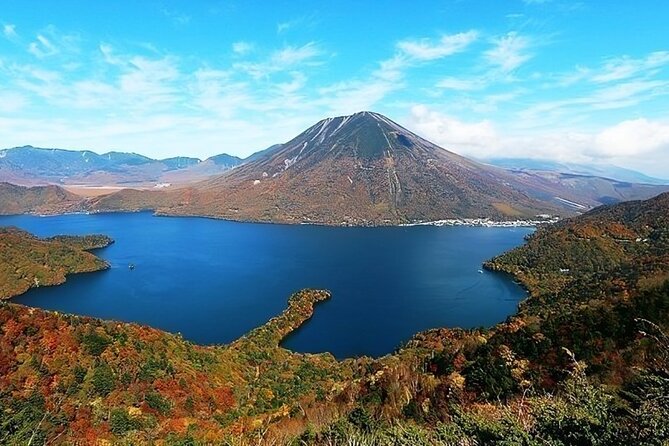
- Lake Chuzenji for a calm hour by the water
- Kegon Falls for the waterfall moment
- Nikko Tosho-gu for the shrine highlights
- Shinkyo Bridge for the classic bridge photo
- Narabi Jizo as a quieter finale
What I like is that the schedule includes time blocks that don’t feel insultingly brief. For example, you get a full hour at Lake Chuzenji and an hour at Nikko Tosho-gu, not just a quick walk-through. And because it’s private, you can usually adjust your pace to what you care about most, which is specifically mentioned as a way to personalize the day.
Weather matters here. The experience notes that it requires good weather. If weather turns bad, you’re offered a different date or a full refund. That’s a key planning point for Nikko, because rain can affect both visibility and the enjoyment of outdoor viewpoints.
Akechidaira Observation Area: the best way to start your Nikko day
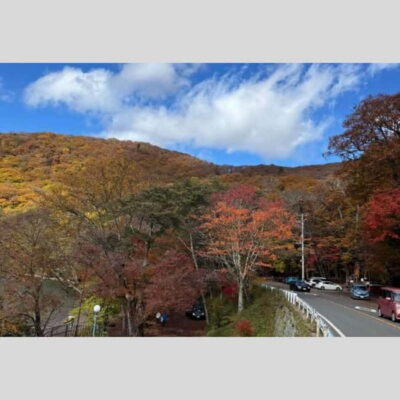
The first stop is the Akechidaira Observation Area, with about one hour on site. This is your viewpoint warm-up, set in Nikko National Park. The idea is straightforward: you arrive with enough time to orient yourself visually and get those early “I can’t believe this is real” photos.
This is also a helpful stop for your brain. Once you see the broader terrain from above, the later sights make more sense. You’ll understand why Lake Chuzenji and the falls feel connected to the same mountainous region.
Admission for this stop is listed as included in the itinerary details, so you may not need to prepare extra cash for this specific viewpoint. You may still want to check how your driver handles tickets or if you’ll pay directly at the site for any activities tied to the ropeway, since that’s listed as not included.
One more detail: the plan mentions walking the Akechidaira Ropeway, which is a separate paid item per the “not included” section. So think of the ropeway as optional. If you want every view angle possible, you’ll likely consider paying for it. If you’re focused on the classic sights only, you might skip it to keep your spending predictable.
Lake Chuzenji: a full hour for quiet views and breaks
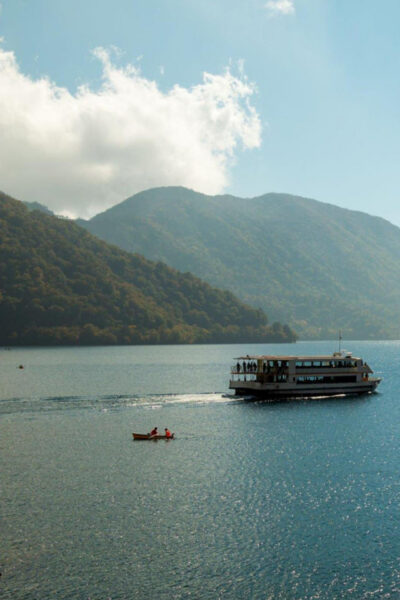
After the viewpoint, you head to Lake Chuzenji, about one hour. This stop is listed as free for admission. I like that the schedule builds in a calm segment, because it breaks up the more intense shrine-and-waterfall focus.
The provided description emphasizes that the lake is tranquil and set within the mountainous Nikko National Park. Even if you don’t spend your time reading every sign, this is where your photos can breathe. It’s also a smart moment to take a restroom break and reset before the busier walking you’ll do at the shrine complex.
Since lunch isn’t included, Lake Chuzenji can be a good place to eat something simple if you’re already carrying snacks. The tour’s time blocks are fixed enough that you’ll likely have an easier time coordinating a meal when you can sit somewhere and pause instead of hunting for food on the move.
More Tokyo tours and experiences for the shortlist

Kegon Falls: the 97-meter wow moment, short and powerful
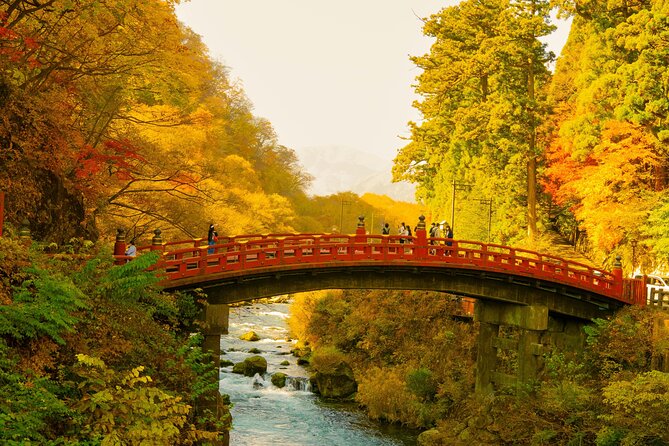
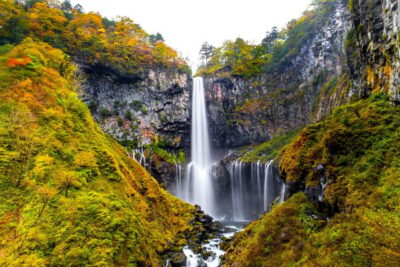
Next is Kegon Falls for about 30 minutes. This is one of Nikko’s signature sights, with a dramatic 97-meter plunge into a rugged gorge. The key here is not the time you spend on paper. It’s the focus: this is a “get the shot, see the drop, move on” stop.
Admission is listed as included in the itinerary stop details, but the “not included” section also calls out entrance ticket of Kegon Falls. That contradiction is exactly why I recommend confirming what you’ll pay for when you book. If tickets are included, great. If not, you’ll want to know how much to budget.
Even with only half an hour, 30 minutes works well for this type of attraction. You get a chance to take the iconic views, and you’re not stuck there in case the weather or visibility changes.
If you’re the kind of traveler who likes to slow down at water, you may want to manage your expectations. The tour gives you a set short window here, then moves on. Because the tour is private, your driver may allow small flexibility, but don’t assume you’ll have an extended stay.
Nikko Tosho-gu: ornate shrine time with real cultural context
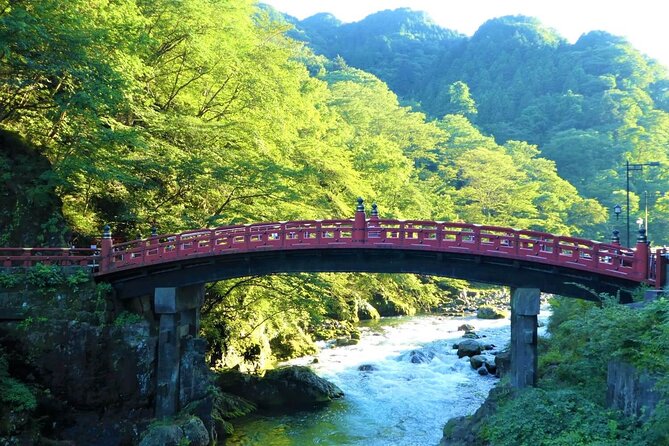
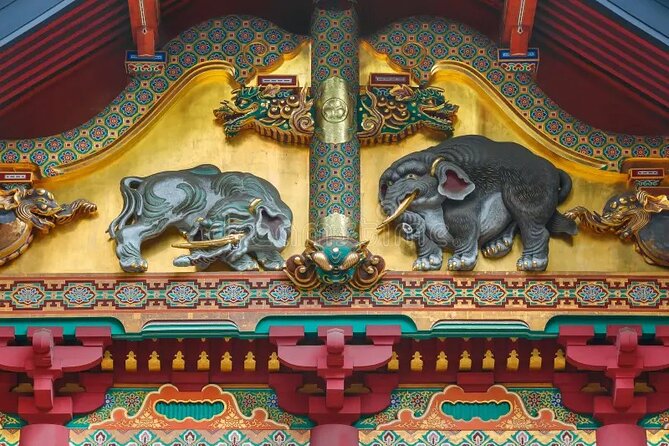
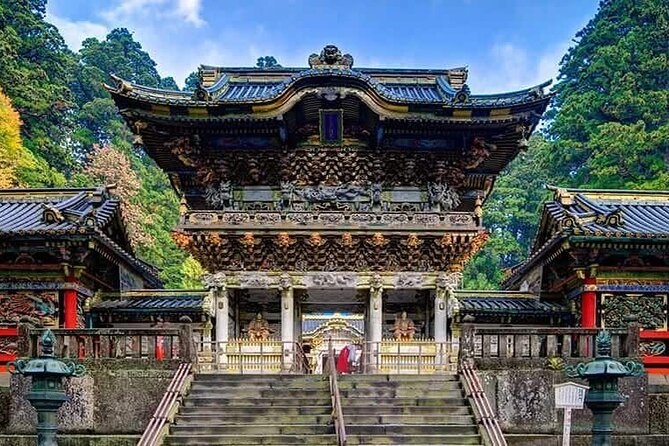
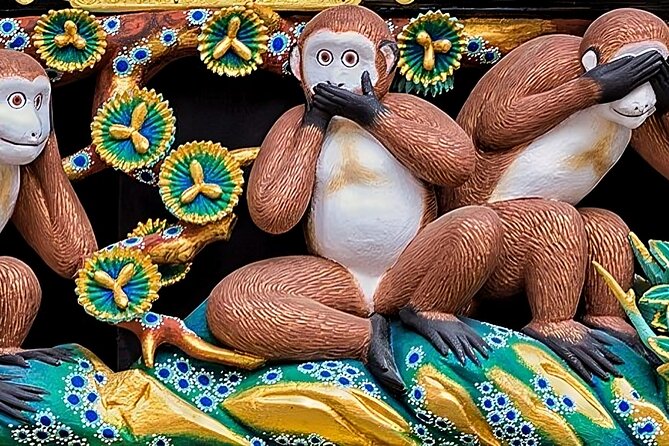
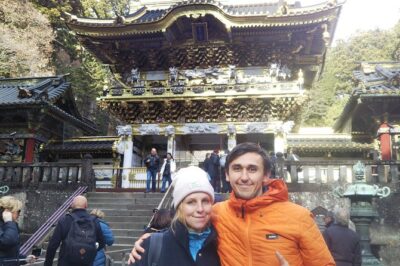
The centerpiece of many Nikko visits is Nikko Tosho-gu (also commonly written as Toshogu), with about one hour on site. This shrine is dedicated to Tokugawa Ieyasu, and it’s known for ornate architecture and deep cultural significance.
I think one hour is the right length for a first visit. Too short and you miss details. Too long and you can end up feeling like you’re reading a textbook with your neck craned. With a driver who provides context, you can spend that hour noticing what matters, not just photographing everything.
A review specifically praised Hadi for explaining the history and letting the group take extra time where they wanted it most. That’s a great sign if you care about meaning, not just visuals. When you understand who built what, why certain elements are emphasized, and what the shrine represents, you’ll enjoy the place more even if you’re not a hardcore history nerd.
Also, be aware again: the itinerary includes an admission ticket note for this stop, while the “not included” section says the entrance ticket of Nikko Toshogu is not included. Before you go, confirm what is covered in your package so you know what to pay at the gate.
Shinkyo Bridge: the classic crimson photo and quick walking time
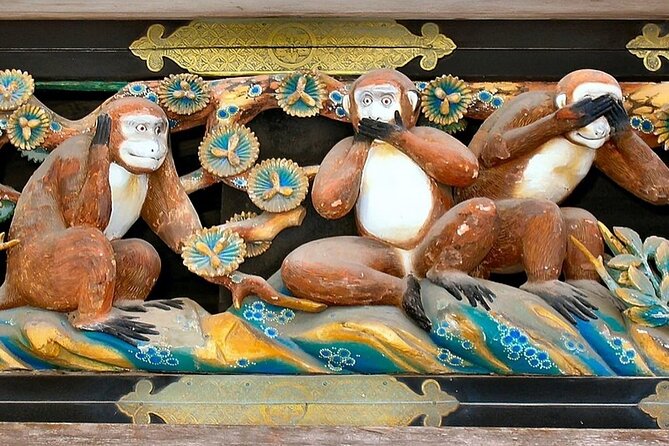
After Tosho-gu, you visit Shinkyo Bridge for about 30 minutes. It’s described as the sacred bridge, known for its striking crimson color and traditional design over the Daiya River.
This is a great stop because it’s visually iconic and relatively efficient. Thirty minutes is plenty to capture the classic angles, stroll around nearby areas, and enjoy the moment without turning it into an exhausting marathon.
Admission is listed as included for Shinkyo Bridge in the itinerary details, but it’s still worth keeping your eyes open on any ticket requirements at the entrance area itself. Private tours can still require on-site fees depending on how your package was structured.
If you like quick, high-return stops, Shinkyo is the kind of place you’ll remember even years later. And it gives you a perfect contrast after the dense shrine buildings.
Narabi Jizo: a quieter stop that often feels more personal
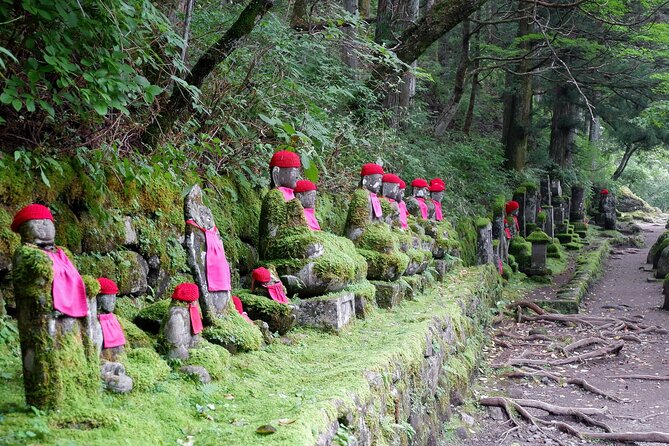
The last listed sightseeing stop is Narabi Jizo for about 30 minutes, and it’s free for admission. This site is known for rows of stone Jizo statues, which are revered for spiritual significance and are associated with the guardian deity of travelers.
I like having a quieter finale. After big architecture and loud waterfall energy, Narabi Jizo gives you a calmer, more reflective walk. Even if you don’t know every detail in advance, you’ll likely feel the difference in atmosphere. It’s also a stop where slower travelers can naturally take their time, because the space invites it.
The tour structure also helps here. Since you’ve already seen the major Nikko icons, Narabi Jizo feels like a thoughtful wrap-up, not another “must-see” you’re ticking off under pressure.
Who this private Nikko tour suits best
This is a strong fit if you want:
- A private day trip that reduces transport stress
- A full sweep of major Nikko sights in one day
- An English speaking driver who can explain what you’re seeing
- The flexibility to spend longer where you care most
It’s especially worth it for small groups. If you’re traveling with up to two others, the per-person value can get much better than a single-seat shared tour, since you’re paying for a whole private vehicle.
It’s also a smart choice if your Tokyo schedule is tight. Day trips like this are easier to manage when you can get picked up and dropped off at your hotel or Airbnb.
If you’re traveling solo and want the cheapest option possible, you may want to compare against group tours. But if you value time, comfort, and smoother logistics, this private approach makes a lot of sense.
Booking timing and weather reality checks
This tour is often booked about 40 days in advance, so I’d treat it as a plan-ahead day. Nikko is popular, and private vehicles that start from hotels in Tokyo are not something you want to scramble for at the last minute.
Also, the experience requires good weather. If weather turns, the tour can be canceled and you’ll either get offered a different date or a full refund. If you’re choosing between two days in your Tokyo stay, pick the ones with more flexible scheduling so you have room for a reschedule.
Finally, the cancellation policy is free up to 24 hours in advance for a full refund. That gives you a safety net if you’re adjusting plans, though the key is still to book soon enough that you actually have dates to choose from.
Should you book this Nikko private tour?
I’d book it if you want a stress-free Nikko day with a clear hit list, hotel pickup, and the ability to adjust time at the spots you love. The private format is what turns the day from a transportation exercise into a real outing. And the best sign from the guide side is the emphasis on history explanations and patience, highlighted with the example of Hadi.
I’d pause and confirm details before paying if you are budgeting tightly, especially for entrance tickets and the ropeway, since the provided information lists some admissions as included in the stop details while also listing certain tickets as not included. Once you confirm that, the day trip is straightforward and genuinely enjoyable.
If you’re ready for a long but rewarding day, with views, major shrines, and waterfall time without getting lost in transit, this is one of the more sensible ways to do Nikko from Tokyo.
FAQ
How many people are in each group?
The tour is for up to 3 people per group, and it’s private, so only your group participates.
How long is the Nikko day trip?
It runs about 9 to 10 hours total, and the remaining time is typically for travel.
Do you get pickup from a Tokyo hotel or Airbnb?
Yes. Round-trip pickup and drop-off from your Tokyo hotel or Airbnb is included.
What entrance tickets are included, and what is not?
The details list admissions for some stops as included in the itinerary, but the not included section specifically lists the Ropeway entrance ticket, the Kegon Falls entrance ticket, and the Nikko Toshogu entrance ticket. Check what you will pay for at each site when you book.
Is lunch included?
No. Lunch is not included.
What happens if the weather is bad?
The tour requires good weather. If it’s canceled due to poor weather, you’ll be offered a different date or a full refund.
More Private Tours in Tokyo
More Tours in Tokyo





More Tour Reviews in Tokyo


Not for you? Here's more nearby things to do in Tokyo we have reviewed












Nikko Day Trips, side by side.
 ★ 4.6Nikko: Kegon Falls, Lake Chuzenji & Toshogu TempleFrom $891,577 reviews
 ★ 4.5Nikko Toshogu Shrine and Kegon Waterfall TourFrom $841,266 reviews
 ★ 5.0Nikko Full-Day Private Tour with Government-Licensed GuideFrom $155259 reviews
 ★ 4.9From Tokyo: Nikko World Heritage Site Private Full-Day TripFrom $483243 reviews
 ★ 4.3Nikko: Edo Wonderland Edomura Cultural Theme Park TicketFrom $35205 reviews
 ★ 4.8Nikko World Heritage Private Day Trip Hotel Pick-upFrom $390145 reviews
From Tokyo: Nikko World Heritage Sight Full Day Private TourFrom $362127 reviews
 ★ 4.9Nikko – Beautiful Full-Day Personal and Private TourFrom $364119 reviews
This tour also belongs to