
Review · GUIDED
Private Omiya Bonsai Village Tour with Licensed Guide
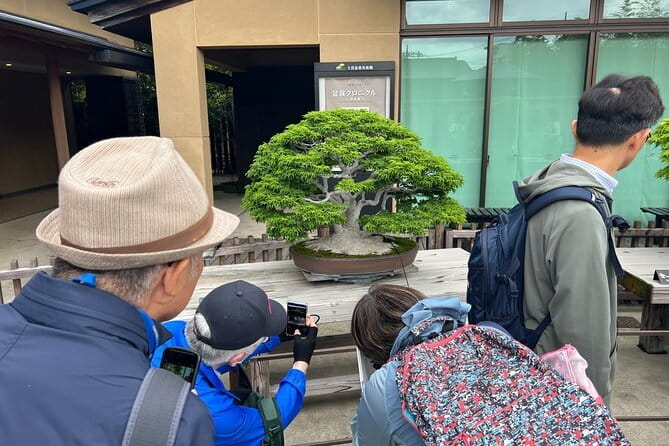
Omiya Bonsai Village is the kind of place you can wander and still learn something every minute. This half-day private tour takes you from Tokyo to a bonsai district in Saitama where pioneers relocated around 100 years ago, then moves through six different bonsai gardens plus time near the Omiya Bonsai Art Museum. You’ll also get a guide who helps with questions, directions, and where to focus for great photos and even a souvenir plant.
Two things I really like: first, the private, licensed English-speaking guide. You can ask questions as much as you want, and the experience feels more personal than a bus-and-brochure stop. Second, the garden layout is made for strolling and photographing, and the chance to buy a souvenir bonsai plant is built into the day. One possible drawback to plan for: garden and museum admission fees are not included, and the museum has a scheduled closure for renewal from Nov 5, 2024 to Mar 20, 2025.
Key Things That Make This Tour Worth Your Time
- Licensed English guide for a truly private pace, with time to ask questions instead of rushing through
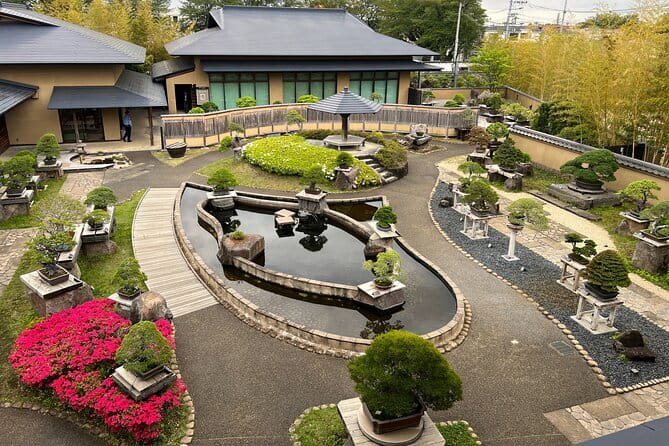
- Six bonsai gardens in one half-day, so you see different styles and settings without needing multiple tickets or transfers
- Photo-friendly garden walking, where you can aim for unique souvenir shots rather than the same postcard angles
- Real plant-shopping time, since you can purchase a souvenir bonsai plant during the visit
- Museum closure dates matter, because Omiya Bonsai Art Museum can be closed for renewal during parts of the year
Omiya Bonsai Village: Why This Part of Japan Feels Special
If you like gardens but also want a culture story that feels hands-on, Omiya Bonsai Village is a strong match. You’re in a section of Saitama city where bonsai pioneers relocated about a century ago, and that long timeline shows in the way the gardens are arranged and how naturally the day fits together.
What I like most is the rhythm. You don’t just look at a few trees, you move through multiple gardens in a connected area, so your eyes start learning patterns. After a while, you’ll notice how different plant shapes, display styles, and garden paths create different moods, even when the core idea is the same.
This is also a good place to slow down. Bonsai takes time to appreciate because it’s about careful shaping and patient work. A guided day helps because you’re not trying to guess what you should pay attention to. And if you’re the type who likes asking practical questions, this tour gives you permission to do it.
You can also read our reviews of more guided tours in Tokyo

The Licensed Guide Advantage, From Questions to Helpful Details
A private tour only works if the guide actually adds value. Here, the key is a licensed English-speaking guide who meets you in Tokyo and then stays with you through the day’s key moments.
One thing I’d watch for is how flexible your conversation can be. The day is built around you asking questions, and the guides described in the experience are willing to talk at your pace. In past visits, guides named Kahori and Miyuki were both described as patient and good at explaining bonsai history and general bonsai concepts.
Also, don’t underestimate small extras. One guide, Kahori, even taught origami sculptures on the train. That’s the kind of light, memorable touch that can make the trip feel smoother, especially when you’re traveling between locations and want something better than just scrolling on your phone.
The big takeaway: you’re not just getting transportation. You’re getting a real person who can point you toward the most interesting details and help you focus so the time feels earned.
Getting From Tokyo to Omiya: Simple, Fixed Timing
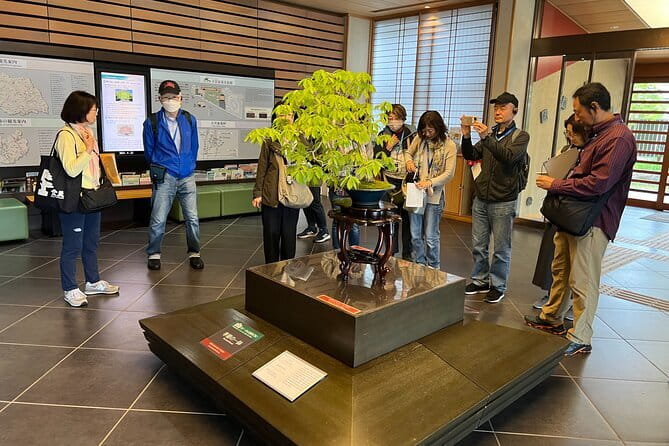
This tour is built to feel manageable. The total duration is about 4 hours, and the travel rhythm is straightforward: roughly 1 hour from Tokyo to Omiya Bonsai District, then about 2 hours round trip, with the garden and museum time making up the rest.
That structure matters. If you only have a half day in the Tokyo area, you want a schedule that doesn’t sprawl. Here, the tour’s stops are clear, and the day is balanced so you don’t feel like you’re spending most of your time in transit.
Also note the practical side of transportation. Pickup is described as offered, but the included details say you meet your guide in Tokyo on foot, and transportation fees are listed as not included. So I’d think of this as guide-supported getting around more than a fully turnkey car service.
If you’re coming from central Tokyo, wear comfortable shoes. The garden time is long enough that you’ll want to move easily, and bonsai districts tend to reward walking slowly rather than power-walking.
Stop 1 and Stop 4: Tokyo Start and Return (Plus What to Plan for)
You meet your guide at your hotel or a desired place in Tokyo, then you head toward the Omiya area. The “Tokyo” portions are about an hour each direction, and your guide takes you back to Tokyo after the tour.
This is the part of the day where you can set yourself up for a better experience. Before you leave, take a minute to decide what you want from the day. Are you trying to spot photo angles? Do you want a quick primer on what bonsai artists focus on? Or are you mostly there to relax and look?
If you like conversation, use the ride time to ask questions that will guide your garden viewing. That’s where the private format shines. The guide can help you choose which features to pay attention to once you’re in the gardens.
And if you’re budgeting, remember that admissions for the gardens and museum are not included. So even though the ride is simple, your money planning should be ready for the onsite costs.
Stop 2: Exploring the Six Bonsai Gardens (How to Get More From Every Photo)
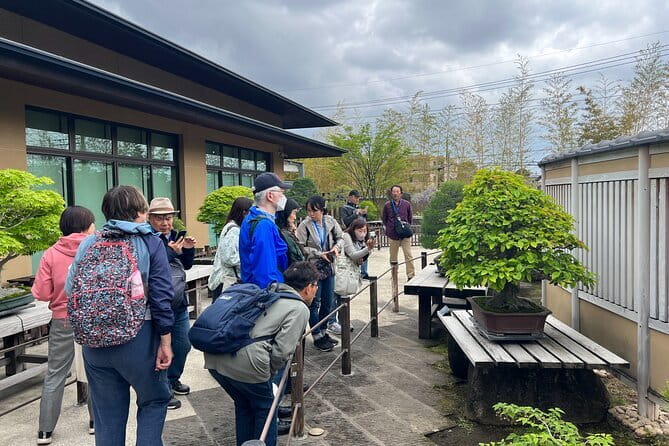
The heart of the tour is the Omiya Bonsai Village visit. It’s described as having six distinguished gardens, and the idea is that you walk through different displays in one area that’s been associated with bonsai pioneers for about 100 years.
You’ll be there for about 1 hour 30 minutes. That’s enough time to do two useful things without feeling rushed. First, you can see each garden’s main style and composition. Second, you can go back for a second look on your favorites, which is where your best photos usually happen.
Here’s my practical advice for photographing bonsai during a guided garden walk:
- Take one wide shot first to capture the garden’s “layout,” then switch to tighter angles.
- Watch for framing opportunities like path edges and nearby plant groupings, because bonsai looks best when it’s part of the whole scene.
- Don’t force every photo. The gardens are meant for viewing in person, and you’ll enjoy the day more if you occasionally just watch.
You also get a chance to treat the visit like a learning session. Even if you’re new to bonsai, the guide can explain what you’re seeing in plain language and help you understand why certain shapes and display methods are used.
And yes, the gardens are a standout for unique souvenir photos. If you’ve already seen “pretty trees” photos on social media, this is where you can find angles that feel more personal and specific to the village.
You can also read our reviews of more private tours in Tokyo


Stop 3: Omiya Bonsai Art Museum, Including the Closure Dates
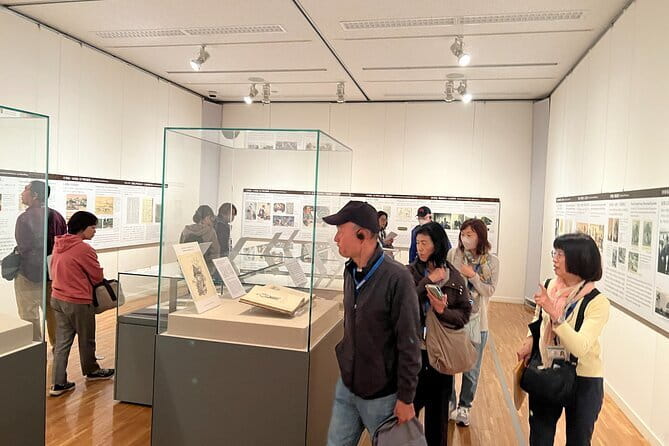
After the gardens, the tour includes time at the Omiya Bonsai Art Museum, located near the edge of the bonsai village. The scheduled time is about 30 minutes, and museum admission is listed as not included.
The big detail you must check is the closure schedule. The museum is closed for renewal from Nov 5, 2024 to Mar 20, 2025. If your trip falls inside those dates, don’t assume you’ll be able to enter, even if the time block appears in your tour plan.
If the museum is open for your dates, it’s a smart complement to the gardens. You’ll have a place to learn more about the history of this Japanese horticultural art form. The museum is described as arranged logically, and that matters because it helps you connect what you saw outside with a bigger story.
Because you only have about 30 minutes, your approach should be simple. Pick a few sections to focus on, and then use that info to re-see the gardens with sharper questions in mind. Even a short museum visit can change how you interpret what you’re seeing on the paths.
Bonsai Souvenirs: Buying a Plant Without Turning It Into Chaos
One of the tour highlights is the chance to purchase a souvenir bonsai plant. That’s not just a nice extra, it’s also a reason the tour feels different from a regular sightseeing visit.
Here’s what to think about before you buy:
- Bring enough budget for admission plus a plant if you decide to take one home.
- Be ready for the reality that a living plant affects how you travel, especially if you’re flying.
- If you’re unsure about what you’re looking at, ask the guide questions. The private format is made for this.
A bonsai purchase can also be a memorable “last stop.” Instead of the usual shop run where you buy a trinket and move on, you get a souvenir that connects to the exact place and the time you spent walking the gardens.
So if you’re even slightly tempted, I’d treat the purchase like part of your planning, not a spontaneous impulse. Ask what the options are during the garden visit, and decide while the day still has structure around it.
Price and Value: Is $107.50 a Good Deal?
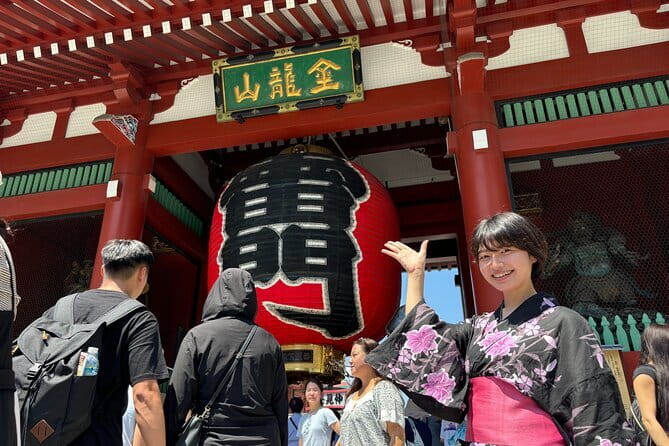
The price is $107.50 per person for a private tour, booked on average about 52 days in advance. For a private, English-guided half-day, that’s a reasonable cost point, especially because you’re not just being shown one spot.
But the value depends on what you’re getting for that price. Included items are a licensed English-speaking guide and meeting your guide in Tokyo on foot. Pickup is offered, but the details also say a private car is not included, and transportation fees are not included. Admissions for the gardens and museum are also not included.
So your true budget is more like:
- Base tour cost
- Plus garden admission (listed as not included)
- Plus museum admission if the museum is open and you enter
- Plus any transit costs you pay during the day
If you want a calm, guided walk through multiple gardens with Q and A time, that’s where the price feels justified. If you only care about a quick museum stop, or if you’re comfortable navigating everything on your own, you might compare options. Still, for many visitors, the guide support and the private pace make the cost feel fair.
Who Should Book This Omiya Bonsai Village Tour?
This tour fits best if you:
- Love plants and want a guided day that focuses on bonsai specifically
- Care about history and want the museum context when it’s open
- Want better photos than the usual quick stop, thanks to structured garden time
- Like asking questions and getting straight answers in English
It can also be great for photographers, because the gardens are described as a strong spot for unique souvenir photos. And if you’re traveling with someone who’s curious but doesn’t know where to look, the guide can help you both focus.
On the other hand, if you strongly prefer self-guided sightseeing, you might not fully use the private guide time. And if your dates fall during the museum closure window, you’ll want to be comfortable with a garden-only emphasis for the museum portion.
If you like soft, scenic walking days that feel quiet and thoughtful, you’ll probably enjoy the pacing.
Should You Book This Tour, Given the Museum Closure and Extra Costs?
I’d book it if you want a guided, private walk through six bonsai gardens from Tokyo, with a licensed English-speaking guide you can question freely. The value is strongest when you care about the details and want help translating what you’re seeing.
Before you pay, do two quick checks. First, confirm whether the Omiya Bonsai Art Museum is open for your dates, since it can be closed from Nov 5, 2024 to Mar 20, 2025. Second, plan a separate budget for garden and museum admission, because those costs are not included.
If you’re okay with those points, this is the kind of experience that can feel more personal than typical Tokyo day trips, and it gives you a chance to bring home something real, a souvenir bonsai plant, not just photos.
FAQ
FAQ
How long is the Omiya Bonsai Village private tour?
The tour duration is about 4 hours.
Where does the tour start in Tokyo?
You meet your guide at your hotel or another desired place in Tokyo.
Do I pay admission fees during the tour?
Yes. Admission ticket information is listed as not included for the bonsai village gardens and for the Omiya Bonsai Art Museum.
Is the Omiya Bonsai Art Museum always open?
No. The museum is closed for renewal from Nov 5, 2024 to Mar 20, 2025.
Is this a private tour?
Yes. It is private, meaning only your group participates.
Is pickup included?
Pickup is offered, but the included details say you meet your guide in Tokyo on foot, and transportation fees are not included.
Is lunch included?
No. Lunch and other personal expenses are not included.
Can I cancel for free?
Yes. You can cancel up to 24 hours in advance for a full refund.
Are service animals allowed?
Yes, service animals are allowed.
More Guided Tours in Tokyo



More Tours in Tokyo






More Tour Reviews in Tokyo


Not for you? Here's more nearby things to do in Tokyo we have reviewed








Guided, side by side.
 ★ 5.0Tokyo 6hr Private Tour with Government-Licensed GuideFrom $1553,902 reviews
 ★ 4.9Shinjuku Local Bar and Izakaya Guided Walking TourFrom $341,794 reviews
 ★ 4.8Private City Highlights Tour with Local GuideFrom $1061,433 reviews
 ★ 4.9Tsukiji Fish Market Guided Walking TourFrom $221,397 reviews
 ★ 5.0Tokyo 4hr Private Tour with Government-Licensed GuideFrom $1091,394 reviews
 ★ 5.0Tokyo Guided Small-Group Biking TourFrom $1061,250 reviews
 ★ 4.6Samurai Ninja Museum Guided tour and ExperienceFrom $271,010 reviews
 ★ 5.0Tsukiji Fish Market Guided Tour and Sushi Making with Pro ChefFrom $104775 reviews