
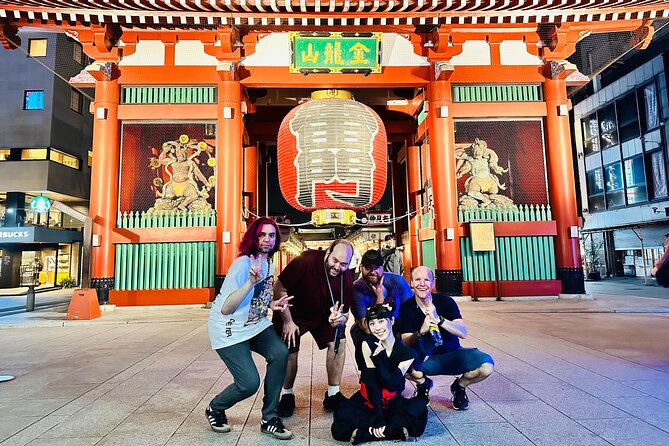
Review · ASAKUSA TOURS
Asakusa’s Historic Treasures
Asakusa can feel like a time machine. This tour uses a small-group walk with Miley as your guide, pairing historic Asakusa stops with interactive food and entertainment, all for an easy late afternoon slot starting at 2:00 pm.
I really like how the tour teaches you the area in plain, chronological chunks, from the early long-ago markers to more modern events, so your photos make sense instead of feeling random. I also like the energy level, including when the weather turns, with the kind of humor and pace that keeps you walking and looking instead of waiting around.
One consideration: the schedule is packed into about 4 hours, so you will want comfortable shoes and a keep-moving mindset, especially if you get stuck behind slower walkers during temple and shrine stops.
Key highlights you will feel right away
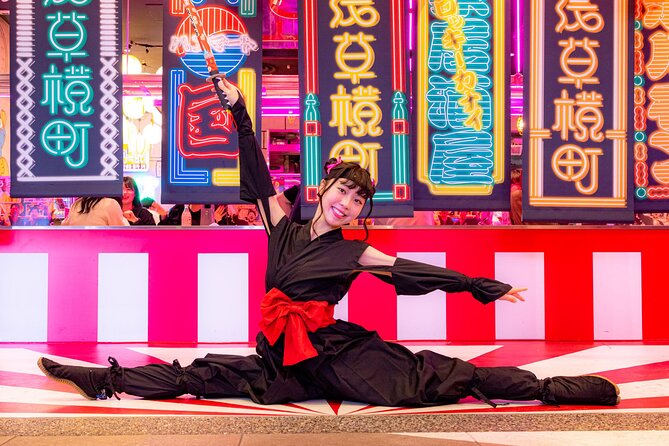
- Miley-led storytelling: lively history tied to what you are seeing, not just names and dates
- Temple vs shrine clarity: you learn the difference as you walk, not from a pamphlet
- Karaoke tea time with a free drink bar: a fun break that still fits the tour theme
- Hands-on monja experience: you make this Asakusa-born dish and get included drinks with the meal
- Small group, max 9: easier questions, closer attention, less feeling like you are just following a crowd
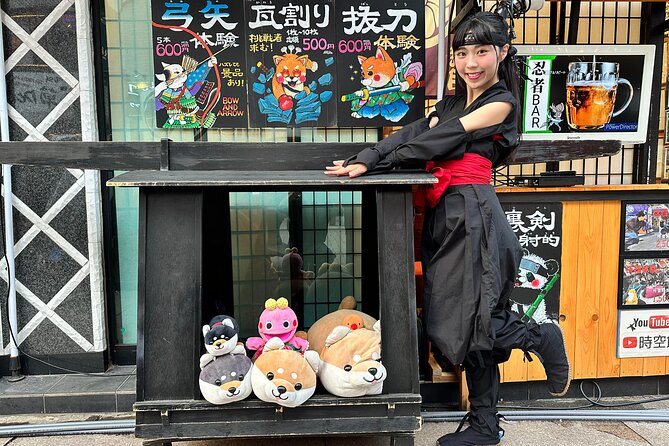
- End near Ninja House: a convenient optional drink stop if you want to keep the night rolling
Entering Asakusa’s historic layers, one stop at a time
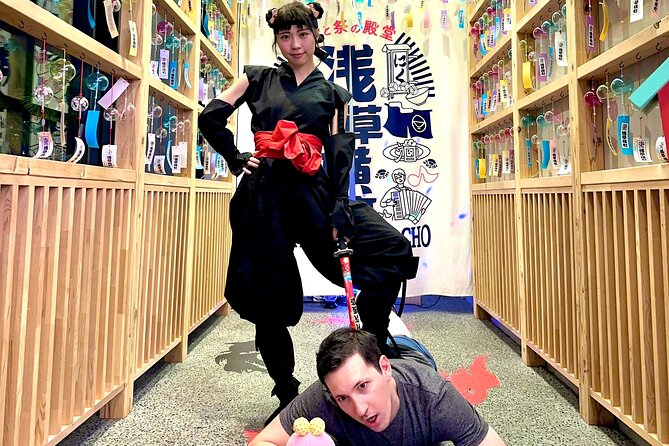
Asakusa is one of those Tokyo places where the street scene can swing between old and new fast. That is the core idea here: you get a guided contrast experience, and the Asakusa portion gives you a clear sense of what is old, what survived, and what changed over time.
The tour starts in a very practical location, by Burger King Asakusa Azumabashi. You meet at the Cross Bil Royal Palace area, and that matters because it makes it easier to orient yourself before you start walking through the old streets of Asakusa.
This is also a good tour for people who like to understand a neighborhood, not just check boxes. Your guide is set up to explain local customs and context you will not get from a fast photo walk, and the vibe stays fun while still staying focused.
You can also read our reviews of more historical tours in Tokyo

Meeting point to walking rhythm: what the 2:00 pm timing really means
The tour runs about 4 hours and starts at 2:00 pm, which is a sweet spot if you want daylight photos but also want to dodge the hottest part of the day. Because the total time is short, you will feel the pacing right away. You are walking, stopping, learning, then eating and singing.
Group size is capped at 9 travelers, so you are not buried in a big crowd. That small size tends to make the questions easier. If you like asking why a place looks the way it does, this format is a win.
You also get a mobile ticket, which is helpful if you hate paper confirmations and want everything on your phone. Just keep your battery charged, because you will likely use your phone for maps while you are moving between areas.
The Asakusa timeline walk and the idea of a time slip journey
One of the first things the tour does is put Asakusa’s story in order. You do not just bounce around. You look at historical markers in chronological order, and the tour frames it like a time slip journey.
That matters because Asakusa has a lot going on visually. Without context, you can end up with a pile of cool images and no mental map. With the timeline approach, you start recognizing why certain streets and sites feel the way they do, even if you are not reading every sign.
A good example is the way the tour points you toward big historical stretches, including markers that go from 628 to 2012. You might not walk away memorizing years, but you will feel the sweep of change. It gives you a different kind of satisfaction when you revisit Asakusa on your own later.
Learning the difference between temples and shrines, plus what survived the war
Asakusa is full of places people photograph, and the details matter. This part of the tour focuses on the difference between temples and shrines, then connects it to buildings and areas that survived through major historical periods, including 1649 to 1945.
If you have ever stood in front of a gate or hall and wondered what you are looking at, you will like how this tour turns it into something you can tell apart. The guide’s explanations are made for walking, so you are not stuck in one place reading.
There is also a practical value here. Once you understand the basic temple versus shrine differences, you start spotting the clues yourself. That makes your future walks around Tokyo more rewarding, because you can interpret what you see instead of treating every sacred space like a generic stop.
Asakusa Yokocho: festival-street photos without the museum feel
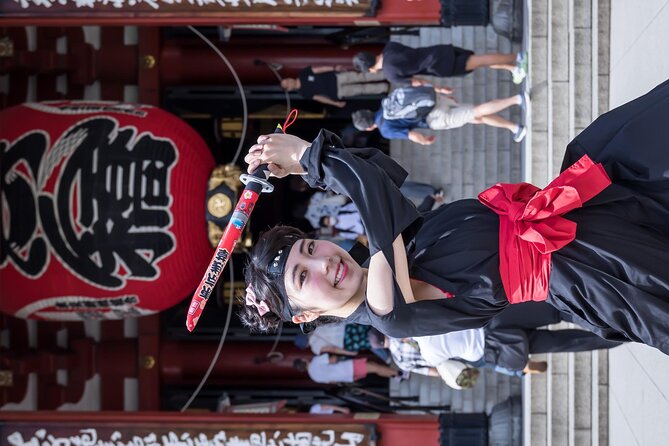
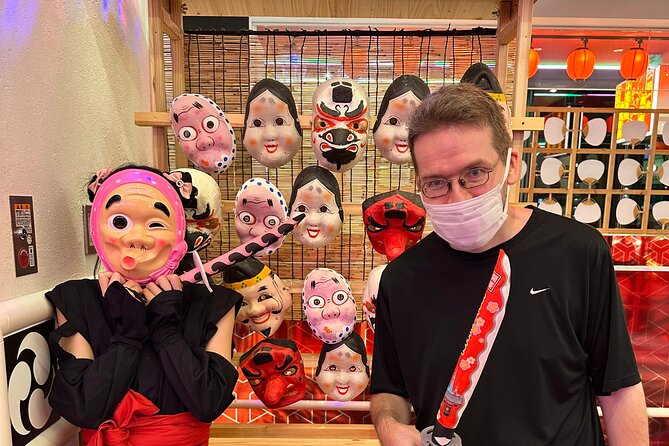
Next up is Asakusa Yokocho, a stop that is billed for photogenic scenes with a festival-street concept. The admission is listed as free here, and the time set aside is about 20 minutes.
This is the kind of stop that works well mid-walk. It gives your eyes a break from the deeper historical focus, and it lets you grab photos that actually fit the vibe of the neighborhood. Instead of squeezing time out of every second, you get a short, specific moment designed for atmosphere.
One small consideration: because it is a photo-friendly area, it can feel more crowded when people pause to shoot. If you are the type who hates waiting, move slightly faster through the photo spots and come back for one final picture when the path clears.






Karaoke tea time in Japan, with a free drink bar
Then the tour shifts from walking and history into pure fun: karaoke experience, labeled as tea time, with the note that Japan is the birthplace of karaoke. You get about 1 hour here, and entry is listed as free.
The details that matter for value are the included drinks. This stop includes a free drink bar, so you can treat it like a break that still counts as part of the scheduled experience. If you get tired halfway through the walk, this is built for resetting your energy.
Also, karaoke is a surprisingly good way to understand local leisure culture. You do not need to be a performer type to enjoy it. In a small-group setting, even shy participants often find it easier once the activity is structured.
Keep your expectations realistic: karaoke is time-boxed to fit the tour flow. You are not picking songs for hours. You are doing a planned set of fun, then moving on.
Monja experience: the Asakusa-born food you cook yourself
The final big hands-on stop is monja, an experience where you learn how to make this unique food born in Asakusa. The description says it looks like vomit, but tastes delicious, which is honestly the kind of warning that prepares you for the weird visual reality of monja before you judge it.
You spend about 1 hour here, and the meal includes one drink. The tour notes that your guide will teach you how to make it, so you are not just eating and leaving.
Why this stop is a strong value play: food on tours is often either a “sit and watch” moment or a random restaurant with little context. This is different because it is interactive. You get a chance to understand what makes monja what it is, and then you get to taste the results right away.
One note for picky eaters: you might want to ask about how it is prepared, because you cannot assume it will match every Western palate. The tour data does not list ingredients, so you would need to rely on what your guide says at the station when you are there.
Ending near Ninja House, with an optional drink to keep going
The tour ends in Asakusa near Ninja House, and there is an option to continue your adventure with a drink there if you want to. The endpoint is listed as 2-chōme-4-3 Asakusa, and that is useful because you can plan your next move from a known landmark.
If you like that slightly chaotic, late-afternoon travel feeling, this kind of optional add-on works well. It also means the tour does not force a hard stop. You can walk away when you are done, or you can linger with your guide’s recommendation style.
Price and whether $164.72 is fair for what you get
At $164.72 per person, this is not a bargain-basement activity, but it also is not trying to be a fancy, multi-day production. What makes the price feel more justified is the mix of included components inside one time block:
- Guided walk focused on temples, shrines, and history
- A dedicated photo-friendly stop at Asakusa Yokocho
- Karaoke experience with a free drink bar
- Monja experience with one drink included
In other words, you are paying for a whole evening-style package, not only for walking. And because the group size is capped at 9, you are more likely to get the guide attention that makes history and food stops feel connected.
If you already planned to do karaoke and eat monja on your own, you might think of this price as bundling three decisions into one guided plan. If those are things you want, the value gets better.
If you dislike group activities or you prefer to roam on your own with zero structure, then the cost may feel less worth it. This tour is built around doing things together.
Who this tour suits best (and who should think twice)
This is a great fit if you want:
- A guided Asakusa experience with history that actually connects to what you see
- Interactive activities like karaoke and monja, not just a sit-down meal
- A guide with personality, like Miley, who keeps the energy up even on rainy days
It might be less ideal if:
- You are looking for a quiet, slow cultural walk with long unstructured breaks
- You need a completely flexible schedule, because the tour has multiple timed stops
- You are very sensitive to strong smells or odd-looking foods, since monja is described in a way that prepares you for its appearance
For most people, though, the format is a comfortable blend: walk and learn, then play, then eat.
Practical tips so your day runs smoother
Bring comfortable shoes because you are moving through multiple stops. Dress for weather, because one of the reviews mentions the tour keeping energy high even on a rainy day, but the operator also states the experience requires good weather. That usually means you should check conditions and be ready for a change of plan if weather turns bad.
Also, pace your photos. Yokocho is short at about 20 minutes, so you might feel rushed if you stop for every angle. Try to pick a few shots early, then slow down for one final round after you get a feel for the street.
If you like karaoke, this is a rare chance to do it as part of a guided cultural outing instead of an off-the-cuff plan. You will likely feel more relaxed because it is structured.
Should you book Asakusa’s Historic Treasures?
I think you should book this if you want Asakusa with a guide who can explain temple and shrine differences, keep history fun, and still get you into hands-on experiences like karaoke and monja. The small group size helps, and the included drinks make it easier to enjoy the breaks without feeling like you are paying again and again.
You might skip it if you are only interested in passive sightseeing and you do not care about karaoke or monja. Also, if a tight 4-hour window sounds stressful, consider a slower, purely walking-focused tour instead.
If you are torn, here is the simplest decision rule: if you plan to do karaoke and want to eat monja anyway, booking together under one plan is a smart way to spend your time in Tokyo.
FAQ
How long is the Asakusa experience?
It lasts about 4 hours.
What time does the tour start?
The start time is 2:00 pm.
Where do I meet and where does the tour end?
You meet at Burger King Asakusa Azumabashi, near Cross Bil Royal Palace in Taito City. The tour ends near Ninja House in Asakusa, at 2-chōme-4-3 Asakusa.
How big is the group?
The maximum group size is 9 travelers.
Is there a mobile ticket?
Yes, the tour uses a mobile ticket.
What is included during the tour?
The tour includes an Asakusa walk focused on historical sights, plus activities such as karaoke with a free drink bar and a monja experience where you are taught how to make it. Monja includes one drink.
Is entry free for specific stops?
The tour information lists free admission for Asakusa Yokocho and for the karaoke and monja experience segments.
What is the price?
The price is $164.72 per person.
What happens if weather is poor?
The experience requires good weather. If it is canceled due to poor weather, you will be offered a different date or a full refund.
Is free cancellation available?
Yes, you can cancel for a full refund up to 24 hours in advance of the experience start time.
More Historical Tours in Tokyo
More Tour Reviews in Tokyo
Not for you? Here's more nearby things to do in Tokyo we have reviewed












Asakusa Tours, side by side.
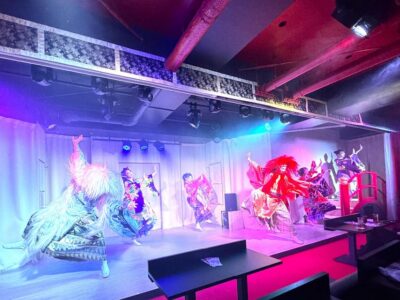 ★ 4.8Japanese Dance Cabaret Theater Asakusa-Kaguwa TicketFrom $492,270 reviews
 ★ 4.7Meiji Shrine, Asakusa, Skytree Bus Tour and CruiseFrom $1221,986 reviews
 ★ 4.9Roll and Authentic Sushi Making Class in AsakusaFrom $581,957 reviews
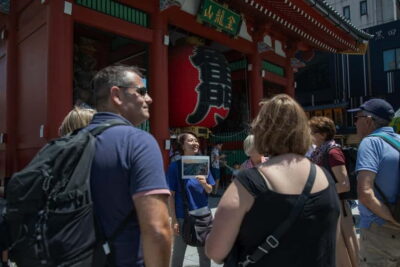 ★ 4.8Asakusa Walking Tour with Sensoji Temple VisitFrom $221,583 reviews
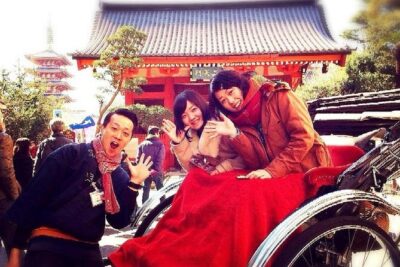 ★ 5.0Tokyo Asakusa Rickshaw TourFrom $421,375 reviews
 ★ 4.5Tokyo Panoramic 1 Day: Meiji Shrine, Asakusa, Odaiba and SKYTREE®From $851,222 reviews
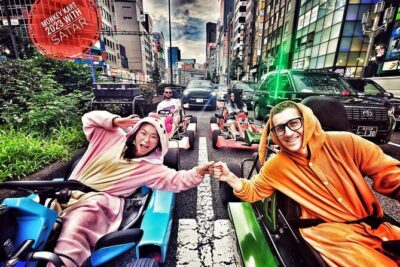 ★ 5.0Tokyo Go Kart: Asakusa, Skytree, and Akihabara **IDP MUST**From $99988 reviews
 ★ 4.7Asakusa, Skytree & Akhihabara Go-Kart City ExperienceFrom $96761 reviews
This tour also belongs to