
Review · SHINJUKU TOURS
Tokyo: Shinjuku Historical Walking Tour & Secret Backstreets
Tokyo at night can feel like a video game. This Shinjuku walking tour threads neon streets with quieter back alleys. It’s built for first-timers and repeat visitors alike, with a local guide who helps you move fast, eat well, and spot spots you’d miss solo.
What I like most is the way the tour mixes photo-ready night views with genuinely local hangouts. I also really appreciate the food-and-drink direction, including a recommended vending machine drink to kick things off. One thing to consider: it runs outdoors in a busy nightlife area, so if you hate crowds or rain, you’ll want to check the weather and be ready to walk.
Key things to know before you go
- Local guide leadership so you do not need a map, and you still get the story behind each place
- One guided vending machine drink included, plus practical stops for eating and drinking tips
- Old lanes to modern landmarks, from Memory Lane to Kabukicho Tower
- Photo stops that fit real night timing, not just daylight sightseeing
- Free entry sites on the route, so your money stays focused on what you choose to eat and drink
Why a Shinjuku Night Walk Beats Random Wandering
Shinjuku works best when you have structure. Without it, you can spend a lot of time walking in loops, popping into the loudest streets, and missing the corners where Tokyo actually relaxes a bit.
This tour is smart because it gives you both extremes in one run. You get the neon pulse of Kabukicho, then you’re guided toward quieter pockets like the alleys behind classic signage. You also end at a shrine, which is a nice reset when your feet have already absorbed the city’s energy.
The best part, in my eyes, is how the guide steers the experience based on your interests. Names that show up in feedback include Mao and Akari, with comments about guides tuning the pace and focus, whether your priority is history, photos, or finding a place to grab a drink after.
You can also read our reviews of more walking tours in Tokyo

Meeting Point and the 90 Minutes You’ll Actually Use
The tour starts at Shinjuku Station East Exit Police Box, listed as 3-chōme-38-1, Shinjuku. The good news is that you’re meeting at a major rail hub, so you’re not stuck in some far-off neighborhood on day one.
The total time is about 1 hour 30 minutes. That matters because it keeps the walk from turning into a long slog. You can do it after dinner plans start to form, or you can do it early enough that the tour becomes your navigation tool for the rest of the trip.
Also, it’s a private tour/activity, meaning it’s only your group. Some feedback mentions groups around the size of about 15, and either way, the guide handling a larger group while still explaining details is exactly what you want from a night walk.
Omoide Yokocho (Memory Lane): The Classic Alley That Feels Preserved
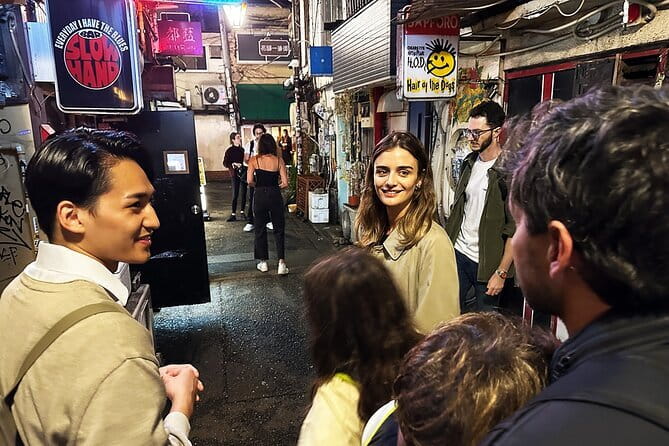
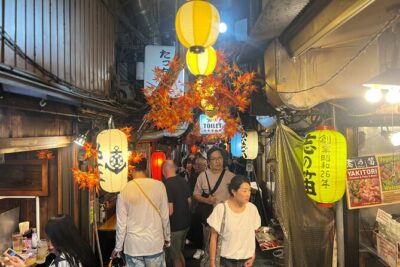
Omoide Yokocho, also called Memory Lane, is one of those places you understand the moment you step in. It’s a narrow pocket tucked behind major streets, where the vibe feels older and more intimate than the surrounding city.
Why it’s worth your time: Omoide Yokocho is basically a living snapshot. You see tiny storefront setups, old-school signage, and that Tokyo style of small-eat, chat, repeat. It’s also a strong spot for night photos, because the lighting and tight lanes create natural frames.
What to watch for: this area is small and popular, so movement can slow down. If you prefer wide sidewalks and space to move, plan for that. Also, this tour is focused on discovery, not a full meal. If you’re hungry, use the guide’s food cues as a shortlist.
Kabukicho at Night: Neon, Energy, and the Sleepless Town Feeling
Next up is Kabukicho, often described as the Sleepless Town of Shinjuku. Even if you’ve seen photos of Kabukicho, the night atmosphere hits differently in person. The lights bounce off the street, the crowds move in waves, and you can feel why this district became a magnet for nightlife.
The tour gives you a short window here (about 10 minutes), which is the right amount for an area like this. You do not need an hour to understand Kabukicho. You need a quick orientation plus a guide who tells you what you’re looking at and what to ignore.
Photo and vibe notes: Kabukicho is great for pictures because the street scenes are dense. You can shoot signage, crowd motion, and the general glow of the district. Just keep your camera ready, not your phone on a charging cable. Night walking drains batteries faster than people think.
A possible drawback: Kabukicho is intense. If you are sensitive to crowds or loud nightlife, you may want to mentally accept that you’re walking through the city’s loudest zone for a few minutes.
Tokyu Kabukicho Tower: A Modern Landmark in the Middle of Chaos
After the older alley vibe, the route moves to Tokyu Kabukicho Tower. This is the point where Shinjuku reminds you it’s still changing. The tower is a newer addition, and the experience here is less about a single historic site and more about how modern Tokyo rises inside an entertainment district.
You’ll spend about 25 minutes here. That’s long enough to take in the big-picture layout and get your bearings. It also gives you time to ask questions if the guide points out what’s happening around the tower area and where things lead.
Why I think this stop works: it’s not just a photo moment. A good guide uses it to explain the district’s structure, which then helps the later stops feel less random. You’ll understand how the streets connect and why certain alleys sit where they do.
One consideration: if you’re expecting only traditional-style sights, this is your reminder that Shinjuku is a mix. The payoff is seeing the contrast, not getting one uniform theme.
You can also read our reviews of more historical tours in Tokyo


Shinjuku Golden Gai: Tiny Bars, Narrow Lanes, Big Story
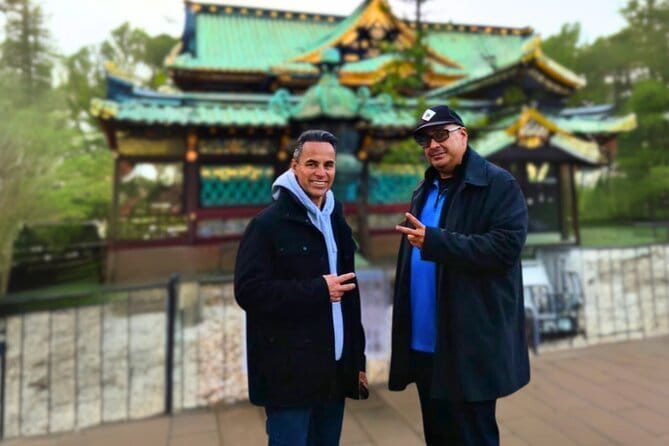
Shinjuku Golden Gai is the kind of place that makes you stop and whisper to yourself, Wait, people actually hang out here. It’s known for narrow alleyways lined with very small bars and tight entrances.
The tour schedule gives you about 15 minutes. That feels about right. Golden Gai is visually interesting, but it can also get crowded fast. A short guided window keeps it fun and lets you absorb the layout without feeling trapped.
What makes it special: Golden Gai is less about one specific landmark and more about the experience of stepping into a lane and seeing how local nightlife is organized at a micro scale. It’s a chance to see how Tokyo’s social scenes can fit inside tiny spaces.
Photo tips: You can take great night shots of the alley angles and signage. The lanes are narrow, so try side angles rather than full frontal shots. And watch your footing, because cobbles and uneven ground can be part of the charm.
Possible drawback: if you dislike standing in tight corridors or you prefer venues with clear entrances and open seating, Golden Gai may feel more like a peek than a hangout. Still, it’s a valuable look at a very Tokyo nightlife style.
Hanazono Shrine: A Quiet Reset After the Neon
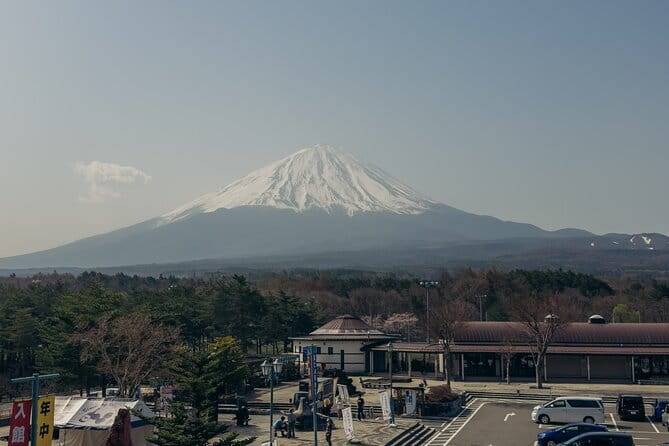
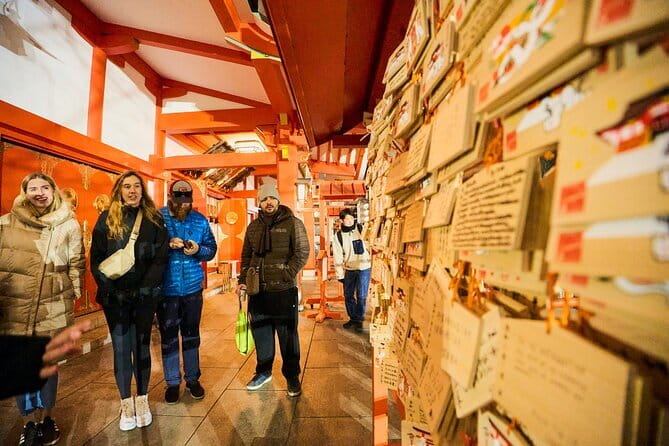
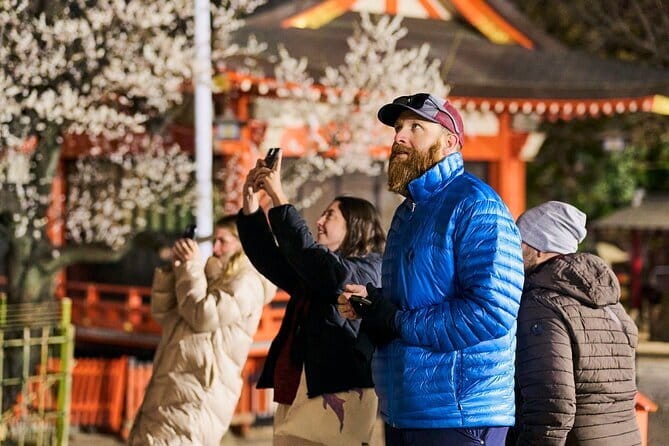
The tour ends at Hanazono Shrine, a traditional stop right in central Shinjuku. After the neon and nightlife, it feels like a breather for your mind and your senses.
This part is about 20 minutes. The guide explains the meaning and traditions, which is helpful because shrines in Japan can look straightforward until you learn what to do and why. If you enjoy cultural context, this is where the walk stops being only visual and becomes meaningful.
What you might do here: the tour does not include omikuji (fortune slips) or the small change offering you may choose to make. That matters because you’re free to participate or simply observe, and you will not feel pressure from the tour fee.
A practical note: the shrine is calmer than the street corners, but it still sits inside a busy city district. Dress and behave respectfully. Keep your voice down and take a moment before you hit the nightlife again.
Food, Drinks, and Photo Stops Without the Guesswork
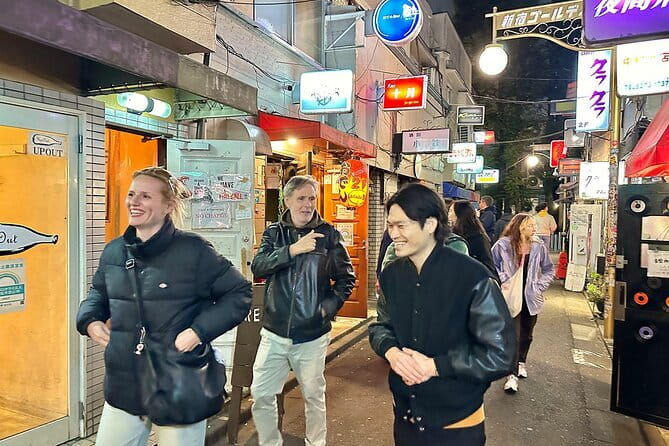
One of the strongest reasons to book this tour is that it’s designed around your next step. It’s not just sightseeing. You get insider tips on places to eat and drink, plus a guide-led recommended vending machine drink.
That included drink might sound small, but it’s actually useful. It gives you a low-key start while your brain is still adjusting to late-night Tokyo. And vending machines are part of the city experience, so it’s a fun way to sample without committing to a full meal.
Then there’s the eating-and-drinking guidance. Guides like Maya, Cherry, and Glenda come up in feedback for pointing out spots and explaining what to consider based on your vibe. That saves you from two common Tokyo mistakes: eating at an overpriced tourist trap, or spending an extra hour deciding where to go because you have no local shortlist.
Photo opportunities are also a real part of the plan. Shinjuku at night is photo-friendly, but a good route matters. You want the right corners at the right time, not just random stops. The guided pacing helps you avoid missing the best angles.
Price and Value for a Local-Led Night Intro
At $25.20 per person for about 90 minutes, the value comes from three things:
- You’re paying for navigation and context, not just walking between dots on a map. In Tokyo, that makes a huge difference because neighborhoods can look similar from the outside.
- The route uses free entry stops for the major listed sites on the itinerary. You’re not stacking costs on top of sightseeing.
- You get practical food and drink direction plus a recommended drink included. That can easily offset the cost if you use it to choose one solid meal or bar after the tour.
So the price is less about the ticket being cheap, and more about the tour helping you spend your time and money better.
Who This Tour Fits Best (and Who Might Skip It)
This tour is a strong match if you:
- Want a fast way to get oriented in Shinjuku
- Like nightlife scenes but want guidance so it stays fun, not confusing
- Care about photo moments at night and want help finding good angles
- Prefer local context, including why places exist and how people use them
I’d think twice if you:
- Hate crowds and loud districts like Kabukicho
- Want a quiet, nature-style walk instead of city energy
- Need a long seated experience with minimal walking
Weather is another real factor. The tour notes that it requires good weather. In practice, night walking can still work in light rain, and feedback includes comments about guides doing a good job even when the weather was rough. Still, if rain is heavy, plan for a change or a refund.
Should You Book This Shinjuku Backstreet Tour?
I’d book it if you’re trying to turn your first days in Tokyo into something more than subway routes and random searches. For the money, it’s a compact, local-led introduction to four very different parts of Shinjuku, capped by a traditional shrine stop that cools down the senses.
Skip it only if you’re already confident navigating Shinjuku and you do not care about nightlife context or food cues. If you want help building a day-one plan and getting to places that feel Tokyo-specific, this is exactly the kind of night tour that pays off quickly.
FAQ
How long is the Shinjuku Historical Walking Tour & Secret Backstreets?
It’s approximately 1 hour 30 minutes.
How much does the tour cost?
The price is $25.20 per person.
Where does the tour start and where does it end?
It starts at Shinjuku Station East Exit Police Box (3-chōme-38-1 Shinjuku) and ends back at the same meeting point.
What is included in the tour price?
Included are a walking tour with a local guide and one vending machine drink recommended by the guide.
Is admission required for the stops?
The itinerary lists the stops as admission ticket free for each featured location.
Do I need to buy extra things at the shrine?
Omikuji and the small change offering at the shrine are not included in the tour fee.
What happens if the weather is bad?
The experience requires good weather. If it’s canceled due to poor weather, you’ll be offered a different date or a full refund. You can cancel for a full refund up to 24 hours before the start time.
More Walking Tours in Tokyo

More Tours in Tokyo


More Tour Reviews in Tokyo
Not for you? Here's more nearby things to do in Tokyo we have reviewed





Shinjuku Tours, side by side.
 ★ 5.0Shinjuku Food Tour (13 Dishes at 4 Local Eateries)From $866,603 reviews
 ★ 5.0Tokyo Bar Hopping Tour in Shinjuku (All-You-Can-Drink + Dinner)From $1063,587 reviews
 ★ 4.9Shinjuku Food Tour (15 Dishes and 4 Eateries)From $852,033 reviews
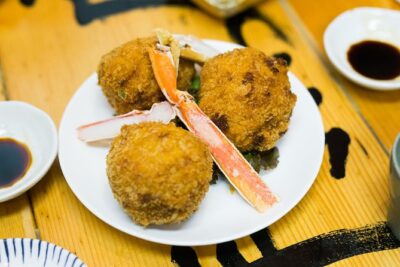 ★ 5.0Best of Shinjuku: Izakaya Food Tour (4 Stops, 14+ Tastings)From $921,863 reviews
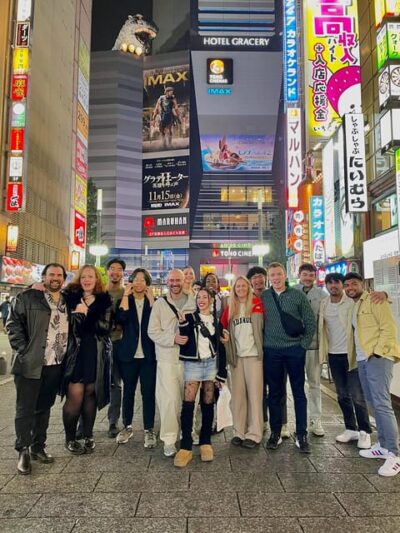 ★ 4.9Shinjuku Local Bar and Izakaya Guided Walking TourFrom $341,794 reviews
 ★ 5.0Tokyo Shinjuku Chopsticks Making ClassFrom $201,763 reviews
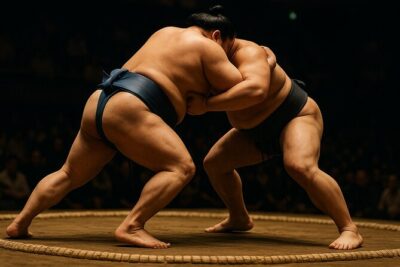 ★ 5.0Tokyo Shinjuku Sumo Show & Experience with PhotoFrom $791,750 reviews
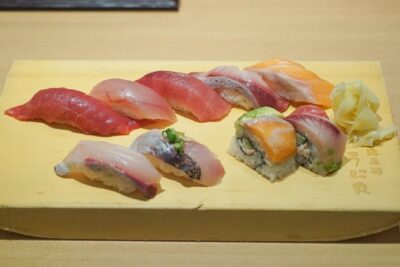 ★ 5.0Tokyo Night Foodie Tour in Shinjuku – Seasonal Sushi, Wagyu BeefFrom $1111,161 reviews
This tour also belongs to