
Review · TOKYO CITY TOURS
Kintsugi Experience with Arita Ware in Tokyo (English Guide)
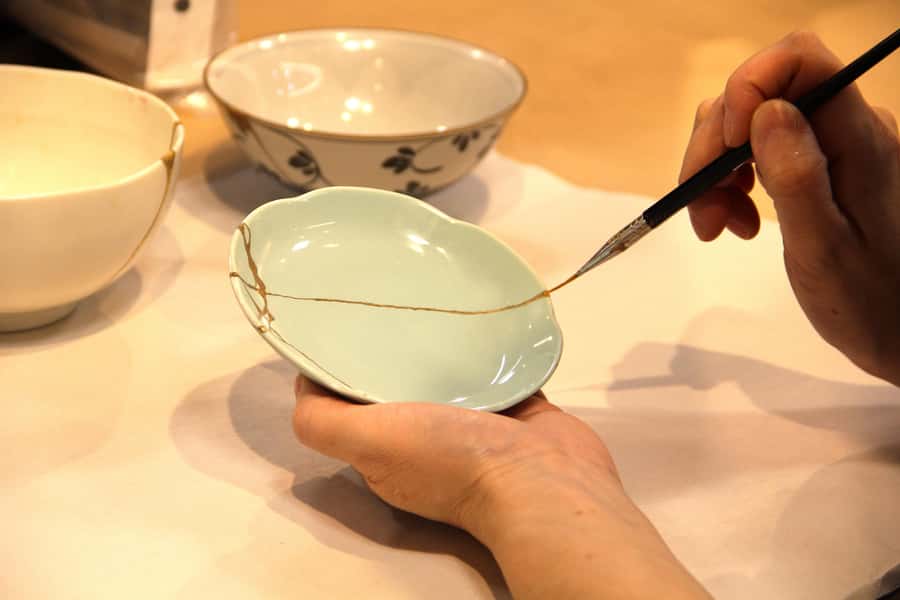
Cracks become art the moment you add gold. A 90-minute Kintsugi workshop in Nihonbashi lets you repair Arita ware with an English-speaking instructor, then take your piece home. I love the hands-on pace, and I love that you’re making a true keepsake, not just watching from the sidelines. The one thing to consider is that the shop may have regular customers in the background, so it is not a totally private studio.
You’ll meet at Nihonbashi Mutoh Main Store (established in 1923) and work on a single project during your session. The class is small, limited to 10 participants, and the goal is clear: finish one object you can live with afterward, as part of your own wabi-sabi story. One more practical note, the finished item needs about a week of indoor drying, and it is for display, not eating.
If you want a small, meaningful Tokyo activity that feels grounded in Japanese craft, this is a solid pick.
Key highlights
- English-guided Kintsugi with step-by-step instructions
- Small group (up to 10 people) so you can actually ask questions
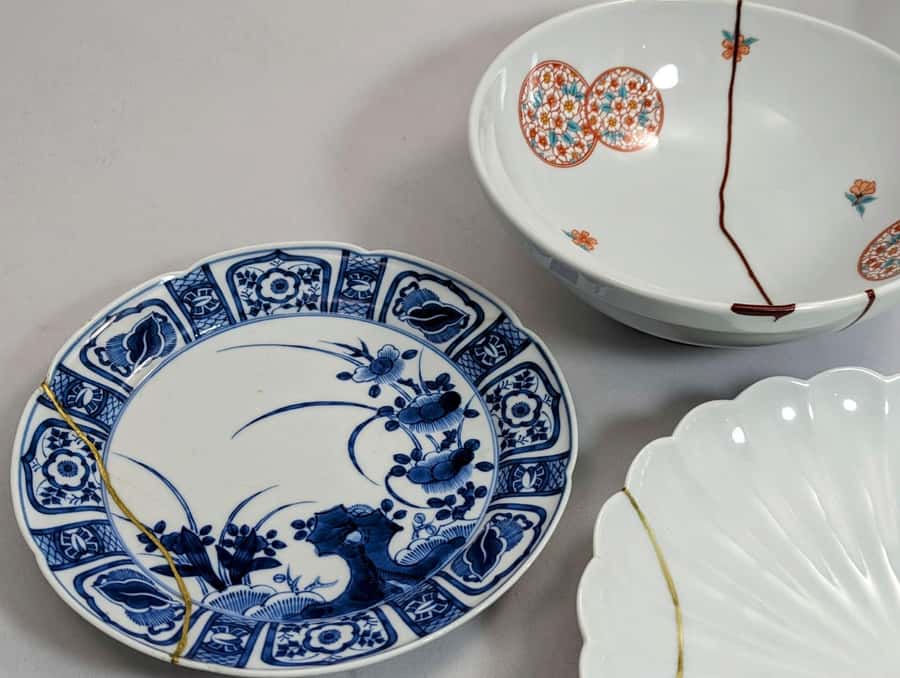
- Make a unique take-home souvenir using Arita ware techniques
- Work at Nihonbashi Mutoh Main Store, established in 1923, known for lacquerware and glassware
- Bring your own ceramic or porcelain item, if it fits the size and damage limits
- Your repaired piece needs about one week of indoor drying and hand-washing care
Kintsugi in Tokyo: A Quiet Gold Repair Session at Nihonbashi Mutoh
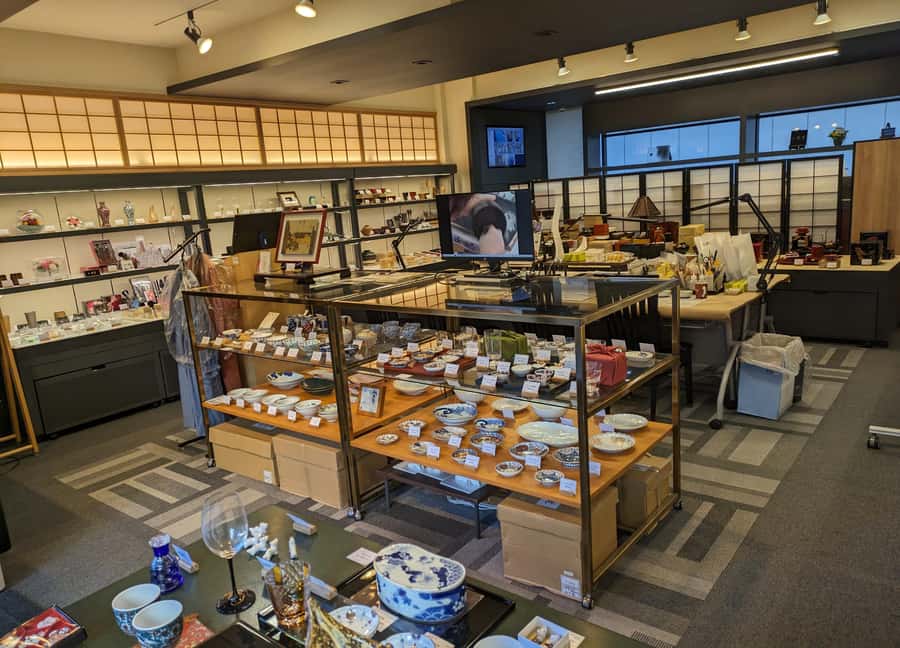
Kintsugi has a way of slowing you down. In this Tokyo workshop, the atmosphere is practical, calm, and craft-focused, not performance-art flashy. You’re in Nihonbashi, at Nihonbashi Mutoh Main Store, a long-running shop tied to quality lacquerware and glassware.
What I like most is that you get real instruction, not vague inspiration. The instructor guides you through the Kintsugi steps, and the setup is designed so you finish one workable piece within 90 minutes. If you’ve ever bought a fragile souvenir and worried about breaking it, this class flips that worry into something beautiful.
The setting also matters. The shop environment around you is part of the experience, because you’re surrounded by ceramics and fine goods while you work. Just know it may run alongside regular customers, so expect normal shop activity rather than silence in a dedicated classroom.
You can also read our reviews of more guided tours in Tokyo



What Kintsugi Means (and Why It Fits as a Tokyo Craft Souvenir)
Kintsugi is Japanese pottery repair where broken ceramics are put back together using gold. It is not about erasing damage. The philosophy is that imperfections are part of the object’s life, turning flaws into visible character.
You’ll hear this tied to wabi-sabi, the idea that beauty can include wear, time, and change. In plain terms, Kintsugi teaches you to accept that breakage happens, then to respond with care instead of shame. It’s a quietly powerful way to think about objects, and it’s also a lesson you can take home.
Arita ware is where the class gets especially interesting. This porcelain tradition dates back around 400 years, and it is described as the first porcelain produced in Japan. So your hands are working with a specific craft lineage, not a generic “repair technique.”
That makes the souvenir feel different. You’re not just buying something that looks Japanese. You’re taking home something that has been visibly repaired the Japanese way, with a method tied to centuries of craft culture.
Inside the 90-Minute Workshop: From Arita Ware to Your Finished Piece
Your session runs about 1.5 hours, with set time blocks at 10:30 to 12:00, 13:30 to 15:00, and 15:30 to 17:00. The time commitment is short enough to fit into a Tokyo day without stress, but long enough for you to actually complete a finished object.
Here’s what you can expect during the class:
- You start by listening to instructions from the instructor.
- You work through the Kintsugi process step-by-step.
- You focus on completing one item during the scheduled time.
One useful detail is how instruction is delivered. The teaching includes Japanese explanation, then English translation, which makes it easier to track what you need to do, even if you’re not fluent in either language. In a small group setting, you can also ask questions without feeling like you’re competing for attention.
You’ll be using Arita ware as the project base. That means your gold repair lines and finish relate to porcelain aesthetics. It also helps you understand why the materials matter, because porcelain and ceramic respond differently than thicker or rougher materials.
The workshop includes an item you use during the experience, and that plate is available for you to bring home. The exact shape of the plate is not specified here, so plan for the class to be structured around the item they provide for your group.
Also, the class is designed for adults and teens 13 and up. It is not listed as suitable for children under 13, which usually means the materials and pace assume you can handle careful work.
Arita Ware at a 100-Year-Old Craft Shop, in the Heart of Nihonbashi
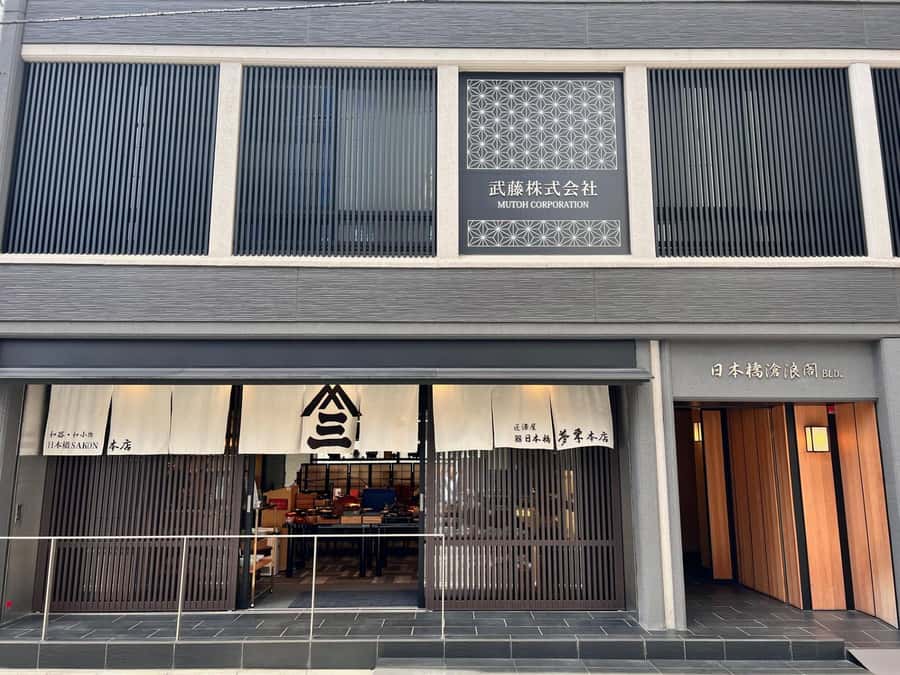
Nihonbashi Mutoh Main Store sits in a part of Tokyo where traditional commerce still matters. The store was established in 1923 and is described as a wholesale dealer of high-quality lacquerware and glassware. That context helps explain why the workshop feels like more than a one-off activity.
You’re learning Kintsugi in a space that deals in the kinds of objects people actually buy and keep. In practical terms, it gives you a better sense of what “value” means in Japanese craft culture: materials, finish, and care.
Arita ware brings the long timeline into focus. Arita is tied to Japan’s early porcelain production, with about 400 years of history behind the tradition. So even if this is your first time touching Kintsugi, you’re connecting it to a specific craft identity.
If you like authentic “place matters” experiences, this is the kind of class that benefits from being in a real shop environment. You can look around while waiting your turn, and you can get a better feel for the textures and styles you’ll be repairing.
Can You Bring Your Own Item? Size and Damage Limits You Should Know
One of the best reasons to book a Kintsugi workshop like this is the option to bring something personal. You’re welcome to bring your own ceramic or porcelain item, as long as it matches the workshop conditions.
The limits are specific:
- Size: up to about φ15 cm in diameter and 15 cm in height
- Damage: 1 to 2 broken parts
- Material: ceramic or porcelain
This matters because Kintsugi is not magic glue. The class is set up to repair a manageable break so you can finish within the allotted 90 minutes and so the result can be handled safely afterward.
My advice: pick the item with emotional value over the item with the biggest sentimental story. If it is too damaged, too large, or has too many break points, it may not fit the workshop criteria. If you want the class to feel effortless, the included plate is also a great plan.
If you’re bringing your own piece, transport it carefully. Pack it like it’s fragile (because it is), and bring only items you’re willing to wait through the full care routine afterward.






Taking It Home Safely: Drying Time and Daily Use Rules
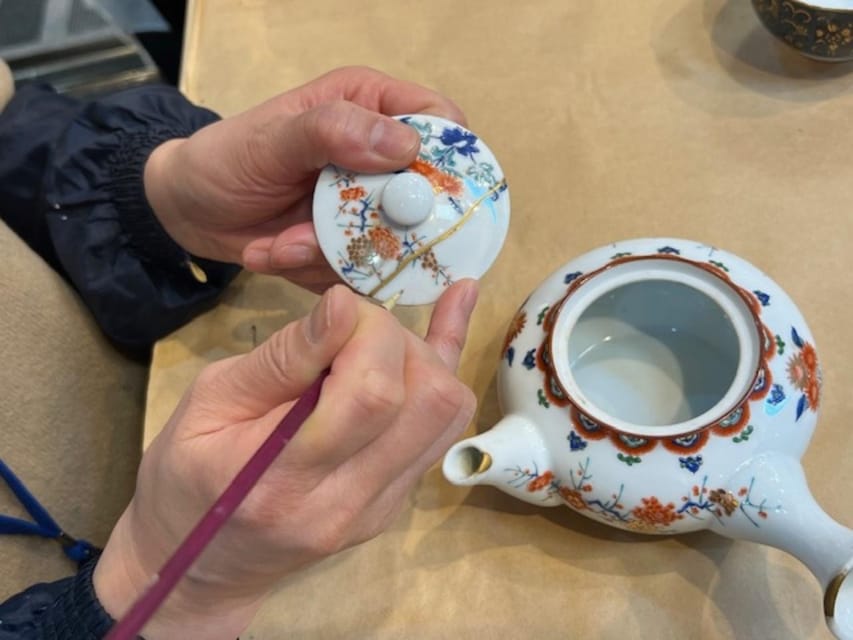
This is where Kintsugi becomes real life, and it’s also where you need to follow instructions closely. After the work is done, you’ll bring the repaired item home and dry it indoors for about one week.
Then the handling rules kick in:
- Hand wash only, using dishwashing detergent
- No microwave and no dishwasher
- Use it for decoration, not for eating or drinking
These are not “suggestions for perfection.” They are safety and durability rules based on how the repair is finished and dried. If you treat the piece like normal dinnerware, you risk damaging the repair.
Also, since you’re doing careful craft work, wear clothes you do not mind getting dirty. Materials can be messy, and you’ll be focused on precision, not fashion.
One more practical note: if you arrive late, the experience still ends at the originally scheduled time. So if you’re routing across Tokyo that day, build in time buffer. With a hands-on workshop, a few minutes late can feel like an hour.
Price and Value for $139: What You’re Paying For
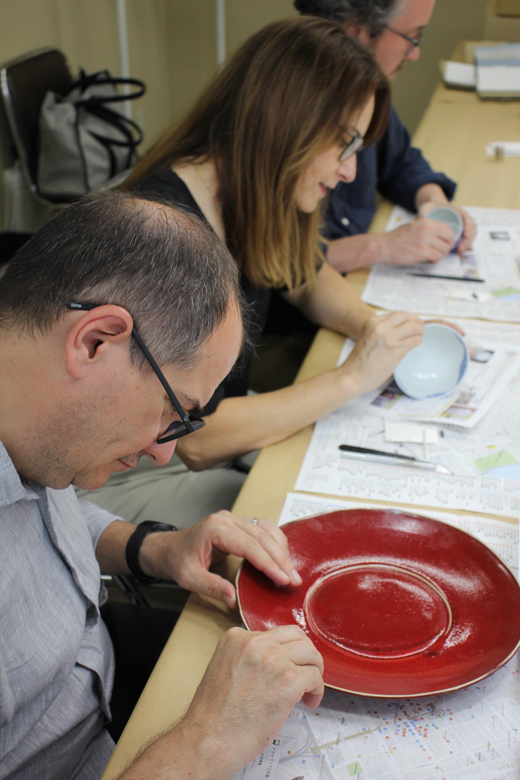
At $139 per person, this isn’t a casual “do it for fun” souvenir workshop. It’s priced like a guided craft class with real materials and a take-home finished piece.
Here’s what the price includes:
- Admission to the 90-minute workshop
- All necessary materials
- An English-speaking instructor
- A plate used during the experience, available to take home
What you’re not paying for includes personal expenses and food or beverages. So plan to pair this with something nearby for lunch or a snack before or after your time slot.
Value-wise, the key is that you’re getting the full Kintsugi process guidance and a ready-to-display result, in English, in a small group. Small-group limits matter here because you’re working with delicate steps. A crowded class would make it hard to follow instructions, and that’s not what this is set up for.
The workshop being around 90 minutes also helps. You are not committing a whole half-day to it, but you still get a meaningful outcome you can actually use as a souvenir.
There is one potential drawback that can affect value: the class is focused on finishing one object, and there may be limited variety in what you can choose for your project within the rules of the workshop. If you’re hoping for a menu of design options, you may find the selection constrained.
Who Should Book This Kintsugi Workshop in Tokyo (and Who Might Skip It)
This is a great fit if you want:
- A hands-on Tokyo activity that results in a real take-home craft object
- An intro to Japanese repair philosophy, tied to wabi-sabi
- An English-guided experience with clear instruction
- A calmer alternative to high-speed sightseeing
It’s also a nice choice for couples or friends. The small group setup makes it feel social but not chaotic. You can share the “gold line” moment without competing for space.
It may not be your best match if you:
- Want a wide range of project choices in the session
- Are traveling with kids under 13
- Need a class that is completely private and distraction-free, since it may run alongside regular customers
Wheelchair access is listed, which is helpful if you need that detail when planning.
Should You Book This Kintsugi Experience in Tokyo?
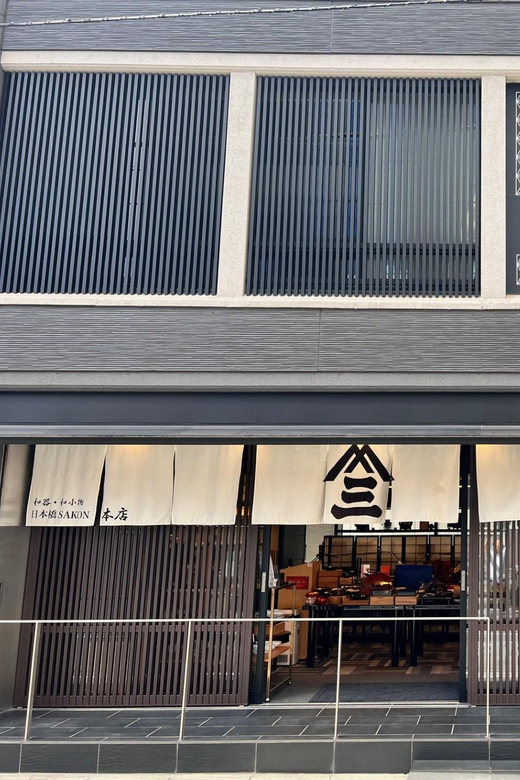
If you’re the type who likes meaningful souvenirs, I’d book this. The combination of an English-speaking instructor, a small group, and a take-home piece makes the experience feel practical, not just symbolic. Plus, the Arita ware connection gives it depth right away, especially if you’re interested in Japanese ceramics beyond basic shopping.
Book it when:
- You want a short, well-defined craft class in Tokyo
- You’re okay with the care routine afterward (dry one week, hand wash only, decoration use only)
- You want to spend time in a real long-running shop environment in Nihonbashi
Skip it if:
- You’re hoping for a lot of different project options
- You want something kids can do (this isn’t suitable for children under 13)
If your goal is a gold-repaired, personally made reminder of Japan that you can point to years later, this workshop delivers.
FAQ
How long is the Kintsugi experience?
The workshop lasts about 90 minutes.
What time slots are available?
There are three scheduled sessions: 10:30 to 12:00, 13:30 to 15:00, and 15:30 to 17:00.
Where do I meet for the workshop?
You meet at Nihonbashi Mutoh Main Store, 1-8-3 Honcho, Nihonbashi, Chuo City, Tokyo 103-0023.
Is the workshop taught in English?
Yes, the instructor provides an English-speaking experience.
What’s included in the price?
Admission to the Kintsugi workshop for 90 minutes, all necessary materials, an English-speaking instructor, and a plate used in the experience (available to take home).
Can I bring my own item to repair?
Yes. You can bring a ceramic or porcelain item as long as it is up to about φ15 cm in diameter and 15 cm in height, and it has 1 to 2 broken parts.
How should I care for the repaired item after the class?
After the workshop, dry it indoors for about one week. Then hand wash only with dishwashing detergent, and do not use a microwave or dishwasher. It’s for decoration, not for eating or drinking.
What should I know about cancellations or arriving late?
You can cancel up to 3 days in advance for a full refund. If you do not participate on the scheduled day, no refund is issued. If you arrive late, the experience will still end at the originally scheduled time.
More Guided Tours in Tokyo



More Tour Reviews in Tokyo
Not for you? Here's more nearby things to do in Tokyo we have reviewed











Tokyo City Tours, side by side.
 ★ 5.01-Day Tokyo Bus TourFrom $12914,250 reviews
 ★ 4.5TOKYO SKYTREE® Admission ticketFrom $1311,192 reviews
 ★ 4.6teamLab Planets TOKYO Digital Art Museum Entry TicketFrom $259,779 reviews
 ★ 4.0Mt Fuji & Hakone Cruise, Drum Show Bullet Train 1 Day from TokyoFrom $1497,413 reviews
 ★ 5.0Shinjuku Food Tour (13 Dishes at 4 Local Eateries)From $866,603 reviews
 ★ 4.4Tokyo Mt Fuji 5th St & Hakone Cruise Bus Tour w/Bullet TrainFrom $1545,024 reviews
 ★ 5.0Flagship 2-Hours Official Street Go-Kart Tour – Tokyo Bay ShopFrom $644,974 reviews
 ★ 4.5From Tokyo: Mount Fuji Full-Day Sightseeing TripFrom $684,970 reviews