
Review · IMPERIAL PALACE TOURS
From the Imperial Palace to Odaiba : Time travel to Tokyo
Tokyo is easiest to read when you follow a plot.
I love how this tour moves fast but still makes sense, sweeping from the Imperial Palace East Gardens (where Edo Castle once stood) to the sci-fi feel of Odaiba in one long story. I also love the guide, Matteo Leone, who answers questions with clear history and culture so the city stops being just a list of sights. One consideration, it is a walking-heavy day with moderate fitness needed, and it is not recommended for reduced mobility or strollers.
The format is simple: a private group, hotel pickup if you are centrally located, and a mobile ticket. You get a guide for the whole stretch, plus help buying transport tickets if you need it, so you spend less time figuring things out and more time watching Tokyo in layers.
Key Highlights Worth Knowing
- A time-travel route that links Edo-era ruins, red-brick rail architecture, and Odaiba’s modern plans.
- Matteo Leone’s on-the-spot explanations, built for questions, not lectures.
- Free-access stops at every listed main location, including the Imperial Palace East Gardens walk.
- A calmer architectural breather at the Tokyo International Forum before hitting the bay and Odaiba.
- Private pacing, so your group can linger where your interest is highest.
A Tokyo Time Machine Route: Edo Castle Grounds to Odaiba
This is not the usual Tokyo sprint. Instead of chasing the biggest names, you follow a clear geographic thread that also jumps across eras. You start on the ground where power used to sit, then you shift into rail-era modernity, then you slow down again with contemporary architecture, and finally you land on an artificial island that feels like Tokyo imagining tomorrow.
What makes this format work is how each stop changes your camera brain. You learn how to spot style, layout, and purpose, not just famous buildings. By the end, Tokyo feels less like a tidy postcard and more like a living place where older layers still influence what gets built next.
You should expect a day that mixes walking and viewing, with time to pause. It is a private tour, so it tends to run at human speed rather than crowd speed.
You can also read our reviews of more tours and experiences in Tokyo.



Imperial Palace East Gardens, the Edo Castle Ruin, and Why This Spot Matters
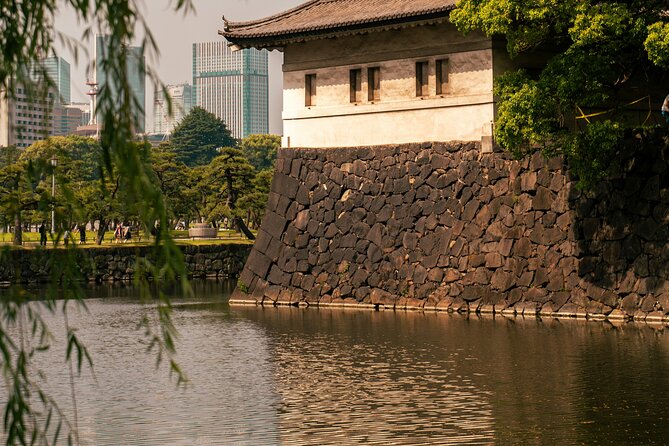
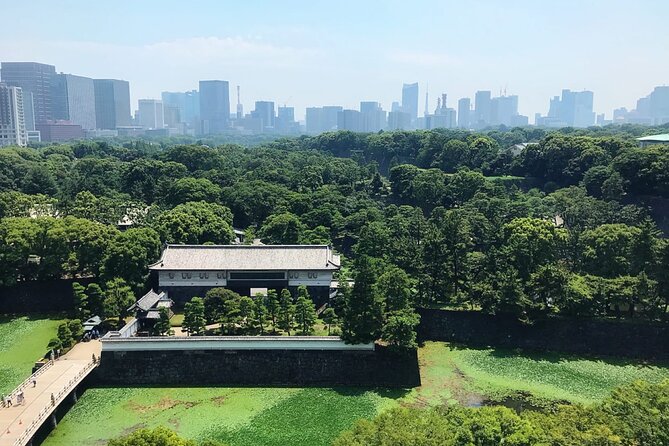
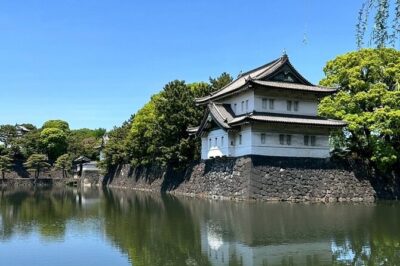
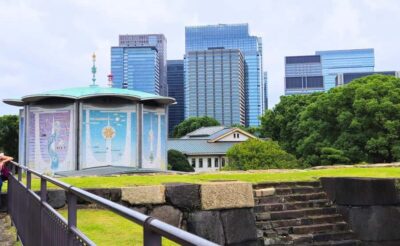
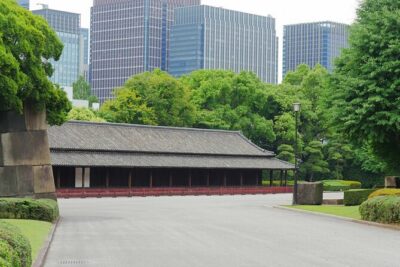
You begin in the East Gardens of the Imperial Palace, walking through grounds where Edo Castle once stood. Even if you only know Tokyo from today’s neighborhoods, this stop reframes the city. Edo Castle was the center of shogunal power, and that older gravity still shows up in how Tokyo’s layout makes you move.
The tour gives you about 1 hour 30 minutes here, and the admission is listed as free. That matters because the best first Tokyo walks often include one or two “no friction” moments where you can focus on atmosphere instead of ticket math.
Practical tip: bring comfortable shoes and plan for a lot of on-foot time. The walking is part of the point. If you like understanding how cities grow, you will enjoy how this garden space lets you think about scale, control, and everyday life around a seat of power.
Possible drawback: if you are expecting flashy interiors or long museum-style exhibits, this start is more about strolling and interpreting. You are reading the space.
Tokyo Central Railway Station’s Red Brick: Where History Shows Up in Plain Sight
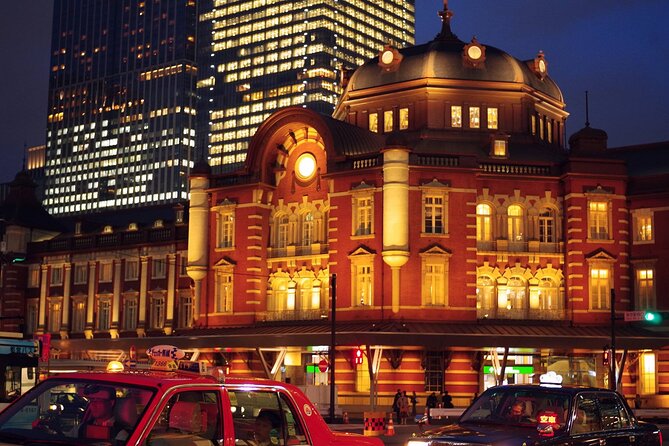
Next you head to Tokyo Central Railway Station, with its red brick facade in a European style. This is a great contrast after the palace grounds. Tokyo didn’t just modernize in one step. It layered new influences onto older priorities, and rail is a clean way to see that process.
You get about 1 hour at this stop, and the listed admission is free. That works well for a quick architecture and urban-observation pause. You can step back and look at how a historic-looking facade coexists with a machine that keeps moving. Stations are living systems, and this one is a good “architecture lesson” without requiring you to buy another ticket.
How I’d use your time here: focus on the facade details, then shift your attention to how people actually move around it. Architecture is what you notice first. The flow of daily life is what sticks with you.
Consideration: it is a major transit hub, so expect crowds and noise in pockets. Your guide can help you find angles worth it, but you still need the mindset of an active city node.
Tokyo International Forum: A Quiet Architectural Reset
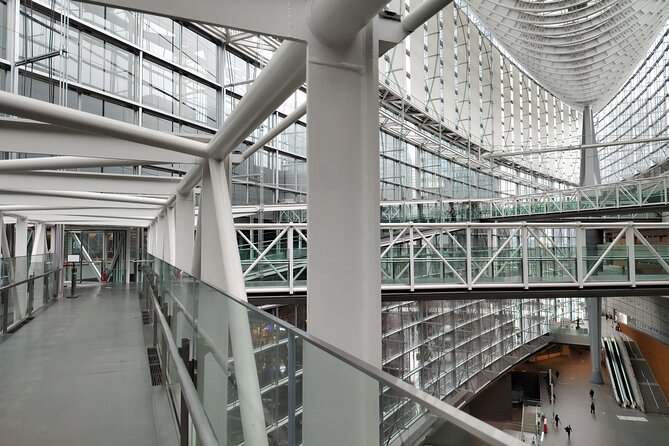
Then you transition to the Tokyo International Forum, a modern glass-and-steel building with a distinct shape. This stop gives your legs and your brain a rest. After historical ruins and a big station environment, you get a calmer setting where you can actually look.
You have about 1 hour here, again listed as free admission. The space is described as quiet and spacious, which is exactly what you want mid-tour. It’s a chance to slow down, watch how light hits the structure, and connect what you are learning to contemporary urban planning.
What to pay attention to: how the building’s form creates areas for gathering and observation. You are not just seeing a pretty facade. You are learning how Tokyo uses architecture to manage public life, meetings, and movement in modern times.
If the earlier stops make you feel like Tokyo is all about the past, this one helps you rebalance. It says: the present also has rules, and buildings are part of that system.
Odaiba District on a Bay: Artificial Island Views and Modern Tokyo Relaxation
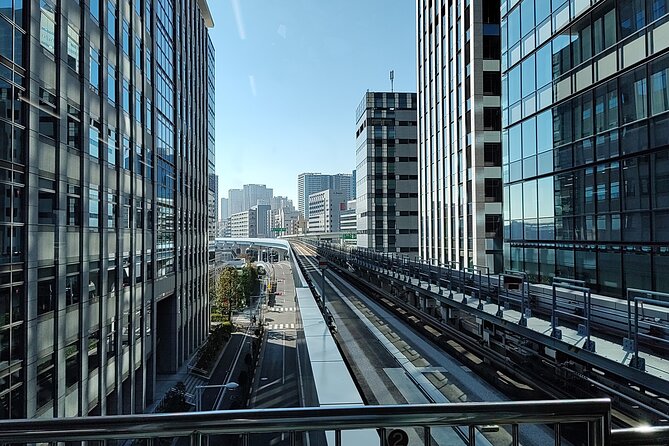
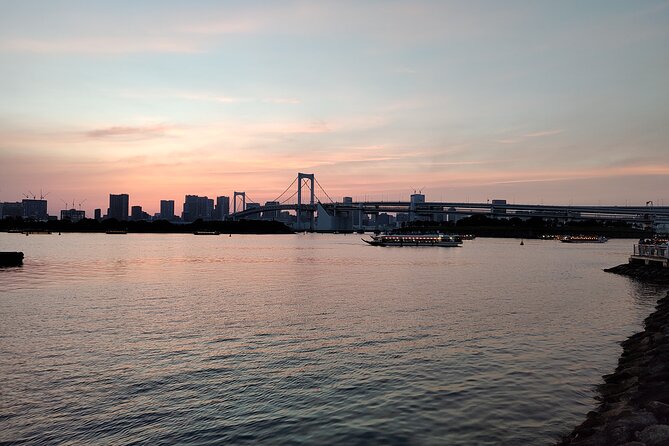
Finally you reach Odaiba, an artificial island in Tokyo Bay. This is where the itinerary shifts from “read the city” to “enjoy a different Tokyo mood.” You have about 2 hours here, with free admission listed for the stop.
Odaiba is a strong finish because it feels like a separate chapter. You get open spaces, modern architecture, and panoramic bay views that are easier to enjoy without constant museum-style context. It is a good place to reset after walking and still feel like you ended the day with something memorable.
How to make this portion work for you: use your guide’s pointers early, then give yourself space to wander a bit on your own once you understand the area. Your time here is not about checking a list of attractions. It is about absorbing a neighborhood built through planning and engineering rather than gradual evolution.
Consideration: as an artificial island, it can feel more “planned” than some other Tokyo districts. If you crave old lanes and dense historical streets, Odaiba will be a different vibe. But that contrast is the point of the full route.



Matteo Leone and the Value of a Private Story-Based Day
The biggest reason this tour earns strong scores is the human part, your guide. Matteo Leone is mentioned as indispensable, and that makes sense. When a guide can answer history and culture questions clearly, you stop relying on the internet to interpret what you see. Instead, you get context as you walk, which is how urban travel becomes fun.
This tour is private, meaning only your group participates. That matters more than you might expect. Tokyo can be intimidating if you have never navigated it before, and a private format helps you ask small questions that would never get answered in a larger group.
Included in your experience:
- Guide service for the whole tour duration
- Hotel pickup if centrally located
- Help with purchasing transport tickets and any required tickets (if needed)
Even with those nice inclusions, you still get to keep control. Your guide is the translator, not the micromanaging boss.
Price and Logistics: What $91.21 Really Buys You
The price is listed at $91.21 per person, and the duration runs 6 to 8 hours. That puts it in a sensible range for a full half-day to full-day private guided walk in Tokyo, especially because the main listed sights are free.
However, budget for what is not included:
- Public transportation is not included, listed as ¥1,500 per person
- Meals and personal spending are not included
- Entrance fees to any attractions are not included (even if the main listed stops are free, extra stops can cost money)
Hotel pickup being included for centrally located hotels is also a real time-saver. Tokyo has efficient transit, but “efficient” is not the same as “easy,” especially on your first day. If your hotel is in a convenient area, that pickup can remove a stressful start.
My practical advice: treat this as a guided route plus a movement day. If you want to add extra museums or attractions, check costs ahead of time so you can keep the day relaxed.
Timing, Comfort, and How to Make the Day Flow
The tour runs between 9:00 AM and 6:00 PM during the listed operating window. That matters because it gives you freedom to build the plan around daylight. For architecture and views, morning and early afternoon light often makes photos easier, and you also avoid the end-of-day fatigue spiral.
You should plan on:
- Comfortable walking shoes
- A water bottle and a light snack plan, since meals are not included
- Taking breaks when your guide offers them, especially at the Tokyo International Forum
Meeting point is listed at Starbucks Coffee in Kokyo Gaien Wadakura Fountain Park, with the address: 3-1 Kōkyogaien, Chiyoda City, Tokyo 100-0002, Japan. The end point is Odaiba, Tokyo. The arrival point can be agreed depending on your hotel location and what is convenient for the return.
If you like structure, this tour has it. If you like spontaneity, you still get guidance, but you can steer your group toward whatever details you care about most.
Who This Tour Fits Best (and Who Should Skip It)
This works best if you are:
- Visiting Tokyo for the first time and want a fast, guided orientation that teaches you how the city developed
- Interested in architecture and urban planning, not just famous shopping zones
- The type of traveler who likes asking questions and getting straight answers
It may be less suitable if you:
- Need an itinerary that is mostly seated. This is described as moderate fitness level, and it is not recommended for people with reduced mobility, walkers, or strollers.
Because it is private and paced for your group, it is also a good choice for couples, solo travelers who want a guided foundation, and small groups who want Tokyo explained without feeling rushed.
Should You Book This Tour?
I’d book it if your goal is to understand Tokyo as a layered place, with a story you can remember. The combination of free core stops, a clear route from Edo Castle grounds to Odaiba, and the guide-led explanations is strong value for the price.
Skip it or consider another option if you want a classic “hit the top attractions” day with minimal walking. This route is about meaning and transitions, not about stacking dozens of must-see sites in one sprint.
If you do book: show up ready to walk, and bring your questions. The day is set up so the answers show up as you go, which is when Tokyo makes the most sense.
FAQ
How long is the tour?
The duration is listed as about 6 to 8 hours.
Where do we meet, and where does the tour end?
The meeting point is Starbucks Coffee at Kokyo Gaien Wadakura Fountain Park in Chiyoda City (3-1 Kōkyogaien, Chiyoda City, Tokyo 100-0002). The tour ends in Odaiba, Tokyo. The arrival point can be agreed based on your hotel and convenience for return.
Is hotel pickup included?
Yes, hotel pickup is included if your hotel is centrally located.
Are tickets or entrance fees included?
Admission tickets for the listed stops are shown as free. Still, the tour does not include entrance fees for any additional attractions you might choose.
How much is public transportation and is it included?
Public transportation is not included, and it is listed as ¥1,500 per person. The tour includes assistance with purchasing transport tickets if required.
Is the experience private?
Yes. It is a private tour or activity, and only your group will participate.
Can I cancel for a full refund?
Yes, free cancellation is available. You can cancel up to 24 hours in advance for a full refund. If you cancel less than 24 hours before the experience starts, the amount paid will not be refunded.
More Tour Reviews in Tokyo
Not for you? Here's more nearby things to do in Tokyo we have reviewed












Imperial Palace Tours, side by side.
 ★ 5.0Imperial Palace and Shogun Historical Walking TourFrom $222,251 reviews
 ★ 4.9Imperial Palace Japanese History Walking TourFrom $32987 reviews
 ★ 4.9Imperial Palace and Shogun Walking TourFrom $16935 reviews
 ★ 5.0Imperial Palace East Garden and Edo Castle Walking Tour in TokyoFrom $25510 reviews
 ★ 4.8Imperial Palace East Gardens Walking TourFrom $19353 reviews
 ★ 4.5Imperial Palace, Sensō-ji Temple, & Tokyo Tower TourFrom $40339 reviews
 ★ 5.0Tokyo Castle, Imperial Palace, Shogun & Garden Walking TourFrom $31211 reviews
 ★ 4.7Edo Castle & East Garden of the Imperial Palace TourFrom $42112 reviews
This tour also belongs to