
Review · ASAKUSA TOURS
[electric bicycle tour]: 6-hour travel course by electric bicycle Asakusa, Ueno Park, Edo-Tokyo Museum, and Sky Tree. (There is a support car.)
Six hours on two wheels sounds perfect for Tokyo. This e-bike day connects Asakusa, Ueno Park, Edo-Tokyo Museum, and an optional Tokyo Skytree, with a guide and a support car that can carry your bike and luggage if your legs tire. It is built for a smooth sightseeing flow across neighborhoods that can eat up time on foot.
What I like most is the way the electric bicycles turn a long day of stops into something manageable, even if you are not training for a ride around Tokyo. I also like that the experience is guided by a Japanese-speaking team that can switch to English, Korean, Chinese, and Vietnamese, so you are not left guessing what you are seeing.
One thing to consider: the schedule concentrates guided time in the Edo-Tokyo Museum segment, while the other stops can feel more like picture-and-walk moments. If you want lots of commentary at every single site, go in ready to ask questions during the ride and at the museum.
Key things to know before you ride
- Good e-bike support for real Tokyo distances: electric assist helps you keep moving without feeling cooked.
- Small group size: capped at a maximum of 6 participants, so you are not lost in a crowd.
- Multi-language guidance: Japanese guidance with options for English, Korean, Chinese, and Vietnamese.
- Museum-first pacing: two hours at Edo-Tokyo Museum sets the tone for the day.
- Ednoren lunch option in Sumida: a structured lunch stop centered on monjayaki, okonomiyaki, and classic Japanese dishes.
- Skytree is optional: you can add it if energy levels are good, with the support car ready to help.
Why ride an e-bike through Asakusa, Ueno, and SkyTree?
Tokyo’s biggest sightseeing problem is simple: distances add up fast. On this course, the e-bike handles the moving between key neighborhoods, while you spend your energy on the sights. It is a smart way to cover Asakusa and Ueno in one day without turning your afternoon into a transport shuffle.
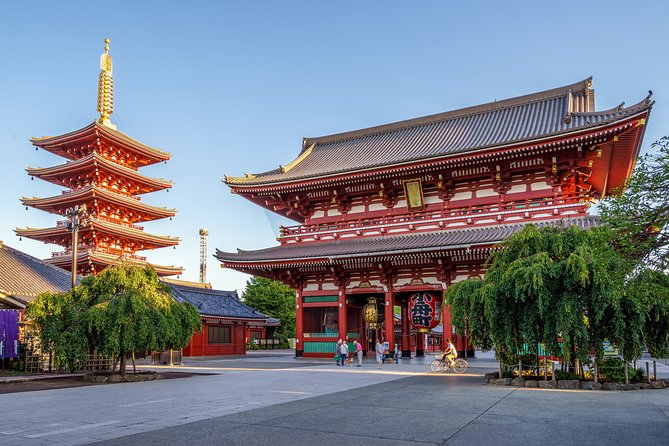
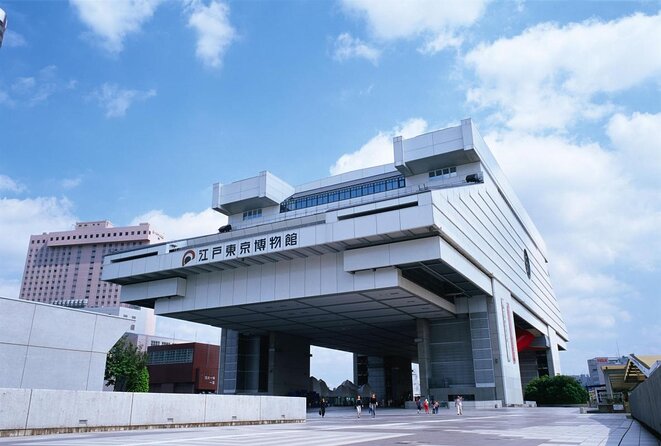
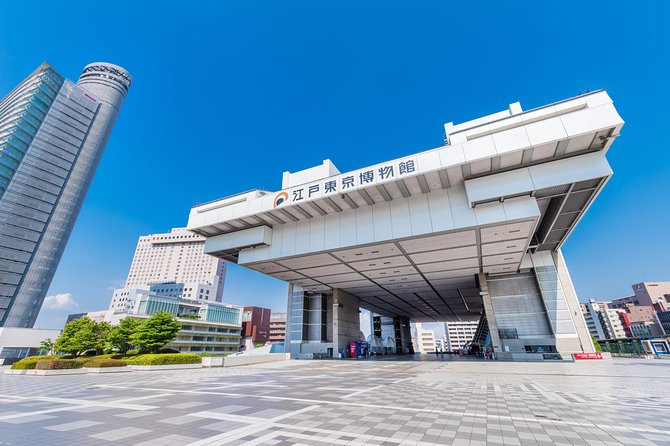
The route is also well chosen for variety. You start with Edo-Tokyo Museum, which gives you a structured look at how Tokyo developed. Then you walk through Ueno Park, where temples and historic spots sit inside a large green area. After that comes Asakusa, focused on the temple complex around Senso-ji and the shopping street atmosphere leading up to it. If you want a final skyline hit, you can tack on the Skytree add-on.
You will also feel the “real day” logistics are handled. You get bottled water, snacks, and coffee or tea, plus WiFi on board, and the tour includes luggage storage. The bike is company-owned and there is a support car in the plan, which matters in Tokyo where traffic and crossing points can make foot travel slow.
You can also read our reviews of more museum experiences in Tokyo


Price and time: is this 6-hour course good value?
The price is $283.17 per person, and the duration is about 6 to 7 hours. That is not cheap for a one-day tour, so you want to judge value by what you are actually buying: transportation that saves time, a guided structure, and several pre-selected stops.
In terms of what is covered, you get admission for Edo-Tokyo Museum, plus the bike itself, helmet option, snacks, coffee or tea, bottled water, and WiFi. You also get the comfort of a planned movement between neighborhoods, instead of piecing together trains, buses, and walking routes all day.
The one part that is not included is lunch. The schedule includes a lunch hour at Ednoren, but you still need to plan for paying for your meal there. In practice, that means the tour value is strongest if you like the idea of a guided day with transport and museum access, and you are happy to treat lunch as your own extra cost.
Think of this tour as buying a smooth route plus a knowledgeable guide, not just transport. You are paying for convenience, time saved, and a day that stays on track.
Meeting in Ryogoku, pickup options, and how the small group works
The tour meets at Ryogoku Station area (the start point is listed near Ryogoku Sta. 1-chōme-4-29 Yokoami, and the ticket redemption point is near Toei Ryogoku Sta. 1-chome-5 Yokoami). If you are staying within the 23 wards of Tokyo, pickup is available from your hotel lobby.
This matters because it can reduce your pre-tour stress. You do not have to hunt down the start location with bags and time pressure. The day ends in Asakusa, which is convenient because Senso-ji and the shopping street area are right there.
Group size is capped at 6 travelers, and the departure runs weekly. The plan notes that if the minimum number is not met, they will contact you separately, so it is not guaranteed to run every single week like clockwork.
The guided side is also set up for mixed-language comfort. Guidance is primarily Japanese, with the option to respond in Korean, English, Chinese, and Vietnamese. If your language is one of those, you can expect the guide to keep the key points moving without you needing to translate everything on your own.
One practical tip: bring your voucher and wear comfortable clothes with a backpack. You are on a bike, so clothes that let you move and a bag you can manage will keep the day smoother.
Edo-Tokyo Museum: the guided history stop
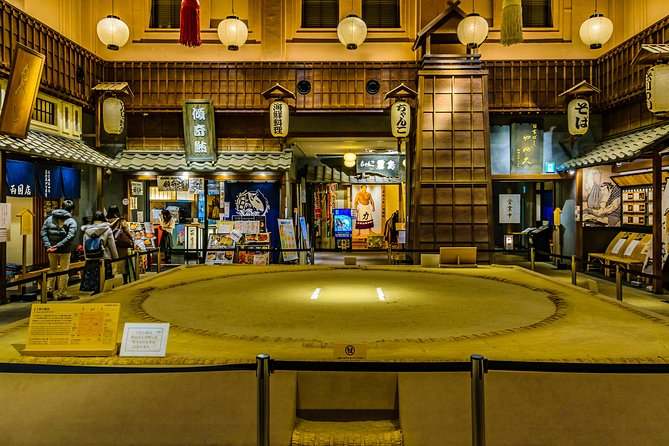
The day’s anchor is the Edo-Tokyo Museum for about 2 hours, with museum admission included. This is where the guide’s story matters most. You will walk the museum with a narrative that helps you connect what you see with how Tokyo changed over time.
This is also where the pacing becomes very noticeable. The course spends the longest guided block here, then shifts into shorter segments for park walking and temple viewing. If you love museums and like context, this structure will feel like a gift because you get time to process it.
If you want heavy explanation everywhere, you should calibrate your expectations. The tour is designed for sightseeing flow, and you may not get long, deep commentary at every stop. In that case, ask smart questions at the museum and during transitions while you are riding. The guide is there, so treat it like a chance to tailor the story, not just a scripted route.
A concrete expectation: you will leave the museum with a better sense of what you are looking at later in Asakusa and along the Ueno area. Even if you are not a museum person, the museum time can help you stop treating the sights as random photo spots.
Plan for comfortable footwear. Two hours inside plus time moving through exhibits can add up, and this is still part of a half-day that continues outside after.
Ednoren lunch in Sumida: what you can eat and when
Lunch is scheduled for about 1 hour at Ednoren. Lunch is not included in the tour price, but the day gives you a restaurant plan with options and the chance to reserve in advance if you apply early.
Menu examples include monjayaki and okonomiyaki, seafood dishes, chanko and seasonal dishes, sushi, tempura, chicken and gamecock, and fukagawa meshi. That lineup covers a lot of Japanese “comfort foods,” so even if you do not know what you want yet, you are likely to find something that works.
Because lunch is only one hour, the value is in having a set plan rather than trying to decide where to eat while the day runs on. This also helps you avoid the common Tokyo trap where you spend time hunting for a place and end up eating later than you wanted.
One more thing to watch: you will have spent energy riding and walking, so think about what your body likes. If you want something heavier, the menu options like chanko and rice-based dishes are there. If you want lighter, sushi or tempura can fit too.
You will also have access to bottled water and snacks as part of the tour inclusions, which can help tide you over if you arrive hungry or if lunch runs a few minutes later than expected.





Ueno Park walk near Kaneiji
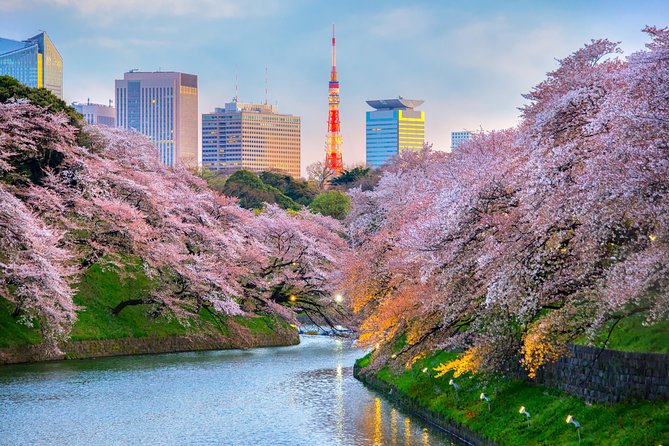
After a short ride of about 30 minutes to reach Ueno Park, you get roughly 1 hour for a walking tour. Ueno Park is big, and the point of the stop is to let the guide shape what you notice instead of wandering without direction.
You will cover historic spots within the park area, including Kaneiji. The benefit here is that you get a guided orientation to what is worth paying attention to. Even if you have visited Ueno before, having someone point out the key nodes can turn a casual stroll into a “now I get it” walk.
Again, pacing is lighter here than in the museum portion. This is more of a walking sightseeing block than a deep explanation session. If that sounds like your style, you will enjoy it. If you prefer lots of time sitting and reading, you might want to add your own independent time after the tour ends in Asakusa, or before you do anything else that day.
The e-bike ride between stops is part of why this park segment feels smooth. Instead of spending time getting lost in transit, you arrive in the park ready to walk and see.
Wear layers if the weather changes, and keep an eye on your comfort. You are moving on a bike earlier, then switching to walking, so it is easiest when your clothing handles both modes.
Senso-ji Temple and Asakusa street shopping
Asakusa is the heart of the day. You ride about 15 minutes by e-bike to reach the Senso-ji area, then you get roughly 30 minutes to 1 hour for the temple tour.
The plan starts around Kaminarimon and moves through the shopping street leading to the shrine. This part is why the day works as an “experience,” not just a checklist. The streets bring you into the sensory Tokyo version: crowds, snacks, small shops, and the temple approach that feels like a short storyline.
Because your time here is a range, you can expect your guide to adjust based on conditions and your group’s pace. If you are quicker, you may end up with more time for photos and walking around the complex. If the group moves slowly, you might spend more time in the shopping street before reaching the shrine.
This is one place where asking your guide for specific photo or timing advice can pay off. Even without extra time, you can often get better angles by choosing where you stop for a minute.
You will be glad you are on an e-bike for this segment’s transitions. Asakusa can be tricky to cross efficiently on foot when you are weaving around crowds, and bike routing keeps the schedule steadier.
Also, remember the tour requires participants to be at least 11 years old, and the bike rider height and weight limits are listed (135 cm to 190 cm, up to 100 kg). If you are within those limits, you will be more likely to enjoy the day without constant worry about fit or balance.
SkyTree optional add-on and the support car plan
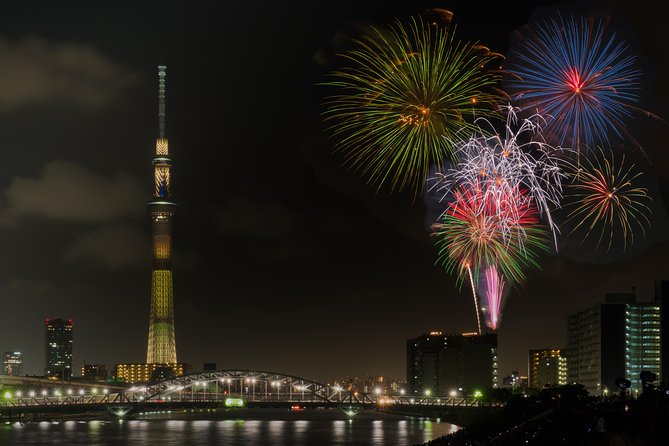
Tokyo Skytree is the optional finale. You ride about 10 minutes to reach it, and the SkyTree stop is around 30 minutes. It is not required, which is helpful because it gives you control based on energy.
The real trick is the support system. The tour includes a support car, and the plan notes that if you are tired of riding, you can load your bicycle and luggage into the support car. That is a big deal for comfort, especially if you are doing the whole day and the walking blocks stack up.
So how do you decide whether to add Skytree? If you love skyline views and want a final “Tokyofied” photo moment, it is a good add-on. If you prefer shopping time in Asakusa or you know your legs will be done by mid-afternoon, skip it and keep your time flexible around Senso-ji.
The schedule can also change depending on the season, and bad weather triggers contact. You will want to keep your plans flexible that day, because Tokyo weather can shift quickly.
One more practical detail: if you bring a backpack, plan how you want to carry it between riding and walking. The tour includes luggage storage, which helps reduce friction. The support car option adds a second layer of relief if you start to feel fatigued.
Value check: what is included, what you pay extra for
Here is the clean value snapshot. Included are bicycle use, snacks, coffee or tea, WiFi on board, bottled water, and luggage storage. You also have an helmet option, and museum admission for Edo-Tokyo Museum is included.
Not included is lunch and personal expenses, including souvenirs. The tour says you can keep souvenirs in the support car, which is useful if you end up shopping near Asakusa.
If you compare this to a DIY day, you would likely pay for transit and museum admission anyway, and you might still lose time between locations. You are paying for the bike transport and guided timing, plus a structured museum visit and a park and temple walking plan.
The price is also easiest to justify if you want a guide to translate context into what you see, especially at Edo-Tokyo Museum and the park area.
If you are a strong independent type who already knows the sites and can handle long walking days, this may feel pricey. But if you want convenience, a guided flow, and less logistics stress, the inclusions do make it feel more like an organized experience than just rental bikes.
Final verdict: should you book this e-bike tour of Asakusa and SkyTree?
I think this tour is a strong choice if you want one day that covers the classic Asakusa plus Ueno areas without exhausting yourself doing train transfers and lots of walking. The e-bike is the main reason it works, and the support car option makes it feel forgiving even if your legs tire.
I would especially consider it if you like:
- museum time plus sightseeing walking
- a guide who can respond across multiple languages
- a small-group format with a cap at 6 participants
- a route that ends in Asakusa, so you can keep exploring afterward
Skip it, or at least plan your expectations, if you crave lots of deep commentary at every single stop. The pacing concentrates guided time at the Edo-Tokyo Museum, then keeps other blocks moving. If you want a lecture at the temple and park too, you might feel the schedule is lighter there.
If you have flexibility, the Skytree option is a nice lever to pull based on your energy, and the water, snacks, WiFi, and luggage support make the day feel handled.
FAQ
How long is the e-bike tour?
The tour runs about 6 to 7 hours, depending on the plan and conditions.
What is the price per person?
The listed price is $283.17 per person.
Does it include pickup?
Pickup from your hotel lobby is offered within the 23 wards of Tokyo. The tour also has a specific meeting point around Ryogoku Station.
Is Edo-Tokyo Museum admission included?
Yes. Edo-Tokyo Museum admission is included, and you spend about 2 hours there.
Is lunch included in the tour price?
No. Lunch is not included. The schedule includes a lunch hour at Ednoren, and you can reserve in advance if you apply.
Are there limits for riding the electric bicycle?
Yes. Participants must be at least 11 years old, bike riders must be between 135 cm and 190 cm tall, and weigh up to 100 kg. Overseas traveler’s insurance is recommended just in case, and bicycle insurance is also available if you need it.
More Museum Experiences in Tokyo
More Tours in Tokyo

More Tour Reviews in Tokyo
Not for you? Here's more nearby things to do in Tokyo we have reviewed












Asakusa Tours, side by side.
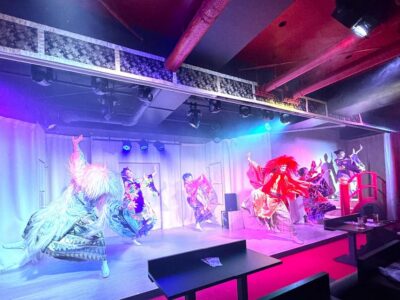 ★ 4.8Japanese Dance Cabaret Theater Asakusa-Kaguwa TicketFrom $492,270 reviews
 ★ 4.7Meiji Shrine, Asakusa, Skytree Bus Tour and CruiseFrom $1221,986 reviews
 ★ 4.9Roll and Authentic Sushi Making Class in AsakusaFrom $581,957 reviews
 ★ 4.8Asakusa Walking Tour with Sensoji Temple VisitFrom $221,583 reviews
 ★ 5.0Tokyo Asakusa Rickshaw TourFrom $421,375 reviews
 ★ 4.5Tokyo Panoramic 1 Day: Meiji Shrine, Asakusa, Odaiba and SKYTREE®From $851,222 reviews
 ★ 5.0Tokyo Go Kart: Asakusa, Skytree, and Akihabara **IDP MUST**From $99988 reviews
 ★ 4.7Asakusa, Skytree & Akhihabara Go-Kart City ExperienceFrom $96761 reviews
This tour also belongs to