
Review · TOKYO CITY TOURS
Private Full-Day Tour of Tokyo with Hotel Pickup
Tokyo without the crowds starts at your hotel. This private full-day plan with hotel pickup connects major sights and underrated stops, with a guide who helps you make the day yours in real Tokyo neighborhoods. You get a full 8-hour window to move through history, temple rituals, sumo culture, and modern pop energy.
I love two things most: Imperial Palace Outer Gardens with free outer-garden admission, and the way your guide makes Tokyo practical with public transport support. You are not stuck staring at station maps all day, you get a person who can explain what you are seeing and how to get there smoothly.
One consideration is that this is a walking-heavy day and includes a temple stop. Plan for a lot of steps, around 8 miles for at least one day like this, and remember temple attire rules like no sleeveless tops or shorts.
Key things that make this Tokyo private tour work
- Hotel pickup first, then public transport so the day starts clean and you learn how to move around Tokyo
- Customizable routing so you can choose highlights or drift toward smaller interests
- Imperial Palace Outer Gardens are free, giving you a major “Tokyo classic” without extra entry costs
- Fukagawa Fudodo’s Goma fire rituals add a very specific cultural moment to the itinerary
- Ryogoku for sumo culture, with stops tied to Kokugikan and sumo-related everyday life
- Akihabara for electronics and otaku culture, so you can balance tradition with pop
Hotel Pickup, 9:00 AM Start, and a Day That Fits Real Tokyo
This tour is built around a simple idea that matters in Tokyo: meet your guide at your hotel, then start moving using the public transport system right away. The start time is 9:00 am, which is smart because you beat the heaviest crush in major areas and you still have time later for districts like Akihabara.
What you get is private, meaning only your group participates. That matters because your guide can set pace and adjust the plan when lines form or your interests shift. You also get mobile ticketing, which is useful when you are hopping between train transfers and walking routes.
Transportation is mostly trains and walking, plus one short taxi ride. That combo is a good real-world approach: Tokyo trains are efficient, but there are moments when a quick taxi saves time and fatigue.
Plan for heat and humidity. This is a walking tour, and the tour notes specifically call out summer conditions. If you tend to get sweaty fast, dress loose and breathable, and bring sun protection and water.
You can also read our reviews of more private tours in Tokyo
Imperial Palace Outer Gardens: A Free Stop With Actual Meaning
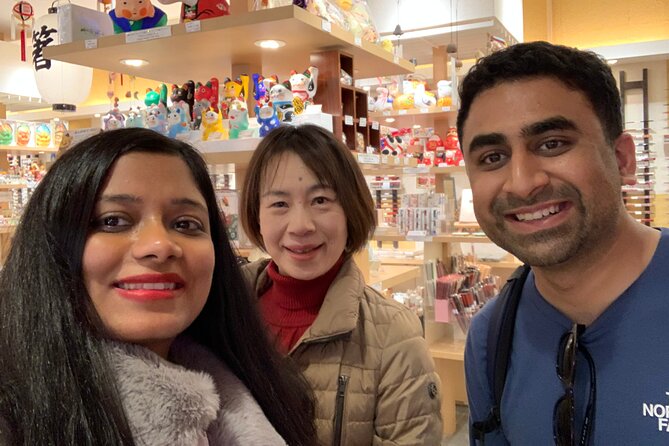
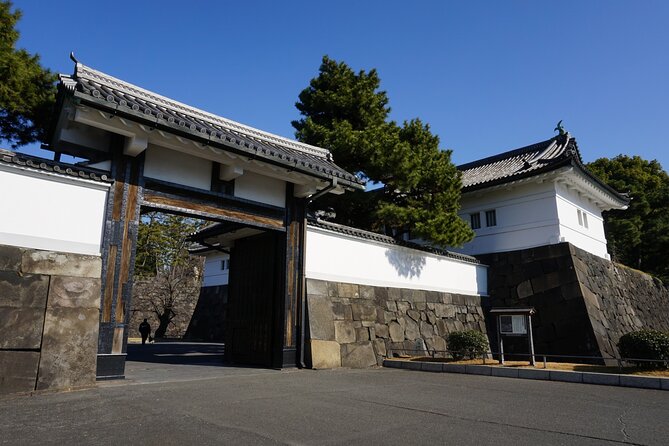
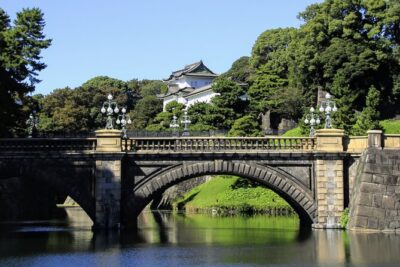
The day starts with Imperial Palace Outer Gardens, located on the former site of Edo castle. The imperial family lives there, but your visit here is focused on the outer gardens rather than interior rooms. Still, it is a powerful contrast to Tokyo’s busy streets, because the grounds feel like a buffer zone.
The best practical part is that entry to the outer gardens is free. In a city where many top sights charge admission, this is a great value anchor. You also get a guided context for what you are seeing, which helps you notice details you might miss when you are just snapping photos.
Timing is another reason this stop works early in the day. Outer gardens are easier to enjoy when you arrive with fresh energy, before the day’s walking stack adds up.
What to consider: you are outside a lot. If it is a hot day, treat this like a warm-up, not a long indoor break.
Fukagawa Fudodo and the Goma Fire Rituals: A Temple Visit With Specific Details
One of the most memorable stops is Fukagawa Fudodo, where the itinerary focuses on Goma fire rituals. These ceremonies burn wooden sticks multiple times a day, and the point is to give Fudōmyō-ō the fighting force he needs. That is a vivid image, and hearing the meaning makes the sights far more than just “a temple with fires.”
This is also where you need to follow dress etiquette. The tour explicitly warns that sleeveless tops and shorts are not permitted because it is a place of worship. If you are traveling in summer (and most people are), this is one of those moments where a simple plan saves hassle. Bring a shawl or light cover-up, or wear something that already covers your shoulders and legs.
In practical terms, this stop is for people who want culture with a clear ritual component. If you only want quick photo moments, you might find this slower than purely sightseeing-only stops. But if you like knowing what something means, it is a standout.
Ryogoku for Sumo Culture: Beyond the Arena
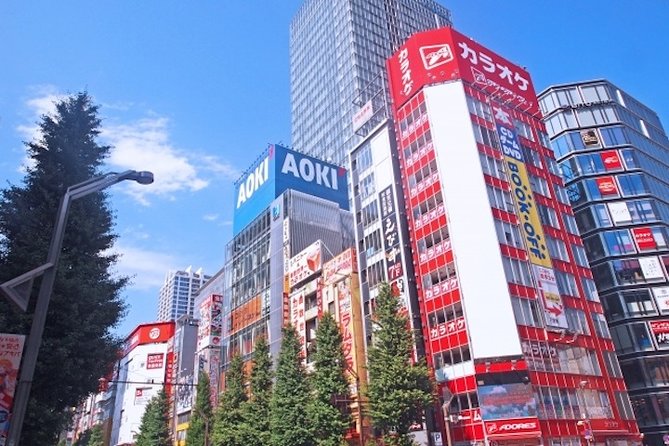
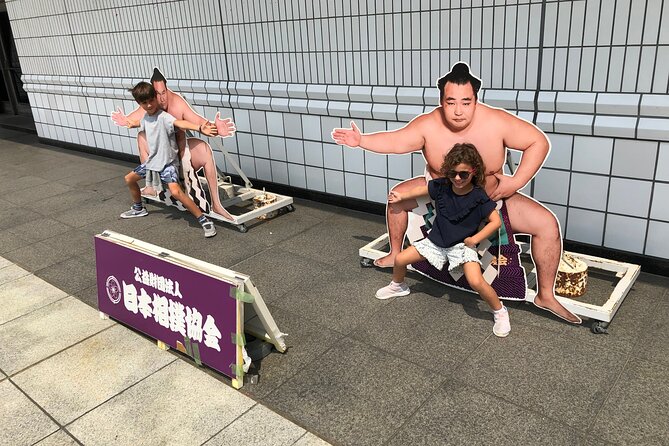
Next comes Ryogoku, Tokyo’s sumo culture district. The focus here includes the sumo arena, Kokugikan, and the surrounding sumo ecosystem. The itinerary mentions what you can expect to find nearby: sumo stables, chanko nabe restaurants, and other sumo-related facilities.
This is the big advantage of a guide-led visit. You are not just walking past signs and hoping you understand what connects everything. Your guide can explain the rhythm of sumo culture, what the arena represents, and how everyday food places like chanko nabe tie into the world you are seeing.
A realistic note: the itinerary does not say you will attend a bout. So think of this as a sumo culture tour, not a guaranteed match experience. You should still come away with a better sense of why Ryogoku feels like a living sports neighborhood instead of a theme park.
What to consider: this area is not just stadium energy. It is streets, facilities, and food culture. If you want modern city scenery only, you may feel this stop is more traditional and quieter.
Akihabara: Electronics, Anime, and Otaku Culture With a Local Filter
The final major district stop is Akihabara, known for electronics shops and otaku culture. The tour calls out things like anime, maid cafes, and character figures, so you know what kind of atmosphere you are walking into.
Akihabara can be overwhelming when you walk in alone. There are so many storefronts, so many product categories, and so many signage styles that it is easy to get lost in scrolling your way through it. With a private guide, you can keep it focused, like choosing what to look at based on your interests.
You also get the benefit of context. A guide can help you understand the difference between what is “just shopping” and what connects to fandom, collecting, and the character economy. Even if you are not deep into anime, this can still be a fun Tokyo culture crash course.
Time-wise, this stop is about 1 hour 30 minutes. That is long enough to wander, but not so long that you lose the day. If you are really into electronics, you might want to spend extra time, which could mean adjusting your day through customization.
More Tokyo tours and experiences for the shortlist


How Private Guidance Changes Your Tokyo Day on Trains and Transfers
Tokyo looks simple until you actually ride it. Then you realize why people end up tired and cranky. The tour’s biggest hidden value is the way your guide helps you navigate the public transport system.
One of the supplied examples includes a guide named Naofumi Kamabe, noted for making train navigation feel easy and for being able to adjust the plan on the fly. That is the kind of practical skill that matters, especially if you have never used Tokyo trains before.
A private guide is also the difference between seeing famous locations and understanding them. You are not just ticking boxes. You are learning the what and the why, plus getting recommendations on where to go next during free time.
Also, customization is real here. The tour is described as customizable, with the ability to explore top city highlights or discover hidden gems many visitors overlook. That flexibility is perfect if you have a particular obsession, like sumo culture details or anime district shopping priorities.
What Is Included, What You Still Pay For, and Why the Price Can Make Sense
The price is $246.43 per person for an 8-hour private tour. That sounds high at first glance, but the included items help justify it for many travelers.
Here’s what is included:
- Guide fees
- Public transportation (plus one short taxi ride)
- The planned route’s main stops, including free admission for Imperial Palace Outer Gardens
What is not included:
- Foods and drinks
- Any additional entrance fees outside the original itinerary
- If you customize the itinerary, there may be additional transportation costs
Your best strategy is to treat this as a “guided day plan” rather than a meal package. In Tokyo, food adds up fast if you are trying everything, so bring cash or a card budget and decide in the moment.
Value check for different travel styles:
- If you want to see multiple districts in one day without planning stress, this tends to feel like good value.
- If you already love self-guided wandering with the help of transit apps, you might feel the price is mostly paying for a guide’s explanation.
- If you are traveling with kids or older adults, the private pace and escort through transit can be worth a lot.
Booking timing also matters. This tour is often booked about 53 days in advance on average, so if your dates are fixed, you will usually do better planning ahead.
Practical Tips That Keep the Temple, the Heat, and the Walking in Check
This tour includes a temple stop, so clothing rules are not optional. Expect to cover up at Fukagawa Fudodo: no sleeveless tops and no shorts. The tour suggests bringing a shawl or light cover-up, which is an easy solution if you only pack summer clothes.
Footwear matters as much as weather. The tour notes specifically say it is a walking tour and you should wear comfortable shoes. One real-day example also points out that you may walk over 8 miles. That is not “a few blocks” walking. It is a full-day pace.
For comfort, I recommend you think in layers:
- breathable clothes for humidity
- a cover-up that doubles as a small sun layer
- water bottle and sun protection
- a bag that does not swing or bounce on long walks
If you have knee issues, plan carefully and tell your guide early. Since the tour is private and your route is flexible, your guide can often adjust how you move.
Who This Tour Is Best For (and Who Should Skip It)
This tour fits best if you want a Tokyo day that feels connected. You like the idea of moving between major themes, imperial history, temple ritual, sumo culture, and Akihabara pop culture, without spending your morning figuring out train transfers.
It is also a great pick for first-timers who want structure but still want room to personalize. Meeting at your hotel and then taking trains with a guide is a low-drama way to get your bearings fast.
Consider skipping or shortening the day if:
- you do not want a lot of walking
- you prefer only one district and deep time there
- you dislike religious sites (because the temple component is part of the plan)
A final practical point: the experience notes say it requires good weather. If the day is canceled due to poor weather, you can usually choose a different date or get a full refund.
Should You Book This Private Full-Day Tokyo Tour?
If you want a guide-led Tokyo day that is both structured and flexible, I think this is a smart booking. The itinerary hits major interests many first-time visitors want, and the free Imperial Palace Outer Gardens stop helps the value. Most importantly, the guide support makes transit and etiquette less stressful, and that is where your day actually gets better.
Book it if:
- you want a private day with hotel pickup
- you care about cultural context, not just photos
- you want to see Ryogoku and Akihabara in the same day without chaos
Skip it if:
- you plan to do Tokyo only by yourself and you are comfortable navigating stations alone
- you want minimal walking and no temple dress rules
- you are traveling when weather is likely to be poor
FAQ
What is the duration of the tour?
The tour lasts about 8 hours.
Does the tour include hotel pickup?
Yes. The tour includes hotel pickup and you meet your guide at your hotel before using public transportation.
Is this a private tour or a group tour?
It is a private tour/activity, meaning only your group participates.
What kind of transportation is included?
Public transportation is included, and there is also one short taxi ride included.
Are any entrances included or free?
Imperial Palace Outer Gardens are free on this itinerary. Additional entrance fees outside the original itinerary are not included.
Is food included?
No. Foods and drinks are not included.
What should I wear for the temple stop?
You should avoid sleeveless tops and shorts because it is a place of worship. The tour recommends bringing a shawl or light cover-up.
What is the cancellation policy?
You can cancel for a full refund up to 24 hours before the experience’s start time, and cancellations are free within that window. The experience requires good weather, and if it is canceled due to poor weather, you are offered a different date or a full refund.
More Private Tours in Tokyo
More Tours in Tokyo





More Tour Reviews in Tokyo


Not for you? Here's more nearby things to do in Tokyo we have reviewed












Tokyo City Tours, side by side.
 ★ 5.01-Day Tokyo Bus TourFrom $12914,250 reviews
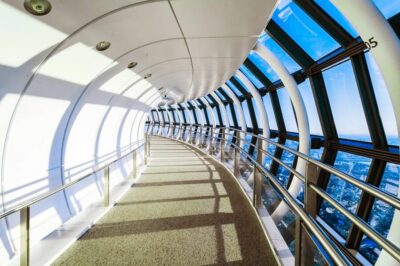 ★ 4.5TOKYO SKYTREE® Admission ticketFrom $1311,192 reviews
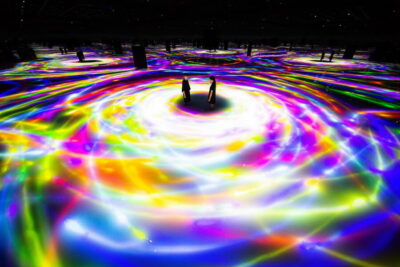 ★ 4.6teamLab Planets TOKYO Digital Art Museum Entry TicketFrom $259,779 reviews
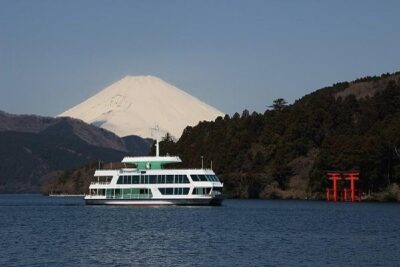 ★ 4.0Mt Fuji & Hakone Cruise, Drum Show Bullet Train 1 Day from TokyoFrom $1497,413 reviews
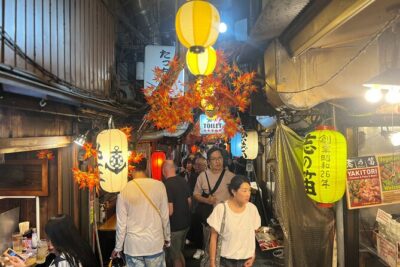 ★ 5.0Shinjuku Food Tour (13 Dishes at 4 Local Eateries)From $866,603 reviews
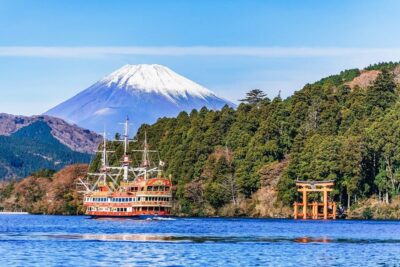 ★ 4.4Tokyo Mt Fuji 5th St & Hakone Cruise Bus Tour w/Bullet TrainFrom $1545,024 reviews
 ★ 5.0Flagship 2-Hours Official Street Go-Kart Tour – Tokyo Bay ShopFrom $644,974 reviews
 ★ 4.5From Tokyo: Mount Fuji Full-Day Sightseeing TripFrom $684,970 reviews