
Review · HISTORICAL TOURS
Guided History & Nature Exploration in the Yokohama Hill Area
One afternoon, and Yokohama feels different.
This guided history and nature walk strings together the best hill-town viewpoints and classic Western-and-Japanese sites, from Harbor View Park to Sankeien, with tea time and a sunset-style finale at OMO5 Yokohama Bashamichi.
I especially liked two things. First, the port photo stop is handled smartly, with a route up from Motomachi-Chukagai Station and a photo-friendly target at Harbor View Park. Second, the Yamate Bluff area comes alive through stories tied to the foreign settlement era, plus that extra layer if you know Studio Ghibli’s From Up on Poppy Hill.
One consideration: you are doing a normal walk with some ups and downs, so it is not the easiest stroll if you are avoiding hills.
Key Highlights at a Glance
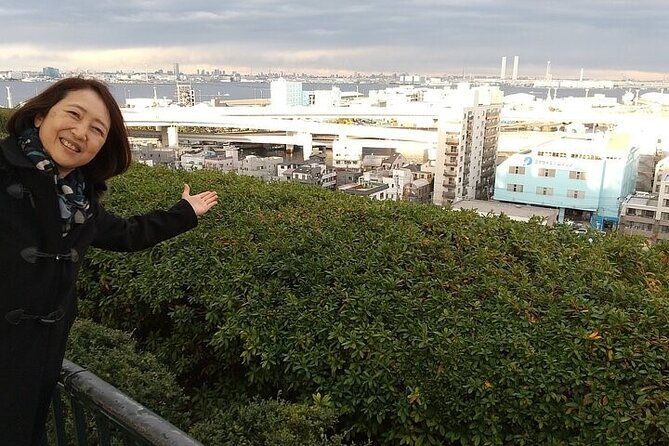
- Harbor View Park photo shoot with easy access up the hill, and the port view you will actually want to remember
- Foreign General Cemetery as a symbolic starting point for how Yokohama opened to international life about 150 years ago
- Yamate Bluff architecture in the style of Western residences, with guided stops that can include Berrick Hall
- Motomachi Shopping Street as a historic connector for locals and foreign residents, with practical gift-shopping
- Sankeien Gardens included admission, plus the guide’s help choosing where to focus
- OMO5 Yokohama Bashamichi 46th-floor views to close the day, weather permitting
Why Yokohama Hills Beat the Usual Route for a Half-Day
Yokohama has two faces. One is the modern harbor-front scene with sleek buildings and big views. The other is up on the hills, where older neighborhoods still hold onto the mix of cultures that started when the port first opened to the world.
That second side is what you come for on this tour. You start in Motomachi, work your way up through the Yamate area, slow down with tea, and then shift into Sankeien’s traditional gardens. The day ends up high again, at OMO5 Yokohama Bashamichi, where the city drops away into a single panorama.
I also like the pacing. It is short enough to fit when you have a few other plans, but structured enough that you do not have to figure out which viewpoint is worth the climb.
You can also read our reviews of more guided tours in Yokohama
Meeting at Motomachi-Chukagai, Then Up to Harbor View Park
You meet at Motomachi-Chukagai Station, in the Yamashitacho area (easy to reach by public transportation). The big early advantage is that you are not wandering around asking where the views are. You head up right away, using an escalator to reach Harbor View Park.
Harbor View Park is the kind of stop you build a memory around. You get port scenery that is broad enough for skyline photos, but focused enough that your pictures do not look like random snapshots.
Admission here is free, and the time window is tight, about 30 minutes. That is actually a good thing. You can take the photos, look around, and still have energy left for the rest of the neighborhood.
Tip: bring a charged phone or camera, and pause long enough for a second round of photos from a slightly different angle. The port changes character as you reposition.
Harbor View Park: The Port Photo Stop That Saves Time
This is the “best point” for a port photo shoot, and you feel why once you are there. Harbor cities are full of viewpoints, but not all of them give you that clean, readable composition of ships, water, and shoreline.
The tour gives you the structure for speed. You know where to go, and you know what the view is for. That matters if you are traveling solo or you are with family and do not want the day to turn into navigation stress.
If you are sensitive to steps, note that the tour does mention some ups and downs. Harbor View Park is reached via escalator early on, which is a nice on-ramp, but later you will still be moving through hill terrain.
Foreign General Cemetery: How Yokohama’s 150 Years Shows Up in Quiet Places
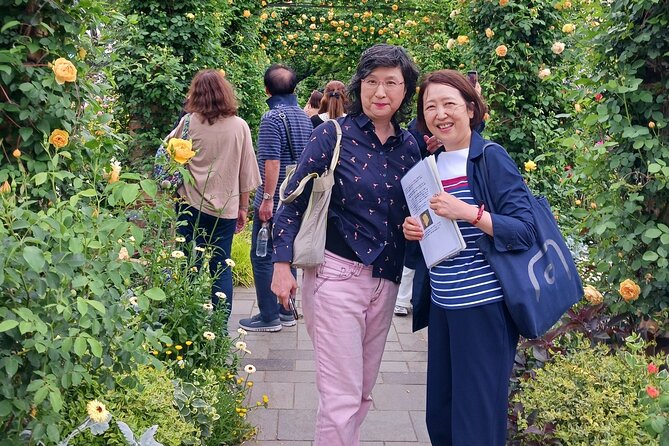
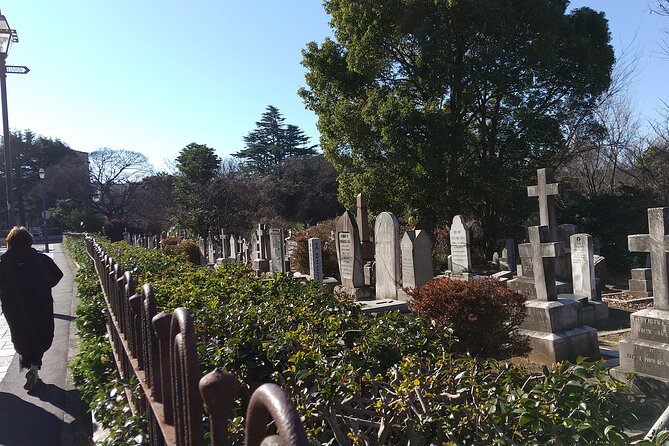
After Harbor View Park, you visit the Yokohama Foreign General Cemetery for about 15 minutes. This stop is short on the clock, but it punches above its weight in meaning.
Yokohama’s modern story started when the port became Yokohama’s first contact point with an international community about 150 years ago. The cemetery is symbolic of that era, and the guided framing helps you see the neighborhood in a new way. Instead of treating Yamate as just pretty architecture, you understand the human timeline behind it.
It is free to enter, so you are not paying extra to make time for this kind of historical pause. That makes it a smart stop, especially if you prefer context over rushing from one viewpoint to the next.
Practical note: cemeteries are often still, so dress comfortably and keep your pace respectful. You will be grateful for the quiet break before more walking.
Yamate Bluff and Berrick Hall: Western Residences with a Story
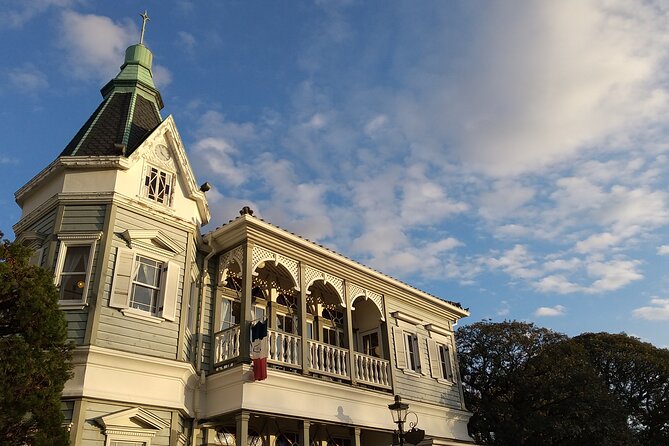
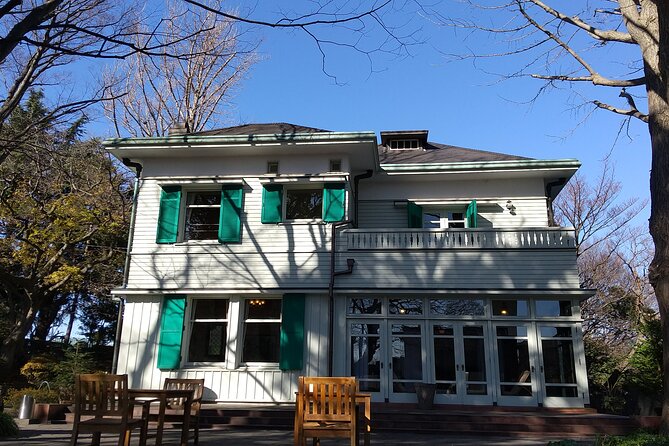
Next comes the Yamate Bluff area, where historical Western residences shaped the feel of the neighborhood after the port opened. This is where the tour turns from “pretty places” into “why this place looks like this.”
Your guide, Sayumi, chooses one or two buildings among the historical properties in the area. Berrick Hall could be one of the stops. The big value here is interpretation. You are not just looking at facades. You are learning what foreign residents built, how they lived, and how the neighborhood kept its atmosphere to this day.
There is also a fun cultural layer if you know Studio Ghibli’s From Up on Poppy Hill. The tour is set up so you can visit some spots that feel familiar from the movie. It is not about turning the day into a themed gimmick. It is about giving you a recognizable handle as you connect fiction to real street shapes and architectural details.
Time is about 1 hour for this section. That includes walking time between properties and the guide’s storytelling, so you do not feel rushed the moment you get your bearings.



Tea Time in a Popular Tea Salon
Midday includes a coffee and/or tea break at an authentic Japanese tea salon. This is one of the best-value parts of the experience because it is built into the flow, not stapled on as an afterthought.
You also get a chance to cool down and reset your body if the weather is warm. The tour itself is described as a normal walk around town, with some ups and downs. A sit-down break matters.
I like that the tea stop is included in the price. You avoid the common half-day-trap of spending extra time and money deciding where to rest.
If you have a snack gap later, consider eating light before this tour, because the day’s structure is focused on sights rather than a long lunch stop.
Motomachi Shopping Street: The Historic High Street for Gifts
After the Yamate area, you move to Yokohama Motomachi Shopping Street for about 1 hour. This is not just shopping. The tour frames the street as a historic bridge between local Yokohama residents and newly joined foreign residents around the time the port opened.
That explanation is what makes this stop work. You walk the street with meaning, so you are not only buying souvenirs. You are also learning why the street developed the way it did, and why it still feels like a distinct district inside Yokohama.
The guide points you toward interesting shops, and you get a practical window to pick up gifts. With an hour, you can browse without turning the tour into a full shopping day.
Tip: for souvenirs, plan for small, easy-to-carry items. Motomachi is good for that style of shopping, and you will have less to manage once you head toward Sankeien.
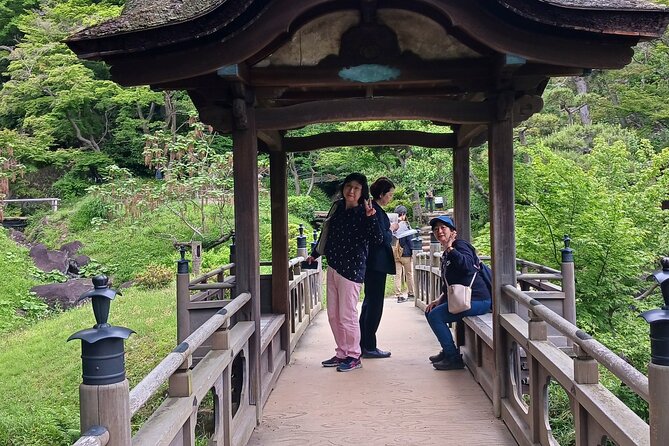
Sankeien Gardens: Traditional Architecture and a Garden You Can Read with a Guide
Then you take a bus from Motomachi to Sankeien, about 20 minutes. The bus is not included, and the tour notes it as 220 yen. Everything else in this segment feels like it is built around the garden experience, including the guide’s help choosing where to go.
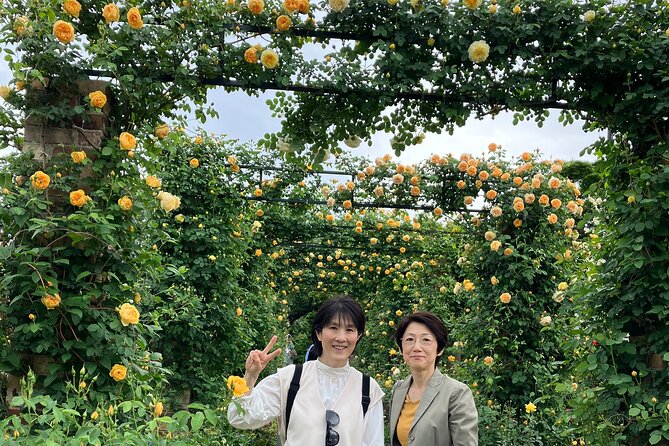
The Sankeien Gardens admission is included in the guide fee. That is a key value piece, because gardens like this are not just scenery. They are a place to slow your pace, look closely, and understand how different Japanese styles can coexist in one setting.
Your guide chooses specific spots to visit and explains what to look for and how to enjoy it. That matters because Sankeien is the type of place where you could wander and miss the most interesting views and structures.
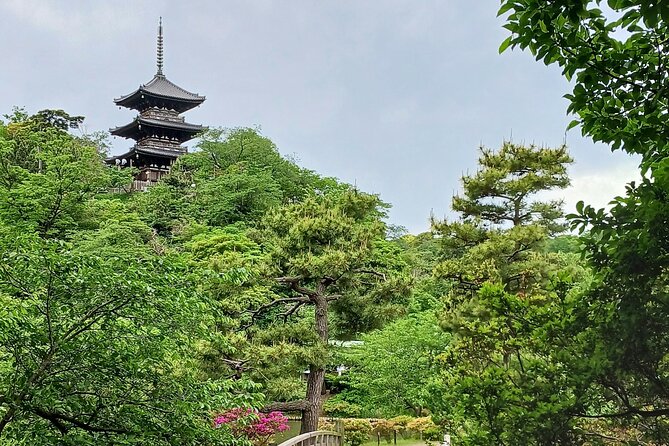
From the experience perspective, I love that it is not only about walking. It is about stopping, looking, and learning. One standout detail mentioned in the experience feedback is the presence of standout structures such as a three-story pagoda. Even if you do not focus on exact building names, the guide’s way of pointing out what matters helps you connect the garden design to the architecture.
Also, time is about 1 hour for this section. That is enough to cover key areas without exhausting yourself, especially if you still want to enjoy the final city view.
Bashamichi Finale at OMO5 Yokohama Bashamichi, 46th-Floor Views
The tour ends at OMO5 Yokohama Bashamichi by Hoshino Resorts, at the 46th-floor observation deck. This is a smart finale because it gives you a wide-angle perspective after hours in hills and gardens.
You get about 15 minutes at the end point. The tour specifically mentions that if the weather allows it, you can see across Yokohama. That short time window is intentional. You get the main vista, you take photos, and you can move on without lingering too long.
Admission is listed as free for this stop. And since the tour ends here, you also have an easier way to continue your evening around that area if you want.
Practical tip: if the deck is busy, just keep moving your photo angles. Go for one “big city” shot, then one close composition toward water and shoreline if visibility is good.
Price and Value: Is $45.98 Worth It?
At $45.98 per person for about 4 hours, the pricing makes sense when you look at what is included.
You get:
- A live official Kanagawa tour guide, Sayumi
- Tea service at a Japanese tea salon
- Sankeien Gardens admission included
- Multiple major stops in the hill area where admission is free or included during the guided segments
- A planned ending at a high-floor observation spot for an easy-to-enjoy view
You only pay extra for the bus from Motomachi to Sankeien, 220 yen. That is not a huge additional cost, but it is still good to know so you do not get surprised.
The hidden value is the small-group size. The tour caps at 6 travelers, which typically means you spend less time waiting and more time actually understanding what you are looking at. For hill neighborhoods, that makes a difference, because you want the guide to manage pacing and timing.
If you are the type who likes to walk, take photos, and come home with context, this tour is strong value. If you want a long shopping spree or a deep museum schedule, you might find the day slightly compact. For most people, though, it hits a sweet spot.
What to Wear and How to Prepare for the Hills
This is described as a normal walk around town with some ups and downs. So wear shoes you trust. Even if you are not doing intense hiking, the hill neighborhoods add up, especially when you move between viewpoints, cemeteries, residences, and shopping streets.
Weather matters. The tour states it requires good weather. If it is canceled due to poor weather, you get offered a different date or a full refund.
One more planning note: confirmation happens at booking time, and you receive a mobile ticket, which makes it easy to check in and start without digging for paper.
Who Should Book This Yokohama Hill History Tour
This tour fits best if you want:
- A guided mix of history, architecture, and nature without a full-day commitment
- A route that prioritizes the most meaningful hill viewpoints
- Help connecting Yokohama’s foreign settlement era to what you can see on the streets today
- A small group experience with room to ask questions and adjust pace
It is also a good fit for people who like recognizable pop culture links. If you have watched From Up on Poppy Hill, you will likely enjoy spotting places and understanding what the neighborhood looks like in real life.
If you have limited mobility or you strongly dislike hills, consider that the tour does include ups and downs. You might still manage, but you will want comfortable footwear and a realistic pace expectation.
Should You Book It?
Yes, if you want a half-day that feels like a story, not just a checklist.
Book this tour when:
- You care about the port and hills and you want the best photo points without guessing
- You like architecture and the way gardens can teach you how Japanese design thinks
- You want a guide like Sayumi to connect the dots from 150 years ago to today
- You appreciate small-group attention, not a crowded scramble
Skip it if you are looking for a long, museum-heavy day or if hills are a deal breaker for you. Otherwise, this is one of those Yokohama experiences that helps you see the city with better eyes.
FAQ
What is the duration of the Yokohama Hill history and nature tour?
The tour lasts about 4 hours.
Where does the tour start and where does it end?
It starts at Motomachi-Chukagai Station (Yamashitacho, Naka Ward, Yokohama) and ends at OMO5 Yokohama Bashamichi by Hoshino Resorts.
How much does the tour cost?
The price is $45.98 per person.
How many people are in the group?
The tour has a maximum of 6 travelers.
What is included in the tour price?
Included are coffee and/or tea at an authentic Japanese tea salon, plus admission to Sankeien Gardens. Admission for other listed stops is free.
What is not included?
The bus from Motomachi to Sankeien is not included and costs 220 yen.
Do I need to buy tickets for Sankeien Gardens?
No. The Sankeien Gardens ticket is included in the guide fee.
What does the tour include at the end of the day?
You end at OMO5 Yokohama Bashamichi on the 46th floor observation deck, where you can enjoy an evening view of Yokohama if weather permits.
What happens if the weather is bad?
This tour requires good weather. If it is canceled due to poor weather, you are offered a different date or a full refund.
More Guided Tours in Yokohama


More Tour Reviews in Yokohama



Not for you? Here's more nearby things to do in Yokohama we have reviewed





Historical Tours, side by side.
 ★ 5.0Imperial Palace and Shogun Historical Walking TourFrom $222,251 reviews
 ★ 4.9Imperial Palace Japanese History Walking TourFrom $32987 reviews
 ★ 5.0Shinjuku Historical Walking Tour & Secret BackstreetsFrom $25530 reviews
 ★ 5.0Yanaka Walking Tour: Historic and Traditional District of TokyoFrom $72530 reviews
 ★ 4.5Mt. Fuji Heritage Tour: Traditional Villages, Lakes & ShrineFrom $50509 reviews
 ★ 4.9From Tokyo: Nikko World Heritage Site Private Full-Day TripFrom $483243 reviews
 ★ 4.9The Best of Izakaya in Shinjuku Food & Cultural TourFrom $129221 reviews
 ★ 5.0Yanaka Historical Walking Tour in Tokyo’s Old TownFrom $81182 reviews
This tour also belongs to