
Review · SHINJUKU TOURS
Tokyo: The Best of Izakaya in Shinjuku Food & Cultural Tour
Shinjuku izakaya nights are a living city map. This tour is interesting because it mixes neon nightlife with real food stops where you eat enough for dinner, not just a few bites. I especially like how the evening is guided start to finish, so you taste a smart range of Japanese flavors while learning how Shinjuku became what it is today.
You’ll also get a sake tasting built into the night, and it is the kind of pour you may struggle to find back home. The only real drawback to consider is value: at $129, it costs more than buying dinner on your own, so it makes most sense if you want variety, local context, and a guide doing the ordering and pacing for you.
Key things that make this Shinjuku izakaya tour worth your time
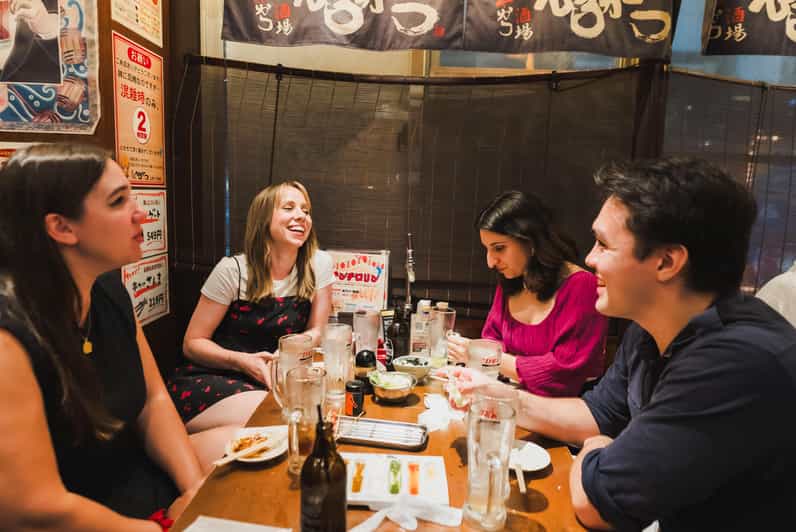
- 14+ dishes that add up to a full dinner, not snack-sized sampling
- Golden Gai walk through the tight alleyway nightlife area
- Sake tasting plus two included drinks of your choice
- Two local restaurant stops where the menu can change based on what is fresh that day
- Small group size (max 10) for easier conversation and food questions
Meeting at Kirin City Shinjukuhigashi, Then Letting the Night Begin
I like starting a Tokyo food tour in a place with an obvious anchor, and this one does that. You meet in front of Kirin City Shinjukuhigashi (beer hall) and look for a guide holding the Ninja Bowl logo tote bag. It is an easy meet-up point, and it means you are not wasting time figuring out where you should stand.
The evening runs about 3.5 hours, roughly 17:00 to 20:30. That timing matters in Shinjuku because the best atmosphere shows up as the lights switch on and people settle in for dinner and drinks. One more practical note: transportation is not included, so plan your own way to the meeting point.
At the end, you finish in the Nishishinjuku area at Waco-re Shinjuku Daiichi Building (Tokyo 160-0023). That is convenient if you are staying in that part of town, and it is something to consider if your hotel is far east.
You can also read our reviews of more food & drink experiences in Tokyo
Golden Gai: Small Bars, Big Personality, and Why You Need a Guide
Your first stop is Golden Gai, where you step into Shinjuku’s famous maze of tiny bars. Even if you have seen photos, the scale is what hits you in person. Lots of these spots are compact, with a nightlife vibe that can feel intimidating if you do not know where to go or what to order.
A guide helps you make this feel effortless. You get about 30 minutes here, which is long enough to walk the lanes, understand what Golden Gai is, and see why it developed the way it did. The tour framing also helps you read the area quickly, so you are not just wandering and hoping.
This is also one of the easiest moments to ask questions. If you are unsure about drink culture, how izakayas work, or what certain menu items mean, this is where you can get answers before the food part gets serious.
The Main Event: 2.5 Hours of Food Tasting That Actually Feeds You
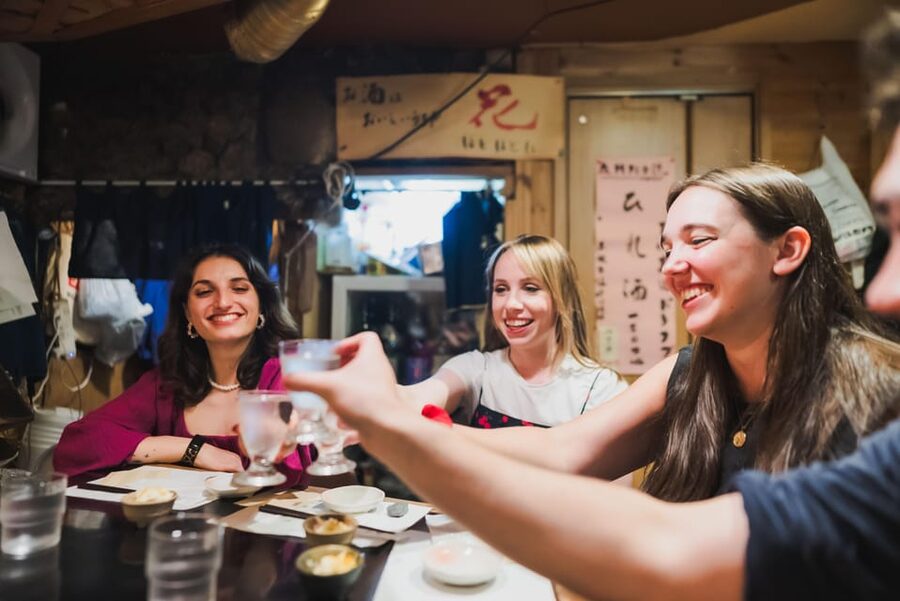
The heart of the experience is the long food tasting segment in Shinjuku, around 2.5 hours. This is where the tour earns its reputation for value, because you are tasting 14-plus dishes that are designed to be enough for dinner.
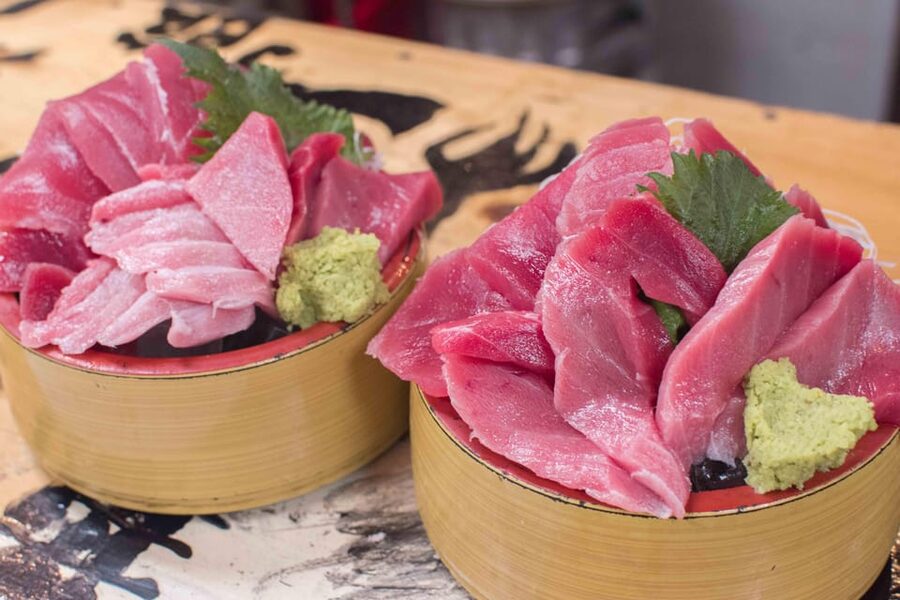
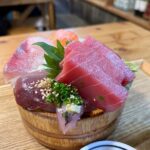
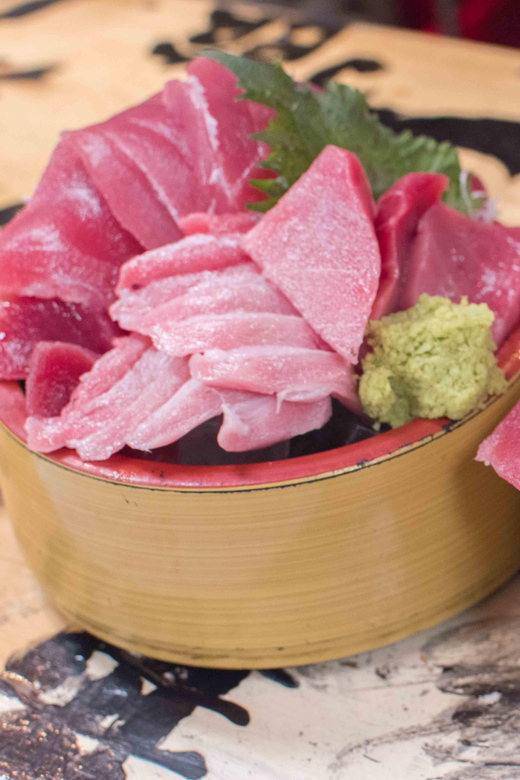
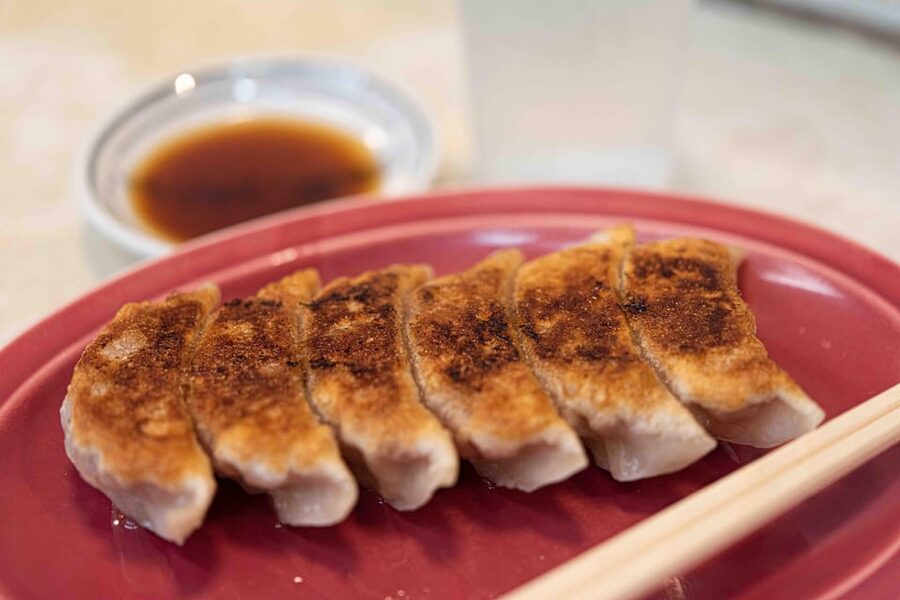
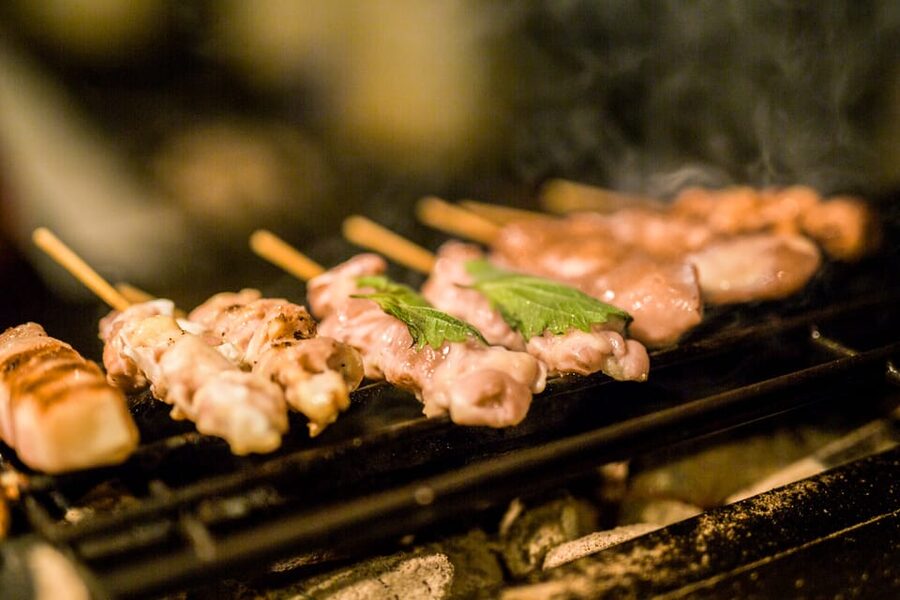
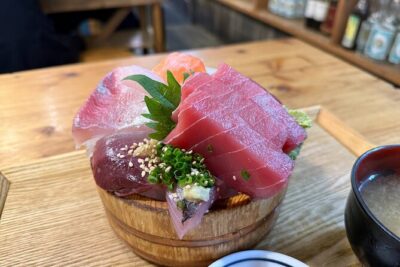
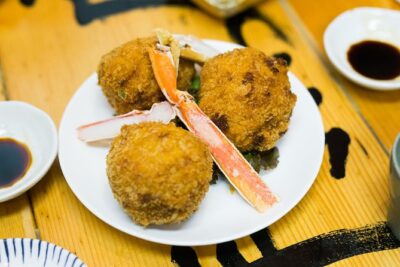
The menu is said to vary based on what is fresh that day, but the typical lineup includes things like chicken skewers, a fresh sashimi platter, and handmade Japanese croquettes. Other dishes you might see in the mix include dumpling-style bites and other classic izakaya-friendly plates, plus a sweet finish in some cases.
Two things I like about this format:
- It avoids the common problem of food tours that feel like they are rationing tastings. Here, the portions are meant to leave you satisfied.
- The variety teaches you what to order on your own later. After trying multiple styles in one night, you start to recognize your preferences, so your next izakaya meal becomes simpler.
One timing detail you should know: before and between restaurant stops, you spend about 40 to 50 minutes walking to cover different parts of the Shinjuku area. That keeps things moving, but it also means comfortable shoes matter. If your feet get cranky at night, plan for that.
Omoide Yokocho Backstreet Bites: Where the Atmosphere Does the Talking
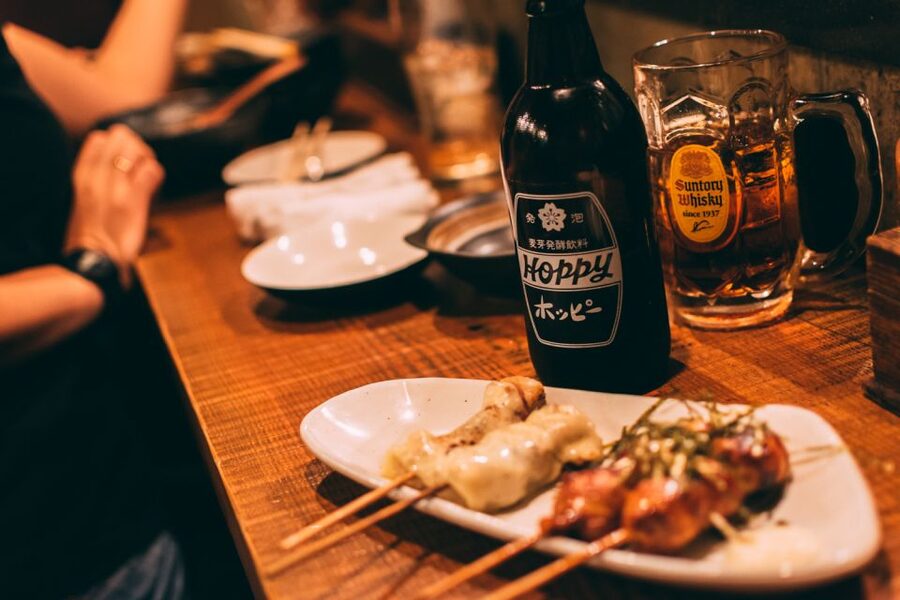
Next comes Omoide Yokocho, where the streets feel more old-school than the big shopping zones around Shinjuku Station. You spend about 15 minutes here, which is short, but it works because the goal is to see the place, soak in the vibe, and keep the evening flowing toward more food.
This stop is valuable because Omoide Yokocho gives you a different side of Tokyo’s eating culture. It is not just about eating. It is about watching how people move through narrow lanes, how casual meals are part of the nightlife rhythm, and how signage and bar counters shape the experience.
There is also a practical upside: it helps you place your food within the neighborhood’s identity. When you understand what kind of streets you are walking, the next meal choices feel more grounded.
Kabukicho Walk: Neon, History Stories, and Getting Oriented Fast
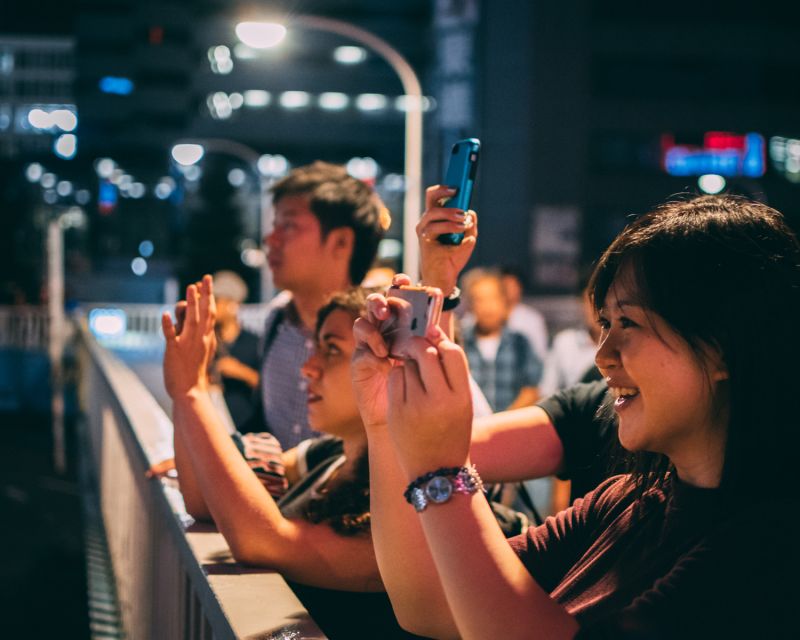
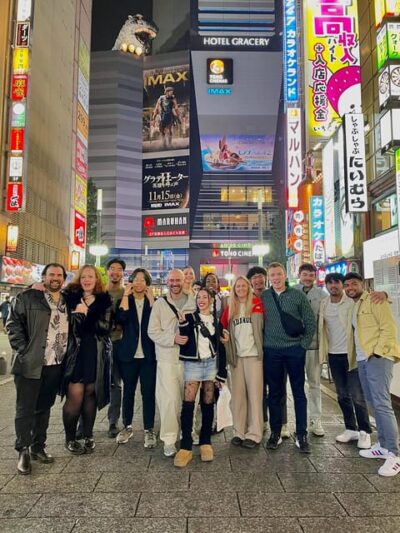
Then you head into Kabukicho, Shinjuku’s well-known entertainment district. You get about 30 minutes here, and the walking is part of what makes the evening useful for first-time Tokyo visitors.
This stop is not only about seeing neon. It is about getting oriented in a place that is easy to feel lost in on your own. A guide brings context about Shinjuku’s history and culture while you pass preserved areas and recognizable landmarks.
If you like cities where the street-level details tell the story, this is where you will feel that. It also helps you later during the rest of your trip, because you will understand which streets lead you to the kind of night you want.
More Tokyo tours and experiences for the shortlist


Sake and Drinks Included: What You Can Expect, and How Non-Drinkers Fit In
Japan’s drinking culture is part of the experience here, and the tour price includes two alcoholic drinks of your choice. On top of that, you taste sake as part of the flow, described as a smooth one that you might not have tried back home.
What I find smart is that you get options. The tour includes drink time, but it does not force drinking to enjoy the food. If you do not drink, you can still enjoy the more than 10 food samplings and the izakaya atmosphere.
If you are curious about sake, this is a low-pressure way to learn what you like. You get guided tasting in a real setting, not a lecture room. And if you are not sure how to order, having a guide handle the sequencing can save you from the awkward moment of staring at a menu and guessing.
Allergies, Restrictions, and the Real-Life Value of Planning Ahead
One of the most practical parts of this tour is that they can accommodate food allergies and restrictions. That matters because izakaya menus can include ingredients that are not always obvious at a glance.
The best move is to share your restrictions ahead of time, and then rely on the guide during the meal stops. You are not just hoping the kitchen understands. You have a translator in the middle and a plan for the evening’s tasting order.
Even if you have no restrictions, I recommend paying attention to how dishes are explained. The guide does not treat the evening like a hurried snack sprint. They help you understand what you are tasting so you can repeat it later on your own.
Small Group Size and an English Guide: Why It Changes the Night
This tour is limited to 10 participants, which is a big deal in Shinjuku. With a small group, you are more likely to get time for questions, and the pacing feels human instead of rushed. It also helps everyone hear explanations while walking through tight lanes like Golden Gai.
The tour is led by a live English guide, and the vibe from different guides is a common thread in feedback: people mention humor, energy, and a strong focus on food and cultural context. Guides named in guest feedback include Max, Hawaii Joe, Chizuru, Megan, Julian, and Ayaka. The common point across those names is that they keep the group moving, and they make the food feel approachable rather than mysterious.
Price and Value: Is $129 a Good Deal for an Izakaya Crawl?
At $129 per person, this is not a budget meal. But you should judge it by what you receive, not by what one bowl of ramen costs in Tokyo.
You are getting:
- 14+ dishes, enough for dinner
- two included drinks
- sake tasting
- a guide through multiple neighborhoods
- help with ordering and explanations, plus support for dietary restrictions
If you were planning to eat the same number of meals on your own, you would quickly spend a lot, and you would miss the ordering help and the structured variety. This is the kind of tour that pays off if you want a finished evening plan, not a scattered collection of random restaurant choices.
The drawback is simple: if you prefer to roam freely and you already know exactly where you want to eat, you might feel this is more than you need. If you are new to Tokyo or you want to avoid menu guessing, the guided approach is where the money turns into value.
Who This Tour Suits Best
This Shinjuku izakaya experience fits best if you:
- want a first or early Tokyo night with structure
- like food variety more than just one signature restaurant
- enjoy learning how neighborhoods got their identity
- want to try sake in a social, casual setting
It is also a strong pick for solo travelers. A small group makes it easier to meet people without forcing the conversation.
Should You Book This Shinjuku Izakaya Tour?
I think you should book if you want a guided Shinjuku night where you leave full, informed, and with a short list of izakayas to return to. The combination of 14-plus dishes, included drinks, and the walk through Golden Gai, Omoide Yokocho, and Kabukicho is a lot to pack into one evening.
I would skip it if you mainly want the cheapest food possible or you already have a personal plan for every meal. At $129, it is a value-heavy tour, not a low-cost one. For the right traveler, though, it is one of the easiest ways to get the Shinjuku izakaya experience without feeling lost.
FAQ
How big is the group, and is the guide available in English?
The tour is a small group limited to 10 participants, and it is offered with a live English guide.
How long is the tour, and when does it run?
Plan for about 3.5 hours, running from 17:00 to 20:30.
What types of food should I expect to eat?
You will sample 14+ Japanese dishes, including items like chicken skewers, fresh sashimi, and handmade Japanese croquettes. The tasting menu can change based on what is fresh that day.
Are drinks and sake included?
Yes. The price includes two alcoholic drinks of your choice, plus a sake tasting. If you do not drink, you can still enjoy the food samplings and the izakaya atmosphere.
Can the tour handle food allergies or dietary restrictions?
Yes. Your food request can be accommodated based on your allergies and restrictions.
Where do I meet, and where do we end?
Meet in front of Kirin City Shinjukuhigashi and look for the guide holding the Ninja Bowl logo tote bag. The tour finishes in Nishishinjuku, Shinjuku City at Waco-re Shinjuku Daiichi Building (Tokyo 160-0023).
What is the cancellation policy?
There is free cancellation up to 24 hours in advance for a full refund.
More Food & Drink Experiences in Tokyo
More Tours in Tokyo


More Tour Reviews in Tokyo
Not for you? Here's more nearby things to do in Tokyo we have reviewed


Shinjuku Tours, side by side.
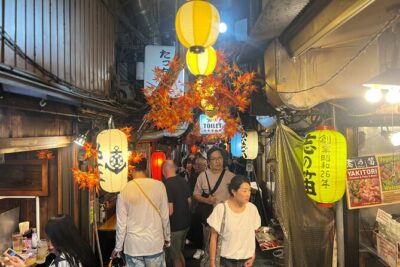 ★ 5.0Shinjuku Food Tour (13 Dishes at 4 Local Eateries)From $866,603 reviews
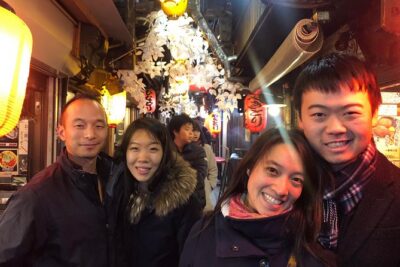 ★ 5.0Tokyo Bar Hopping Tour in Shinjuku (All-You-Can-Drink + Dinner)From $1063,587 reviews
 ★ 4.9Shinjuku Food Tour (15 Dishes and 4 Eateries)From $852,033 reviews
 ★ 5.0Best of Shinjuku: Izakaya Food Tour (4 Stops, 14+ Tastings)From $921,863 reviews
 ★ 4.9Shinjuku Local Bar and Izakaya Guided Walking TourFrom $341,794 reviews
 ★ 5.0Tokyo Shinjuku Chopsticks Making ClassFrom $201,763 reviews
 ★ 5.0Tokyo Shinjuku Sumo Show & Experience with PhotoFrom $791,750 reviews
 ★ 5.0Tokyo Night Foodie Tour in Shinjuku – Seasonal Sushi, Wagyu BeefFrom $1111,161 reviews
This tour also belongs to