
Instant ramen meets killer harbor views. This walking tour strings together two of Yokohama’s best moves: big harbor-and-city panoramas from the observation deck, and hands-on learning at the Cup Noodles Museum. Add the chance to see Mt. Fuji on clear days, and it turns a simple food stop into a proper slice of modern Japan.
I especially like that the lunch is built around seasonal ingredients, not a generic tourist meal. And once the guided part wraps, you get to continue through the museum at your own pace, so you can linger on the history of instant ramen and how it connects to global noodle culture. One catch: this tour is not suitable for vegetarians, and halal food will not be served.
Key things that make this tour worth your time
- Harbor and city views first, so the day feels like an actual outing, not just a meal and a museum ticket
- Mt. Fuji spotting is possible on clear days, plus you may see Tokyo city sights and Tokyo Sky Tree
- Seasonal lunch at a local restaurant, with group-friendly Japanese comfort food options
- Cup Noodles Museum learning you can control, ending the tour at the entrance so you choose how long to stay
- Your guide handles the details, including English support and pre-tour message coordination
Harbor views, then noodles, that order makes sense
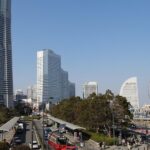
Yokohama is a port city. So instead of starting with a museum right away, this tour begins with the kind of sights that help you understand the place. From the observation deck, you get the big picture view of the harbor and the surrounding Japanese cityscape. It is the kind of perspective that makes the rest of the day click, because you can mentally map where you are.
If the sky is clear, you might catch a distant Mt. Fuji from the observatory. Even if you do not, the view of the port and the layered city blocks still gives you that rare “I get it now” feeling you want on a first visit. I also like that the experience does not pretend every day will be perfect. It leaves room for good weather to be a bonus, not a requirement.
You can also read our reviews of more museum experiences in Yokohama
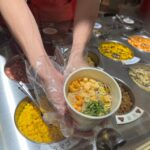
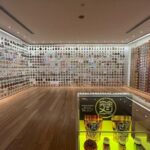
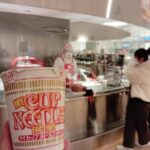
Starting at CIAL Sakuragicho near Sakuragicho Station
Your meet-up is at CIAL Sakuragicho, in front of the south gate at Sakuragicho Station Tourist Information Center. The staff there hold a tour sign, so it is built for people who want to get started without confusion.
Plan to show up a bit early. This tour is a walking route, and the better your shoes are, the smoother your day feels. I always tell people to treat the first 10 minutes like they matter, because on public transit days, small delays can snowball fast.
You will also get a message via WhatsApp the day before. That matters more than people think, since it helps you confirm the plan without guessing. It also signals you are not on your own in the shuffle.
Observation deck time: what you can expect to see
This is not a quick photo stop. You get real time with the skyline and the harbor view from the observatory. That is important, because the value of an observation deck is how the city reads when you look slowly.
Here is what the tour specifically points you toward:
- Panoramic views of the port city charm
- On clear days, a chance to see Mt. Fuji
- Views that can include wider Tokyo-area landmarks, including Tokyo Sky Tree
Even if you do not see Fuji, you still get something worthwhile: the rhythm of Yokohama as a working port city, with modern buildings and coastal energy. That is exactly why pairing this with food culture works. After the view, food stops feel grounded in place.
Lunch at a local restaurant with seasonal ingredients
Next comes lunch at a restaurant selected for quality, and the focus is on seasonal ingredients. In Japan, “seasonal” is not just a marketing word. It often shows up in how flavors feel lighter or more warming depending on the time of year.
The tour format also tends to keep lunch feeling social and easy. In the group meals I’ve seen on similar food tours, the best part is that everyone can relax after walking. That matches the tone here: you get a proper meal, not a rushed bite.
Diet notes you should take seriously:
- This tour is not suitable for vegetarians.
- Halal food will not be served.
So if you eat very restrictively, this is one of those tours where you should think twice. If your group can eat standard Japanese meals, lunch becomes a highlight instead of a compromise.
Also plan your timing with the day’s flow. You are going from views to food to the museum, so you will likely want a lunch that fills you up without dragging. Seasonal Japanese menus usually hit that balance well.
Cup Noodles Museum: history, process, and noodles worldwide
This is the centerpiece. The Cup Noodles Museum is where you trade city panoramas for a food story that is distinctly Japanese, yet surprisingly global.
What you do there matters:
- Learn about the history of instant ramen, from its inception to today
- See the ramen-making process
- Explore how ramen culture connects to the wider world
The practical value here is that you come away with context. You stop thinking of instant ramen as just a pantry emergency snack. You see how a simple idea became a global habit, and how Japanese innovation shaped taste expectations around the world.
Another plus: the tour ends at the museum entrance, and you can explore at your own pace. That is a smart design. Some people want to read everything. Some just want the key exhibits and then photos. You control your time inside once the guide drops you off.
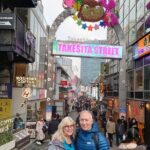

Using the self-guided time well inside the museum
Because the guided portion stops at the entrance, you have flexibility. I like using this kind of free window strategically, not randomly.
A simple approach:
- First, do the exhibits that explain the origin and evolution of instant ramen. That gives you a framework.
- Then focus on the process areas and any interactive parts related to ramen-making.
- Finally, slow down for the sections about global ramen culture, since those often have more “take it in” moments.
If you are traveling with someone who loves food history, this pacing helps. If you just want the fun factor, you can skip the longest reading corners and still get the main story.
And since the tour includes museum entrance fees, you are not juggling money or ticket counters on the spot. You just walk in and go.
Guide style matters, and this tour has that covered
The real engine of a tour is the person leading it. Here, the guide support is a big part of the value, and it shows up in the details you care about.
You are working with Nurse guide japan, and the tour runs in English and Japanese. That language support matters because food culture is full of small phrases, names, and cues, and you will miss less when you can ask questions.
In particular, one guide name you may hear is Mizue. The way this tour is set up supports proactive communication, including answering questions in advance by message. On the day, the guide also helps you move through the route smoothly, so you are not left figuring out what to do next.
That calm guidance can also lead to extra local value, like pointing out surrounding areas worth exploring near where you eat and visit. For people who do not want a rigid script, that flexible “make it easier” role is exactly what you want.
Price and value: what $91 covers (and why it can be fair)
At $91 per person, you are paying for more than a museum ticket. Your cost includes:
- Local guide
- Walking tours
- Lunch
- Museum entrance fees
Then there are items not included:
- Drinks
- Gratuity
So the question becomes: is it worth it compared to doing this solo? For many visitors, the value is in the friction reduction. You are getting a guide for the route, a scheduled lunch stop, and paid entry into the museum. Add the observation deck experience, and the day becomes a packaged itinerary that saves you time and guessing.
If you are the kind of traveler who enjoys planning, you can recreate bits of it on your own. But if you want a day that runs cleanly, this price can feel reasonable because it covers the “named time blocks” that often cost you the most effort to coordinate.
Also, because the tour includes lunch with seasonal ingredients, you avoid the common trap of buying separate meals that end up being more expensive than expected.
Who should book, and who should skip
This tour is a strong fit if you:
- Want a walking-style Yokohama introduction without deep planning
- Care about food context, not just eating
- Want harbor and skyline views plus a museum that teaches you something
- Prefer a mix of guided time and self-paced exploration inside the museum
You might want to skip if you:
- Need vegetarian options. This tour is not suitable for vegetarians.
- Need halal food. Halal food will not be served.
- Hate walking at all. Comfortable shoes are required, and this is a walking tour.
If your group fits the diet requirements, the combination of view plus food culture plus instant ramen history is a fun, very Yokohama way to spend a day.
Should you book the Yokohama Cup Noodles Museum, Observation Deck, and Lunch Tour?
Book it if you want your day to feel like two things at once: a real sense of Yokohama’s harbor city energy and a memorable food story you can actually talk about afterward. The seasonal lunch and the museum learning make it more than a one-off stop, and the guide support helps the whole flow stay easy.
I would hold off if your party has strict dietary needs, since vegetarian and halal meals are not part of the plan. And if you are traveling for the view alone, remember Fuji is weather-dependent, so think of Mt. Fuji as a bonus, not the main promise.
If you do fit the diet profile, this is the kind of tour that leaves you full, a little smarter about ramen culture, and with photos that make the port city look like the star of the show.
FAQ
Where is the tour meeting point?
You start at CIAL Sakuragicho, in front of the south gate at Sakuragicho Station Tourist Information Center. It is the location holding a tour sign.
What time does the tour start and where does it end?
The provided information gives the start location (Sakuragicho Station Tourist Information Center) and notes that the tour ends at the Cup Noodles Museum entrance so you can explore there at your own pace.
Is lunch included?
Yes. Lunch is included, and it is described as being made with seasonal ingredients at a selected local restaurant.
What attractions are included besides the museum?
You also visit an observation deck for harbor and city views. On clear days, you can sometimes see Mt. Fuji and other landmarks.
Is the Cup Noodles Museum entrance fee included?
Yes. Museum entrance fees are included.
What is not included in the price?
Drinks and gratuity are not included.
Is the tour suitable for vegetarians or halal diets?
No. The tour is not suitable for vegetarians, and halal food will not be served.
What should I bring?
Bring comfortable shoes since this is a walking tour.
How do I get tour updates before the day?
The tour contacts you via WhatsApp the day before.
What languages is the tour offered in?
The tour is offered in English and Japanese.
More Museum Experiences in Yokohama
More Tours in Yokohama


More Tour Reviews in Yokohama

Not for you? Here's more nearby things to do in Yokohama we have reviewed
Lunch Experiences, side by side.
 ★ 4.5Mt.Fuji & Lake Kawaguchiko 1-Day Bus Tour w/Optional LunchFrom $77839 reviews
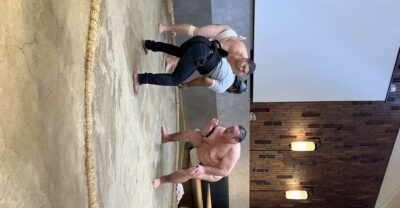 ★ 4.8Sumo Experience and Chanko Nabe LunchFrom $95257 reviews
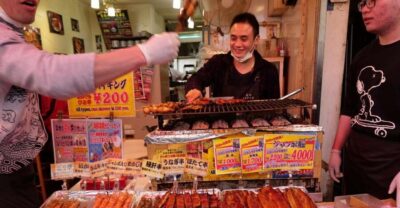 ★ 4.5Tsukiji Fish Market Tour with 6 Stops & Seafood LunchFrom $94165 reviews
 ★ 4.61 Day Bus Tour with Meiji-Jingu,Odaiba,lunch&SkytreeFrom $83156 reviews
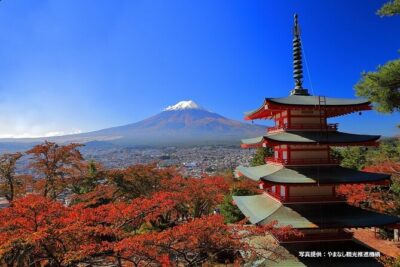 ★ 5.0Mt. Fuji, Oishi Park & Arakurayama Pagoda Bus Tour with LunchFrom $99128 reviews
 ★ 4.5Nagano Snow Monkey 1 Day Tour with Beef Sukiyaki Lunch from TokyoFrom $151123 reviews
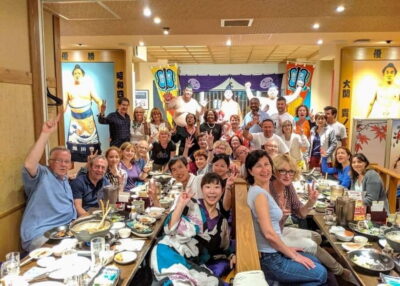 ★ 4.9Family Sumo Workshop & Live Wrestling Show with LunchFrom $6099 reviews
 ★ 3.9From Tokyo: Nikko Toshogu Day tour with Traditional LunchFrom $9072 reviews
This tour also belongs to