
Review · TOKYO SUMO EXPERIENCES
Tokyo: Sumo Experience and Chanko Nabe Lunch
Sumo lessons end with a hot pot. You get the sport’s meaning and rituals made clear in English by former pro wrestlers, then you meet them up close for a playful bout before lunch.
I love two things most: the English explanations that help sumo click fast, and the fact that you eat chanko nabe made with the wrestlers themselves.
The only real consideration is timing and participation, the session starts on time at 1:00 PM, and some people may be asked to volunteer for a costume or demo role.
Key things that make this experience worth your time
- Former pro wrestlers teach in English, so you are not stuck guessing what you are seeing.
- Playful audience sparring, you get to try the moves in a controlled, fun way.
- Chanko nabe lunch is part of the show, prepared with the wrestlers at the center of it.
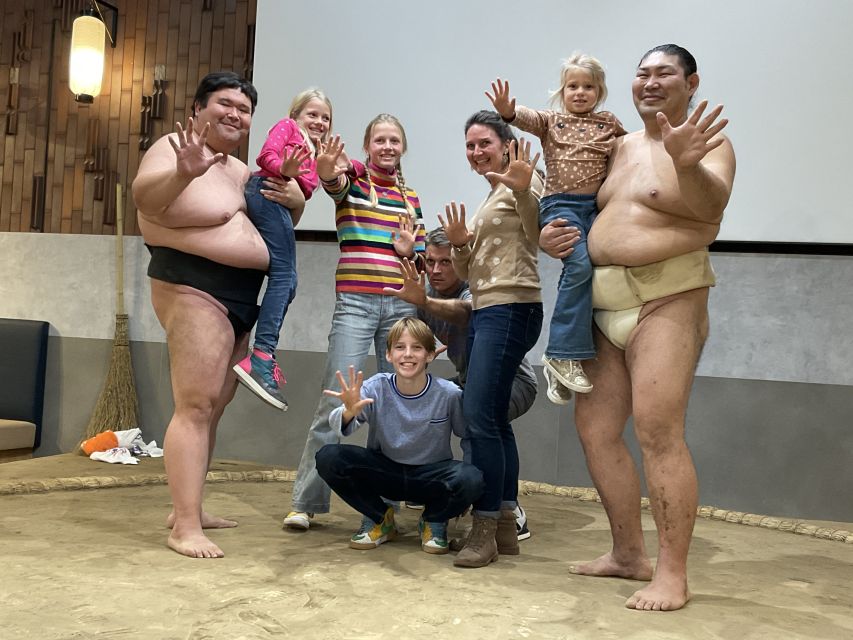
- Small group size (max 6) means you actually connect, ask questions, and get time for photos.
- Different neighborhoods depending on the day, Asakusa on Mondays, Ryogoku on Thursdays.
- Wheelchair accessible with a format designed for close viewing and participation.
Sumo in 2 hours, with the meaning made clear
Tokyo has plenty of sights. This one works because it turns sumo from a TV mystery into a lived-in sport. Sumo has deep tradition and strong ritual, but for most first-timers the action can feel hard to read. This format fixes that by having former professional wrestlers explain what matters, how the sport is structured, and what the rules and rituals are trying to communicate.
You get an English-led workshop rather than a passive performance. That matters, because sumo is visual and symbolic at the same time. When someone who used to compete is translating the ideas into plain language, the whole spectacle makes more sense.
Two details consistently make the experience feel special. First, the close-up teaching. You are not watching from far away, you are learning from people who know exactly what it takes. Second, the food. Chanko nabe is not an afterthought here. It is part of the day’s logic, and the wrestlers themselves are central to the meal experience.
More Tokyo tours and experiences for the shortlist

Where the workshop runs in Tokyo: Asakusa Mondays, Ryogoku Thursdays
This activity switches locations based on the day:
- Mondays take place in Asakusa
- Thursdays take place in Ryogoku
That is useful when you are building your Tokyo plan, because Asakusa and Ryogoku both fit nicely into a classic sightseeing day. You do not need to reverse-engineer directions either. You receive a voucher with a map to the exact meeting place, so you can find the door without the usual Tokyo guessing game.
If you are planning around transit, also remember that pickup and drop-off are not included. So you will want to arrive under your own steam and allow enough time to get there before the session begins.
The small-group setup that makes it feel real
This is a small group experience, limited to 6 participants. In practice, that small size changes the whole vibe. Instead of being a distant member of a crowd, you get room to watch closely, listen closely, and join in.
It also helps with questions. Even when the main flow is structured, a group this size tends to give you more chances to clarify what you just learned. In interviews and demonstrations like this, those “wait, what does that mean?” moments are the difference between watching and understanding.
If you are traveling with family, this is one of the reasons it works. The format is interactive and not overly formal, which makes it easier for kids to stay engaged while adults still get real explanations. The tone is playful, not stiff.
English instruction that actually helps you watch sumo better
A common problem with sports tours is that the language barrier makes you miss the point. Here, the instruction is in English, and the goal is clarity, not just entertainment.
You can expect the former wrestlers to walk you through:
- the history and why sumo matters in Japan
- the rituals and rules that surround the bouts
- the training and competition aspects of the sport
That sounds broad, but it lands well because sumo has layers. Without a translator, you can easily end up thinking it is just strength and chaos. With explanations from people who lived it, you start spotting the structure behind what looks spontaneous.
You might also meet wrestlers with names like Audrey and Jumbo during the session, since the presenting team can vary. Either way, you are getting English teaching from people who know how to communicate to non-experts.
The playful duel: how you get to participate
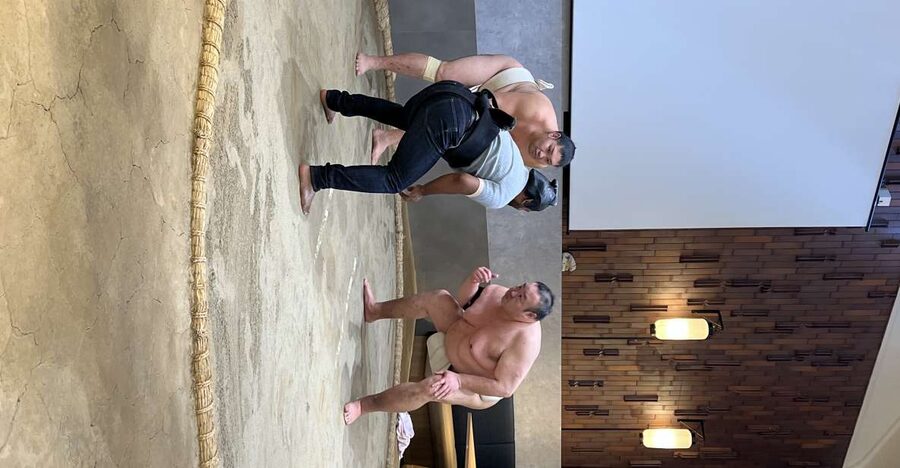
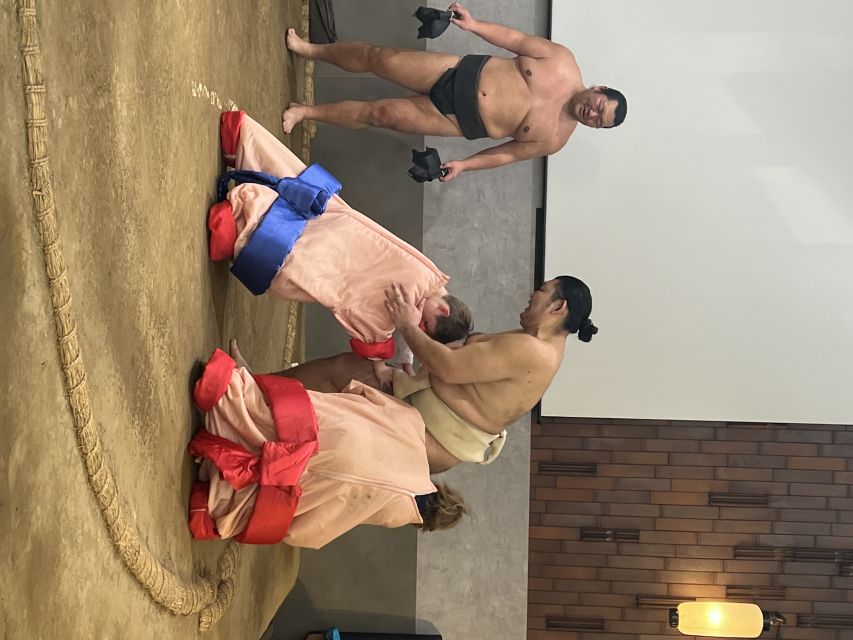
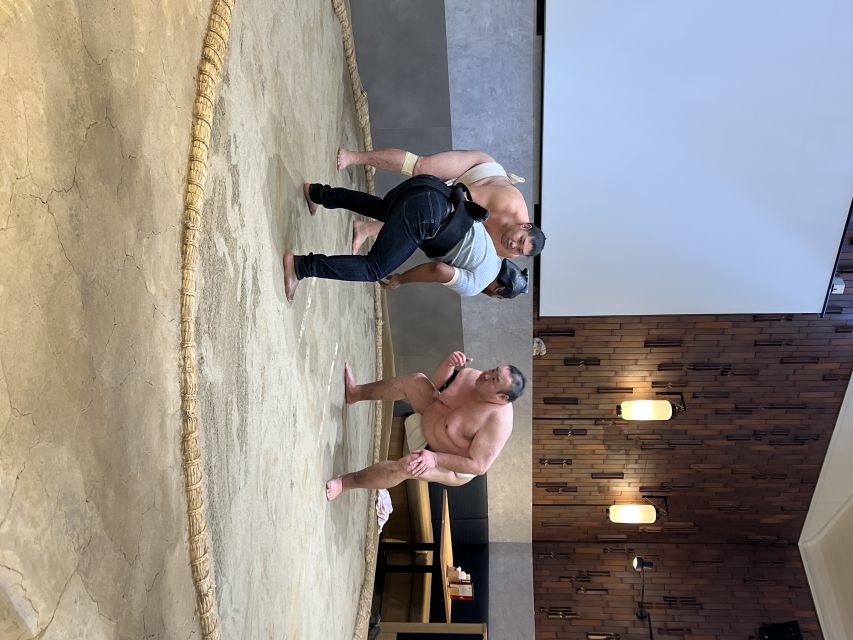
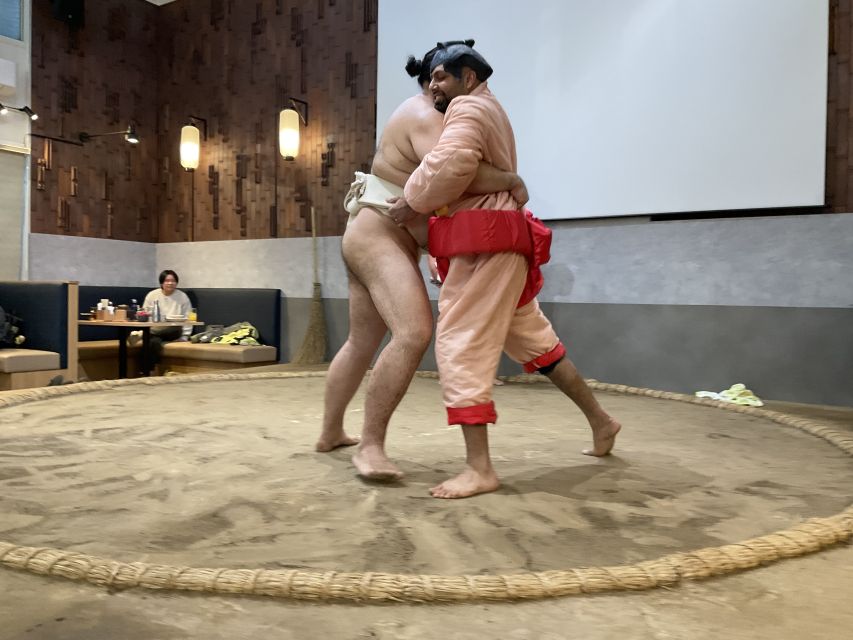
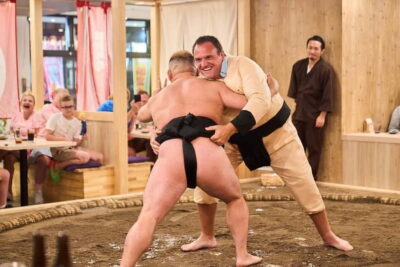
The big hook for many people is simple: you can (playfully) fight sumo wrestlers yourself. That is the part that turns the sport into something you feel in your body.
The demonstration includes audience participation. It is not about being “good” at sumo. It is about experiencing how the sport works, how it feels to get into position, and how quickly strength and technique take over.
A few practical thoughts so you can enjoy it:
- Expect it to be physical, even if the tone is light.
- Go in with comfortable clothes and keep your hands free of bulky items.
- Treat it like a guided tryout, not a contest.
Also note the costume possibility. Some participants may be asked to volunteer to wear a sumo wrestler costume to help with the demonstration. Not everyone gets picked, and it is voluntary, but it is smart to know it can happen.
Photos are another strong part of the experience. There is time for pictures, and because the group is small you tend to get better photo opportunities than at big shows.


Chanko nabe lunch: what you eat and why it fits sumo
Then comes lunch, and it is not random. You enjoy chanko nabe, a Japanese-style hot pot served after the workshop. The wrestlers prepare it, and you get a hands-on feel to the meal experience.
The tour frames chanko nabe as the food associated with stamina and training. That idea makes sense in the context of sumo, because wrestlers train hard and eat with purpose. Here, the point is not a nutrition lecture. It is a chance to taste a dish that belongs to the sport’s everyday world.
What makes the meal especially satisfying is that it is tied directly to what you just learned. You are not leaving the ring and heading to a normal restaurant. You are continuing the theme with food made and explained by the same people who taught you the sport’s rituals.
A couple of things to look forward to:
- The lunch is hearty and served as part of the program, not as an optional add-on.
- The atmosphere is more “event” than “meal,” because you are still in the sumo mindset after the demonstrations.
If you have dietary needs, speak up early. If you need vegetarian or Halal meals, you should note it during reservation or contact the provider by email at least 2 days before the date.
What a typical 2-hour session feels like
The full experience is about 2 hours, and it runs at a fixed start time. The session starts on time at 1:00 PM. You need to arrive before that, and the door opens at 12:40.
That timing matters because the workshop and meal are designed as one continuous flow. If you arrive late, you risk missing the start, and you will feel it later during the demo and lunch.
The usual rhythm goes like this:
- You arrive and get settled for the workshop portion.
- Former wrestlers explain sumo’s story, rituals, and rules in English.
- You watch a demonstration and then get a chance to join in a playful bout.
- You head into lunch, where chanko nabe is served as part of the experience.
Because the group is limited to 6, you are not competing with dozens of other people for attention. You can actually stay present through all phases.
Price and value: what you get for $95
At $95 per person, you are paying for more than a show. You are paying for:
- English instruction from former pro wrestlers
- the interactive demonstration and participation
- lunch included (the chanko nabe)
In Tokyo, you can spend similar money on a one-time performance. This is different. Here, the price buys you time, learning, and participation. Two hours is long enough to teach and then let you do something with that knowledge.
The included lunch is also part of the value equation. You are not adding a separate meal reservation afterward. You leave with both the story and the taste, and the meal feels connected to the sport rather than generic.
So if your trip style is “do something I can’t do at home,” this price makes more sense. It is not just watching sumo. It is meeting the people and understanding the culture behind it.
Who should book this sumo workshop (and who might skip it)
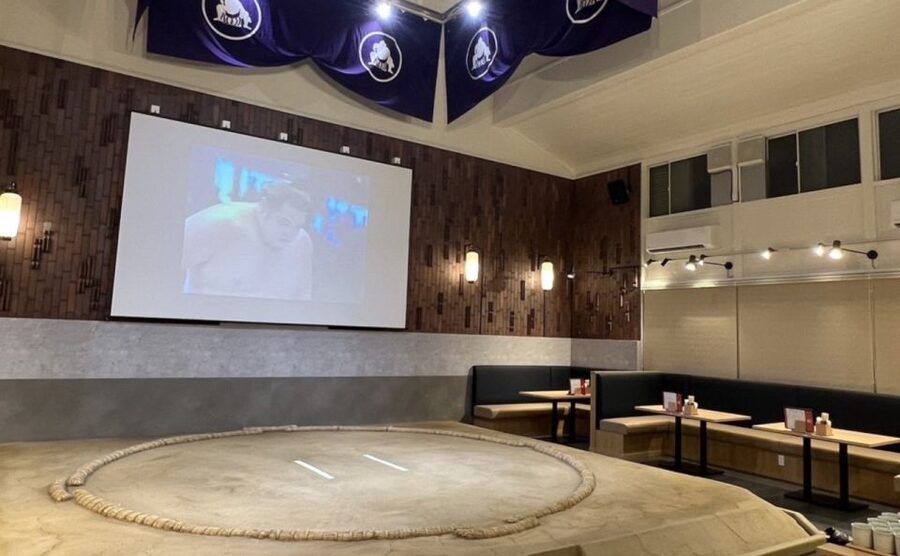
This experience is a strong fit if you:
- are new to sumo and want the rituals and rules explained in plain English
- want something interactive, not just a museum-style presentation
- like food experiences that connect to local culture
- travel in a small group and value personal attention
It also works well for families, since the format is playful and engaging for kids, with wrestlers friendly and attentive during participation. If you are bringing young travelers, it can be a fun day where everyone gets a turn and a laugh.
You might skip it if:
- you dislike anything physical, even if it is playful and guided
- you want a self-paced experience with no set start time
- you are looking only for watching professional bouts, since this is a workshop and demonstration format
Practical tips so you enjoy it from minute one
A few details will help you have a smoother visit.
Arrive early. The session begins at 1:00 PM, with doors opening around 12:40. Build in buffer time, especially if you are navigating to the exact meeting point using the voucher map.
Plan your timing around your lunch hunger. Since lunch is included and tied to the program, you do not want to arrive starving or too stuffed from a big snack. A light meal earlier in the day keeps you comfortable when the hot pot arrives.
Tell them about dietary needs in advance. If vegetarian or Halal is required, note it during booking or contact them at least 2 days before.
Be ready for participation. You will have the chance to join the interactive part. Even if you do not take it too seriously, your body will feel it. Go in relaxed and ready to laugh.
If you want photos, plan for them. There is time for pictures, and the small group setup makes it easier to get a good shot without chaos.
Should you book this Tokyo sumo experience?
I think it is worth booking if you want a hands-on introduction to sumo that goes beyond watching clips and hoping you understand the rules. The biggest wins are the English explanations that make the sport legible, and the fact that lunch is built into the experience through wrestlers-made chanko nabe.
Book it if your ideal Tokyo day includes a small-group cultural lesson, a playful interactive moment, and a filling meal that feels tied to the tradition. If that sounds like your style, $95 for 2 hours is a fair deal, especially with participation included.
If you hate fixed schedules or you would rather spend your limited time watching actual professional matches, then you may want to put your money toward sumo events instead. But if you are a first-timer, this is one of the most efficient ways to get the story and the flavor in one go.
FAQ
How long is the sumo experience and chanko nabe lunch?
It runs for about 2 hours.
What time does it start?
The activity starts on time at 1:00 PM, and you need to arrive before then. The door opens at 12:40.
Where does it take place in Tokyo?
On Mondays, it takes place in Asakusa. On Thursdays, it takes place in Ryogoku. You receive a voucher with a map to the exact meeting place.
Is the instruction available in English?
Yes, the instructor provides explanations in English.
How big are the groups?
It is a small group limited to 6 participants.
Is lunch included?
Yes. Lunch is included, and it is chanko nabe prepared as part of the experience.
Are pickup and drop-off included?
No. Pickup and drop-off are not included.
Can I request a vegetarian or Halal meal?
Yes. If vegetarian or Halal meals are necessary, note it in your reservation or contact by email at least 2 days before the participation date.
Is the activity wheelchair accessible?
Yes, it is wheelchair accessible.
More Lunch Experiences in Tokyo


More Tour Reviews in Tokyo
Not for you? Here's more nearby things to do in Tokyo we have reviewed




Tokyo Sumo Experiences, side by side.
 ★ 4.8Sumo Show and Dining ExperienceFrom $792,742 reviews
 ★ 5.0the SUMO showFrom $891,960 reviews
 ★ 5.0Tokyo Shinjuku Sumo Show & Experience with PhotoFrom $791,750 reviews
 ★ 4.8Sumo Show and Experience in ShinjukuFrom $691,001 reviews
 ★ 4.7Luxury Sumo Show Experience & Japanese cuisine & DrinkFrom $103577 reviews
 ★ 4.8Sumo Morning Practice Viewing TourFrom $81570 reviews
 ★ 4.8Tokyo Sumo Experience: Chanko & Mochi with a Former ProFrom $103567 reviews
 ★ 5.0Ultimate Sumo Tournament: Tokyo, Osaka, Nagoya, FukuokaFrom $184468 reviews
This tour also belongs to