
Review · TOKYO SUMO EXPERIENCES
Tokyo: Family Sumo Workshop & Live Wrestling Show with Lunch
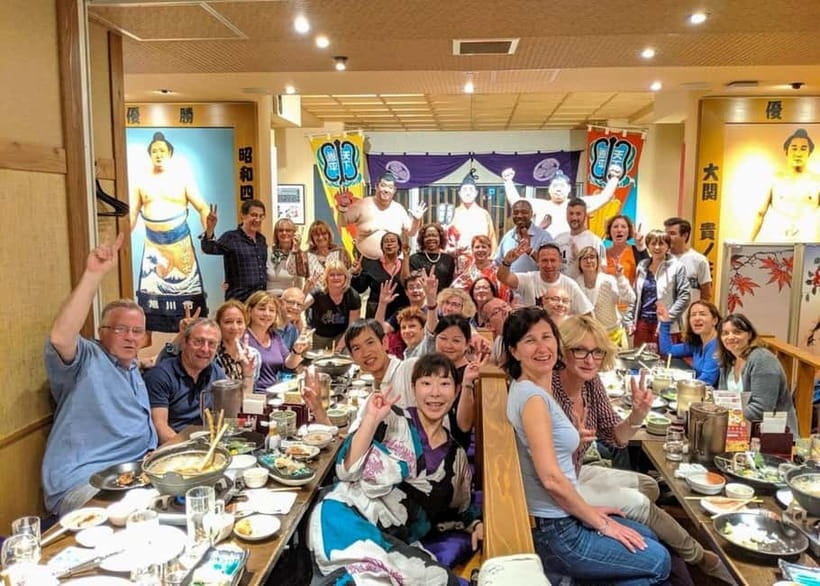
Sumo training feels like stepping into a movie. In Ryogoku, I like that you get real ring access and hands on coaching, not just a sit and watch show. I also love the lunch, a mini chanko hotpot that is filling and can be vegan or allergy friendly when requested. The only real drawback is that participation is optional, but anyone who wants to challenge needs to be in good health, and shoes come off once you’re on the dohyo.
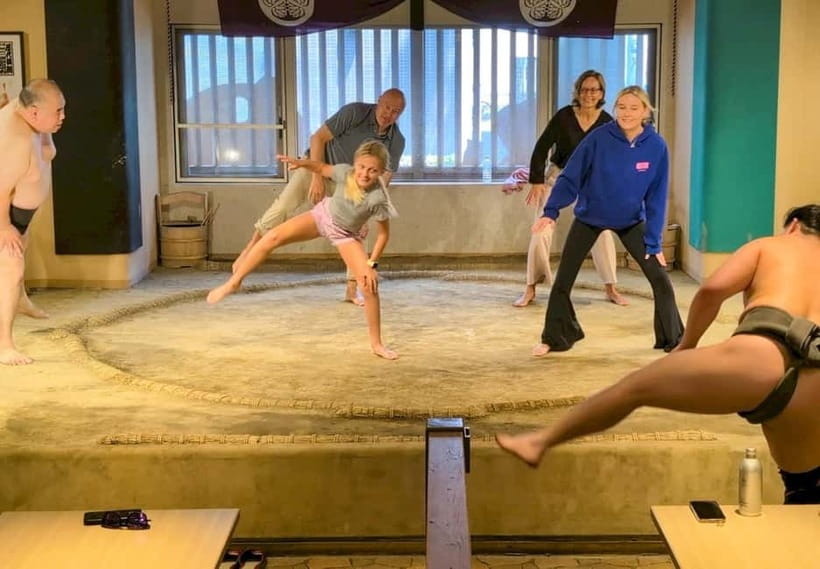
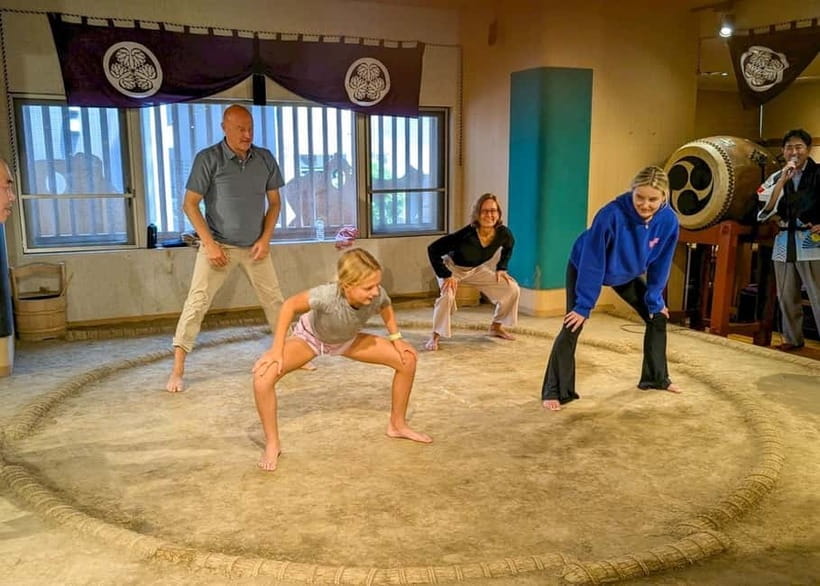
What makes this work for families is the mix of tradition and play. You get to learn basics like shiko leg stomps, teppo slaps, and suri ashi footwork, guided by former wrestlers in an intimate setting. In recent sessions, English hosts such as Alyssa or Rio have helped keep the pace moving, and you may also meet wrestlers named Kai, Ede, George, Eden, Ko, Yuto, or Nozomi, depending on the group.
One more heads up before you plan your morning: if you need strict halal, they do not claim official Halal certification, and they cannot guarantee no cross contamination. Also, if you are the type who hates changing shoes or being on the floor, you may prefer a more standard sumo match ticket instead.
Key Sumo Moments You Should Know About
- Ryogoku dohyo access with former professional wrestlers up close
- Optional training drills like shiko, teppo, and suri ashi, plus audience challenges
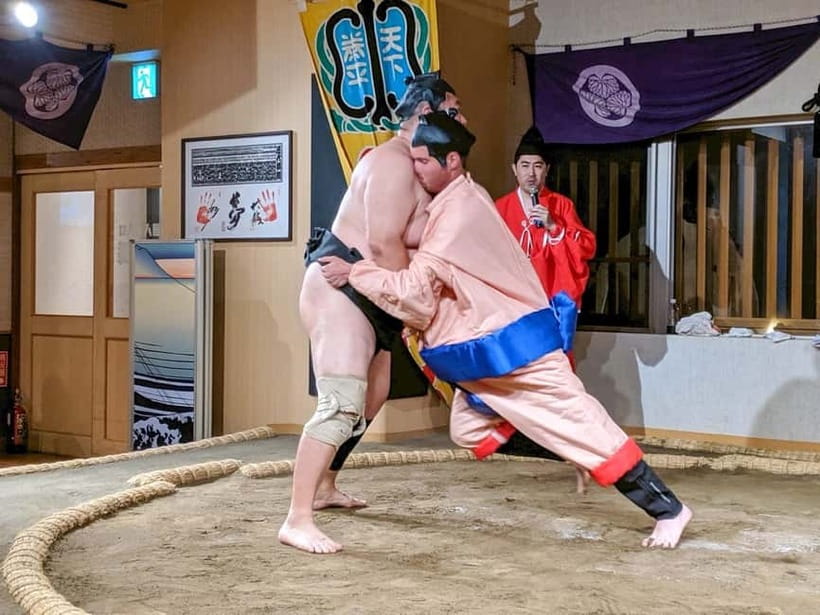
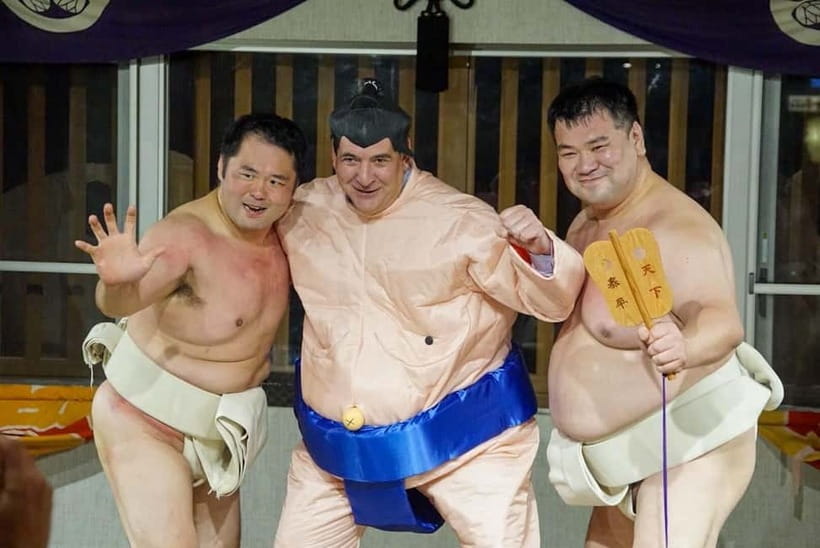
- A padded suit challenge moment that feels big, but stays safe and fun
- Mini chanko nabe lunch designed to be shared as a family meal
- Free photo time to capture you with the wrestlers using your own phone or camera
Ryogoku Ring Time, Up Close with Former Pros
Ryogoku is where sumo lives in daily life, not just on game day. The venue is intentionally small, so you feel the weight of the sport without the distance you get at stadium events. When you step into the ring area, the clay dohyo looks simple. It is not. That surface and the way wrestlers move on it make you instantly understand why sumo is more than brute strength.
This workshop also gives you access to the action right away. You are guided in by an MC, and you get bilingual support (EN/JP commentary), which matters if your family is trying to follow along with the meaning behind the rituals. The MC explains why wrestlers do things like the salt toss and shiko stomps, and you learn how those moves connect to tradition and the sport’s mindset.
I like that you are not left on your own in the background. Even if you stay seated, the atmosphere is structured so you know what you are seeing and why it matters. That turns the whole morning into a story you can follow, not just a show you passively consume.
More Tokyo tours and experiences for the shortlist

The Drill Lesson: Shiko, Teppo, and Suri As hi Basics
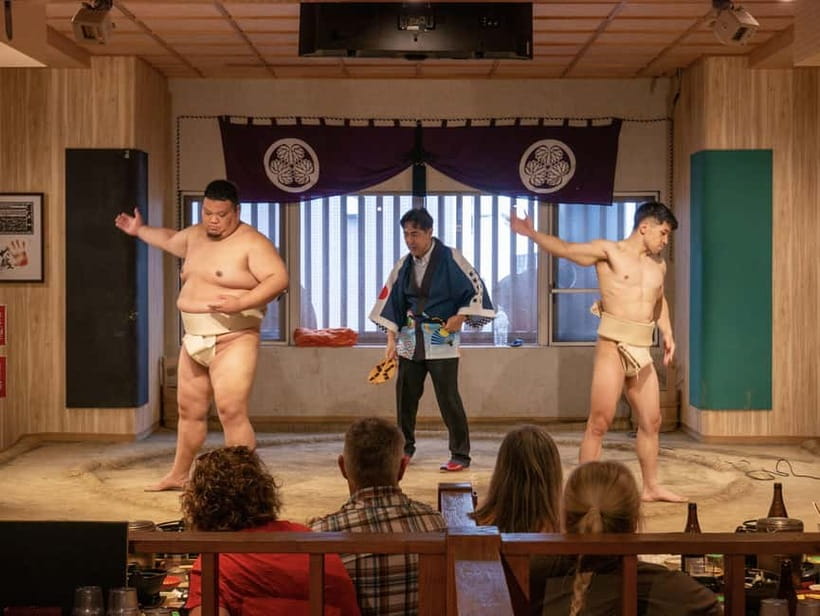
The best part of this experience is that it teaches you sumo as skills, not just spectacle. In the ring, you get coached on three core basics:
- Shiko (the leg stomp). You learn the timing and how it feels through your whole body, not just your legs.
- Teppo (the striking practice). You get a sense of how impact is delivered with control.
- Suri ashi (sliding footwork). This is the one that surprises people, because it looks simple until you try to stay balanced and move on cue.
These drills are not meant to make you a wrestler. They are meant to help you understand why sumo works. When you try footwork and stance changes, the sport stops being a blur of wrestling and becomes a physical language.
Timing also helps. The ring segment is about 60 minutes, so you get instruction, watch a demonstration, then try something yourself without burning your whole morning. Spectators can remain seated and film, so kids who get wiggly can still enjoy it without feeling pressured.
Practical tip: wear loose sportswear and plan for ring rules. Once you are in, shoes come off, and you will be on the floor area. That is normal here, so treat it like part of the culture, not a hassle.
Live Exhibition, Then You Might Challenge the Pros
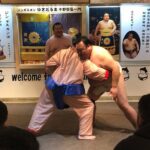
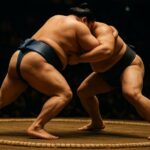
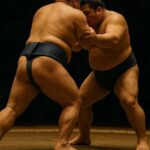
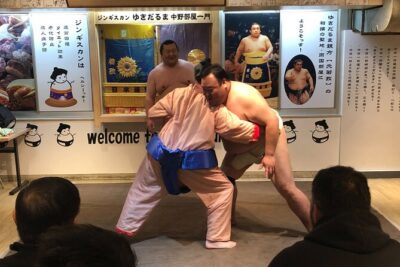
After the basics, you watch a full speed exhibition match style moment. You see the momentum and the collisions people talk about. You also hear how the coaches explain what you are looking for, including the hidden meanings behind key rituals and how the wrestlers warm up and present themselves.
Then comes the part that turns a good workshop into a core memory: volunteers can challenge in the ring. There is guidance, and the training includes challenge equipment like a padded suit so participants can take part in a way that stays safe and funny. You can also choose to stay with spectatorship, which is a relief if you are traveling with kids or grandparents.
One specific detail worth knowing: the event includes the chance to challenge someone who can weigh around 160 kg. That does not mean you will suddenly win a wrestling contract. It means you get the real feel of scale and power while still doing it in a supervised, family friendly way.
Also, parents may film and join in depending on how the session is run. The vibe is playful, not intimidating. I saw how families in particular enjoy this part because you get laughs while still learning actual sport technique.
Mini Chanko Nabe Lunch That Actually Fills You Up
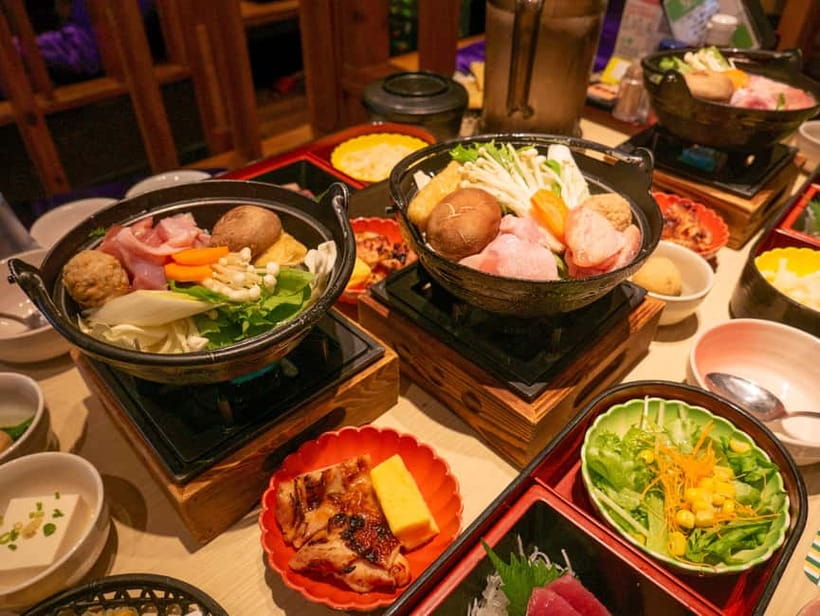
Sumo bodies run on food discipline, and lunch is where the workshop explains that in a way you can taste. You get a mini chanko nabe hotpot meal after the ring time. It is hearty, warm, and built for sharing. Expect a steaming bowl with protein rich elements plus vegetables.
The MC or host also explains why chanko is central to a wrestler’s routine. You are not just told it is traditional. You are shown how it supports strength and training needs, so your lunch feels like the rest of the lesson, not a random stop for food.
Food options are also a big plus. On request made at least 48 hours ahead, they can provide vegan, vegetarian, and allergy friendly options. That means families with different needs can still eat together without splitting up into separate plans.
Halal note, important for planning: they do not have official Halal certification. They can ensure no pork and no alcohol are used, but they cannot guarantee cross contamination avoidance. If your requirement is strict enough that cross contamination would be an issue, you may need to plan another meal.
Allergy and diet planning tip: send your request early, and keep it specific. If you have multiple allergies, make sure they understand the full list so the kitchen can handle it.
Photo Time and Questions That Make It Feel Personal
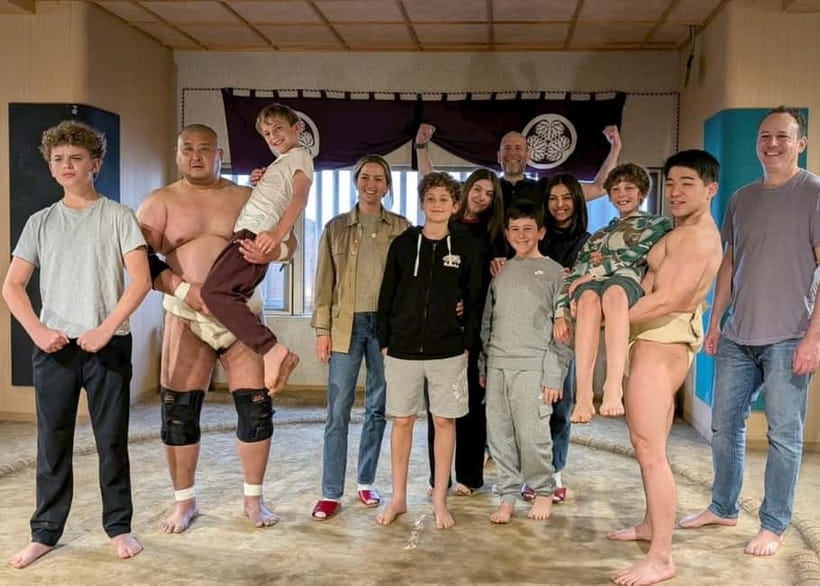
One of the small touches that you will feel during the day is how the session builds interaction. You get a dedicated free photo time with the wrestlers. You use your own phone or camera, so you are not waiting in line for someone else’s schedule.
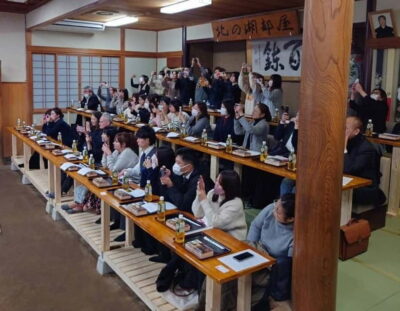
You also get a chance to ask questions, which turns sumo from a sport you admire into something you understand. People often leave with practical answers about training rhythms, rules, and what is safe and allowed. That Q and A energy is especially useful for kids, because they can ask their normal questions like why the stomp matters or what the ring rules feel like.
If you want photos, bring a charged phone and keep it accessible during the ring segment so you are ready for the photo window. The timing matters.
More Tokyo tours and experiences for the shortlist

Price and What You Really Get for $60
At $60 per person for about 105 minutes, this is one of those Tokyo activities that feels fair because it includes more than entertainment. You get:
- Admission and ring access
- Former professional wrestlers with bilingual commentary (EN/JP)
- Interactive training components and audience challenge equipment
- A mini chanko lunch with diet options
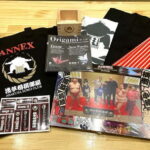
- Free photo time
A typical sumo themed experience can be mostly watching, sometimes with limited participation, and often without a full meal that fits family needs. Here, your money supports both the instruction and the lunch, so you do not have to figure out where everyone eats afterward.
Is it a bargain? It is priced like a premium workshop. The reason it still feels like good value is that you leave with physical understanding, photos, and a full meal. For families, the combination of participation and food tends to beat the cost of splitting up into separate attractions.
Who Should Book This Sumo Workshop in Tokyo
This fits best if you want something hands on in the middle of Tokyo sightseeing. It is great for:
- Families with kids who want action, not just screens and seats
- Travelers who learn best by doing, even if you are bad at the footwork at first
- Groups who want a shared laugh moment plus a real explanation of the sport
- Solo travelers too, because the group setup is friendly and participation is optional
It also helps if you are curious about sumo culture beyond the match. The MC takes time to explain what you are seeing, from the ritual gestures to how the drills connect to the sport.
A couple of fit considerations:
- Loose sportswear helps. Shoes are removed on the ring, so plan for that.
- Anyone who volunteers to challenge should be in good health.
- Kids have special meal rules. Children under 5 are not provided meals under the child rate, and you should book under 5 at the adult rate if they require meals. Children aged 6 and older cannot be booked at the child rate.
If your top priority is a traditional tournament day inside a stadium, then this workshop is not that. It is a training and exhibition format. If your goal is to experience sumo in a short, family sized package, it is exactly the point.
Should You Book This Tokyo Sumo Workshop and Live Wrestling Show?
Book it if you want the full Ryogoku experience in one morning, with ring access, real instruction, and chanko lunch that keeps everyone fed. It is especially worth it when you travel with kids, because the session is interactive, upbeat, and built so you can watch, participate, or mix both.
Skip it or plan carefully if halal compliance needs cross contamination guarantees, because they do not have official Halal certification and cannot promise zero cross contamination. Also think twice if you do not want to remove shoes and get on the floor area.
If you have any doubt about whether the event will run, note that it may not be held if the minimum number of participants is not met. If it is a must do for your trip, choosing a private reservation option can reduce that stress.
In the end, this is not sumo as a distant spectacle. It is sumo as an experience you can feel in your feet, your posture, and your stomach after a hot bowl of chanko.
FAQ
How long is the sumo workshop and show?
It runs for about 105 minutes total.
Is there time to watch, or do I have to participate in drills?
You can choose. Ring drills are optional, and spectators may remain seated and film. If you volunteer to challenge, you will be guided and supported.
What is included with the ticket?
Admission includes ring access, former professional wrestlers with EN/JP commentary, interactive training and audience challenge equipment, a mini chanko hotpot lunch, and a free photo time with the wrestlers using your own devices.
Can you accommodate vegan or allergy needs?
Yes, vegan and allergy friendly options are available when you advise your needs at least 48 hours in advance. Options are also available for vegetarian and halal requests, with the notes below for halal handling.
Is it halal certified?
They do not have official Halal certification. They can ensure no pork and no alcohol are used, but they cannot guarantee strict avoidance of cross contamination.
What should I wear or bring?
Wear loose sportswear. Shoes are removed on the ring, and you will be on the floor area.
Where do we meet?
You meet in front of the face in hole photo board at the shop. Your guide will be the person holding a smartphone displaying AlvaJapan.
Is the activity wheelchair accessible?
Yes, it is listed as wheelchair accessible.
What are the child meal rules?
Children under 5 are not provided with meals under the child rate. If a child under 5 needs a meal, you should book them at the adult rate. Children aged 6 and older cannot be booked at the child rate.
More Shows & Entertainment in Tokyo


More Lunch Experiences in Tokyo



More Tour Reviews in Tokyo





Not for you? Here's more nearby things to do in Tokyo we have reviewed












Tokyo Sumo Experiences, side by side.
 ★ 4.8Sumo Show and Dining ExperienceFrom $792,742 reviews
 ★ 5.0the SUMO showFrom $891,960 reviews
 ★ 5.0Tokyo Shinjuku Sumo Show & Experience with PhotoFrom $791,750 reviews
 ★ 4.8Sumo Show and Experience in ShinjukuFrom $691,001 reviews
 ★ 4.7Luxury Sumo Show Experience & Japanese cuisine & DrinkFrom $103577 reviews
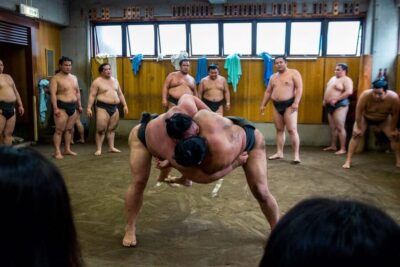 ★ 4.8Sumo Morning Practice Viewing TourFrom $81570 reviews
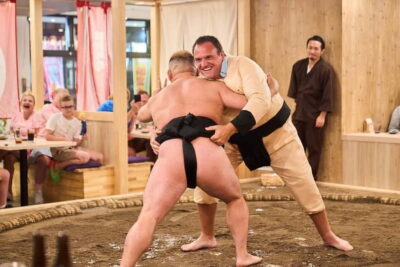 ★ 4.8Tokyo Sumo Experience: Chanko & Mochi with a Former ProFrom $103567 reviews
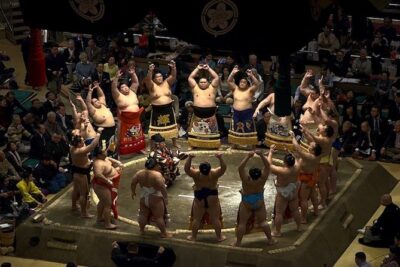 ★ 5.0Ultimate Sumo Tournament: Tokyo, Osaka, Nagoya, FukuokaFrom $184468 reviews
This tour also belongs to