
Review · MOUNT FUJI TOURS
Mt. Fuji & Lake Kawaguchiko Ropeway Panorama Full-Day Tour
Fuji day trips are a gamble, but fun. This full-day Kawaguchiko plan stacks the best photo points around the Kachikachi Ropeway and a hands-on matcha experience by the lake.
You’ll also get a classic Mt. Fuji-at-the-feet payoff at Oshino Hakkai and a super-specific Fuji photo stop at the famous Lawson in town. The main drawback is simple: it’s fast, and Mt. Fuji visibility depends on weather, so go with flexible expectations.
Key points worth knowing before you go
- Kachikachi Ropeway brings 360-degree views from the observatory at 1,075 meters, with whimsical station decor
- Matcha by Lake Kawaguchiko is hands-on, guided by a local instructor who shares Ichigo Ichie
- The Mt. Fuji-facing Lawson stop is a photo mission, and the street can get crowded
- Oshino Hakkai’s eight spring ponds have crystal-clear water fed by Fuji snowmelt through lava rock
- Round-trip coach from central Tokyo keeps the planning stress low, even if it makes the day long
- Shared group pacing plus a multilingual guide helps you hit the key viewpoints without navigating alone
Fuji, but with better angles: why Kawaguchiko works
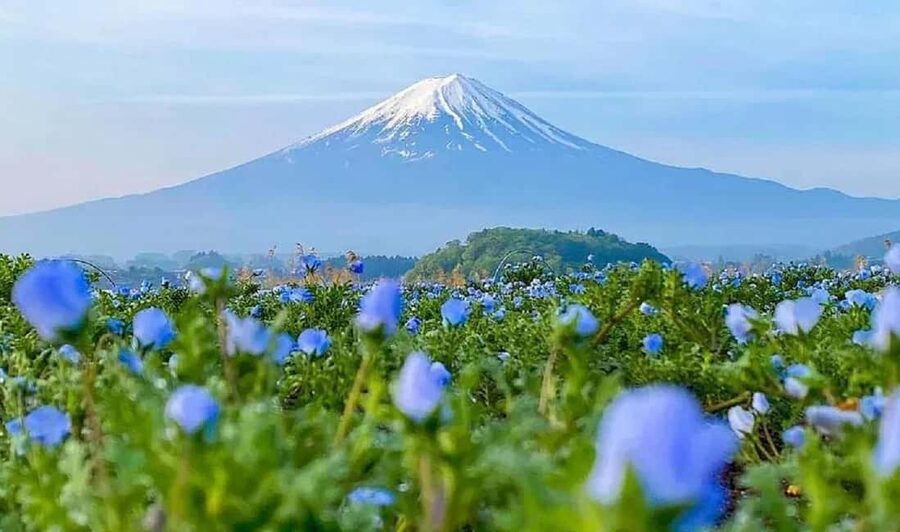
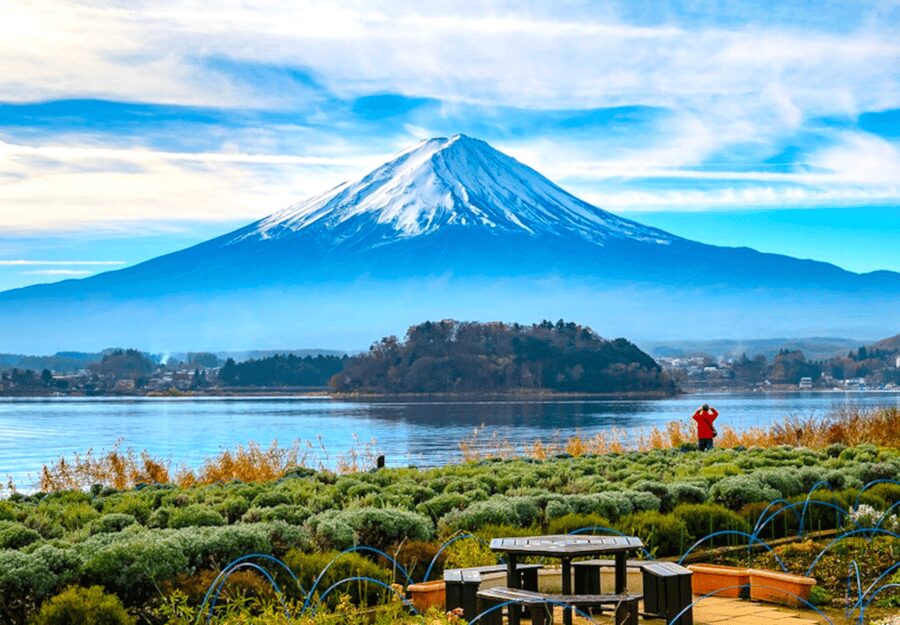
Kawaguchiko is one of the easiest bases for first-time Mt. Fuji viewing, and the tour leans into that. Instead of just “seeing a peak from far away,” you get multiple chances to catch Fuji framed by water, viewpoints, and the foot-of-the-mountain spring ponds. It’s the difference between staring at a postcard and actually understanding the scenery.
I like that the day is structured around views, not just checkboxes. You start with the higher vantage point, then move down toward the lake, and finish with the calmer pond area. That flow matters because Fuji visibility can change fast, and the lighting gets better as the day goes on.
This tour is also built to reduce friction. You get air-conditioned bus transport from central Tokyo, a multilingual guide, and planned stops for photos. If you’re trying to fit Fuji into a Tokyo trip without renting a car or figuring out multiple local connections, it’s a practical way to buy time.
The one tradeoff is that you’re not doing this at a leisurely pace. It’s a full day, with short windows at each spot, so you’ll want to move with the group and have your camera ready.
More Tokyo tours and experiences for the shortlist
Kachikachi Ropeway: the “wow” moment, and the plan if it’s not running
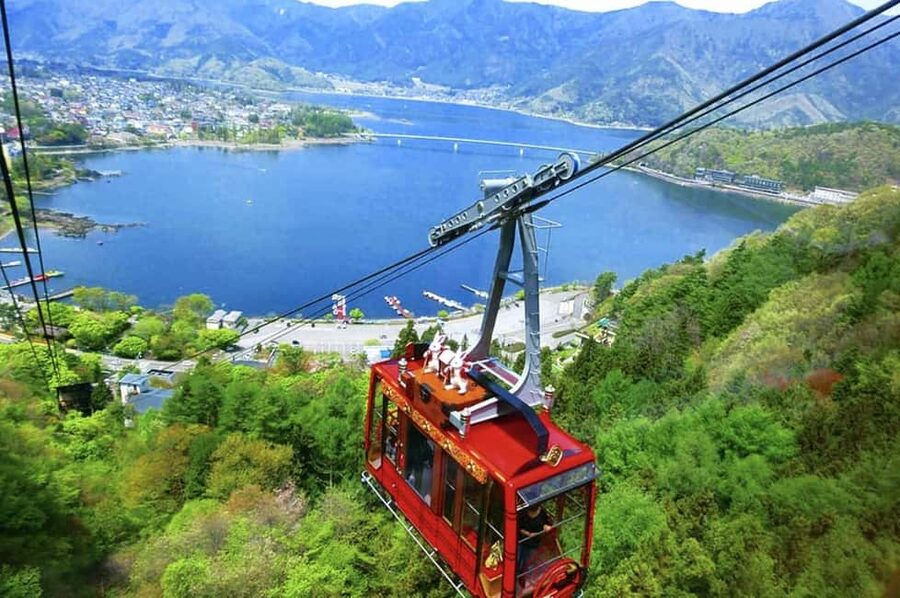
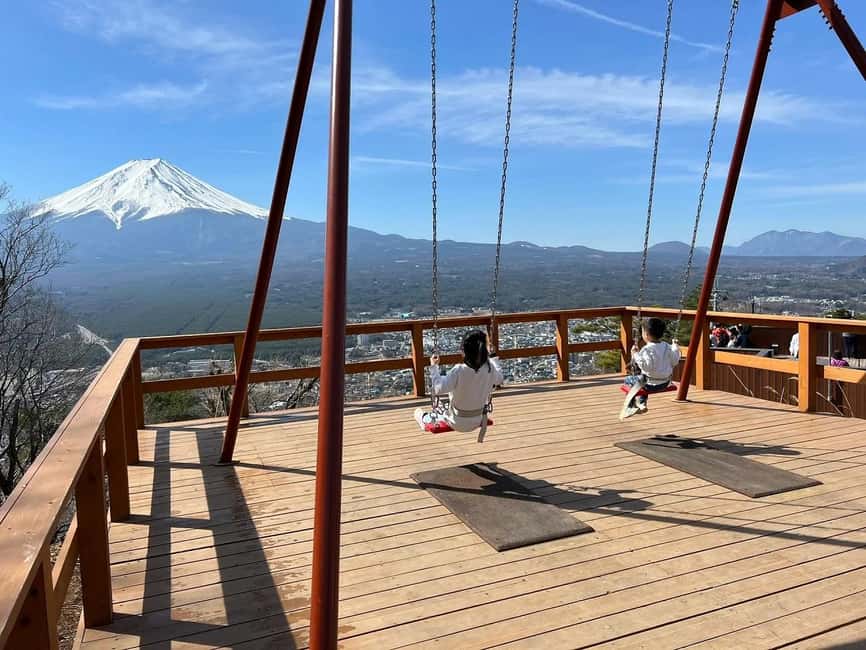
The core thrill here is the Kachikachi Ropeway ride at Lake Kawaguchiko. As you ascend, Mt. Fuji gradually comes into view, and by the time you reach the observatory at 1,075 meters above sea level, you’re looking at a wide Fuji-and-lake panorama. On clear days, you can even see the Southern Alps in the distance, which is a nice reminder that Fuji is part of a whole mountain system, not a lone icon.
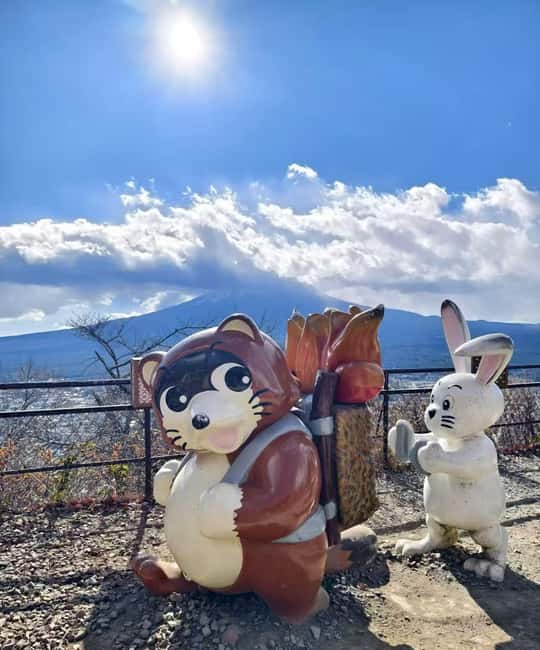
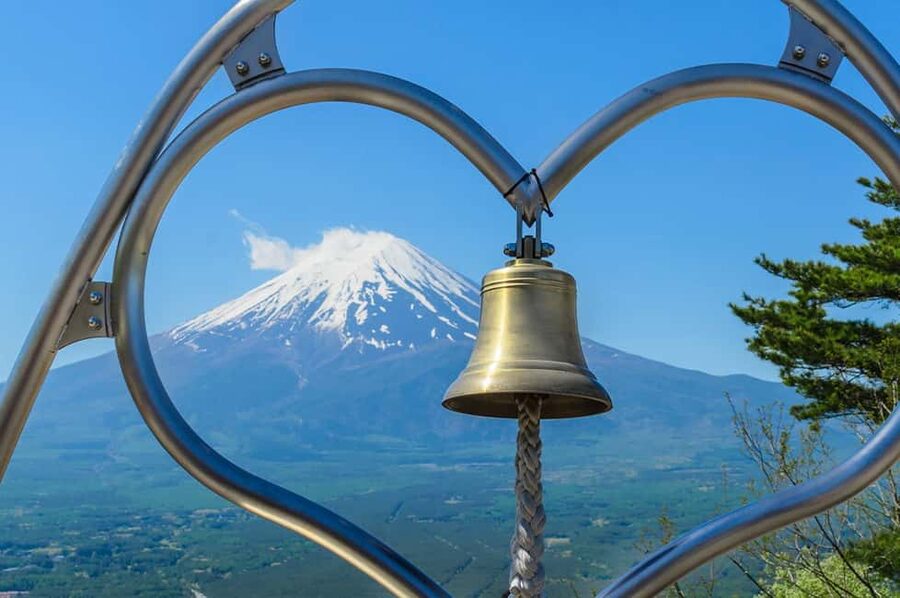
At the top, there’s a fun legend tied to the Bell of Tenjo, where ringing the bell is said to make your wish come true. You’ll also notice whimsical tanuki (raccoon dog) and rabbit mascots inspired by the Japanese folktale Kachikachi Yama by Osamu Dazai. It’s not “serious sightseeing,” and that’s the point. It makes the stop feel lighter and easier to enjoy even if the crowd is busy.
One very important real-world note: Mt. Fuji can be hidden by weather. The tour does not guarantee full visibility, and that’s true for any Fuji day trip. The upside is that even on less-than-perfect days, the ropeway gets you above the haze so you can still enjoy the lake and the surrounding viewpoints.
And if the ropeway is closed, you need an alternate plan. From Dec. 8th to 19th, 2025, the ropeway will be closed for regular maintenance, and the itinerary will be adjusted to include an experience on the Samurai Ship instead. If you go during those dates, that change matters.
If the ropeway is cancelled due to weather or other reasons, you can request a refund of 1,000 JPY per person for the fee by emailing the provider.
Tenjozan Park and Lake Kawaguchiko: squeeze photos out of a tight schedule
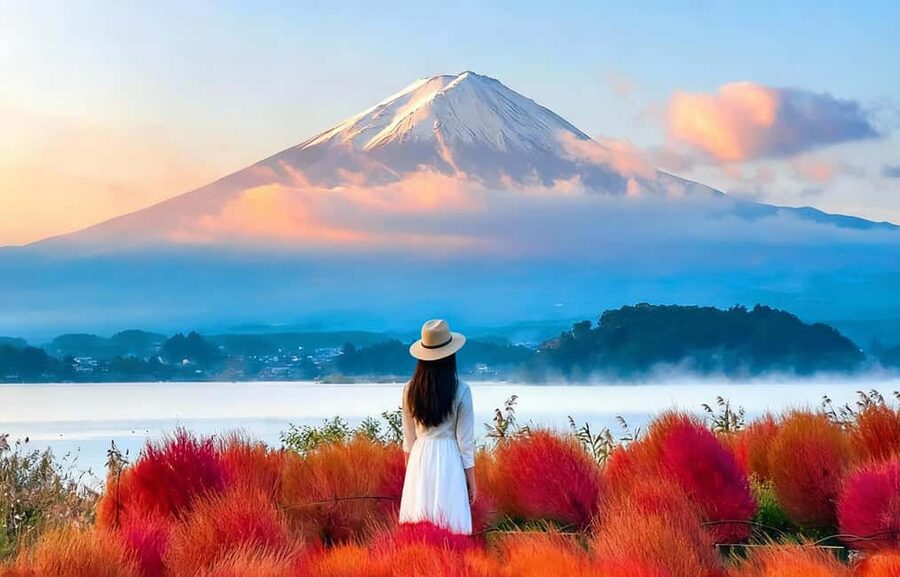
After the ropeway, you’re in “photo and reset” mode. The tour includes a stop at Kawaguchiko Tenjozan Park, with about 30 minutes of photo time and free time. This is where you can try for compositions that include Fuji plus the surrounding area. It’s also a good moment to check the sky and decide how aggressive you want to be with your camera.
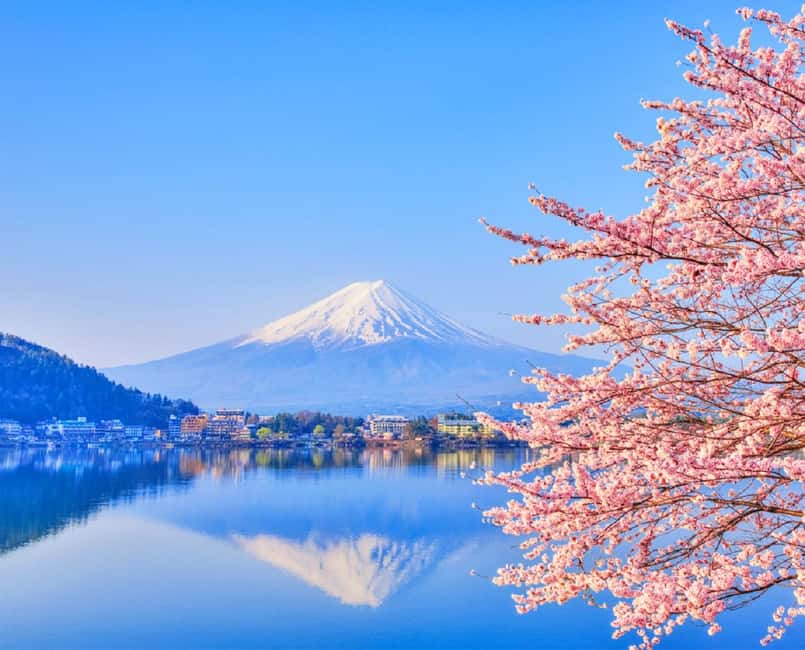
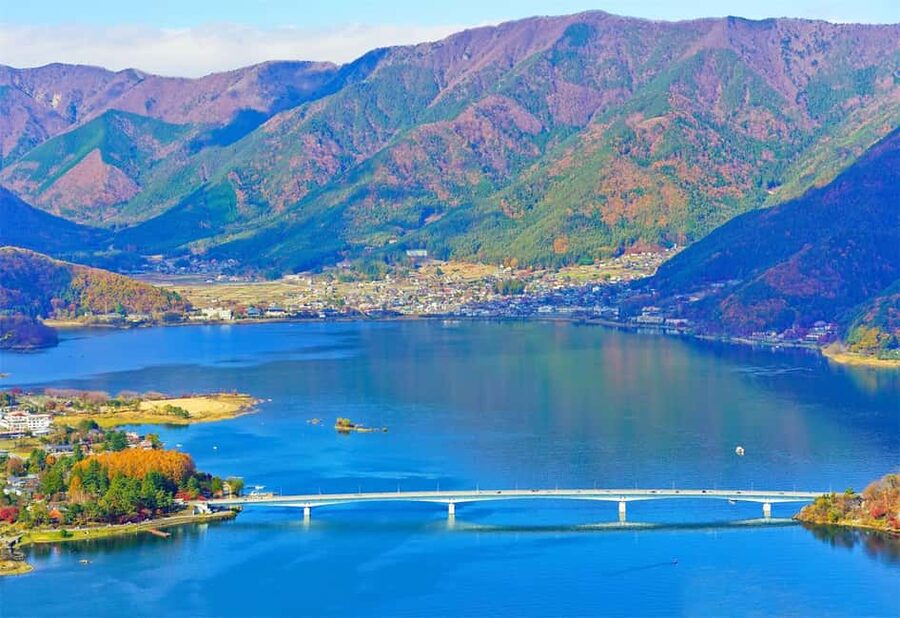
Then you head to Lake Kawaguchiko with roughly 45 minutes. This is where Fuji tends to look especially good because the framing turns into a reflection scene. If the weather cooperates, you can get Fuji mirrored in the water, and if it doesn’t, you still get a calm lakeside break between bigger walking zones.
Here’s the practical trick I’d use: don’t spend your whole lake time chasing one perfect shot. Pick 2 to 3 viewpoints, shoot, and then slow down for a walk. That mix keeps the day from feeling like a sprint.
One more reality check: Japanese holidays and peak seasons can bring crowds and traffic. If your day runs behind schedule, some attraction times can be shortened or rearranged. You’ll still get the major experiences, but you should avoid booking other activities right after the tour back in Tokyo.
Matcha by the lake: a short ceremony with real meaning
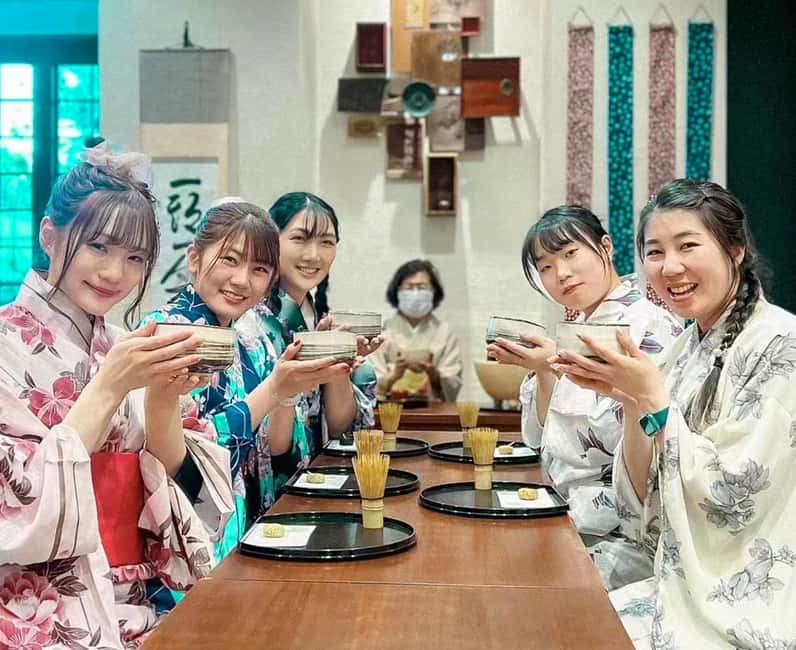
This is one of the best parts of the day because it slows things down in the middle of all that movement. You’ll get a hands-on matcha experience by Lake Kawaguchiko with a local instructor. The time window is short, about 15 minutes, but it’s not just watching. You’ll go through the process, including whisking and serving your own bowl of matcha, then sipping it.
I like that the instructor also shares the philosophy of Ichigo Ichie, meaning one time, one encounter. It turns a “snack stop” into something you can remember, because it frames the tea as a moment worth noticing, not just a break from sightseeing.
Practical note: matcha tasting can be very different from what you might expect if you only know sweet drinks. If you’re sensitive to strong green flavors, take a smaller sip first, then decide if you want to keep going.
Also, this tea stop is timed well. You’ve already done the ropeway and you’re ready for a mental landing. It keeps the day from turning into pure rushing, and it gives you something to do that isn’t standing in lines.
The Lawson Fuji photo stop: iconic, but plan for crowds
Next up is the most famous Lawson convenience store for Fuji photos, the one in Kawaguchiko with Mt. Fuji lined up from the right angle. It’s a specific shot and yes, it’s extremely popular. You’ll likely see people clustering at the sidewalk and across the street, aiming phones and cameras toward the sign and the mountain alignment.
This stop can feel a little odd at first, because it’s a convenience store, not a temple or museum. But the value is the exactness of the view. If you only want Fuji images that look like postcards, this is the one to get.
The consideration is crowd pressure. If you hate busy sidewalks, you might find the street scene distracting. Keep your expectations simple: step in for the photo, move out fast, and save your patience for the next calm stop.
Lunch is another point to manage. Food and drinks are not included in the tour price. There is a lunch break (about 40 minutes) at a local restaurant, but what you eat is on you. Bring cash as suggested, and have a simple plan: eat quickly, hydrate, and don’t go too far from the group meeting spot.






Oshino Hakkai: eight ponds that feel like a reset
By the time you reach Oshino Hakkai, the day is starting to settle. Oshino Hakkai is the village at the foot of Mt. Fuji known for eight spring ponds fed by snowmelt. The water is naturally filtered through layers of lava rock, which is part of why it looks so clear.
This is the slow, scenic contrast to the ropeway. You’ll have about an hour for photo stops, visiting, and a guided tour element. Expect to see Fuji reflected on the pond surfaces when visibility is good. Even when Fuji is faint, the pond atmosphere stays pleasant.
Oshino Hakkai is also a nationally designated Natural Monument, so you’re not just visiting pretty water. It’s a place treated as important, with protections that help explain why the area stays photogenic rather than chaotic.
If you want one “non-photo” moment, make it here. Stand back from your camera for a minute, listen to the water, and let your brain stop treating the day like a checklist.
The tour then heads back toward Tokyo as the sun shifts. Even after you’re on the bus again, you’ll probably feel like you’re still looking at Fuji, because the last pond images stick.
Price and logistics: is $54 good value?
At about $54 per person, this is priced like a value day trip, and it makes sense because the price is bundled.
What you get included:
- Kachikachi Ropeway ride
- Hands-on matcha experience
- Round-trip air-conditioned bus from central Tokyo
- Multilingual guide and professional driver
- Expressway tolls, fuel, and parking fees
If you were to plan this independently, you’d likely spend a lot more on transportation plus admissions and still risk getting stuck with timing issues. The bus ride takes time, but it also prevents you from losing the day hunting down connections.
The value depends on how you travel. If you enjoy group pacing and you want someone to manage the schedule, this is a smart buy. If you want long free time at each location or you’re sensitive to crowds and fixed meeting points, you might feel the tight windows more.
For context, the tour is designed for a shared group experience, so you won’t have privacy or unlimited flexibility. But for first-time Fuji viewing without Tokyo-to-Kawaguchiko headaches, it’s hard to beat.
Who should book, and who should skip it
This trip fits best if:
- You want a structured Fuji day with multiple viewpoints
- You like photo stops but also appreciate a short cultural activity
- You don’t want to plan transportation across multiple areas
- You’re okay with a long day and short windows at each stop
It’s not suitable if:
- You use a wheelchair
- You’re afraid of heights (the ropeway is part of the experience)
It also helps if you’re comfortable with a shared group schedule. The guide will provide explanations in multiple languages, and the day is built to keep everyone moving.
One more thing I’d emphasize: Mt. Fuji is weather-dependent. If you’re booking, assume you might not see Fuji clearly. Then book anyway, because you’ll still get lake views, ropeway views, and Oshino Hakkai ponds, even when the peak is hiding.
Tips so your Fuji day feels smooth, not stressful
A few practical moves make a big difference on a day like this.
- Bring cash for personal expenses. The tour also suggests bringing food.
- Wear comfortable shoes. You’ll do walking and photo stops across different areas.
- Arrive at the meeting point 15 minutes early. Latecomers can lose their spot and get no refund.
- Bring water and plan for crowding at popular photo points like Lawson.
- Think of the day as “planned time blocks,” not long wandering. If you want free time, save it for Tokyo after you get back.
If the ropeway or timing gets disrupted due to weather or road conditions, the day can still run, just differently. During the Dec. 8th to 19th, 2025 maintenance window, the ropeway experience changes to the Samurai Ship plan, so check dates carefully.
Should you book this Mt. Fuji and Kawaguchiko day trip?
I’d book it if you want a high-effort Fuji experience without the planning work, and you like the idea of mixing big views with a hands-on matcha ritual. The included ropeway ride and matcha stop alone help justify the price, and the Oshino Hakkai ponds give you a calm ending.
I’d think twice if you hate crowds, dislike tight schedules, or you’re deeply dependent on getting perfect Fuji visibility. The day is weather-sensitive, and the timing is fixed, so it’s not the best choice for travelers who need lots of unstructured time.
If you can handle a full-day rhythm and you’re excited about the Kachikachi Ropeway and Oshino Hakkai, this is a strong way to make Fuji part of your Tokyo trip without wasting hours on logistics.
FAQ
How long is the tour?
The tour duration is about 10 hours.
What does the $54 price include?
It includes the Kachikachi Ropeway ride, the matcha experience, round-trip transportation by air-conditioned bus, a multilingual tour guide, and costs like expressway tolls, fuel, and parking.
Is lunch included?
Food and drinks are not included. The schedule includes a lunch break at a local restaurant where you can buy your meal.
What if Mt. Fuji is not visible?
Mt. Fuji visibility depends on weather conditions, and it cannot be guaranteed.
What happens if the ropeway is closed?
For regular maintenance from Dec. 8th to 19th, 2025, the itinerary will be adjusted to include an experience on the Samurai Ship instead. If the ropeway is cancelled due to weather or other reasons, you can request a refund of 1,000 JPY per person for the fee by emailing the provider.
Where does the tour pick up and drop off?
Pickup and drop-off can vary by option, including Tokyo Station Marunouchi North Exit 2 at the Robert Indiana Sculpture: LOVE.
What language options are available for the guide?
The live tour guide is available in English, Japanese, Korean, and Traditional Chinese.
More Full-Day in Tokyo
More Tours in Tokyo

More Tour Reviews in Tokyo
Not for you? Here's more nearby things to do in Tokyo we have reviewed












Mount Fuji Tours, side by side.
 ★ 5.0Mt Fuji and Hakone 1-Day Bus Tour Return by Bullet TrainFrom $16326,383 reviews
 ★ 4.0Mt Fuji & Hakone Cruise, Drum Show Bullet Train 1 Day from TokyoFrom $1497,413 reviews
 ★ 4.4Tokyo Mt Fuji 5th St & Hakone Cruise Bus Tour w/Bullet TrainFrom $1545,024 reviews
 ★ 4.5From Tokyo: Mount Fuji Full-Day Sightseeing TripFrom $684,970 reviews
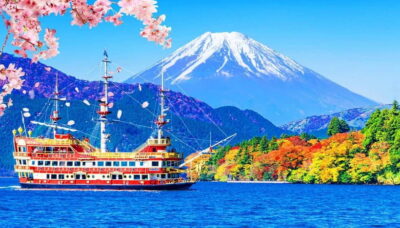 ★ 4.7Mt. Fuji Tour, Hakone Ropeway, Owakudani, Lake AshiFrom $544,002 reviews
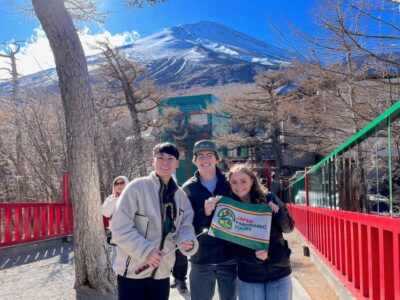 ★ 4.2Mt. Fuji 5th Station & Hakone Cruise 1-Day Bus TourFrom $1292,381 reviews
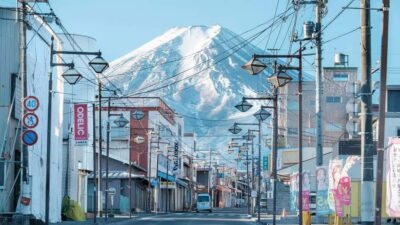 ★ 4.7Mt Fuji Top 5 Spots Day Tour: Arakurayama Park,Oshino HakkaiFrom $532,066 reviews
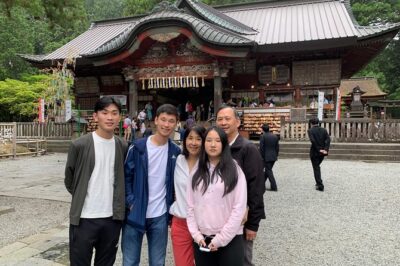 ★ 5.0Private Tour to Mt. Fuji and Hakone (Fully Licenced Operator)From $4971,910 reviews
This tour also belongs to