
Review · TOKYO CITY TOURS
Tokyo: Art Aquarium Museum GINZA Entry Ticket
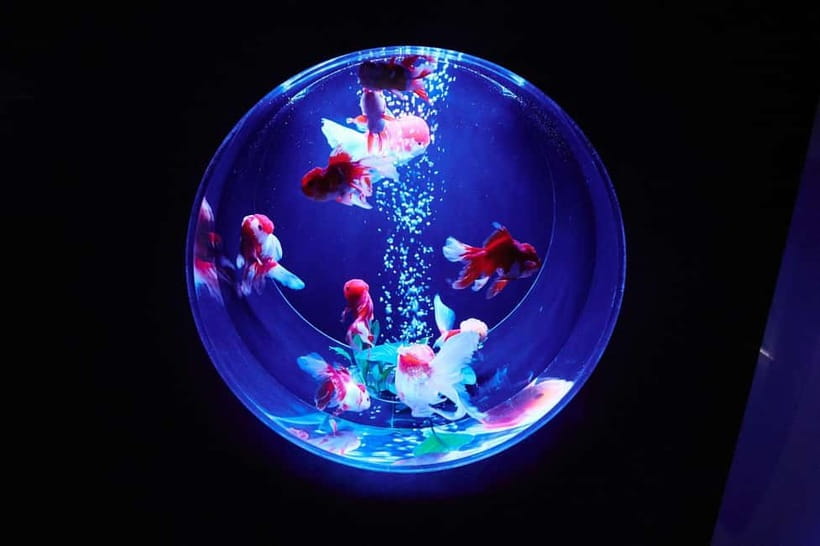
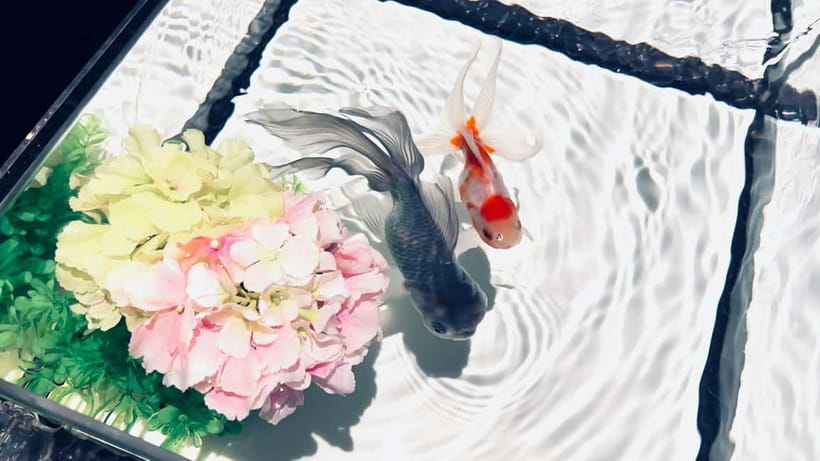
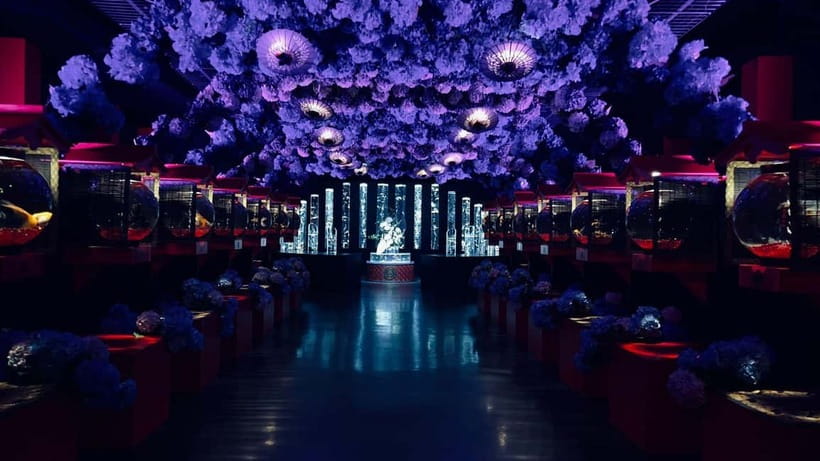
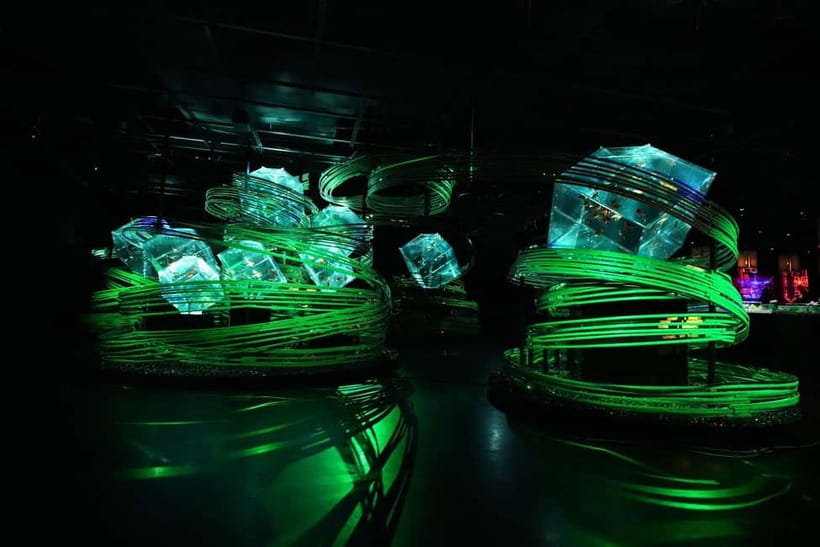
Goldfish, light, music, and scent, all in Ginza. This is a compact, sensory museum where you’ll enjoy goldfish displays lit like living art, paired with gentle background music and even aromatherapy-style scent. I also like the modern, Edo-inspired way the museum presents goldfish beauty in spatial setups that feel more “installation” than traditional tank viewing. One watch-out: it’s small, so if you want a huge aquarium day, you might find it a bit too short, and one guest did raise concern about how some fish looked.
The big practical win for me is the location: it sits inside Ginza Mitsukoshi, so you can slot it into a shopping-heavy Ginza day without a long detour. I also appreciate that photography is allowed, with rules that keep it from turning into a tripod festival. The main consideration is that tripods, monopods, and similar supports are not allowed, and strobes or extra lighting equipment are also prohibited.
Plan for about an hour. That’s enough time to see the main exhibits, pause for photos, and enjoy the seasonal presentation changes at this permanent venue that opened in May 2022.
Key takeaways before you go
- Sensory art show, not just fish tanks: light, music, and scent are part of the viewing experience.
- Plan for 1 hour: it’s compact, so you’ll likely finish in about 45 to 60 minutes.
- Photography friendly with limits: cameras are welcome, but no tripods/monopods and no strobes.
- Goldfish focus with English info: the museum provides goldfish information in English.
- Ginza Mitsukoshi makes it easy: admission reception and same-day tickets are on the 9th floor.
- Seasonal changes year-round: since it’s a permanent venue, you’ll see updated presentation across the seasons.
Ginza Mitsukoshi arrival, where to go first
This ticket is for Art Aquarium Museum GINZA, located inside Ginza Mitsukoshi in central Tokyo. The admission reception and same-day tickets are on the 9th floor of the new building, so build in a quick moment for stairs or elevators before you queue.
Getting there is pretty straightforward because Ginza is packed with rail lines. If you’re using the Tokyo Metro Ginza Line, Marunouchi Line, or Hibiya Line, exit A7 of Ginza Station is the match. If you’re coming on the Yurakucho Line, you can walk about five minutes from Ginza 1-chome Station (exit 9). If you’re using the Toei Asakusa Line or Tokyo Metro Hibiya Line, you can take an underground passage from Higashi Ginza Station toward Ginza Station and walk about two minutes.
For planning, I’d treat it as an easy “in the middle of the day” stop. One review noted it was easy to find inside the department store, and that matters in a place like Ginza where you can lose time searching for the right entrance.
More Tokyo tours and experiences for the shortlist
Your 1-hour window: how the sensory show works
Most people should think of this as a focused, about-an-hour experience. The estimated viewing time is 1 hour, and in practice you’ll likely spend around 45 minutes to an hour moving through the exhibits, stopping to watch and photograph the displays.
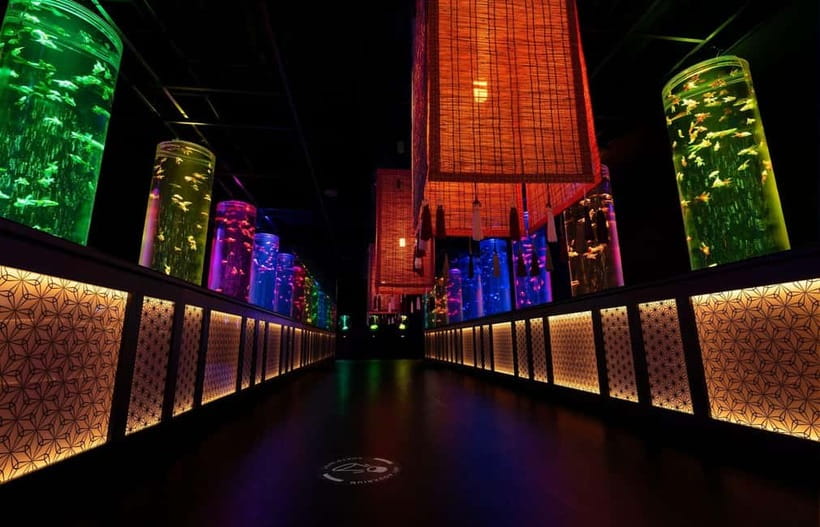
The experience is built around a mix of senses. You watch goldfish swim through aquarium displays shaped and lit as art, while music in the background supports the mood. The museum also uses scent, and at least one guest specifically called out the aromatherapy element as a highlight. That combination helps the room feel less like a standard aquarium visit and more like a curated installation.
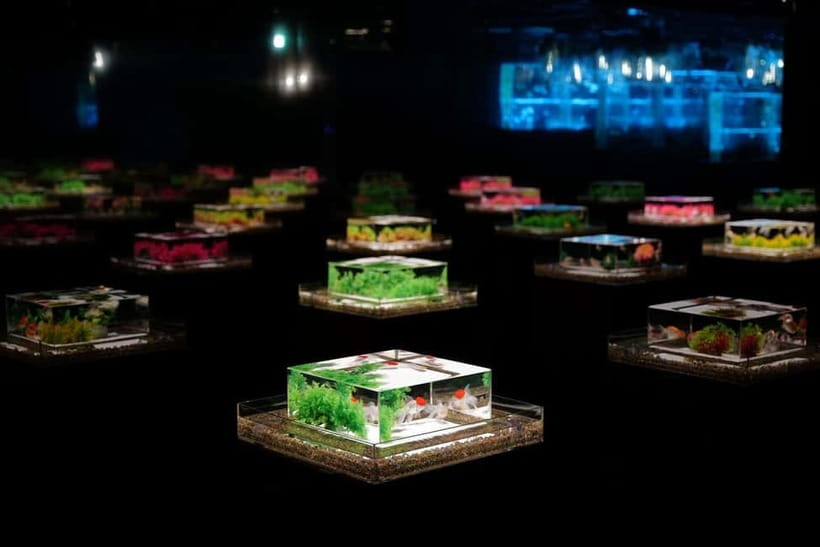
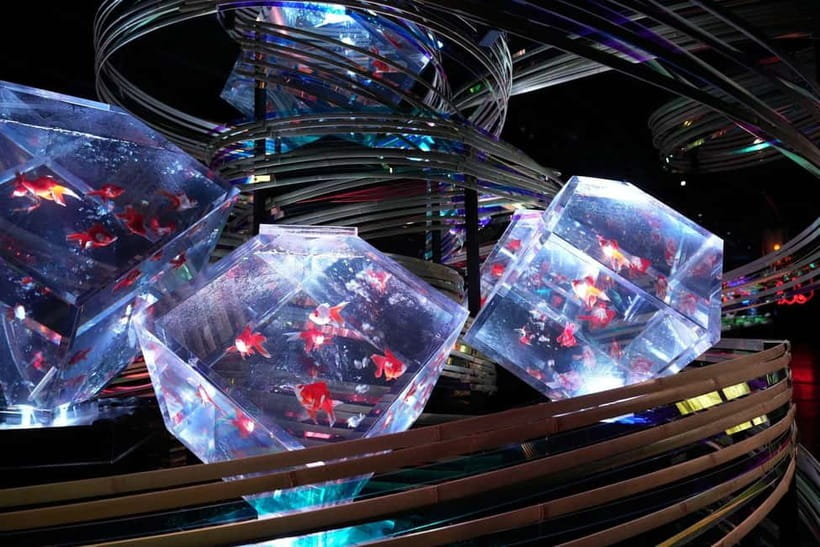
Another detail I like: the displays feel designed for attention. Instead of one long corridor of tanks, you get multiple setups with distinct spatial presentation, lighting, and color. That’s why it works even if you’re not the biggest aquarium person. You’re not just counting fish, you’re watching how the museum frames their movement.
If you’re sensitive to sensory inputs, treat this as a calm indoor stop. The music is described as tranquil, and the overall vibe is more gentle than flashy.
Edo-period goldfish, remixed for a modern art museum
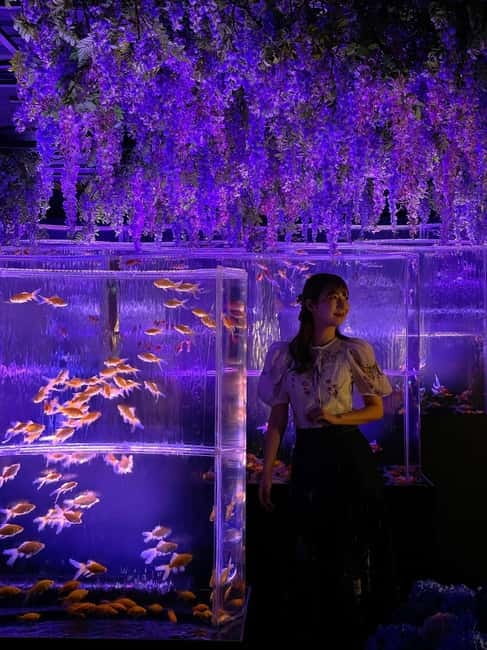
This isn’t trying to be a historical goldfish museum, but it’s clearly inspired by Edo-period appreciation of goldfish. The museum reimagines that old tradition as a modern art experience, turning classic goldfish beauty into light, sound, and scent-based presentation.
What that means for you in the galleries is a shift in how you look. Instead of focusing only on species or tank layout, you’ll likely find yourself following design details: the lighting angle, the way the space guides your movement, and the timing of the background music alongside the fish swimming.
The museum is also a permanent venue, which matters because you can return at different times of year and expect changes. It offers seasonal changes throughout the year, so it’s not a “set it and forget it” attraction. One guest said they visited twice in two years and found that more than half of the art was new.
That seasonal refresh is part of the value. In a city with constant new openings, having a permanent exhibition that still changes is a smart way to avoid feeling like you paid to see the exact same thing you could have seen months ago.
Photography rules, plus the best way to get great shots
Art Aquarium Museum GINZA is a popular photography stop, and it’s easy to see why. Lighting is part of the exhibit design, and multiple guests praised the colors and visuals, including how pretty the aquarium displays look with the lighting.
You can take photos, but Tokyo rules keep it considerate for everyone. Photography is permitted, yet the museum does not allow tripods, monopods, and similar equipment. Strobes and lighting equipment are also not permitted.
Here’s how that helps you get better results anyway. Without tripods, you’ll want to steady your camera with bracing (bag on floor, elbows tucked), and focus on shots that don’t require long exposures. If you’re using your phone, steady your hands and wait for a fish moment rather than chasing every movement.
Timing can also affect crowd comfort. One guest took photos in a midweek slot around 10:30am and said there were only a few other people, which made it easier to photograph without blocking anyone. You can use that idea even without knowing exact crowds: aim for an off-peak entry time when you’re choosing a starting slot.
Crowds, size, and that one animal-welfare note
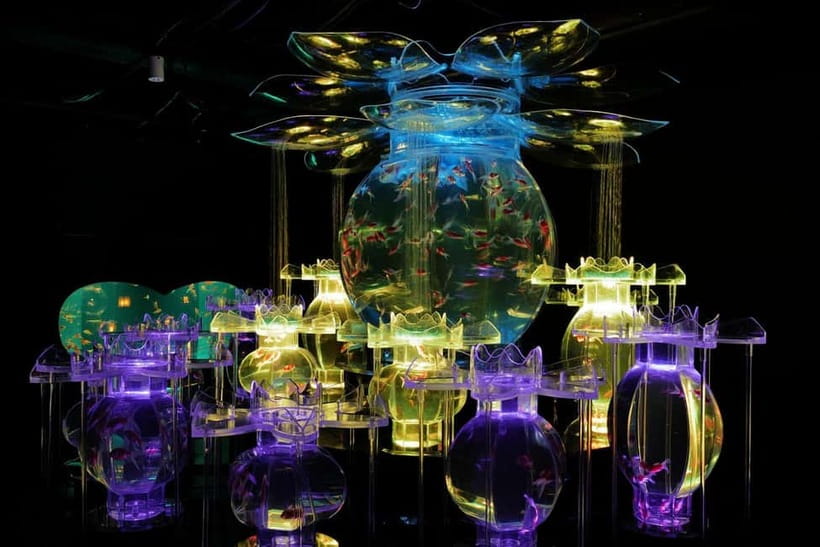
This is a compact museum. That’s not a deal-breaker, but it’s key to setting expectations. Reviews commonly describe it as pretty compact, with time estimates around 45 minutes to an hour.
For crowd levels, the feedback is encouraging. At least one guest said it never got too crowded even with photo takers, especially during a quieter midweek morning. That’s a big plus because Ginza can get busy, and you don’t want your “art aquarium” time disrupted by shoulder-to-shoulder congestion.
Now, the balanced part. One guest did mention that some fish looked maltreated. I can’t confirm what you’ll see, but it’s a reminder that you might want to mentally prepare if you’re easily bothered by how animals can look in displays. If you’re sensitive about animal welfare visuals, take a moment to observe the fish behavior and the overall conditions when you enter.
If that kind of concern affects your enjoyment, treat this as a short stop you can adjust. You can always decide on the spot how long you want to stay.
You can also read our reviews of more museum experiences in Tokyo



Price and value for a Ginza art-aquarium ticket
The price is $17 per person. For Tokyo attractions, that’s not “budget,” but it’s also not a major splurge, especially because you’re getting a very different type of experience than a standard aquarium visit.
Here’s how I think about value. First, the experience is targeted and short, so you’re paying for focused design rather than paying for hours of roaming. Second, the sensory elements are part of the pricing: light, music, and scent are built into the museum concept. Third, you’re paying for a photography-friendly art space in one of Tokyo’s most central neighborhoods.
Also, location saves money in time and transport. Being inside Ginza Mitsukoshi means you can combine it with a department store day instead of spending extra transit budget just to reach a standalone attraction.
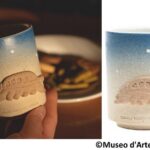
One more value detail: there’s a gift store. A guest described the souvenirs as wonderful, and that’s the kind of practical bonus that makes a short ticket feel more complete. If you like bringing home something small and Japanese, you can usually do that without adding another stop.
If you’re traveling with kids, the price can feel even more reasonable. Up to two children under elementary school age may enter free of charge with one adult.
Practical logistics: timing, entry slots, and hours that change
Your ticket is valid for 1 day, and availability depends on starting times. That means you’re not just showing up whenever you feel like it, you’ll want to pick a time slot that fits your day.
Closing days and business hours may vary. In a place like Ginza, that’s normal, but it still matters for planning. If your itinerary is tight, I’d check your chosen day’s hours before you commit to other activities nearby.
Cancellation is non-refundable. That’s the risk part of booking, especially if your Tokyo schedule might shift due to weather or train delays.
Should you book the Art Aquarium Museum GINZA ticket?
Book it if you want a different kind of Tokyo aquarium experience, one where goldfish viewing is treated like art. I think it’s especially worth it for people who enjoy photography, like light-and-color design, or simply want a calming indoor activity that fits into a one-day Ginza plan. The free entry rule for young kids also helps make it family-friendly in a practical way.
Consider skipping or adjusting expectations if you’re looking for a long, comprehensive aquarium with lots of species and hours of wandering. This is compact, and the value is in the sensory show and the exhibit presentation, not in covering an enormous range of sea life.
If you do book, pick an off-peak entry time if you want room to photograph comfortably. Then plan for roughly an hour inside, and treat it like a crafted experience rather than a marathon.
FAQ
How much is the Art Aquarium Museum GINZA entry ticket?
The price is $17 per person.
How long does the experience take?
The estimated viewing time at Art Aquarium Museum GINZA is 1 hour.
Where is the museum located?
It’s inside Ginza Mitsukoshi, 4-6-16 Ginza, Chuo-ku, Tokyo. The admission reception and same-day tickets are on the 9th floor of the new building.
What are the nearest train options and exits?
For Ginza Station on the Tokyo Metro Ginza Line, Marunouchi Line, and Hibiya Line, use exit A7. On the Tokyo Metro Yurakucho Line, it’s about a 5-minute walk from Ginza 1-chome Station (exit 9). From Higashi Ginza Station, you can use an underground passage toward Ginza Station, about 2 minutes away.
Are children allowed in for free?
Up to two children under elementary school age may enter free of charge with one adult.
Is photography allowed?
Yes, photography is permitted, but tripods, monopods, and similar equipment are not allowed.
Are strobes or extra lighting equipment allowed?
No. The use of strobes and lighting equipment is not permitted.
Are there seasonal changes?
Yes. The permanent venue offers seasonal changes throughout the year.
What languages are available?
Goldfish information is provided in English.
Can I change or cancel my booking?
This activity is non-refundable.
More Museum Experiences in Tokyo
More Tickets in Tokyo

More Tour Reviews in Tokyo

Not for you? Here's more nearby things to do in Tokyo we have reviewed





Tokyo City Tours, side by side.
 ★ 5.01-Day Tokyo Bus TourFrom $12914,250 reviews
 ★ 4.5TOKYO SKYTREE® Admission ticketFrom $1311,192 reviews
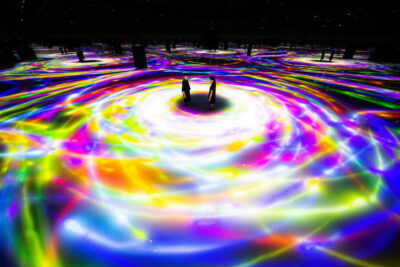 ★ 4.6teamLab Planets TOKYO Digital Art Museum Entry TicketFrom $259,779 reviews
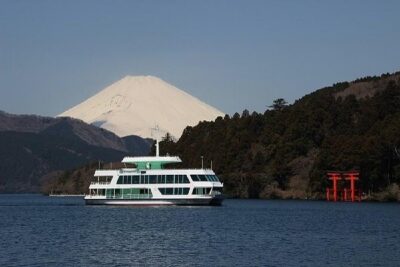 ★ 4.0Mt Fuji & Hakone Cruise, Drum Show Bullet Train 1 Day from TokyoFrom $1497,413 reviews
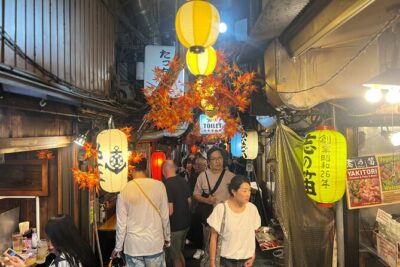 ★ 5.0Shinjuku Food Tour (13 Dishes at 4 Local Eateries)From $866,603 reviews
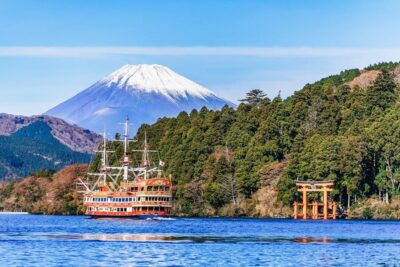 ★ 4.4Tokyo Mt Fuji 5th St & Hakone Cruise Bus Tour w/Bullet TrainFrom $1545,024 reviews
 ★ 5.0Flagship 2-Hours Official Street Go-Kart Tour – Tokyo Bay ShopFrom $644,974 reviews
 ★ 4.5From Tokyo: Mount Fuji Full-Day Sightseeing TripFrom $684,970 reviews
This tour also belongs to