
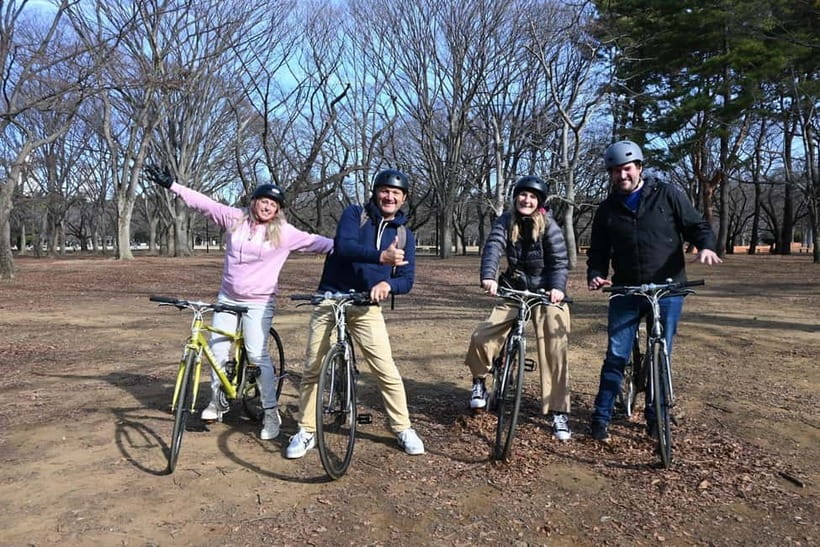
Review · SHIBUYA TOURS
Tokyo Bike Tour: Shibuya, Harajuku & Hidden Gems
Tokyo is famous for moving fast, and this tour helps you do the same. You will ride from Shinjuku-Yoyogi area into Shibuya, Harajuku, Aoyama, and Gaien without wrestling buses or losing half a day to walking. I like that it is structured for first-time visitors, plus it throws in secret stops you would not stumble on by accident.
Two more reasons I think this works well: you get a safe, organized pace led by English-speaking cyclist Taichi, and you get photo stops at the big hits like Shibuya Crossing and the Hachiko Statue. The one thing to consider is that you must feel comfortable cycling in city traffic and crowds, including occasional narrow lanes, and you will need to keep up an expected speed around 15 km/h (9.3 mph).
Key Things That Make This Tokyo Bike Tour Worth Your Time
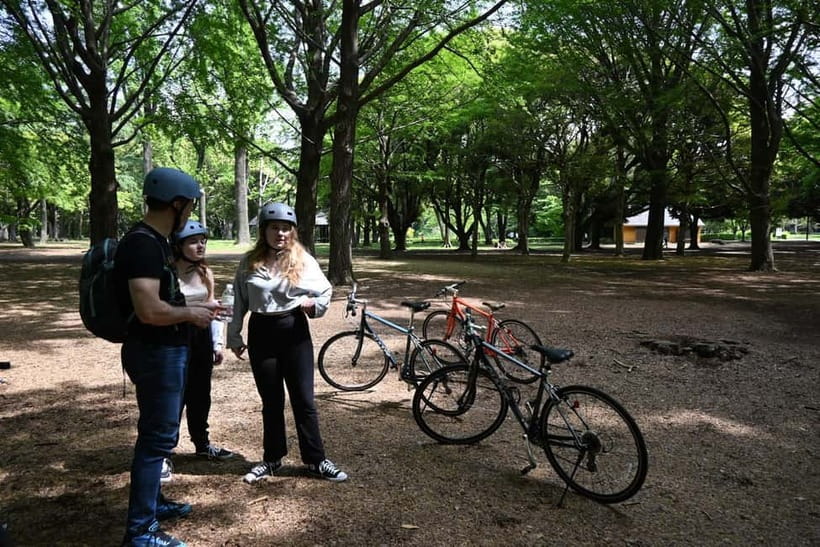
- Small group of up to 6, so you can ask questions and get real help on the route
- English live guide, Taichi, with local context and practical tips beyond standard sightseeing
- No public transport required, so you cover more ground in 3 hours
- Photo stops at major landmarks, plus extra scenic breaks along the way
- Cycling-friendly route planning, including narrow and crowded areas managed safely
- Bike plus helmet included, so you can travel light and start riding right away
Why a Bike Tour Makes Shibuya and Harajuku Easier for First-Timers
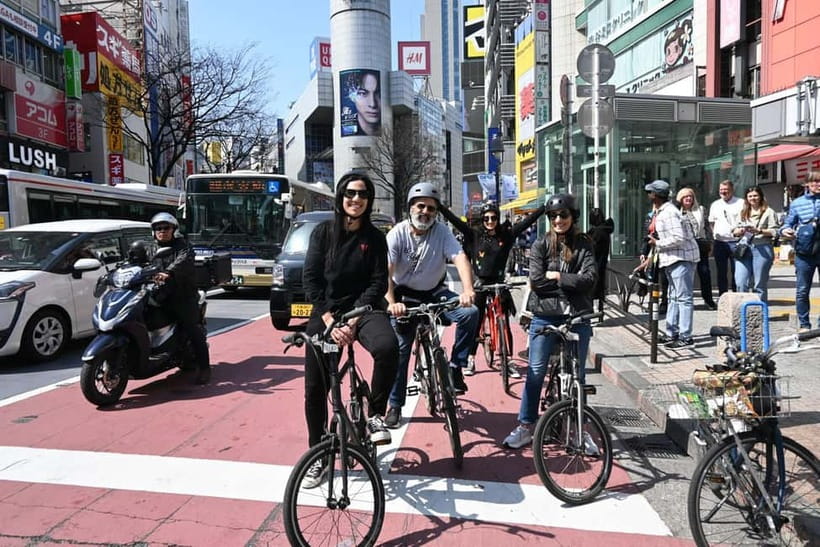
If you are seeing Tokyo for the first time, Shibuya and Harajuku can feel like two different worlds packed into a few train stops. The bike format matters because it turns that confusion into a simple line on a map. Instead of checking transit schedules and doing backtracking, you follow your guide’s route and actually see how neighborhoods connect.
I also like that the tour is designed for efficiency. Walking these areas would take too much time, so you use wheels to move quickly while still getting close to what is going on at street level. You get a feel for Tokyo that is more than photos, especially when you stop in places that are not the usual postcard stops.
One practical point: this is not a sightseeing-only stroll. You should expect short rides between breaks, and you will need basic bike comfort to enjoy it.
You can also read our reviews of more cycling tours in Tokyo
Meeting Point Near Yoyogi and Shinjuku, What the Tour Actually Includes
You start at Umayamichi Park, and the meeting point is the park next to Freshness Burger. The location is convenient if you are staying anywhere in the Shinjuku and Yoyogi zone, since it is about a 10-minute walk from Shinjuku Station and about 1 minute from Yoyogi Station.
The tour includes a bicycle and helmet, which is a big deal for value. You do not have to rent equipment, hunt for a fitting, or budget for last-minute gear. And because the group is limited to 6 participants, you spend less time waiting around and more time on the route.
Your guide speaks English, and the tour is built around both commentary and Q&A, not just pointing at sights. That matters in Tokyo, where a lot of context is in the details, like how streets evolved and why certain corners became famous.
Safety, Pace, and What You Must Wear to Have a Good Time
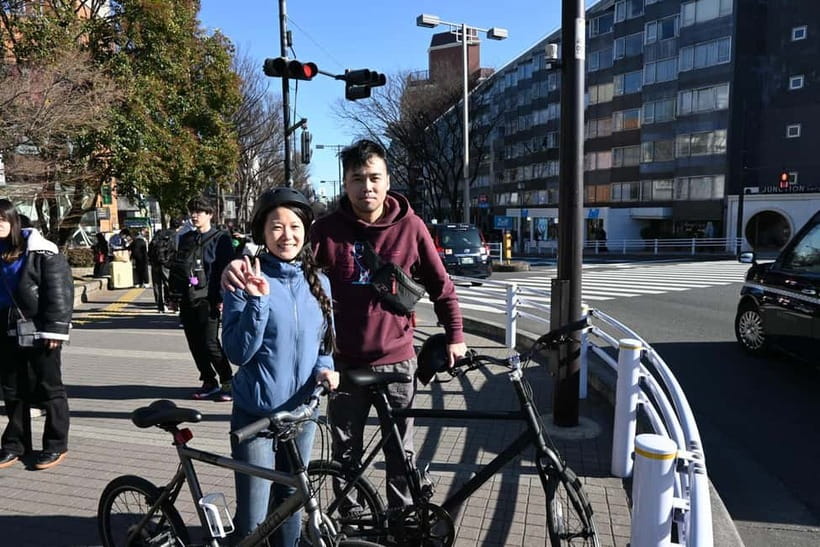
This tour runs on city rules, so you need to follow Japanese traffic rules and the guide’s instructions at every stage. The expected cycling speed is typical city riding at about 15 km/h (9.3 mph), and the ride includes crossings at traffic lights plus occasional narrow or crowded areas.
You will also move through real streets, not closed paths. That is exactly why it feels more local, but it also explains who it is best for. You should be confident riding in traffic, and you should be ready to adjust your comfort level when the group meets tight spaces.
Dress like you are commuting, not sightseeing in sandals. Bring comfortable clothes and closed-toe shoes, and skip anything that restricts movement. The tour does not allow sandals or flip flops, umbrellas, open-toed shoes, smoking, vaping, headphones, or large luggage. If you like quiet, note that headphones are not allowed, so you will hear the street and your guide clearly.
Route Breakdown: From Umayamichi Park to Shibuya Crossing and Back
This 3-hour loop is paced with short segments and frequent stops. That rhythm is smart. It keeps you energized, gives you time for photos, and gives the guide room to manage safe group movement.
Start at Umayamichi Park, Then a 5-Minute Safety Briefing
You kick off at Umayamichi Park, and the tour begins with a brief safety briefing for about 5 minutes. It is short, but it sets expectations for crossings, spacing, and how you will handle busier street sections.
This is a good moment to confirm you understand where to look for instructions and how the group stays together. If you are slightly nervous about cycling in a dense city, this is where you get the guidance that makes the rest of the ride easier.






Yoyogi Park Photos and Scenic Stops
Next you head toward Yoyogi Park for a photo stop with scenic views on the way, with about 15 minutes allocated here. Even with limited time, parks are useful on a bike tour. They give you a visual break between streets and crowds, plus they work well for photos without needing to fight for space in the middle of a landmark.
The ride segments leading into Yoyogi also matter because you start transitioning from quieter edges into more central energy.
Shibuya City, Then Shibuya Crossing Without Overthinking Transit
You then move through Shibuya City with about 15 minutes of scenic views en route. This helps you understand the neighborhood scale, because Tokyo does not feel like one giant downtown. It feels like layers of districts that change street by street.
Then comes Shibuya Crossing, with a photo stop plus guided touring, walking, and scenic views for about 10 minutes. This is one of the most iconic intersections in the city, and doing it by bike tour gives you something walking alone sometimes misses: you arrive with context, not just crowd chaos.
A practical note: if you are not a fast photographer, do not stress. The guide gives you structured time, so you should still get your shots.
Hachiko Statue Stop, Then Harajuku in Short Bursts
After Shibuya Crossing, you take another secret stop with photo time and a short walk, about 10 minutes. These quick breaks are what make the tour feel more than a list of famous sites, because they slow the pace just enough to let you notice side streets and details.
From there you reach the Hachiko Statue for a photo stop plus guided tour and walking for about 10 minutes. Hachiko is easy to find, but the ride-to-it part is what helps it land. You are not just dropping in, you are rolling in through the neighborhood fabric.
Then you move into Harajuku with about 5 minutes for a photo stop and scenic views. On this tour, Harajuku is treated like a quick taste rather than a long hangout. That suits first-time visitors who want the vibe without spending hours trying to cover every lane.
Omotesando and Aoyama: Better Views, More Time, Less Rushing
Omotesando gets about 5 minutes with a photo stop and scenic views on the way. This short stop works if you like architecture and streetscapes, because you can capture the look while keeping momentum.
Then the route shifts deeper into Aoyama with about 20 minutes for a photo stop and scenic views. The extra time here helps because Aoyama feels different in feel and style, and that is hard to absorb when you are only there for a minute.
Next you go to Aoyama Cemetery for about 20 minutes, including a photo stop, guided tour, and walking. This is a standout stop in a biking itinerary because it is quieter and more reflective than the commercial noise. If you want contrast in a single afternoon, this is one of the best ways to get it.
Meiji Jingu Gaien Ginkgo Avenue and Japan National Stadium Photos
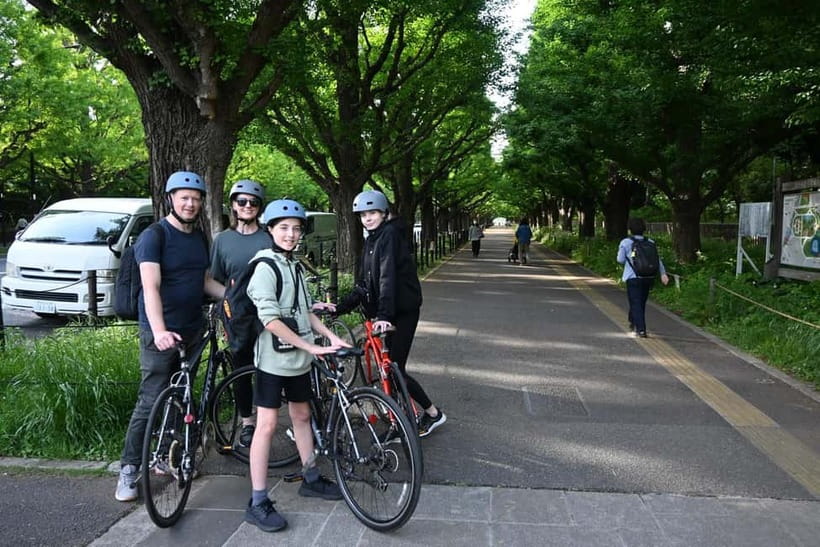
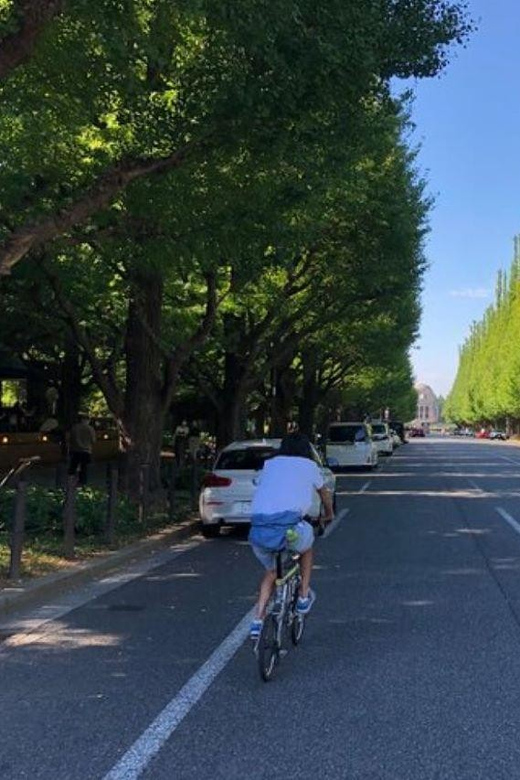
You finish with Meiji Jingu Gaien Ginkgo Avenue for about 5 minutes, with a photo stop and scenic views. The ginkgo avenue is a great photo target because it gives you a clear visual story, especially if you like lines, repetition, and street perspective.
Then you hit Japan National Stadium for a final about 5 minutes for a photo stop. It is brief, but it rounds out the loop by linking the neighborhood-to-neighborhood ride with a recognizable Tokyo landmark.
Finally, you arrive back at Umayamichi Park. The return closes the loop in a way that feels efficient, since you already covered the major areas on the way in.
The Local Touch: Why Taichi’s Commentary Changes the Ride
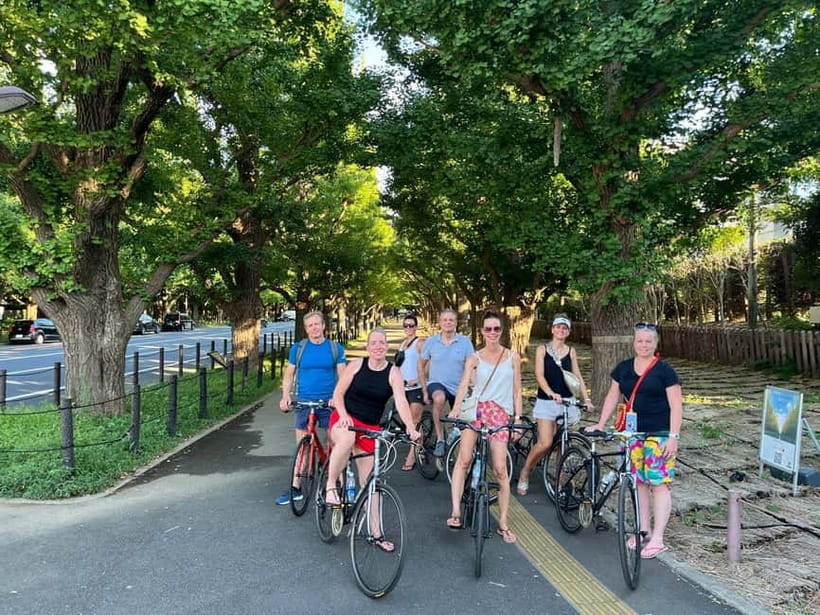
The tour sells itself on two things: famous sights and lesser-seen streets. The real difference is the guide’s human input, not just the route.
Your guide Taichi is based in Shibuya and is also an avid cyclist, which means he understands the city from a street-riding angle. The descriptions you hear are tied to history and culture, plus he shares insider tips on cafes and restaurants. That kind of advice is practical because it helps you plan the rest of your day after the ride ends.
In one of the strongest review themes, people appreciated how Taichi communicates in English and how patient he is on the ride. That matters because even if you are comfortable cycling, city driving patterns can feel different from what you expect. A calm guide reduces stress and keeps the group moving safely.
Price and Value: Is $63 for 3 Hours a Fair Deal?
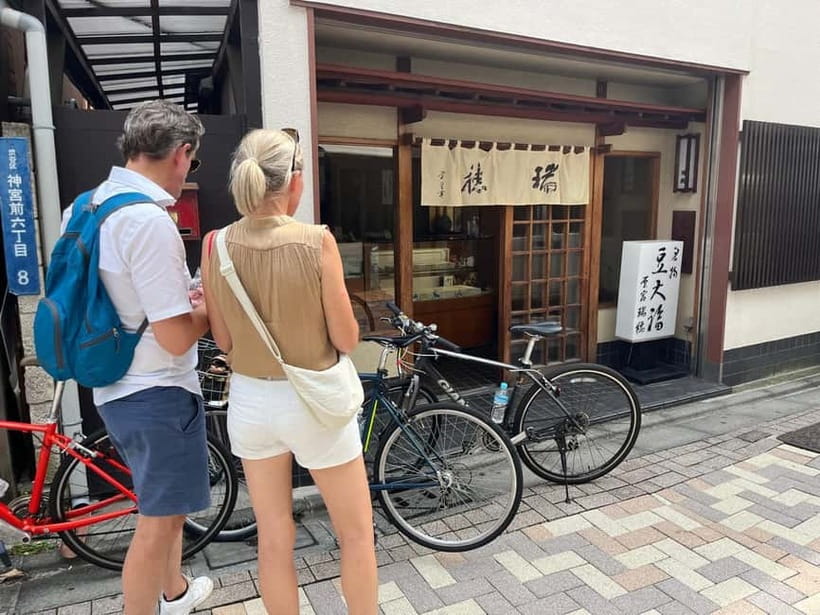
At $63 per person for a 3-hour small-group cycling tour, the value depends on what you want from Tokyo on day one. This price includes the bike and helmet, which lowers friction and cost compared with doing a DIY bike rental plus paying for a guide.
You are also buying time. The tour is designed so you can cycle through Shibuya, Harajuku, Aoyama, and Gaien without spending time on public transport or covering the same distance by foot. If you have limited days and you want a broad cross-section of neighborhoods, the route structure is what you are paying for.
Another value factor is the group limit of 6. In a larger tour, you spend more time waiting and less time asking questions. Here, your guide can notice when someone needs a slower moment or extra instruction.
The one “cost” you should expect is effort. You will cycle, you will wear the right shoes, and you will follow traffic rules. If your priority is relaxed sightseeing on a bench, a bike tour might not feel like the best fit.
Who This Tokyo Bike Tour Fits Best (And Who Should Skip It)
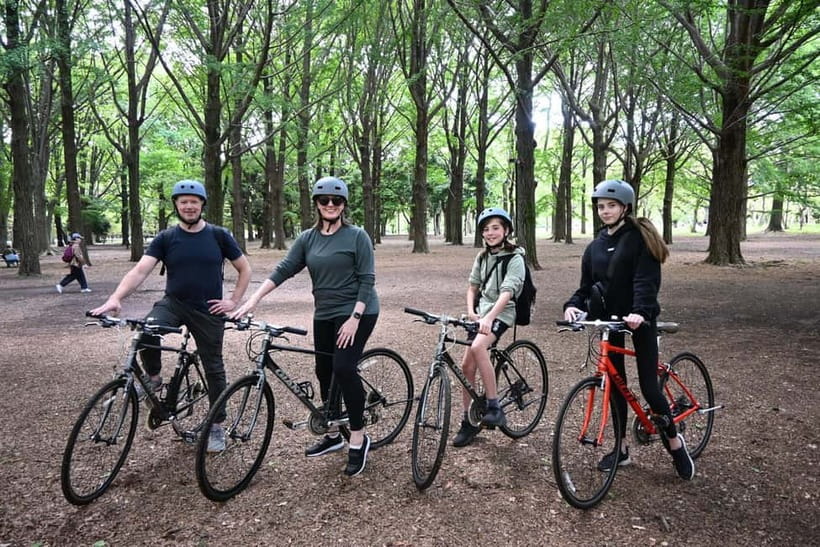
This tour is a great match if you are:
- A first-time visitor who wants to cover multiple districts fast
- Comfortable riding a bike and cycling at typical city speed around 15 km/h (9.3 mph)
- Okay navigating city crossings at traffic lights
- Interested in both iconic stops and off-to-the-side street views
It is not suitable for children under 13, pregnant women, people who cannot ride a bike, people over 200 cm (6 ft 6 in), people under 155 cm (5 ft 1 in), or people over 75 years. It also is not designed for people who do not want to follow traffic rules and guide directions.
If you are tall or short, this matters. Bike fit is tied to comfort and safety, so your height range can determine whether you enjoy the ride or spend the whole time worried about control.
If you struggle with cycling in crowded areas, you might prefer a walking alternative. Even so, the guide can help manage the group, and structured photo stops can make the ride feel less overwhelming.
Weather and Rain: What to Expect When Tokyo Turns Wet
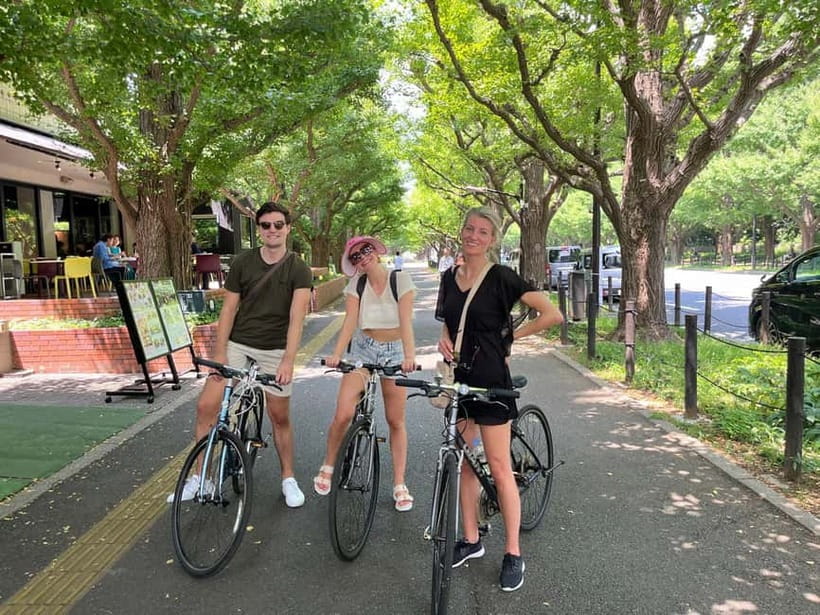
This tour proceeds in light rain, so you should not assume you will automatically get a bright day. However, it may be canceled due to sudden weather changes if the guide decides it affects safety or enjoyment.
So plan for a day that can shift. If you pack for rain and you can ride in wet conditions with confidence, you are in good shape.
Should You Book This Tokyo Bike Tour?
If you want a practical first look at Shibuya, Harajuku, Aoyama, and Gaien, this is a strong choice. I recommend it especially if you like the idea of getting to famous landmarks like Shibuya Crossing and Hachiko, while also seeing side streets and scenic pauses you would likely skip on your own.
You should book if all of this sounds workable: you can ride a bike confidently, you are comfortable with traffic light crossings and narrow or crowded areas, and you are willing to wear closed-toe shoes and follow the tour rules (no headphones, no umbrellas, no large bags).
Skip it if you want a fully relaxed day on foot, if you cannot cycle at a steady city pace, or if your comfort level with riding through dense streets is low. In Tokyo, that part is everything.
If you match the right profile, a small-group ride led by Taichi can turn your first hours in Tokyo into a clear, memorable overview you can build on.
FAQ
Where does the tour meet?
The meeting point is the park next to Freshness Burger, at Umayamichi Park.
How long is the Tokyo Bike Tour?
The tour lasts 3 hours.
Is this a small group tour?
Yes. The group is limited to 6 participants.
What is included in the price?
You get a bicycle and a helmet.
Is the tour offered in English?
Yes, the live tour guide speaks English.
Do I need closed-toe shoes?
Yes. Closed-toe shoes are required, and sandals or flip flops are not allowed.
What happens if it rains?
The tour can run in light rain, but it may be canceled due to sudden weather changes for safety.
Can I cancel and get a full refund?
Yes. You can cancel up to 24 hours in advance for a full refund.
More Cycling Tours in Tokyo
More Tours in Tokyo
More Tour Reviews in Tokyo
Not for you? Here's more nearby things to do in Tokyo we have reviewed












Shibuya Tours, side by side.
 ★ 5.0Official Street Go-Kart in ShibuyaFrom $763,435 reviews
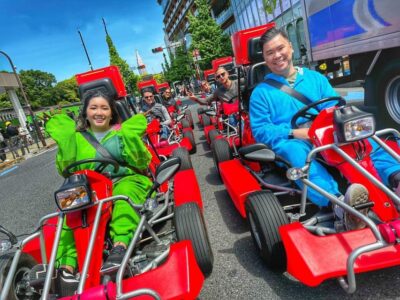 ★ 4.9Street Kart Experience in ShibuyaFrom $741,484 reviews
 ★ 5.0Shibuya Meltdown Nightlife Tour: All-You-Can-Drink Bar HoppingFrom $1061,058 reviews
 ★ 5.0Shibuya Official Street Go-Kart in Shibuya AnnexFrom $69972 reviews
 ★ 5.0Shibuya Food Tour (13 dishes and 4 Eateries)From $77770 reviews
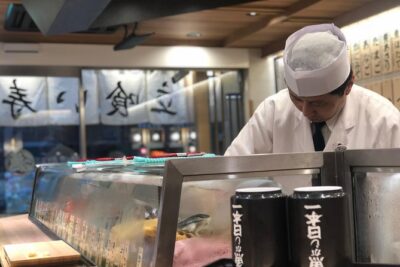 ★ 5.0Best of Shibuya Food TourFrom $217612 reviews
 ★ 4.8Shibuya Highlights Walking TourFrom $19601 reviews
 ★ 4.7Premium Go-Kart Tour with Tower & Shibuya CrossingFrom $116528 reviews
This tour also belongs to