
Review · TOKYO CITY TOURS
Tokyo: City Tour B
Tokyo in one day, with sharp contrasts. Spanish guidance and a tight route take you from peaceful Meiji Shrine to trend zones like Harajuku and Akihabara, then to luxury Ginza, Tokyo Bay in Odaiba, and finally Shibuya’s scramble. It is also eco-friendly, and you get practical tips so you can keep enjoying Tokyo after the tour.
I especially like the close, friendly style of guiding. You do not just get names and dates, you get help making sense of what you are seeing street by street, plus recommendations to return later if something catches your eye.
One consideration: the schedule packs a lot into 8 hours and the pace can feel ambitious if you like long sits down in each neighborhood. Also, the tour is Spanish only, and it is not described as suitable for hearing-impaired visitors.
Key things to know before you go
- Spanish only, with a live guide you can ask questions to as you move.
- Skip-the-line option via a separate entrance at Meiji Shrine.
- Neighborhood contrast built in from shrine calm to tech pop and upscale shopping streets.
- Plenty of built-in movement time using public transit plus short walks.
- A real lunch break in Akihabara (time is scheduled so you are not rushed into shopping on empty energy).
- Eco-friendly approach and helpful post-tour tips so you keep exploring smart.
Why Tokyo City Tour B makes sense as a first-timer plan
This is a classic Tokyo “compare and connect” day. You start in a major shrine area, then swing into fashion energy at Harajuku, tech and pop culture at Akihabara, polished streets in Ginza, and modern waterfront Tokyo Bay territory in Odaiba. Then you end in Shibuya where the whole city feeling hits you at once, with the famous scramble crossing and the Hachiko dog statue.
The value here is not just checking landmarks. It is learning how Tokyo changes block to block, and getting direction on what to prioritize next. I like that the guide promises recommendations so you do not leave with only photos, you leave with a plan.
And yes, you are moving a lot. Federico, from Spain, called the number of stops “perhaps a little ambitious,” but still said the overall experience was outstanding. That matches the reality of an 8-hour route that strings together six distinct zones. If you like your days slow, this might feel like a sprint. If you want a fast “lay of the land,” it is a strong format.
You can also read our reviews of more city tours in Tokyo

Meiji Shrine from Yoyogi Park: the calm start you need
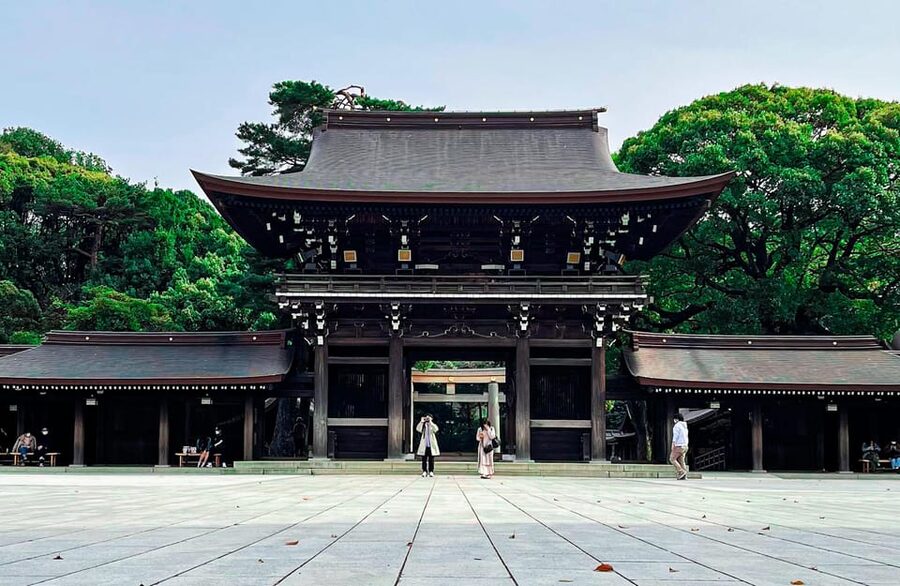
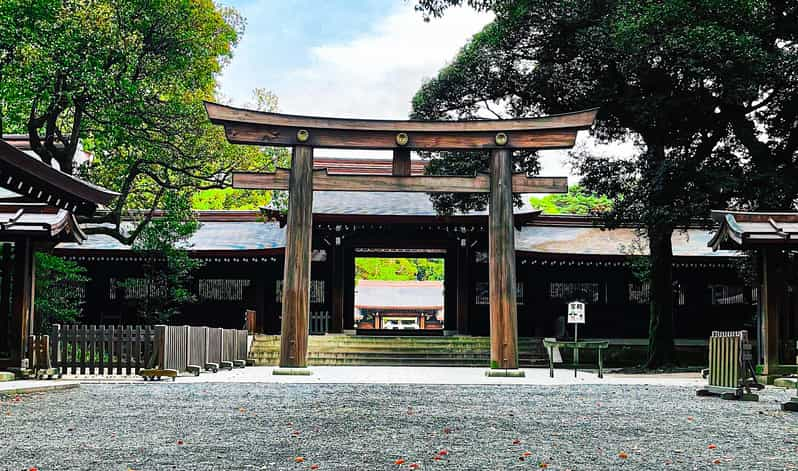
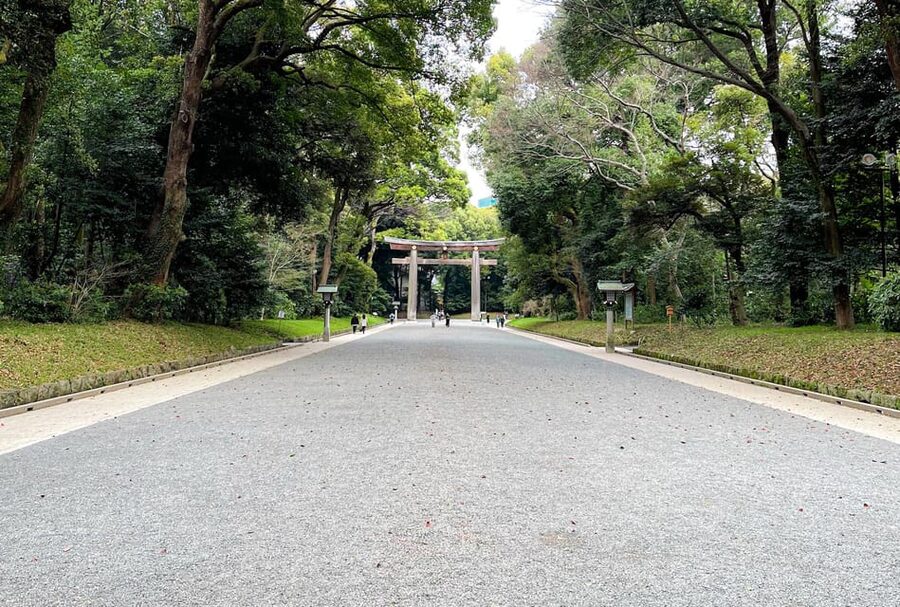
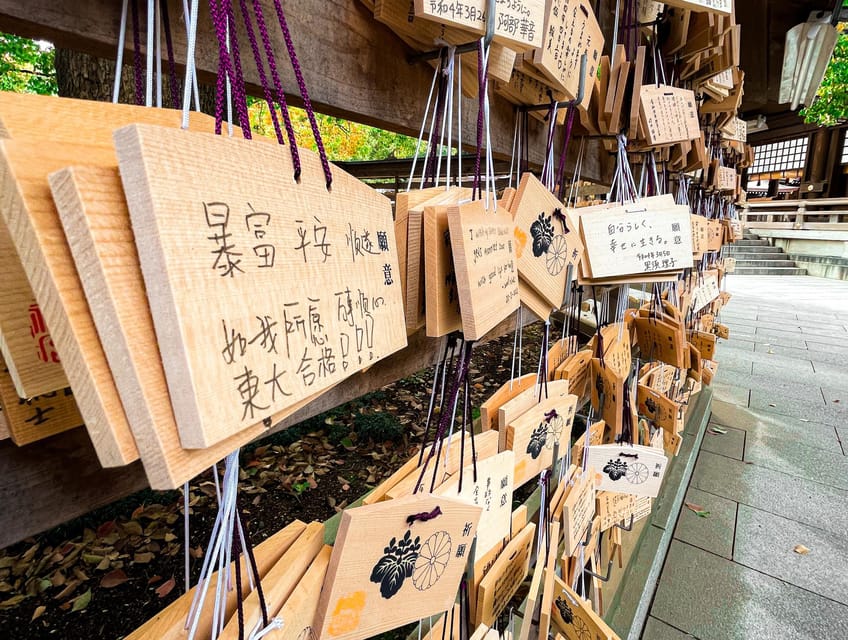
Your day begins in Yoyogi Park, at Meiji Shrine. This is where you trade commuter noise for a more ritual atmosphere right away, which helps the rest of the tour make sense. The shrine is dedicated to the emperor associated with the end of Japanese feudalism, so you get historical context without needing a museum format.
You get a guided visit here for about 1.5 hours, and there is also a skip the line option through a separate entrance. That matters because long queues can eat up your energy early in the day. With guidance in your language, you also tend to notice details you would otherwise walk past.
Practical note: this is the kind of place where people often slow down, even if the tour is moving on schedule. Wear shoes you can comfortably walk in, because you will be outside and you will want to take in the space.
Harajuku Takeshita Street: trends with context, not just shopping
After Meiji Shrine, you head toward Harajuku, and specifically Takeshita Street. This is the birthplace of trends in the Harajuku neighborhood, a place that has stayed trend-setting for decades. A guided stop here is more useful than wandering randomly, because you learn what you are looking at and how the area’s reputation formed.
You get around 40 minutes guided here. That is long enough to do people-watching, scan the vibe, and understand how Harajuku differs from the shrine start. It is also short enough that you are not stuck in a single crowded lane for the entire day.
If you are the type who hates crowds, plan to treat this stop like a quick immersion. Come in expecting density. The goal is to see the pattern, then move on.
Akihabara by train: geek pop culture with a scheduled lunch break
Next comes the Akihabara neighborhood. You are guided through this “geek pop culture” district for a solid chunk of time. The experience here is about energy and categories: electronics culture, themed interests, and the overall feel that tech and fandom share the same streets.
You get 80 minutes of guided time, followed by a break and lunch of 70 minutes. I like the way this tour handles food. Too many city tours treat lunch as an afterthought, and then everyone scatters when they are hungry. Here, your schedule includes time to reset, so you can return with better focus for the remaining neighborhoods.
There is also a train ride built into the flow. Expect you will be using public transit as you go, which is part of the learning value. You are not just standing in one place, you are seeing how Tokyo actually connects zones.
This is also where the tour’s Spanish guidance becomes especially helpful. When you are moving through something as visually intense as Akihabara, having a guide explain what you are seeing reduces guesswork fast.
Ginza, luxury district to Tokyo Bay territory in Odaiba
From Akihabara, you head toward Ginza, the luxury district. The tour gives you about 40 minutes guided time here. Ginza is a shift in tone from Akihabara and Harajuku, so this is a useful mid-day checkpoint. You can recalibrate what “modern Tokyo” looks like, depending on what kind of shopping and street culture you care about.
Then you continue toward Tokyo Bay and Odaiba, with about 1 hour guided at Odaiba. Odaiba is known for its modern, waterfront setting, and this stop helps your day feel like more than “neighborhood shopping.” You get a change of atmosphere, with the bay area giving a wider sense of Tokyo’s scale and planning.
A key reality here: Odaiba and bay areas can feel different depending on weather and light. If your tour day is cloudy, you might still enjoy the change in space, but photo results will vary. Either way, the guided framing makes it easier to appreciate what you are seeing beyond storefronts and street noise.






Shibuya and the Scramble Crossing finish: the photo moment with a purpose
Your tour ends in Shibuya, at the Shibuya Scramble Crossing. This is where Tokyo feels most like a movie set, even in real life. You also get the Hachiko dog statue as part of the experience, which gives the stop emotional and cultural grounding instead of being only a busy intersection.
You get about 20 minutes guided time in Shibuya city, then you finish at the crossing. That final push is intentional. After shrine, fashion, tech, and luxury, the last stop gives you a clear “now I get Tokyo” feeling.
If you want photos, go in with a simple plan: take one wide shot of the crossing, then do a second pass for a closer angle around the statue area. The crowd will move, so you do not need to fight for the perfect spot immediately. Just work quickly and keep your eyes up.
Value and cost: is $96 a good deal for this route?
At $96 per person, this tour is priced like a mid-range guided day. What you get for that money is the major value: a guided tour in Spanish that strings together multiple top neighborhoods in one day, plus time structured around key transitions.
Two things matter for your budget:
- Transportation is not included, listed as ¥1,160. Because this tour uses public transit, this cost is part of the actual day math.
- Food and drink are not included. The schedule does set up lunch time during the Akihabara block, but you will still pay for your own meal.
Hotel pickup is optional, depending on the supplement or the private tour option. That can be worth it if you are tired and want less stress at the start, but it is not mandatory to enjoy the tour.
So is it a good deal? For most first-time visitors who want a guided orientation across several iconic districts, yes. The skip-the-line feature helps too, because it saves time where you least want to waste it. The main “value trade” is the packed pace. If you prefer slow travel, you might feel like you pay for speed rather than depth.
Logistics that can make or break your day
This tour runs on public transport, including group and private options. That is good for learning how neighborhoods connect, and it also means you should expect stairs, platforms, and tight timing. It is not described as a private car tour, so plan for movement.
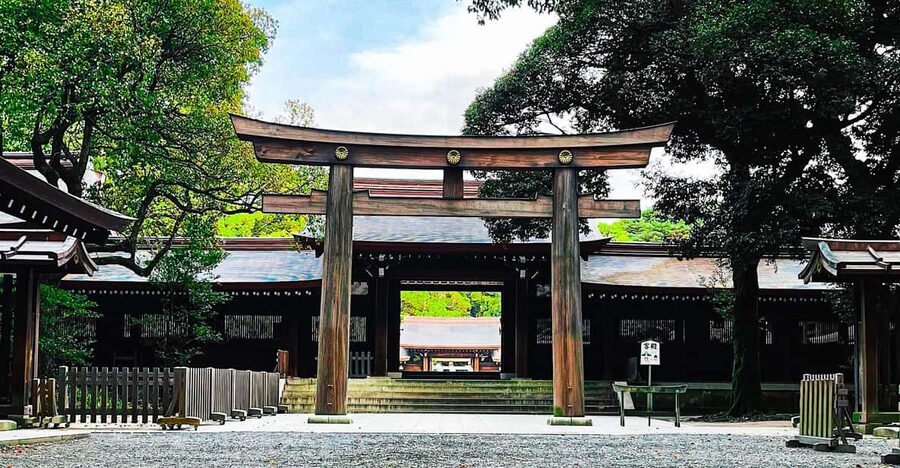
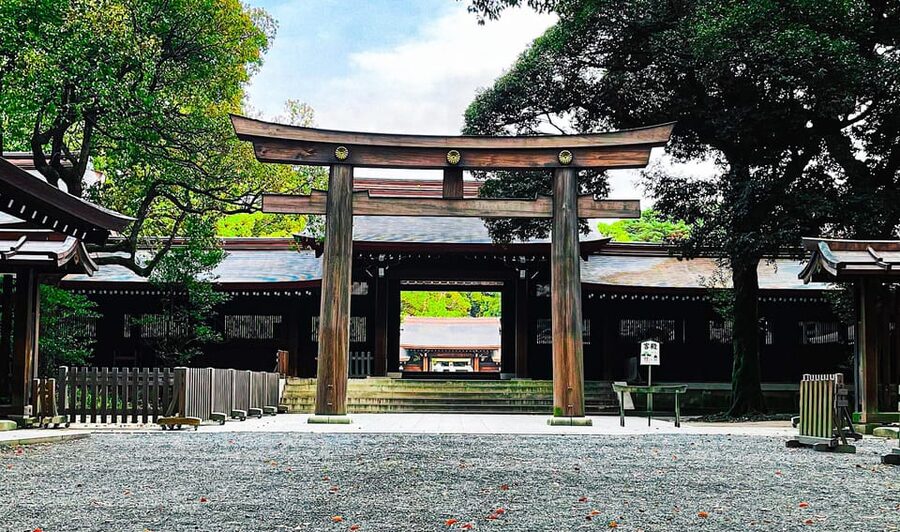
Meeting point matters. You meet in front of the large wooden Torii gate at the entrance to the park, at the West Exit of Harajuku Station. The guide is waiting with a name tag indicating NIPONEANDO. Arrive about 5 minutes early so you are not stressing right at the start.
There are also clear rules: you cannot bring luggage or large bags, and unaccompanied minors are not allowed. If you are traveling light, great. If you have big bags, you will need to handle that outside the tour.
Language is a major factor. The tour is in Spanish, and there is no note that the guide speaks multiple languages. If you are comfortable with Spanish, you will get more from the explanations. If you are not, you may still enjoy the sites, but you will miss the guide layer.
Wheelchair access is listed, which is a positive note. It is also listed as not suitable for hearing-impaired people, so if that affects you, you will want to look for another option.
Who should book Tokyo City Tour B, and who should skip
I think this tour fits best if you want a single-day backbone for Tokyo. If you are trying to decide what neighborhoods to return to, this helps you build that short list quickly: shrine calm at Meiji, fashion context at Harajuku, tech and pop culture at Akihabara, polished city blocks in Ginza, and a modern waterfront mood in Odaiba, then the big finish at Shibuya.
It is also a good pick if you like guidance and structure. The tour explicitly focuses on a close and friendly guide style, and that shows up in real feedback, including mentions of the guide Ismael being enthusiastic and helpful.
I would skip it if you want deep time in one neighborhood, like you want to stay in Akihabara for hours without the next transfer. The schedule is built for variety and coverage, not long wandering.
You should also consider skipping if Spanish is not workable for you. The tour being Spanish only can turn “curiosity” into confusion if you cannot follow the explanations.
Should you book it? My call
Book Tokyo City Tour B if you want an efficient, guided way to understand Tokyo’s contrasts in one day, and if Spanish is a comfortable match for you. The skip-the-line Meiji Shrine start, the structured time blocks (including lunch time in Akihabara), and the clear end at Shibuya make it feel designed for real people, not just a checklist.
Skip it if you know you get overwhelmed by packed schedules, or if you cannot comfortably handle public transport pacing. This tour rewards visitors who like momentum and who plan to use it as an orientation day.
If you do book, come with comfortable shoes, travel light to avoid bag issues, and keep your expectations aligned with an 8-hour neighborhood sweep.
FAQ
Is the Tokyo City Tour B guided in Spanish?
Yes. The live tour guide speaks Spanish.
How long is Tokyo City Tour B?
The duration is 8 hours.
Where do I meet for the tour?
You meet in front of the large wooden Torii gate at the entrance to the park, located at the West Exit of Harajuku Station. The guide waits with a name tag showing NIPONEANDO.
Is hotel pickup included?
Hotel pickup is included only if you add the supplement or select the Private Tour option. Otherwise, pickup is optional.
Do I need to pay for transportation during the tour?
Yes. Transportation is listed as ¥1,160 and is not included. The tour uses public transport.
What is the skip-the-line feature?
The tour includes skipping the line through a separate entrance.
Is lunch included?
Food and drink are not included. The tour does include a scheduled break time and lunch during the Akihabara portion.
Are large bags allowed?
No. Luggage or large bags are not allowed on this tour. Unaccompanied minors are also not allowed.
More City Tours in Tokyo


More Tours in Tokyo

More Tour Reviews in Tokyo
Not for you? Here's more nearby things to do in Tokyo we have reviewed












Tokyo City Tours, side by side.
 ★ 5.01-Day Tokyo Bus TourFrom $12914,250 reviews
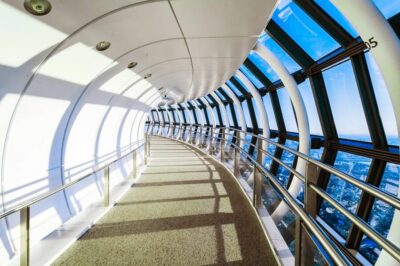 ★ 4.5TOKYO SKYTREE® Admission ticketFrom $1311,192 reviews
 ★ 4.6teamLab Planets TOKYO Digital Art Museum Entry TicketFrom $259,779 reviews
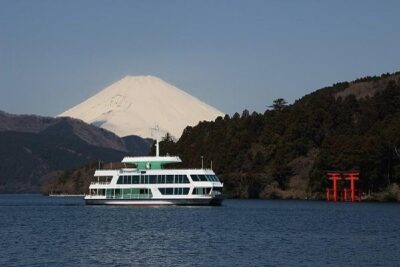 ★ 4.0Mt Fuji & Hakone Cruise, Drum Show Bullet Train 1 Day from TokyoFrom $1497,413 reviews
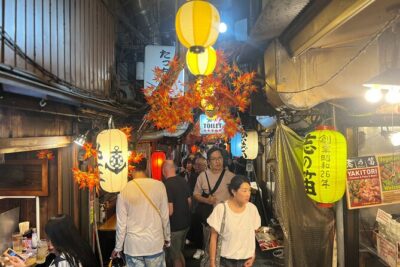 ★ 5.0Shinjuku Food Tour (13 Dishes at 4 Local Eateries)From $866,603 reviews
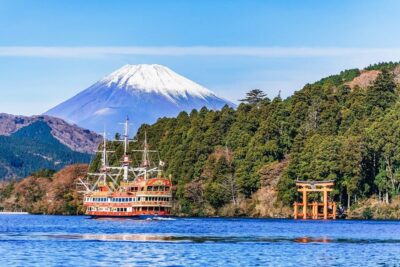 ★ 4.4Tokyo Mt Fuji 5th St & Hakone Cruise Bus Tour w/Bullet TrainFrom $1545,024 reviews
 ★ 5.0Flagship 2-Hours Official Street Go-Kart Tour – Tokyo Bay ShopFrom $644,974 reviews
 ★ 4.5From Tokyo: Mount Fuji Full-Day Sightseeing TripFrom $684,970 reviews
This tour also belongs to