
Review · TOKYO CITY TOURS
Private Edo-Tokyo Open Air Architectural Museum Tour
One house can teach you a whole century. This private Edo-Tokyo Open Air Architectural Museum tour stitches together Tokyo’s shift from traditional neighborhoods to modern design, with guides who make the buildings easy to read. I like that you get both architecture detail and Tokyo context in one walk, so you come away seeing the city with new eyes.
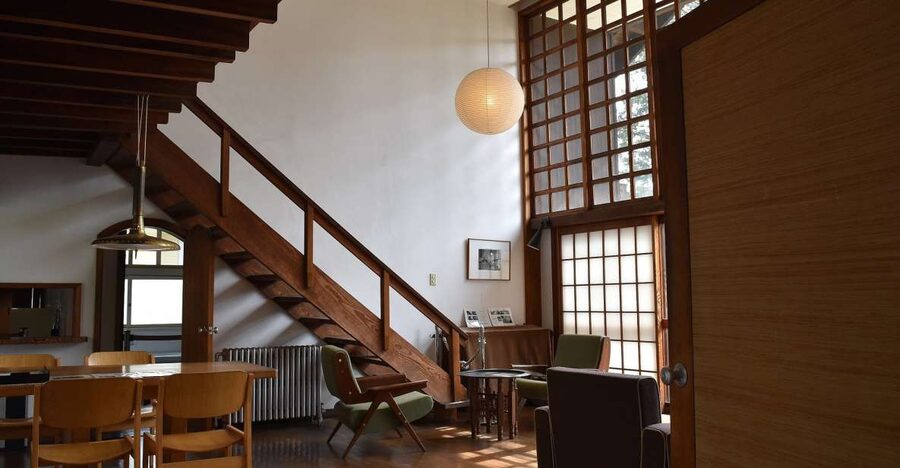
My favorite part is the range: you start with a Kunio Maekawa design tied to Le Corbusier, then move to Sutemi Horiguchi’s Dutch influence and De Stijl ideas. The last stretch feels like a TV or film set for anyone who loves the look of classic Japanese animation. A main consideration is that it is not a car day, you’ll use trains and buses for the museum area, and some interiors require you to remove your shoes.
Key highlights you will actually care about
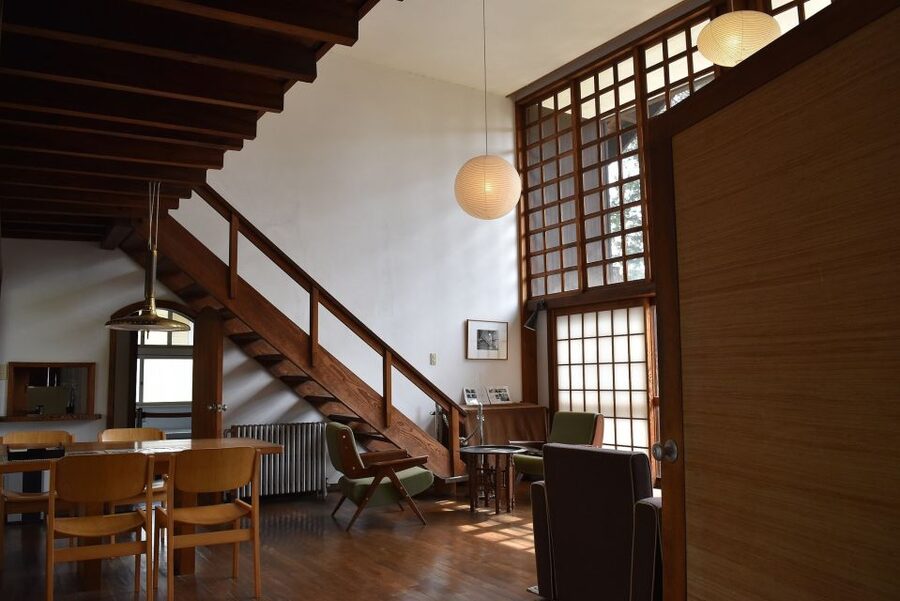
- Kunio Maekawa and the Le Corbusier connection: modern architecture roots in wartime Tokyo.
- Sutemi Horiguchi’s Dutch-first approach: see how European ideas were translated into Japanese rooms.
- Art Deco meets De Stijl, inside traditional spaces: you can spot the style mash-up for yourself.
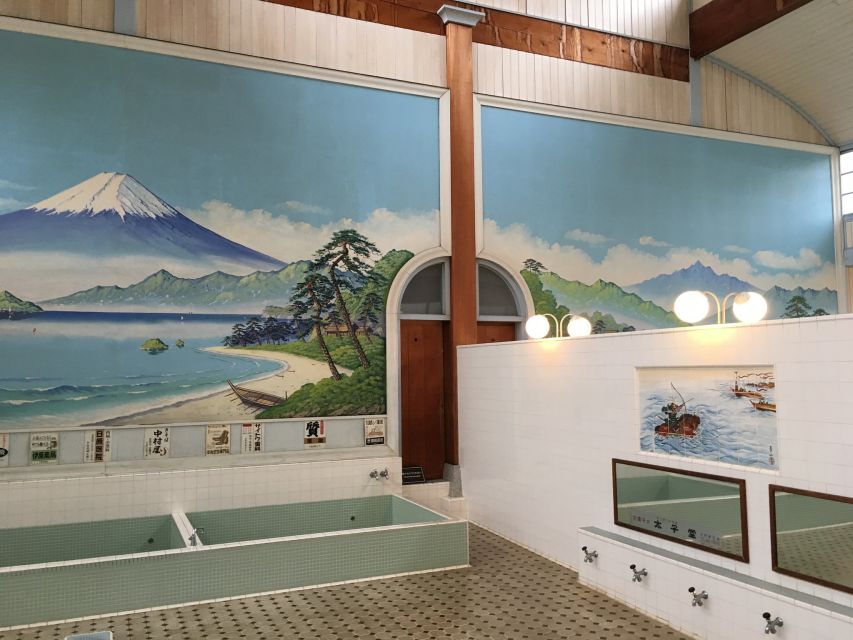
- Shitamachi atmosphere in the second half: old East Tokyo streets plus a bathhouse and an old train.
- Private, English-speaking guide: you can focus on what you want to notice, architecture or Tokyo history.
Tokyo’s architectural time machine, without the museum maze
This tour is built around one place, the Edo-Tokyo Open Air Architectural Museum, but it moves through big themes fast. You start with modern architecture stories, then you slide backward and sideways into earlier eras and European influences, and you end in a very recognizable East Tokyo neighborhood feel.
What makes it work is the pacing and the guide’s job: instead of only pointing at buildings, the tour helps you read them. You learn why certain materials and layouts show up, and you connect those choices to Tokyo’s changing role from the end of the samurai era through Meiji and into the Showa period. That story line matters because architecture is not decoration. It is a record of technology, politics, and taste.
For the best value, think of it as a guided “architecture decoder ring.” The admission fee is included, and you get pickup at either JR Shinjuku Station or JR Tokyo Station, so you spend less time figuring out logistics and more time looking closely at walls, proportions, doors, gardens, and room transitions.
You can also read our reviews of more private tours in Tokyo

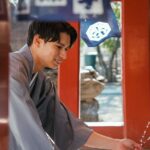
Kunio Maekawa’s wartime design and what it tells you
The first major stop is a house designed by Kunio Maekawa, known for working as Le Corbusier’s Japanese apprentice and also collaborating with Antonin Raymond. Even if you do not know the names, you will feel why this stop matters. Maekawa’s reputation is not about one dramatic shape. It is about how he brought European modern thinking into Japan and made it fit local life.
You are looking at a design built during the Second World War, and that time period adds weight. In hard years, modernism can feel like optimism with strict rules. The house is a sophisticated example of that mindset, and the architecture still attracts visitors because it feels intentional rather than dated.
When you visit, your best approach is to slow down for the “how does it work” details. Pay attention to how the spaces relate to light and circulation, and how the house balances openness with privacy. The tour guide helps connect these choices to broader modern architecture development in Japan, so your viewing becomes active, not just sightseeing.
Sutemi Horiguchi, Dutch ideas, and the fun part of style mixing
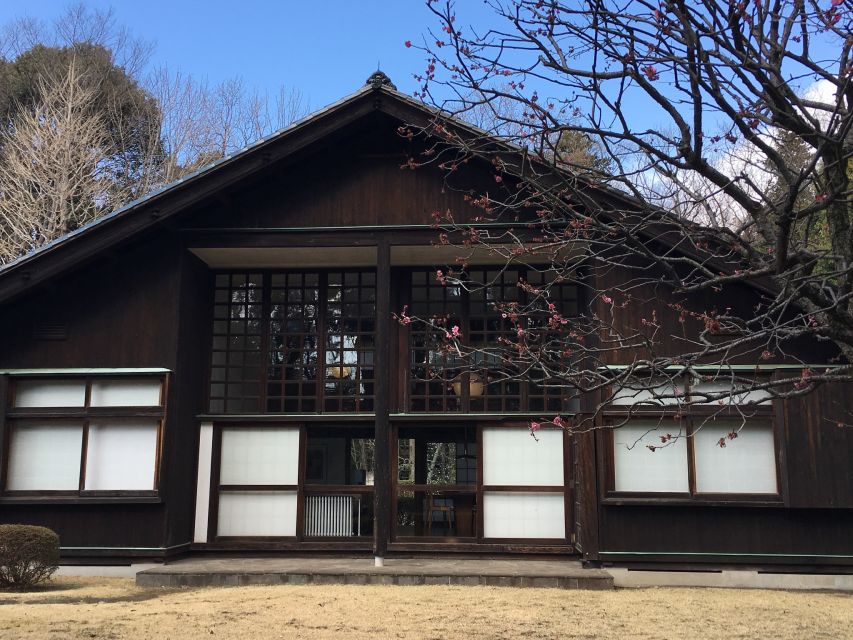
Next comes a house by Sutemi Horiguchi, a big name because he is credited with introducing Dutch architecture to Japan for the first time. This matters because it explains something you might notice later in Tokyo. Japan did not just copy Europe. It absorbed parts, then recombined them into something distinctly Japanese.
The house dates to 1925, just after Horiguchi returned from a trip to Europe. That timing is a gift for your brain, because it lets you imagine the contrast. You get a direct line from European observations to design decisions in Tokyo, fast.
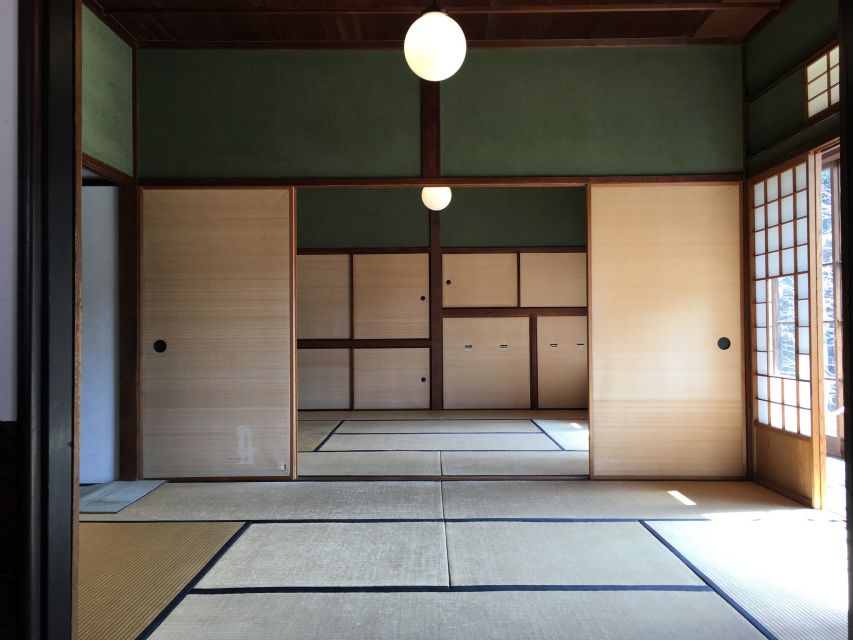
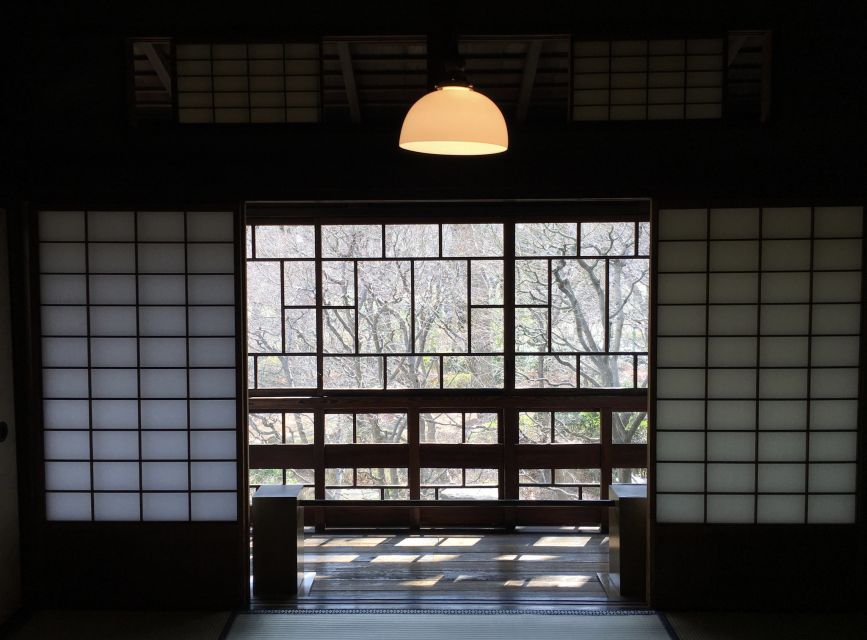
Here is the style combo to watch for: Art Deco mood and De Stijl (The Style) compositions show up alongside traditional Japanese rooms. This is where the tour becomes more than a parade of beautiful buildings. It becomes a lesson in translation. You can see how straight-line European art ideas and geometric composition can coexist with Japanese architectural rhythm, including the way rooms are organized and how interiors communicate with outdoor space.
A practical tip: keep your eyes open for transitions. You might notice how a Western-influenced layout shifts into areas that still feel Japanese in scale and feel. Those moments are where the “adoption” story lives.
The Mitsui residence, wealth, and how luxury shows up in rooms
After the European-influence stops, the tour slows your thinking in a different direction with the residence associated with the Mitsui family, described as one of Japan’s richest families. Luxury can be a tricky word in architecture. It is not only about cost. It is about choices that express confidence, stability, and social identity.
In this house, you will see luxurious interior decoration, and that gives you a contrast against the modernist houses. Even without memorizing architectural terms, you can understand the difference in intent. Some spaces are designed to impress through craftsmanship and finish. Others are designed to express modern order and function.
When you move through this part, try to notice how decorative elements support the overall experience. For example, think about how ceilings, wall treatments, and room proportions change the mood as you walk from one space to another. The guide’s stories help “humanize” the architecture, meaning you understand what these rooms were for, not only what they look like.
If you like tea rooms and garden-like details, this is often the kind of stop where a good guide can point out what to look for. One guide, Yuichi, was specifically praised for tailoring the tour to interests like traditional architecture and tea-related spaces.
Shitamachi East Tokyo, bathhouse vibes, and the animation look
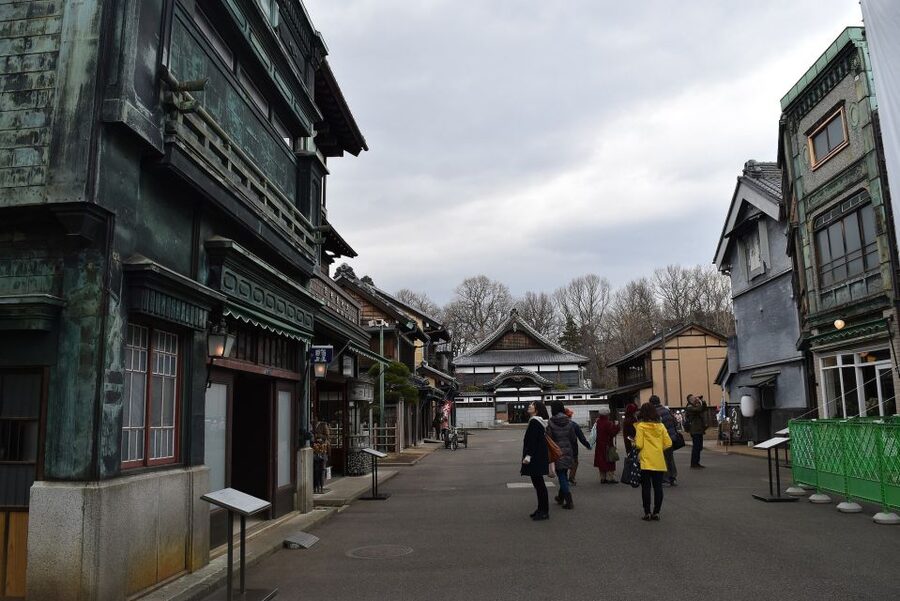
The second half of the tour is the part that wins a lot of people over, especially Studio Ghibli fans. The atmosphere shifts toward what the tour describes as Shitamachi, East Tokyo’s older neighborhood feel. The buildings and streets have that look that feels like it could be lifted from an animation scene, and you can walk through a staged feeling without it being a theme park.
Important clarification: this tour is an architecture tour, not the Ghibli Museum. You do not go to the Ghibli Museum, even if the vibe brings those memories close.
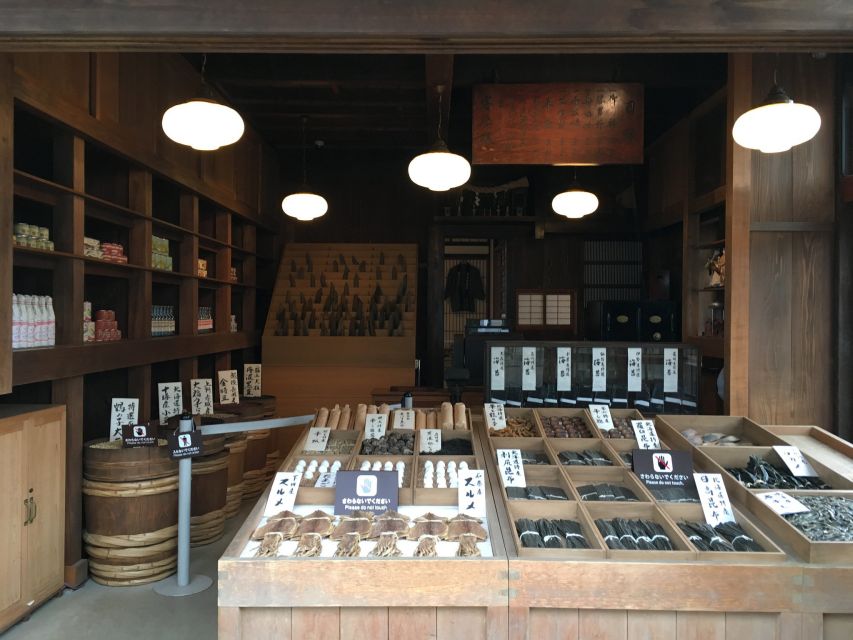
In this section, you get two especially memorable elements: a traditional bathhouse and an old train that used to run through Tokyo. These stops do a great job of grounding architecture in daily life. It is one thing to see a building shell. It is another to see a bathhouse environment and a transportation relic, because those connect buildings to routines, streets to movement, and neighborhoods to community habits.
If you like photos, this is where you can plan to linger. Aim for angles that show street rhythm rather than only close-ups. And if your guide offers tips, listen closely. Guides often know the small vantage points that make the scene feel more believable.
You can also read our reviews of more museum experiences in Tokyo




How the 5-hour flow usually feels, and where time can slip
This is a 5-hour private tour, so you are not getting a quick hit. You are also not spending the whole day on one long travel slog. The balance is the key.
Pickup is available at JR Shinjuku Station or JR Tokyo Station, and the tour begins with a structured start at the meeting point for the group: Tokyo Station Marunouchi Front Plaza. After you exit the JR Tokyo Station Marunouchi Central Gates, head to the center of the station building. You will see a carriage porch area marked for VIP guests with Japanese national flags on both sides. Your guide will be waiting there holding a bag with an illustration of the Nakagin Capsule Tower.
From there, the route shifts into real Tokyo transit. Even if you are comfortable using trains, it helps to remember that some buildings require shoe removal, so you will be standing, walking, and adjusting as the day goes on. If you tend to move slowly, bring patience. If you move fast and like to photograph, your guide can keep you on track.
One small consideration from real experience: some people assume it will be a car ride. It is not. You will use trains and buses to reach the museum area, and the day still feels efficient, just more like a Tokyo adventure than a chauffeured highlight reel.
Price and value: what you get for $193 per person
At $193 per person, this is not a bargain tour. It is also not overpriced for what you receive, especially if you are comparing it to paying admission plus hiring time with an English-speaking guide for a half-day.
Here is the value math that matters:
- You get an English-speaking licensed guide for the full 5-hour session.
- You get admission included for the museum.
- Pickup at JR Shinjuku or JR Tokyo is included.
- You are on a private group format, which usually means the guide can flex explanations to your interests.
What you pay extra for: transportation fee to and from Tatemono-en is noted as about 700 JPY one way. The tour uses trains and buses to get there. So your true total depends on your exact route and how you handle that local fare, but the tour clearly signals it upfront.
If you are the kind of traveler who likes to walk into a place and understand what you are seeing, the price makes sense. If you only want photos and a quick pass through, you might feel the cost more than the content.
Shoes, stepping rhythm, and other practical comfort notes
Comfort can make or break an architecture day. A key “know before you go” point is that many historic buildings require you to remove your shoes before entering. That is not optional. It is part of respecting the interior spaces.
So your best move is simple:
- Wear shoes that are comfortable and easy to slip on and off.
- Plan for pauses at entrances, not just constant walking.
- Bring socks you feel good about wearing for the duration.
Also, because this is an outdoor open-air museum, you will be outside enough that you should dress like you are sightseeing, not like you are at a gallery. The tour style is relaxed, but it is still a half-day of movement.
Booking, language, and the guide matching idea
This tour runs with an English live guide, and it is described as a private group. That format is part of the appeal because it reduces the feeling of being rushed, and it makes questions easier.
One of the stronger signals from real experiences is that the guide can match your interests. For example, Yuichi was praised for tailoring the tour toward traditional Japanese architecture and tea rooms/gardens. Another guide, Yuki, was praised for clear explanation while also helping navigate subway and buses.
That matching matters because Edo-Tokyo architecture can be read in different ways. If you focus on European influence, you will be hunting for style lines and composition. If you focus on Japanese domestic life, you will be watching room flow, thresholds, and garden relationships.
Who should book this tour, and who might want a different style
This tour is a strong fit if you love any of these:
- Architecture with real-world context, not just famous names
- European influence in Japan, especially modernism and Dutch-inspired ideas
- An animation-like sense of place, without going to the Ghibli Museum
- Tokyo history seen through buildings, including major era shifts
It might be less satisfying if you:
- Want an ultra-fast, photo-only walk
- Dislike shoe removal and indoor entry rules
- Expect a car-to-car experience from Tokyo stations to the museum
A good sign for hesitant readers is that the guide support is not only about facts. In one account, when someone felt unwell and had to stop early, the guide helped get them to a hospital. That shows a human side you rarely see in pure sightseeing.
Should you book this Edo-Tokyo Open Air Architectural Museum tour?
I would book it if you want a half-day that teaches you how Tokyo got from one design language to another. The combination of Maekawa modernism, Horiguchi’s Dutch-to-Japan translation, and that Shitamachi atmosphere with a bathhouse and old train is a rare mix.
If you are on a tight schedule, remember it is 5 hours, and you will use trains and buses after pickup. Plan for shoe rules and comfortable clothing. Also, double-check expectations about the Ghibli Museum, because this tour is not that stop.
If you like guided learning with a guide who can focus on what you care about, this one is worth your time.
FAQ
Where is the meeting point for the tour?
The meeting point is Tokyo Station Marunouchi Front Plaza. After exiting the JR Tokyo Station Marunouchi Central Gates, head to the center of the station building, where you will see a carriage porch area with Japanese national flags and the guide waiting with a bag showing an illustration of the Nakagin Capsule Tower.
Is pickup included, and from where?
Yes. Pickup is included at either JR Shinjuku Station or JR Tokyo Station.
How long is the tour?
The duration is 5 hours.
Is the tour guide English-speaking?
Yes. The tour includes an English-speaking licensed guide.
What’s included in the price?
Included items are pickup (from JR Shinjuku or JR Tokyo), admission fee, and an English-speaking licensed guide.
What is not included?
Transportation fee to and from Tatemono-en is not included, and it is approximately 700 JPY one way. The tour uses trains and buses to get to Tatemono-en. A visit to the Ghibli Museum is also not included.
Does the tour visit the Ghibli Museum?
No. This tour is for the Edo-Tokyo Open Air Architectural Museum and does not go to the Ghibli Museum.
Do I need to remove my shoes?
Many historic buildings require guests to remove their shoes before entering, so it is recommended to wear comfortable slip-on or easy-to-remove footwear.
Can I cancel and get a refund?
Yes. The tour offers free cancellation up to 24 hours in advance for a full refund.
Is there an option to pay later?
Yes. The tour offers Reserve now & pay later, where you can book your spot and pay later.
More Private Tours in Tokyo

More Tours in Tokyo






More Tour Reviews in Tokyo

Not for you? Here's more nearby things to do in Tokyo we have reviewed












Tokyo City Tours, side by side.
 ★ 5.01-Day Tokyo Bus TourFrom $12914,250 reviews
 ★ 4.5TOKYO SKYTREE® Admission ticketFrom $1311,192 reviews
 ★ 4.6teamLab Planets TOKYO Digital Art Museum Entry TicketFrom $259,779 reviews
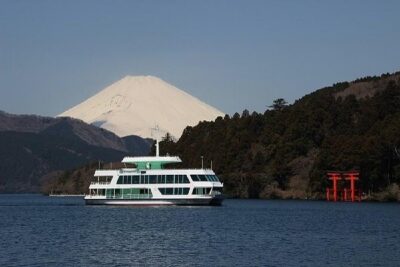 ★ 4.0Mt Fuji & Hakone Cruise, Drum Show Bullet Train 1 Day from TokyoFrom $1497,413 reviews
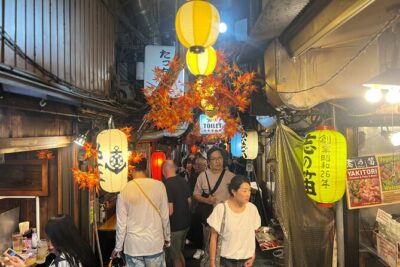 ★ 5.0Shinjuku Food Tour (13 Dishes at 4 Local Eateries)From $866,603 reviews
 ★ 4.4Tokyo Mt Fuji 5th St & Hakone Cruise Bus Tour w/Bullet TrainFrom $1545,024 reviews
 ★ 5.0Flagship 2-Hours Official Street Go-Kart Tour – Tokyo Bay ShopFrom $644,974 reviews
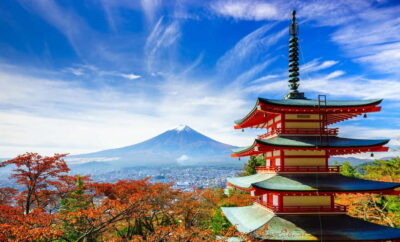 ★ 4.5From Tokyo: Mount Fuji Full-Day Sightseeing TripFrom $684,970 reviews
This tour also belongs to