
Review · CITY TOURS
Bonsai Tour & Experience at the Most Sacred City for Bonsai in JP
Mini trees, big patience, and better pruning tips. This Bonsai-cho experience turns bonsai from wall photos into something you can actually understand, with garden viewing and then a hands-on pruning and shaping session. I especially like the small group size and the time your guide spends explaining what you are looking at, even when you ask lots of questions. The only real catch is that you will likely add small extras, like a cafe order and an optional Bonsai Art Museum ticket.
Bonsai-cho, also called Bonsai City, was formed about 100 years ago by local bonsai gardeners after the Great Kanto Earthquake, and it still feels like a place devoted to the craft. You will visit outdoor bonsai gardens and long-established nurseries where hundreds of top-quality trees get explained in plain terms, not just shown. The tour runs about 2 hours 30 minutes, so it is focused, not slow, and that matters if you want a longer, more leisurely museum-style day.
Key highlights you will feel immediately
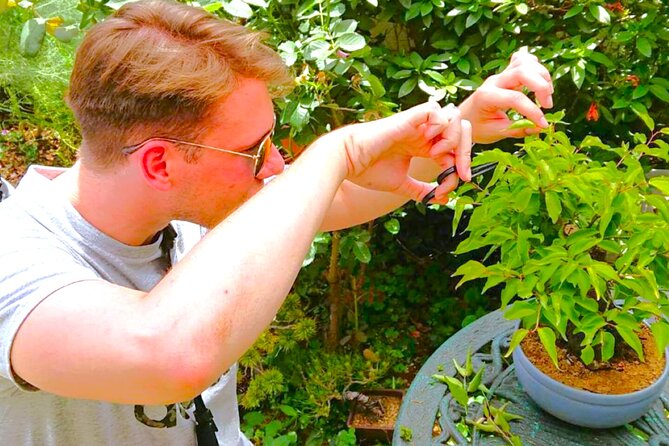
- Small group of up to 10 for personal attention during shaping and pruning
- Toro Station meeting point in Saitama, near public transportation
- Two-part flow: sightseeing in bonsai gardens, then a practical pruning session
- Tool usage fee included so you can focus on learning the techniques
- Cafe order plus optional museum to budget a bit extra
Bonsai-cho is where bonsai actually lives
If you want bonsai that feels real, Bonsai-cho in Saitama is a strong choice. This is not a one-stop shop with a few display shelves. It is an area known for multiple long-established bonsai gardens, and that matters because you get to compare styles, training methods, and forms rather than seeing the same look again and again.
I like that the tour frames bonsai as art plus discipline. Bonsai is described as miniature natural landscapes in containers, but the important part for you is what that means in practice: how branches are selected, how growth is controlled, and how time does the heavy lifting. When you see the trees outdoors and then talk through why they look the way they do, the craft stops feeling mysterious.
A possible consideration: because the session is compact (2 hours 30 minutes), you need to be ready to learn fast. You cannot expect a full day to experiment, rest your eyes, and keep wandering. The experience is built around a guide-led pace, which is great for beginners, but it is not built for long solo time.
You can also read our reviews of more city tours in Tokyo


Getting started at Toro Station: fast, simple, and on time
Your day begins at Toro Station, specifically Torocho 1 Chome in Kita Ward, Saitama. Meeting at a station like this keeps the start straightforward, and it is near public transportation, so you should be able to plan without complicated transfers.
From there, the guide leads you into the bonsai area. The practical benefit here is timing. Bonsai is seasonal in the way trees show growth, and the tour design gets you into the gardens during the main sightseeing block first. That means you will not miss the chance to see how the trees look outside, under real light, with real space around them.
Also, this is a guided small group, so you are not just following along at a distance. Your guide answers questions while walking, which is useful if you are unsure what terms like pruning, shaping, or even bonsai form mean. If you ask about Japan in general along the way, expect room for those questions too, since the guide is used to explaining.
Outdoor bonsai gardens: learning to read the trees
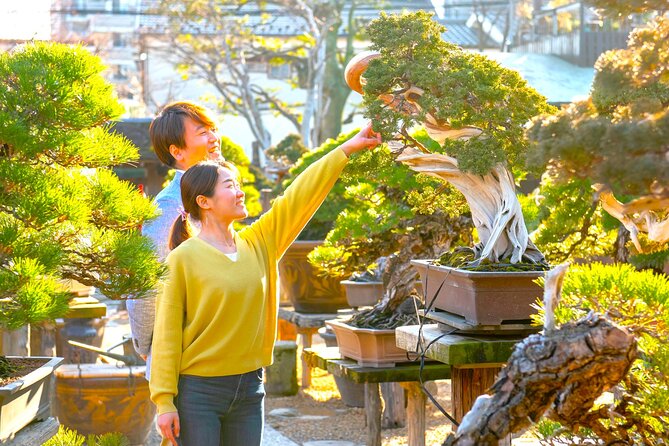
The first session is pure viewing and interpretation. You will visit an outdoor bonsai garden and then see examples at prominent bonsai nurseries, with extensive commentary from your guide. The goal is not to count trees. The goal is to learn how to look.
Here is how you can make this part pay off: when you see a tree, try to identify the choices behind it. Ask yourself:
- Which branches are being emphasized, and which are being removed?
- Does the trunk look old and weathered, or more recently shaped?
- How does the canopy form read from the front?
That is where bonsai becomes more than decoration. The guide’s role is to connect the visual style to the techniques that create it, so you start building mental models. One of the strongest praised aspects of this experience is the way the guide explains both history and handling details, so even beginners can follow.
You should also expect a lot of trees. The description points to hundreds of top-quality bonsai pieces with commentary. That can feel like sensory overload if you treat it like a checklist, so slow down mentally. Pick a few forms and compare them, then let the rest become texture.
Hands-on pruning and shaping: where the lesson sticks
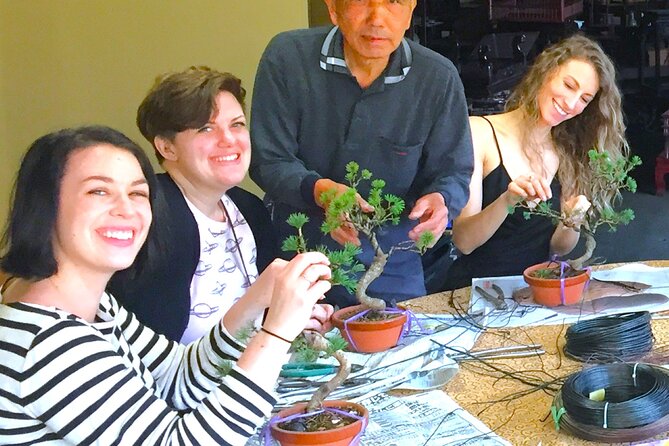
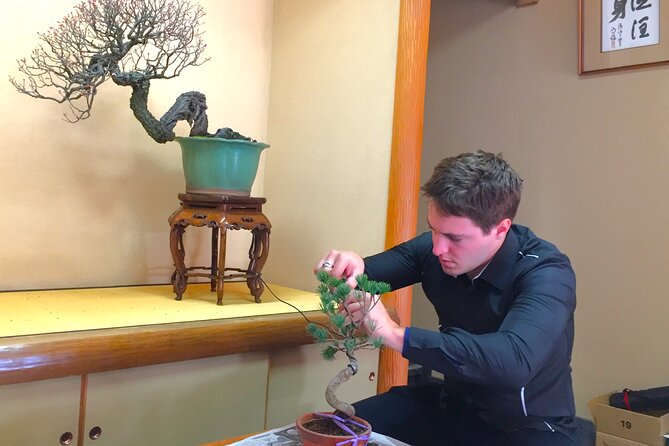
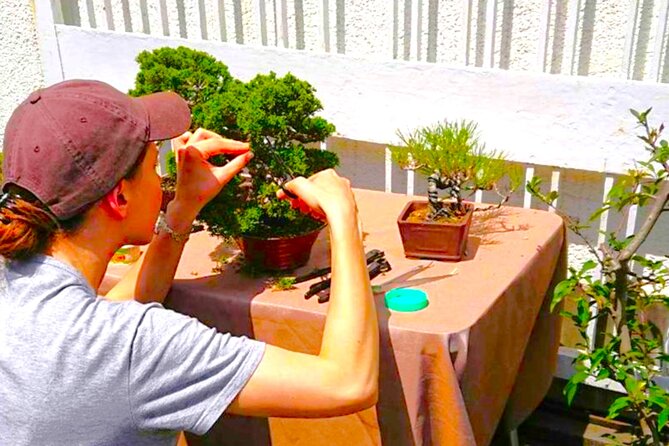
The second session is the part you will remember when you try to care for plants later. After the viewing, you shift to hands-on work focused on important maintenance techniques, especially pruning and shaping.
The key detail for your expectations: the hands-on work is done in a cafe setting. You will not just watch a demonstration. You learn through participation, and you use bonsai tools. The tool usage fee is included, which is a real value point because you do not have to worry about extra rentals or surprise costs for equipment.
Based on what people highlighted, you can expect the guide to explain practical handling, not just theory. Topics like cutting and trimming come up, and shaping-related techniques are part of the instruction. The guide is also praised for taking time to answer questions, which is exactly what you want here. If you leave feeling like you only saw pretty trees, the workshop failed. If you leave with a clearer sense of what to do next, the workshop worked.
Time is limited, so do not aim for perfection. Aim for understanding the why. Even one solid technique explained clearly can change how you watch bonsai long after the trip.
What the cafe stop means for your budget and comfort
One thing I like about this tour design is that it builds in a natural reset after the garden time. But it also comes with a simple rule: you need to order something at the cafe where the hands-on session happens. The data lists pricing starting around 450 yen (about a few dollars), and you should plan on that as part of the day.
So your real “all-in” cost is not just the tour price. You will pay for the class, but the day includes small extras you control. If you want a snack or meal afterward, you can order at normal cafe prices. This is also when you can ask your guide follow-up questions you did not think to ask earlier.
The other optional add-on is the Bonsai Art Museum admission. The ticket price is listed at 310 yen. This is optional, so if you are feeling bonsai-out, you can skip it. If you are still hungry for more, the museum can extend the day with a more traditional indoor display format.






Price of $55.52: when it is good value, and when it is not
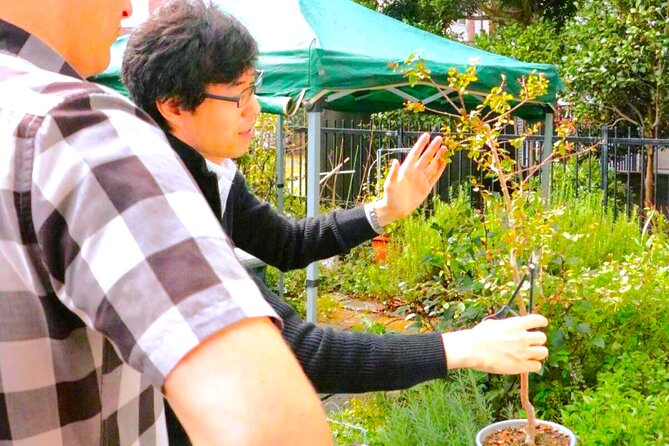
At $55.52 per person, this tour sits in the “worth it if you want skill, not just photos” category. What makes it feel fair is that you get more than sightseeing. You get:
- A guide-led tour of bonsai gardens and nurseries with commentary
- A hands-on pruning and shaping session
- Included instructor time and bonsai tool usage fee
The tour also caps the group at 10 travelers, which matters more than some people think. In a class setting, the difference between 10 and 25 is whether you can ask questions and get individual attention.
When might it not be the best value? If you are only chasing pretty pictures and you already know how to prune or train bonsai, you might feel time pressure. The experience is short, about 2 hours 30 minutes, and the focus is on the basics plus guided practice, not a long custom workshop.
Who should book this bonsai tour near Tokyo
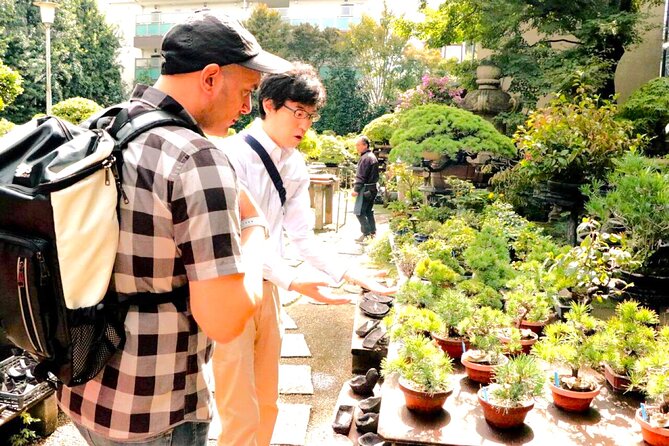
This is a great fit if you want a structured introduction to bonsai with real guidance and hands-on practice. The age requirement is 13+, and minors under 18 must be accompanied by an adult. If you qualify, this tour works for both first-time learners and people who already have a few bonsai questions.
It also suits you if you like small groups. You will get personal attention during pruning and shaping, which is the main thing that makes a bonsai workshop worth doing. And because you are learning near Bonsai-cho, the craft is not an abstract concept. You see serious trees and you get to connect style to technique.
You might want to skip this tour if you cannot comfortably handle a short, guided schedule. The experience is not designed to be a wandering day. It is built as two sessions: sightseeing first, hands-on second, returning to the starting point at the end.
Should you book this bonsai tour?
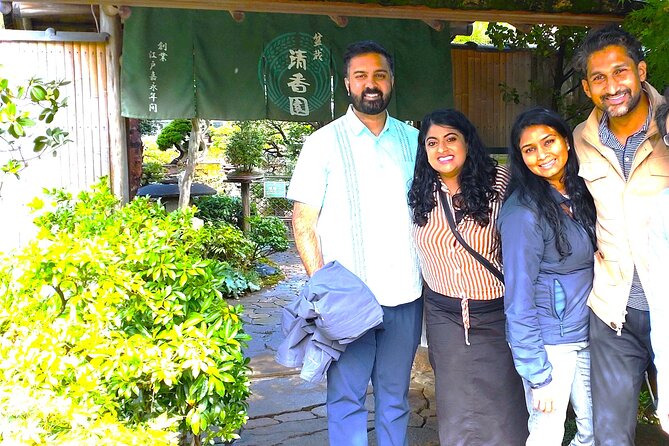
Book it if you want the sweet spot: garden viewing plus real pruning practice in a small group. The value comes from the included instructor guidance and tool usage fee, and the format is ideal if you want to ask questions and learn how to think like a bonsai caregiver.
Skip it if your goal is only scenery or if you are looking for a longer workshop where you can experiment slowly at your own pace. Also consider that you will likely pay small extras, like ordering at the cafe and possibly the 310 yen museum admission.
FAQ
How long is the bonsai tour?
The tour is about 2 hours 30 minutes.
Where do we meet for the experience?
It starts at Toro Station, Torocho 1 Chome, Kita Ward, Saitama 331-0804, Japan.
Is the group small?
Yes. The experience has a maximum group size of 10 travelers.
What is included in the price?
The price includes an instructor, a bonsai tool usage fee, and consumption tax.
Do I need to buy anything at the cafe?
Yes. The hands-on bonsai work is done in a cafe, and you will need to order something there (starting around 450 JPY).
Is the Bonsai Art Museum included?
No. Admission is not included. The museum ticket is 310 yen.
Who can participate?
Most travelers can participate, and the minimum age is 13. Those under 18 must be accompanied by an adult.
Is a mobile ticket used?
Yes, the tour uses a mobile ticket.
Is there a refund if plans change?
No. This experience is non-refundable and cannot be changed for any reason.
What if I want to enter the shop without joining the class?
If you enter the shop without participating in the class, you must pay an additional fee in advance. If you have not paid, you will not be admitted to the venue.
More City Tours in Tokyo


More Tours in Tokyo


More Tour Reviews in Tokyo
Not for you? Here's more nearby things to do in Tokyo we have reviewed












City Tours, side by side.
 ★ 4.8Private City Highlights Tour with Local GuideFrom $1061,433 reviews
 ★ 4.7Asakusa, Skytree & Akhihabara Go-Kart City ExperienceFrom $96761 reviews
 ★ 4.83-Hour Bike or E-Bike City Highlights TourFrom $45435 reviews
 ★ 4.8Sumo Morning Practice Tour at Sumida CityFrom $116308 reviews
 ★ 4.5Private Haneda Airport (HND) to Central Tokyo City TransferFrom $119260 reviews
 ★ 4.83-hour Guided E-Bike Tour of the City’s Hidden GemsFrom $65251 reviews
 ★ 5.03-Hour Bike/E-Bike Tour of the City’s HighlightsFrom $63209 reviews
 ★ 4.5Private departure transfer from Tokyo city to Tokyo Haneda Airport(HND)From $118123 reviews
This tour also belongs to