
Review · MOUNT FUJI TOURS
From Tokyo: Top 5 Scenic Spots of Mount Fuji Full-Day Tour
Fuji in a single day can be magic. I like the way this tour strings together five Mt. Fuji viewpoints with round-trip transport, so you spend less time figuring out trains and more time getting the shot. The tradeoff is that each stop is time-boxed, and Mt. Fuji visibility can be hit or miss because weather is unpredictable.
You meet at Tokyo Station (Marunouchi Front Square), then ride out toward Kawaguchiko for pagoda views, lakeside scenery, and even a famous convenience-store backdrop. The tour runs about 11 hours, and on weekends or holidays, return time can slide later past 9 p.m. if traffic is heavy.
Key highlights to know before you go
- Five Fuji viewpoints in one structured day: Arakurayama Sengen Park, Hikawa Clock Shop, Oshino Hakkai, Lake Kawaguchiko, and a Lawson photo stop
- Mostly free admissions: several stops list free admission, while Lake Kawaguchiko has extra costs depending on season
- A small-group feel: the tour caps at 45 travelers, not a tiny private trip but usually easier to manage
- Guides help with photo positioning: many guides are praised for spotting good angles and taking group photos
- Oshino Hakkai includes a grass cake: a small included treat inside a very atmospheric spring area
- Your big variable is visibility: if clouds roll in, you still get scenic stops, but the mountain may be partially hidden
A Fuji photo day with five different viewpoints
This is the kind of day trip you book when you want one thing, Mt. Fuji, and you want it from multiple angles. The route is built around the classic “best-of” Fuji spread: a shrine area with a pagoda view, a clock shop street scene, the spring ponds at Oshino Hakkai, lakeside photo gardens, and a quick convenience-store stop that’s become a Fuji backdrop staple.
The value here comes from logistics. You’re not hunting bus lines or coordinating transfers with a group. You’re also not stuck doing just one viewpoint, then turning around. With five separate areas, you get more chances for good weather and better compositions.
Still, go in with the right expectations. Fuji is weather-dependent, and this tour does not promise you a clear “Mt. Fuji postcard” view all day. Even when the mountain cooperates, some stops can feel crowded, and you have to move with the schedule.
More Tokyo tours and experiences for the shortlist
Price and logistics: what your $56.14 actually buys
At about $56.14 per person, you’re paying for the big ticket items: air-conditioned bus transport plus a multilingual tour guide and a driver. Pickup and drop-off are included at two designated points, and the tour uses a mobile ticket.
Most admissions at stops are listed as free. That matters because many Fuji day tours charge you for entrances or treat your time like you must pay at every stop. Here, several key viewpoints are essentially “walk in and enjoy,” with the one notable exception being lakeside access.
Two costs to plan for:
- Lake Kawaguchiko seasonal entry may add a fee. Oshi Park is listed as “admission ticket not included.”
- If it lines up with the Cherry Blossom Festival, there’s an extra $9.00 per person ticket mentioned for that seasonal period.
The other big reality cost is food. Lunch is not included. You can bring your own food, buy along the way, or stop for a restaurant recommended by the guide. Some people are happy with the food they find, while others prefer bringing snacks so you’re not stuck with limited options.
Tokyo Station start: getting on the bus without stress
The day begins with a morning meet at Tokyo Station, Marunouchi Front Square. The schedule lists an 8:00 meet time, with the important reminder that you should arrive about 15 minutes early. The meeting guide holds a yellow flag with the Gogoday logo, and you’re meant to tell them the name you used when booking.
There’s also a quick photo stop in the Shinjuku area, listed as the LOVE sculpture around 8:40. Don’t treat it like a destination you explore for long. It’s a “snap and go” moment before the longer ride toward Fuji.
One practical tip: this tour starts early and runs long, so bring water and plan for a bus day. If you know you get sleepy on long rides, save your energy for the stops where you’re walking.
Stop at Arakurayama Sengen Park: pagoda views and crowd patience
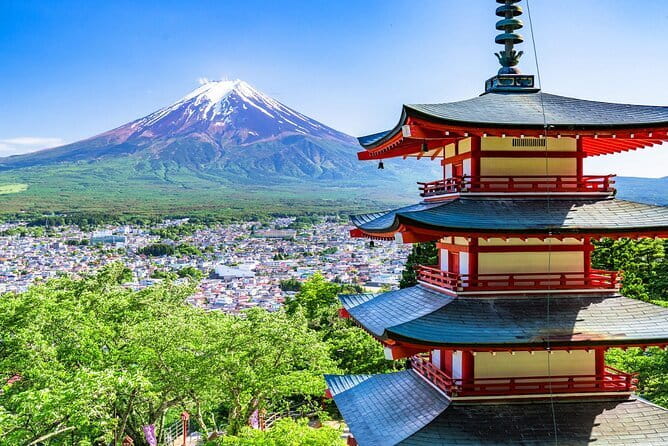
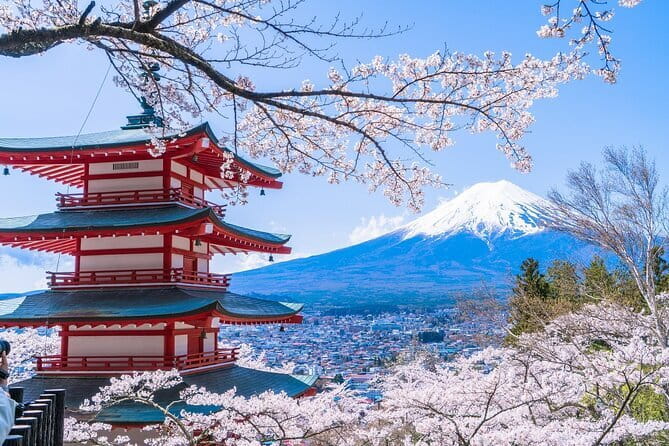
Your first major Fuji target is Arakurayama Sengen Park, with about 1 hour on site. This is the place people aim for because it gives you that iconic pagoda framing with Mt. Fuji in the background when the sky clears.
The honest tradeoff is time and stairs. Even when the route is well managed, parks like this can get packed fast. If you’re hoping for a deep stroll upward, expect that crowds can slow you down. One of the most common “best-laid plan” moments with this kind of viewpoint is realizing you cannot fully go where you want when foot traffic thickens.
What I like about this stop is that it gives you a real “Fuji icon” shot early. If weather is cooperative in the morning, you can lock in your classic image before the day becomes a mix of clouds, light shifts, and different terrain.
Hikawa Clock Shop: the small-town Fuji photo angle
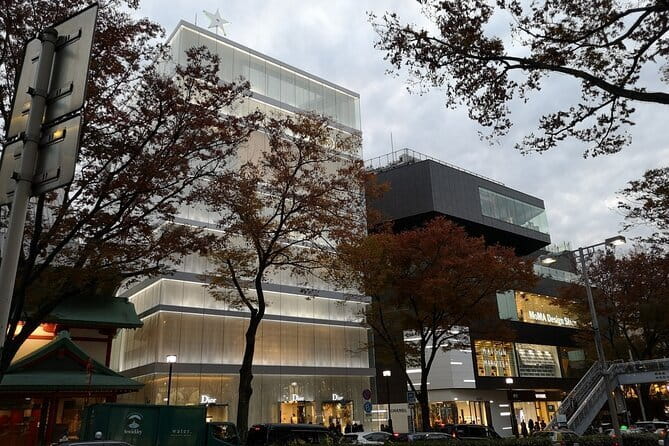
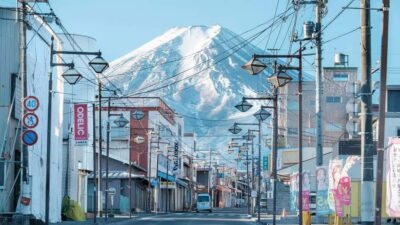
Next is Hikawa Clock Shop, roughly around 11:45, with about 20 minutes there. This stop is shorter by design, and it works best as a quick framing exercise: streets, signs, and that Fuji-in-the-background look that reads as more “lived-in Japan” than just mountain postcards.
Think of it like a warm-up. You’re not wandering for hours. You’re grabbing specific angles, then moving on. If you like street photography, this is often the moment that makes your Fuji day feel less repetitive.
Because the stop is short, you’ll want to be ready: shoes on, camera ready, and a mental shortlist of what you want to shoot. If you’re a slow walker who also needs frequent restroom breaks, this might feel rushed.






Oshino Hakkai: calm springs, grass cake, and classic Fuji water culture
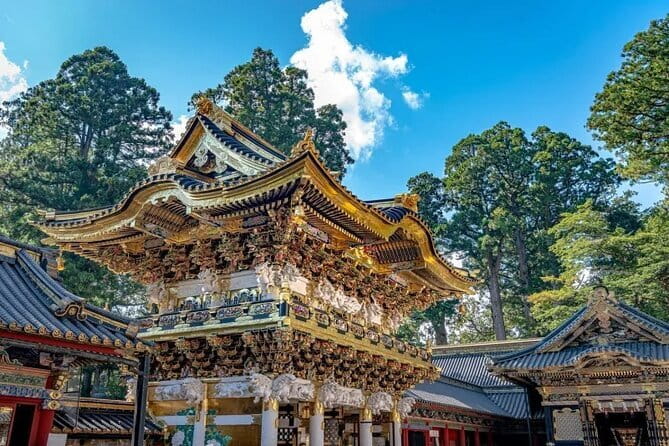
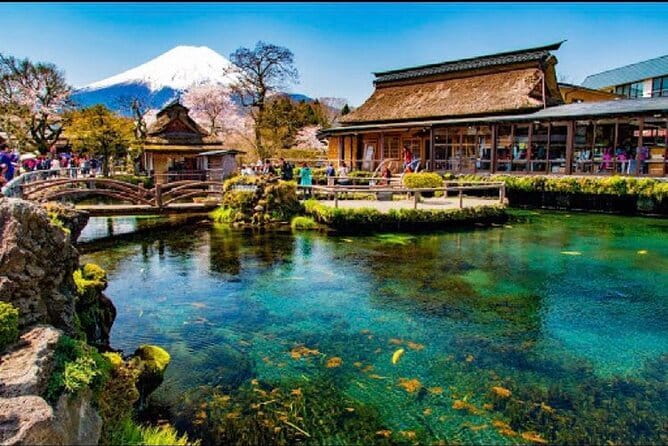
Then the tour shifts into a quieter mode with Oshino Hakkai, around 12:30, with about 1 hour 30 minutes. This is where the day feels more than just a photo chase. Oshino Hakkai is known for its eight springs, fed by snowmelt from Mt. Fuji, and the atmosphere is different from the busier view parks.
A nice included detail: there’s a complimentary grass cake during the visit. It’s a small thing, but it gives you a built-in snack moment without needing to find a place to buy food.
What I love here is how it breaks up the day. Instead of more steps and more “look up at Fuji,” you get water, reflections, and a chance to slow down for a bit. Even if Fuji is partly obscured, Oshino Hakkai still has texture and charm.
The caution: crowds can show up, and with a set time limit, you’ll want to prioritize what matters to you. If you want the best pond views, move early in the allotted time window.
Lake Kawaguchiko and Oshi Park: seasonal blooms and Fuji at a different scale
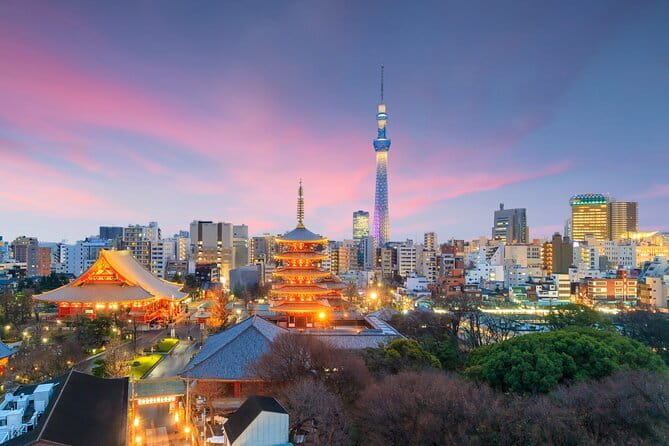
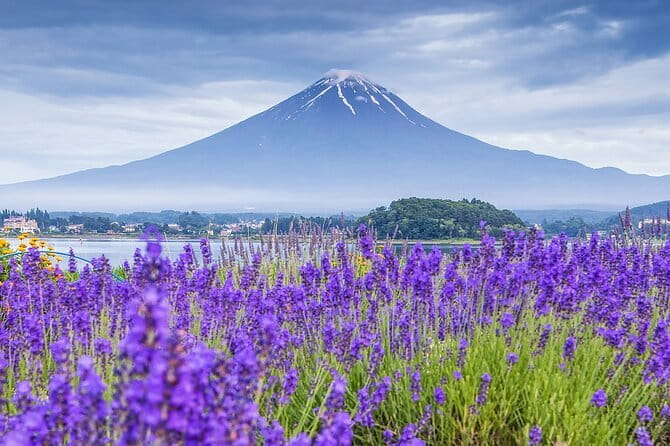
Around 14:30, you head to Lake Kawaguchiko, with a stop listed at Oshi Park for about 50 minutes. This is the lakeside payoff, and it’s also a “seasonal” stop, meaning the flowers and feel shift depending on when you go.
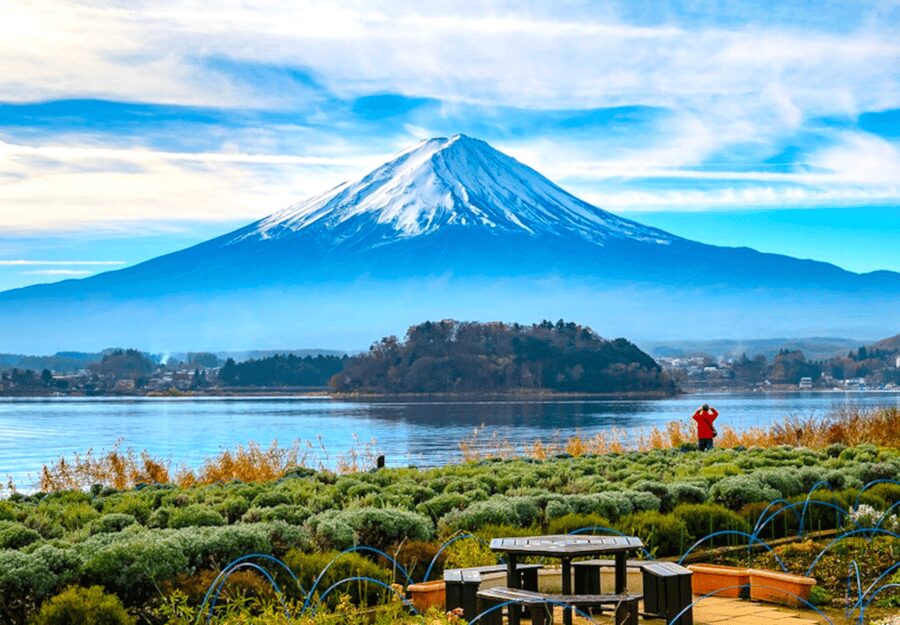
Oshi Park is described with seasonal flowering highlights like lavender, broom grass, crabapple blossoms, and cosmos. That matters because your Fuji photos can look completely different depending on the month. This is the area where you’re most likely to get those layered compositions: lake or garden foreground plus Fuji in the distance.
One practical note: the tour says Oshi Park admission is not included, so check whether any seasonal add-ons apply to your date. If you’re traveling specifically for cherry blossom timing, the extra festival ticket mention in the tour info is something to budget for.
If Fuji is visible, lakeside tends to feel more dramatic because you get more breathing room for framing. If it’s not visible, the gardens still give you something to photograph besides the mountain itself.
Lawson convenience store stop: a quick iconic Fuji backdrop
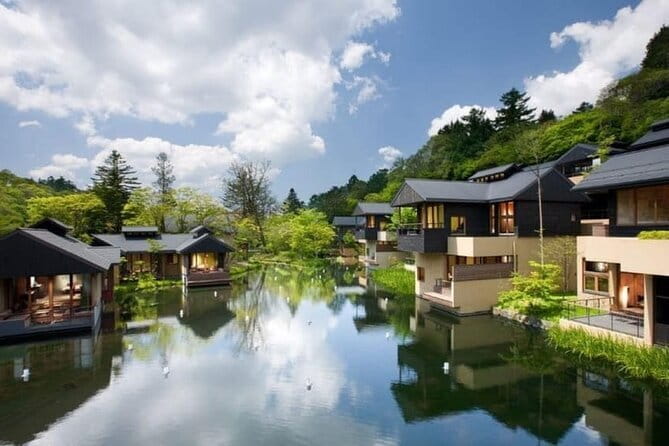
The last photo-focused stop is at a Lawson location in Fujikawaguchiko, listed around 15:40, with about 20 minutes. This is a short, purposeful stop. The point is the backdrop, the foot-of-Fuji setting, and the classic convenience-store photo that has become part of modern Fuji sightseeing.
Because it’s quick, it’s also a good spot for last-second needs: a cold drink, a snack, and a final Fuji angle if clouds thin out.
This stop is also where I recommend treating time as precious. People can linger, lines form, and your bus timing matters. If your goal is photos, set a time limit for yourself so you don’t get stuck in the crowd loop.
Weather reality: planning for clear skies and cloud cover
Mt. Fuji visibility can’t be guaranteed. That’s not a cop-out, it’s the nature of the mountain. Even on a scheduled route with multiple viewpoints, clouds can slide in and out, and you may catch only partial views.
Here’s how I’d plan for that as a practical traveler:
- If you get a clear view early, prioritize the widest “icon” shots first.
- If clouds come later, switch your camera mindset toward foreground details and compositions that still look good without a fully clear peak.
- Keep in mind that several stops are crowded in peak seasons, so pushing too hard to get the perfect angle can waste your time.
One more helpful expectation from the tour experience: guides often help with getting to the best photo points. In the broader experience of this tour, guides including David, Luna, Christy, and others have been praised for organizing photo opportunities. If your guide is comfortable guiding your group through angles, your pictures tend to improve fast, even when conditions are mediocre.
Crowds, timing, and why some stops feel short
This is a long day, and the stops are packed into an efficient loop. In peak crowd periods, the “time on site” can feel tight. One common frustration is rushing, especially when two things collide: a popular viewpoint plus limited time plus restroom or line delays.
Arakurayama Sengen Park and Oshino Hakkai can draw crowds. Lake Kawaguchiko can also feel busy during high season. That doesn’t mean the tour is bad, it means your success depends on how you handle crowds.
My advice is simple:
- Arrive ready to walk.
- Use the early part of each stop for what matters most.
- Don’t plan a long lunch sit-down, because lunch is not included and the day is scheduled around scenic windows.
Lunch and snacks: what to do when food options feel limited
Lunch is not included. You can bring food, purchase something along the way, or follow a restaurant recommendation by the guide.
In reality, this can be the most variable part of your day. Some travelers are satisfied with what they eat, while others prefer to avoid the bus-lane buffet-style meal approach. If you have dietary needs, I recommend packing snacks you know you can eat. That way, you’re not stuck waiting for the one available option at a busy stop.
Bring some cash too. The tour info recommends it, and that’s good advice for convenience-store purchases, small snacks, and any small fees that pop up with seasonal attractions.
Who this Mt. Fuji day tour suits best
This works best for you if:
- You want one organized day from Tokyo rather than building your own Fuji route
- You care about photography and want multiple angles, not just one viewpoint
- You can handle a long ride, crowds in popular areas, and short stop times
It might not be ideal if:
- You want an unhurried day with lots of free wandering
- You require detailed, consistent narration in English, because guide communication quality can vary by person and by how the day runs
- You’re planning tightly scheduled connections later in the evening, since weekend or holiday traffic can delay the return past 9 p.m.
If you’re the type who treats Fuji like a must-see moment and you’re happy to adapt when clouds roll in, you’ll probably feel this tour hits the sweet spot.
Should you book this Tokyo to Mt. Fuji tour?
I think you should book it if your main goal is Mt. Fuji views from multiple famous spots without the stress of transit planning. For the price, getting air-conditioned transport, pickup and drop-off, a multilingual guide, and a string of mostly free scenic entries is strong value.
I wouldn’t book it as your only Fuji plan if clear skies are the only version you’ll be happy with. The mountain can hide, and some stops can feel rushed when crowds are heavy.
My best decision rule: if you want a structured, photo-driven Fuji day and you can roll with timing and weather, this tour is a smart way to do it from Tokyo. If you’re chasing a perfect clear-peak panorama only, consider pairing this with flexibility, backup plans, or another chance at Fuji later in your trip.
FAQ
How long is the Mt. Fuji full-day tour from Tokyo?
It runs about 11 hours.
Where do I meet for the tour in Tokyo?
The tour meet-up is at Tokyo Station Marunouchi Front Square (8:00 meet time).
Is the tour ticket mobile?
Yes, you use a mobile ticket.
What is the price per person?
The price listed is $56.14 per person.
Does the tour include transportation and a guide?
Yes. It includes air-conditioned transportation, pickup and drop-off at two designated points, a multilingual tour guide, and a driver.
Are any admissions included, or do I pay for attractions?
Many stops list free admission, while Oshi Park at Lake Kawaguchiko has admission not included. If the Cherry Blossom Festival applies, there is a $9.00 per person ticket mentioned.
Is lunch included?
No. Food and drinks are not included. You can bring your own food, buy along the way, or visit a restaurant recommended by the guide at your own discretion.
Can I guarantee I will see Mount Fuji?
No. Weather is unpredictable, and visibility of Mount Fuji cannot be guaranteed.
How big is the group?
The tour maximum is 45 travelers.
What if the traffic is heavy, will I return late?
On weekends and holidays, traffic may delay the return time past 9 p.m., and it’s recommended you do not schedule activities or transport afterward.
More Full-Day in Tokyo
More Tours in Tokyo

More Tour Reviews in Tokyo
Not for you? Here's more nearby things to do in Tokyo we have reviewed












Mount Fuji Tours, side by side.
 ★ 5.0Mt Fuji and Hakone 1-Day Bus Tour Return by Bullet TrainFrom $16326,383 reviews
 ★ 4.0Mt Fuji & Hakone Cruise, Drum Show Bullet Train 1 Day from TokyoFrom $1497,413 reviews
 ★ 4.4Tokyo Mt Fuji 5th St & Hakone Cruise Bus Tour w/Bullet TrainFrom $1545,024 reviews
 ★ 4.5From Tokyo: Mount Fuji Full-Day Sightseeing TripFrom $684,970 reviews
 ★ 4.7Mt. Fuji Tour, Hakone Ropeway, Owakudani, Lake AshiFrom $544,002 reviews
 ★ 4.2Mt. Fuji 5th Station & Hakone Cruise 1-Day Bus TourFrom $1292,381 reviews
 ★ 4.7Mt Fuji Top 5 Spots Day Tour: Arakurayama Park,Oshino HakkaiFrom $532,066 reviews
 ★ 5.0Private Tour to Mt. Fuji and Hakone (Fully Licenced Operator)From $4971,910 reviews