
Review · TOKYO SUMO EXPERIENCES
Grand Sumo Tournament Tokyo – Osaka – Nagoya
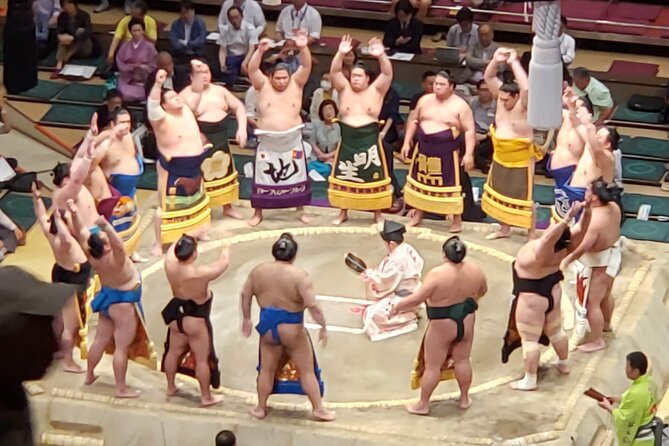
Sumo in Japan hits different. Catch a Grand Sumo Tournament live and feel the crowd like a big-time pro sports game, with local fan energy and nonstop action. I especially like the chance to sit in Ryogoku Kokugikan and the option to pay extra for better seats. One thing to consider, the total cost can run high when the event is sold out.
This is a paper ticket experience with a small group size (max 20), and it starts at Ryogoku Edo NOREN in Tokyo. The time on the clock is about 4 hours, but there is no transportation included, so you need to handle getting yourself there and back.
Key points before you go
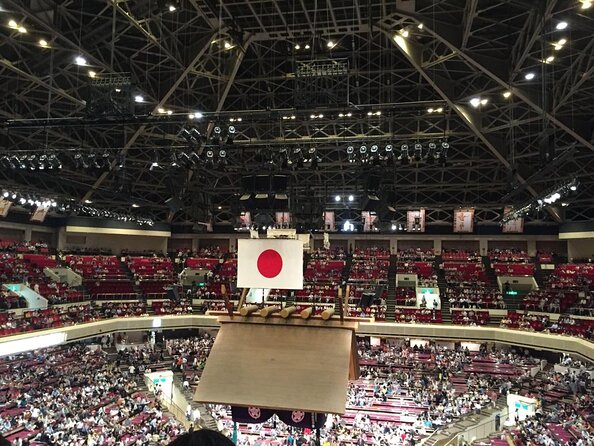
- Ryogoku Kokugikan is the center of Tokyo sumo, so the vibe feels real, not staged.
- Admission is included, which matters because sumo tickets can be hard to secure.
- Seat upgrades are available for people who want a closer or more comfortable view.
- Plan for a self-paced stadium moment, since the activity is ticket-only.
- Go early if you can to catch more of the front-area atmosphere and food stalls.
- Expect sold-out pricing to be a factor, so compare quotes before you commit.
Ryogoku Kokugikan: the arena where the crowd does the talking
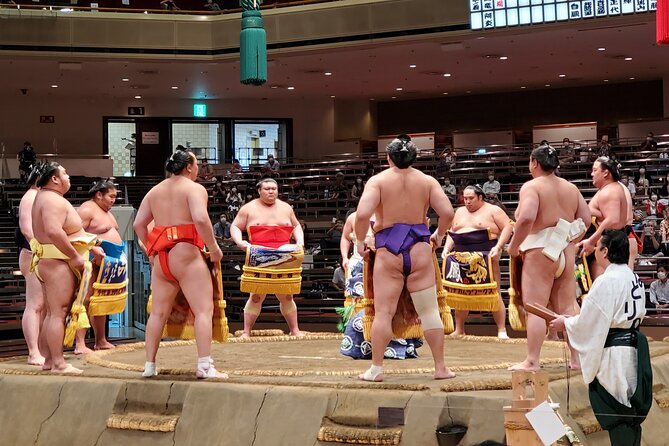
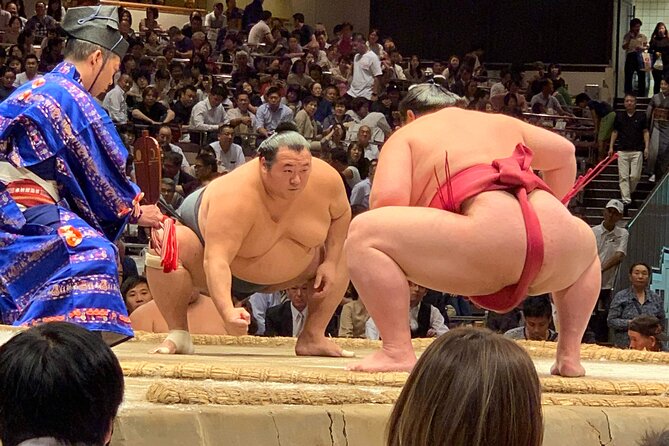
If you only know sumo from TV clips, you’re in for a surprise. The noise is part of the sport. When the wrestlers hit the dohyo (the ring), you feel the timing. When fans get loud, it’s not random. It follows the rhythm of the bouts, the entrances, and the moments after a win.
The venue matters too. Your Tokyo stop is Ryōgoku Kokugikan, the place most people think of when they picture sumo in the capital. It has the dense, focused feel of a stadium that actually loves what it’s watching. It’s also exactly where you want to be if your goal is to see Japanese culture expressed through a live national sport.
In the best-case setup, you’ll arrive and you’ll immediately notice how fans behave like regular-season diehards. People cheer, react fast, and treat the day like a sports holiday. One review even compared it to major league energy, which is a helpful mental model for what the soundscape feels like.
You can also read our reviews of more tours and experiences in Tokyo.


A ticket-only match day, what that means for you
This isn’t a long sightseeing tour. It’s built around getting you into a real sumo tournament experience with admission included and everything structured around the arena timing.
The activity is listed as a ticket-only event with no tour guide. That means you should expect to do the match watching on your own inside the stadium. You may still get practical direction around the start time, but don’t plan on a guided narrative once the doors open.
That ticket-only approach is not a downside for everyone. It can be a win if you:
- Want to spend your time watching wrestling, not sitting through explanations
- Prefer to move at your own pace
- Are comfortable navigating public transit areas and stadium seating
It can be annoying if you want full guided commentary about every ritual and rule at the moment you see it. If that’s you, I’d lean into seat upgrades and arrive early so you have time to get oriented before the action starts.
Your 4-hour flow: from Ryogoku Edo Noren to the bouts
Your meeting point for this Tokyo experience is Ryōgoku Edo NOREN Japan, 130-0015 Tokyo, Sumida City, Yokoami, 1-chōme320 1階. The event ends back at the meeting point, so you’re not left wondering where to regroup.
The total time is about 4 hours. Within that window, expect a short pre-match period and then entry into the stadium. Some people in past groups described a pre-tournament walk and explanation that took around an hour before they went into the venue, followed by watching matches. Since your exact tournament date can shift, treat that as a useful idea of pacing, not a guaranteed minute-by-minute schedule.
What you should plan for:
- Getting oriented at the meeting spot
- Spending time near the venue before entry
- Going inside for the actual bouts and crowd atmosphere
And here’s the practical part most people forget: sumo starts on time. You want to be ready before the first bout you care about. If you arrive late, the hardest part isn’t just seats. It’s also losing the first chunk of the day’s rhythm.
Match watching basics: how to read sumo without getting lost
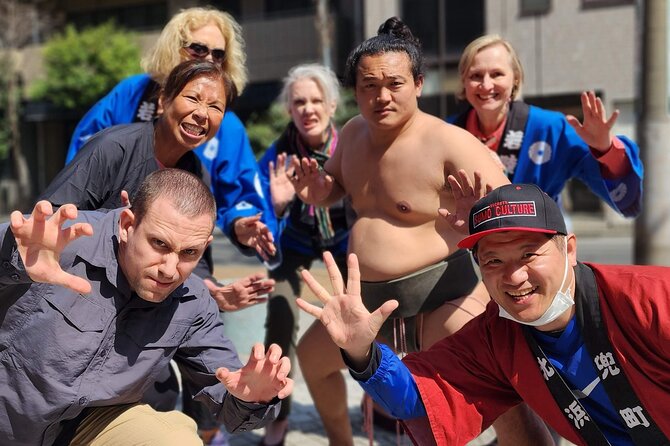
Even if you don’t speak Japanese, you can still enjoy sumo because the sport is visually clear. Still, a little context makes your eyes work better.
Here’s what you’ll likely notice fast:
- The pre-bout rituals and formal posture
- The quick, high-intensity burst once a bout starts
- The way fans respond immediately after the result
One reason this experience gets strong ratings is that people come away understanding more than just who won. Several comments mention learning the rituals and rules, and getting practical pointers on what to watch for. That kind of guidance helps you catch the differences between techniques, stances, and the overall flow of a tournament day.
Even without a guide in the stadium, you can use two tricks:
- Watch for the buildup before contact. That is where many key cues live.
- Don’t just look at the wrestlers, watch the ring and how they reset. The transitions are part of what makes sumo feel like a sport with structure, not just a fight.
The sold-out reality: price and value, explained plainly
Let’s talk money, because this experience sits in a tricky zone. The listed price is $946 per person and sumo tournaments often sell out well ahead of time.
A common complaint you’ll see with sought-after Japanese tickets is the difference between the face value on a ticket and what a resale or procurement channel charges when inventory disappears. In at least one case, someone reported a major difference between the price printed on the ticket and what the agency charged, and the explanation given was that the event was sold out, which drove a higher market price for the seats.
So how do you judge value here without getting burned?
- Confirm what you’re paying for: the total price should reflect the actual seat access you’re receiving, not the printed face value you might see elsewhere.
- Ask for a clear quote before committing, especially for popular dates.
- Decide whether convenience is worth it. If you want an easier path to entry without wrestling with Japanese ticketing, the higher number may still make sense.
Admission is included, which helps. But there’s also something else: transportation is not included. That doesn’t sound dramatic, but it can matter in your budget if you’re staying far from the Ryogoku area or if you’re planning to take trains you don’t know yet.
If you already have local confidence and time to hunt for cheaper seats, you might find lower prices elsewhere. If you want a predictable outcome and you care most about getting into the venue for the exact tournament atmosphere, this is the kind of product that can be worth it, even when it hurts.
Seat upgrades in sumo: how to choose without guessing
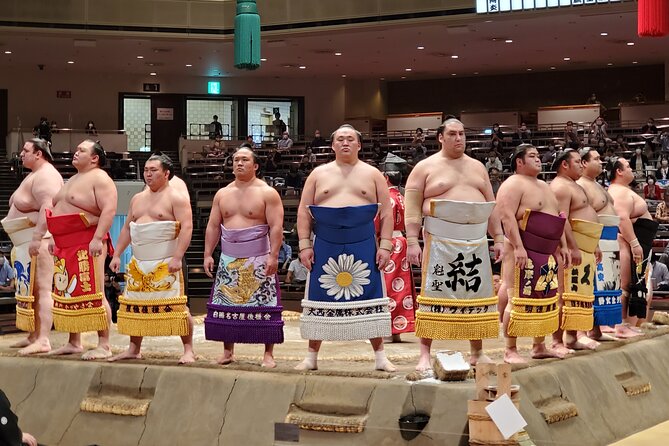
The experience offers upgraded seats available for an additional fee. That is a big deal because in sumo, seat choice affects your enjoyment more than people expect. You’re watching bodies move with intention, and you want your eyes to keep up.
Here’s what to consider when you upgrade:
- Closer seats make it easier to track grip changes and footwork.
- Higher seats can be easier for overview and crowd reactions.
- If you’re with family or someone less interested in technical details, better visibility can still be the difference between enjoying it and feeling like you’re squinting.
One practical warning from past experience: a ticket detail issue came up for an Osaka tournament. The fix was communication and support, but it’s a reminder to double-check your seat details for the specific city and date you booked.
If you’re unsure, I’d treat seat upgrades as insurance for a good matchday, not as a luxury. You’re paying to watch the sport more clearly.
Getting your bearings inside the stadium
Sumo stadiums are efficient, but they can still feel confusing when you’re looking for a specific block or row. One review mentioned difficulty finding seats at first, then relief when help was available to locate them.
So do yourself a favor:
- Give yourself extra time to locate your section
- Don’t be shy about asking stadium staff for help if your seat feels hard to identify
- Bring your ticket and double-check the seat info before you commit to climbing stairs or walking long aisles
Once you find your row, the rest becomes simple: watch for the ritual rhythm and then settle into the bouts. Even if you miss a rule detail, the crowd cues you in fast.
City option: Tokyo, Osaka, or Nagoya
This product is described as seeing sumo in Tokyo, Osaka, or Nagoya, depending on the tournament you choose. The Tokyo version you have for this review centers on Ryogoku Kokugikan. In the Osaka or Nagoya versions, the experience is built around the same idea: access to a live tournament day and the chance to understand how local sports fans show up.
What doesn’t change is the core value:
- You’re watching a national sport in a real tournament setting
- You’re experiencing fan behavior up close
- You’re doing it with a pre-arranged ticket approach that reduces language friction
If you’re routing your Japan trip, choose the city that fits your itinerary and lodging. Tokyo can mean longer commutes depending on where you stay. Osaka might be easier if you’re spending most days around the Kansai area. Nagoya can be an excellent middle stop when your schedule is already set.
Who this experience fits best
This sumo tournament experience is a strong match if you:
- Want the highest chance of getting into a live tournament without ticket stress
- Care about Japanese sports culture, not just photos
- Like sports energy and want to be in the crowd rather than on the sidelines
- Are willing to pay for scarcity, especially during popular tournament days
It may not be your best choice if:
- You want a low-cost activity and plan to rely on last-minute ticket hunting
- You don’t like ticket procedures or paperwork, since you’re dealing with a paper ticket
- You need transportation included, because you’ll arrange your own travel to and from the meeting point
What can make it extra fun: stories, rituals, and small interactions
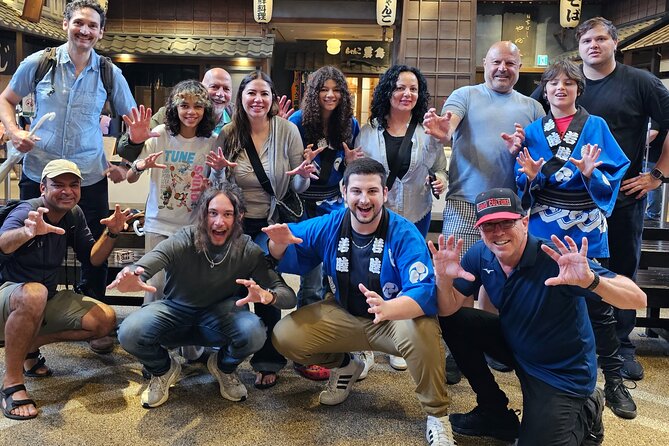
Beyond the match itself, what people rave about most is the human side of the day. Several comments mention hosts like Ken (Kenneth) from Island Travel Specialists and Shin, plus more specific names like Kenneh Miller in at least one write-up.
These are the types of add-ons that came up:
- Explanations about sumo traditions and what you’re seeing in the ring
- A short walk around the area with stories and background that makes the tournament feel less mysterious
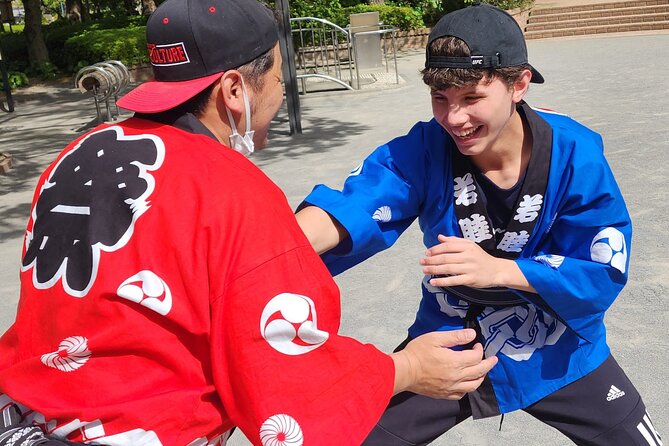
- Quick interactive moments, like faux sumo play-bouts where participants try simple roles
- Mentions of meeting sumo stars out front and enjoying nearby food stalls
- An extra stop at an older sumo shrine dedicated to animals, described as a memorable bonus
Not every part of that is guaranteed in your exact day, but it tells you what good hosts tend to do with their time, and why ratings can be so high. When you feel oriented, the tournament becomes easier to enjoy.
Also, if you’re hoping for a friendly local connection, the name recognition in the feedback suggests that your organizer may be known to people in the area. That can matter for how quickly you get help and how smoothly the day flows.
Should you book Grand Sumo Tournament Tokyo, Osaka, or Nagoya?
Book it if your top priority is a real tournament experience with admission included, and you want the least hassle path to entry. The pricing is high, but it’s partly the cost of sold-out seats and partly the convenience of having your ticket handled for you.
Skip it or rethink it if you:
- Are price-sensitive and comfortable handling ticketing yourself
- Need included transportation
- Want a full guided tour inside the stadium for every ritual moment
My take: if you’re serious about sumo and you value your time, this is one of those experiences where paying more can buy you certainty. And once you’re seated, you’ll get what you came for, a live heavyweight sport with Japanese fan culture right in your face.
FAQ
What cities does this Grand Sumo Tournament experience cover?
The experience is offered for sumo tournaments in Tokyo, Osaka, or Nagoya, depending on the date you choose.
Where is the Tokyo meeting point?
For Tokyo, the meeting point is Ryōgoku Edo NOREN Japan, 130-0015 Tokyo, Sumida City, Yokoami, 1-chōme320 1階.
How long is the experience?
It runs about 4 hours.
Is admission included?
Yes. Admission is included.
Is this a paper ticket?
Yes, it is a paper ticket.
Can I upgrade my seats?
Yes, upgraded seats are available for an additional fee.
Do I get transportation to the venue?
No transportation is included. You’ll need to make your own way.
Is there a tour guide?
The event is listed as ticket only with no tour guide.
What is the maximum group size?
The maximum is 20 travelers.
Can I cancel or change the booking?
This experience is non-refundable and cannot be changed for any reason.
More Tour Reviews in Tokyo
Not for you? Here's more nearby things to do in Tokyo we have reviewed




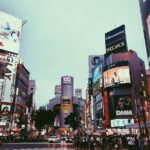

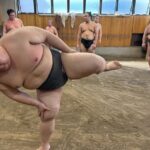
Tokyo Sumo Experiences, side by side.
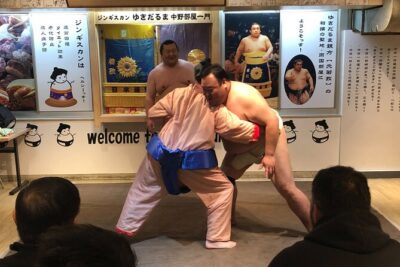
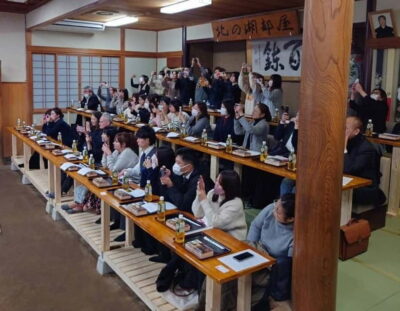 ★ 4.8Sumo Show and Dining ExperienceFrom $792,742 reviews
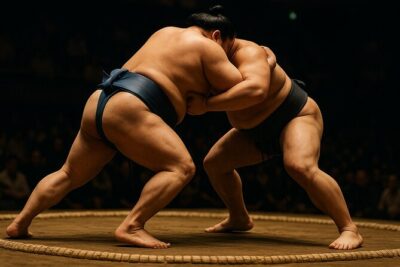
 ★ 5.0the SUMO showFrom $891,960 reviews
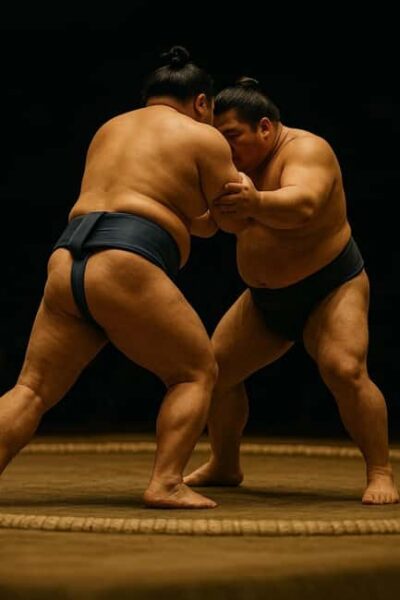
 ★ 5.0Tokyo Shinjuku Sumo Show & Experience with PhotoFrom $791,750 reviews
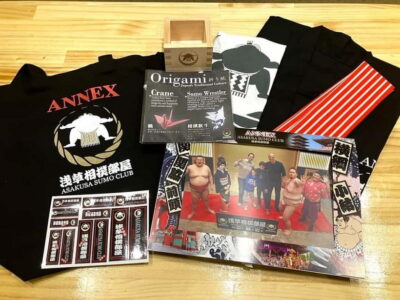
 ★ 4.8Sumo Show and Experience in ShinjukuFrom $691,001 reviews
 ★ 4.7Luxury Sumo Show Experience & Japanese cuisine & DrinkFrom $103577 reviews
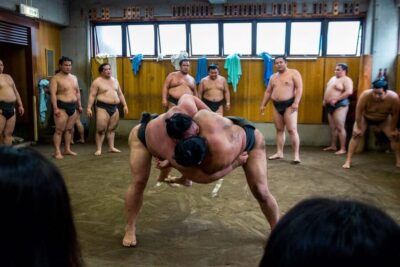 ★ 4.8Sumo Morning Practice Viewing TourFrom $81570 reviews
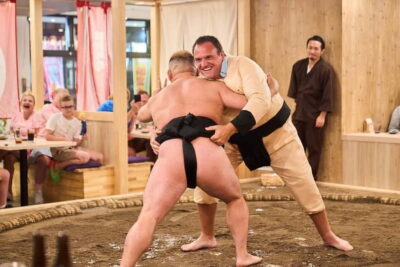 ★ 4.8Tokyo Sumo Experience: Chanko & Mochi with a Former ProFrom $103567 reviews
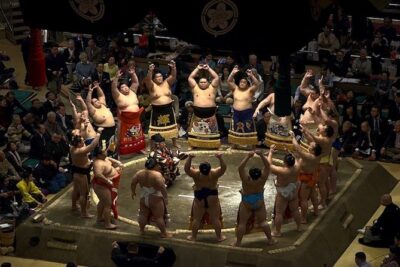 ★ 5.0Ultimate Sumo Tournament: Tokyo, Osaka, Nagoya, FukuokaFrom $184468 reviews
This tour also belongs to