
Review · TOKYO CITY TOURS
Hidden Tokyo: Explore Kitchen Street with a Local Guide
Samurai steel lives on, right here in Tokyo.
In a tight 2-hour walk, you learn what makes Japanese kitchen tools special, then you get time to shop like a local would.
You’ll also get specific product tips, not just vague shopping time. One thing to consider: you’ll probably want to buy things, so set a realistic budget.
What I like most is how the tour connects craftsmanship to what you can actually hold in your hands. The guide highlights honyaki knife making and the idea of water-hardened knives that require advanced technique.
Second, I love the shopping angle focused on real Kappabashi specialties, including tableware souvenirs that are only available in Asakusa Kappabashi.
One drawback: it’s only 2 hours. If you want to compare every shop deeply, you may feel rushed, especially on busy days when stores are crowded.
Key points worth your attention
- Honyaki knife craft, with clear explanations of single-piece steel forging inspired by sword techniques
- Rare water-hardened knives, described as extremely difficult and technique-heavy
- Kappabashi-only tableware souvenirs, so your shopping has a specific location payoff
- Food sample culture, explained through a dedicated showroom stop
- Private, guided pacing, built for efficient store choices in a short window
Kappabashi’s Kitchen Street: where souvenirs become tools
Asakusa Kappabashi is not the kind of shopping street where you buy random trinkets. This is where Japanese daily life, restaurant culture, and craft all rub shoulders. You’ll walk through shopfronts that feel made for people who cook for a living, plus serious hobby cooks who want tools that last.
The best part, for me, is the way the guide turns browsing into learning. You don’t just wander. You learn how Japanese products are built and what to look for. That makes shopping more confident, even if your Japanese is limited.
And the tour has a straightforward promise: in 2 hours, you cover multiple specialty shops along Kitchen Street, with a guide who helps you spot the points that matter.
You can also read our reviews of more guided tours in Tokyo

Meet Hirose-san at Wawaramachi, then start reading the shelves
Your meetup point is 田原町駅 (Wawaramachi metro station), exit 3. The guide holds a sign stating GetYourGuide. This is useful because the streets around Asakusa can feel busy fast, and you don’t want to burn time searching.
Once you’re with Hirose-san, the tone is calm and local. In the experiences I’m basing this on, the guide takes time and clearly enjoys explaining. One standout theme from the feedback is that Hirose-san gets the route right, including choosing shops efficiently on hot days.
You’ll walk from store to store in short loops, with a guided stop and shopping time at each place. That matters because Kitchen Street can overwhelm you if you arrive with no plan. The guide gives you a simple mental map of what each stop is good for.
Also, if you’re traveling with kids, the tour can work well. People have specifically noted it as a family-friendly private experience.
Hon-yaki knives and the samurai-to-kitchen connection
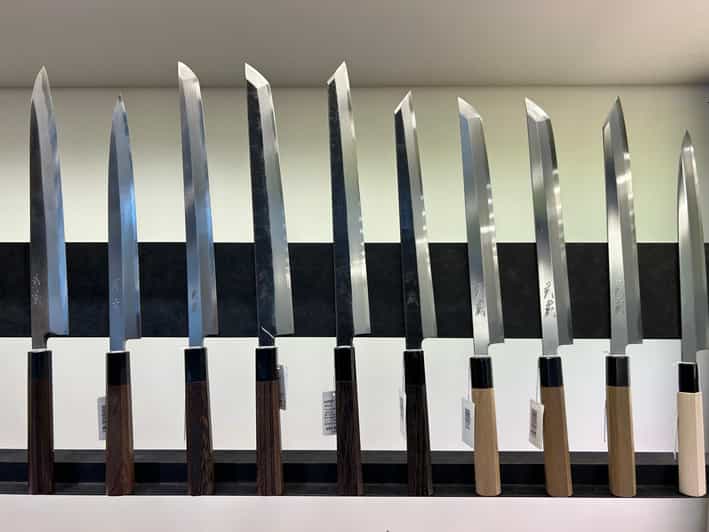
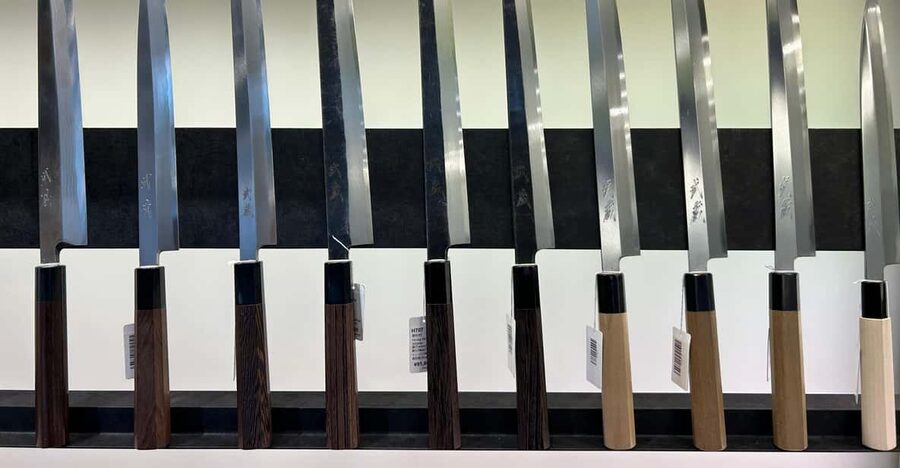
This is the heart of the tour. Japan’s knife culture is often described in poetic ways, but here it’s explained in practical terms: the sword techniques once used by samurai have been passed down to today’s knife makers.
You’ll hear about honyaki, which refers to Japanese knives made by punching a single piece of steel out of a block, imitating hon-forging technique used in Japanese swords. That sounds technical, but the value is simple: it helps you understand why some knives are considered serious craft objects, not just cookware.
The tour also spotlights water-hardened knives. The wording you get is clear that these are extremely rare and require particularly advanced techniques. If you’ve ever wondered why some knives cost more, this is the part where you get a reason you can remember.
When you see and handle the knives that come from this process, the tour frames it as a piece of work you can feel. People describe the polished look and craftsmanship in a way that’s hard to fake with marketing, and that’s exactly why a guided visit helps. Without context, you might admire the blade, but you’d miss why it’s special.
つば屋庖丁店と the rare knife stop experience
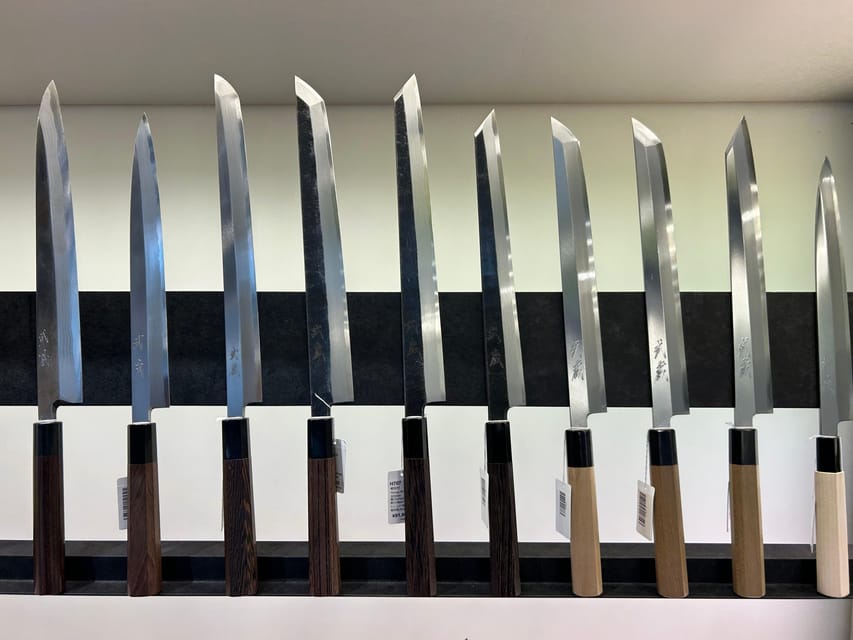
One of your main knife stops is つば屋庖丁店 | CUTLERY TSUBAYA. Expect a focused visit where the guide ties the forging story to what’s on display now.
A good way to use your time here is to slow down and ask yourself what kind of kitchen user you are. Are you buying for daily cooking? Are you buying for sharpening practice? Or are you buying for the satisfaction of owning something crafted with a hard-to-replicate method? The tour’s knife explanations help you think through that before you spend money.
Practical consideration: if you’re the type who wants to compare lots of knives in one place, you may crave more time than a single stop offers. But for most people, the guide’s structure is what keeps the experience valuable.
Also, you might notice something important: the tour is not only about purchasing. It’s about learning enough to buy smarter. That means you’ll leave with better product instincts, not just a bag of items.
What you can realistically buy in Kappabashi
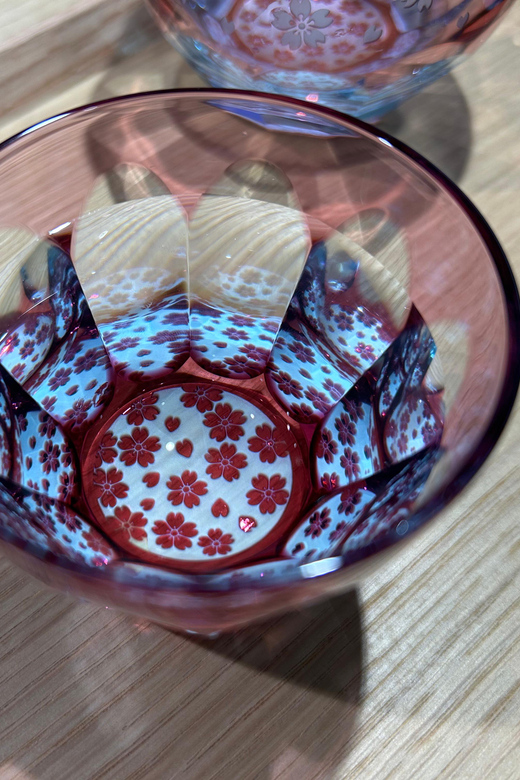
The shopping payoff here is specific. The tour highlights that you can buy tableware souvenirs available only in Asakusa Kappabashi. That’s a big deal if you hate generic “Tokyo” souvenirs that could be bought anywhere.
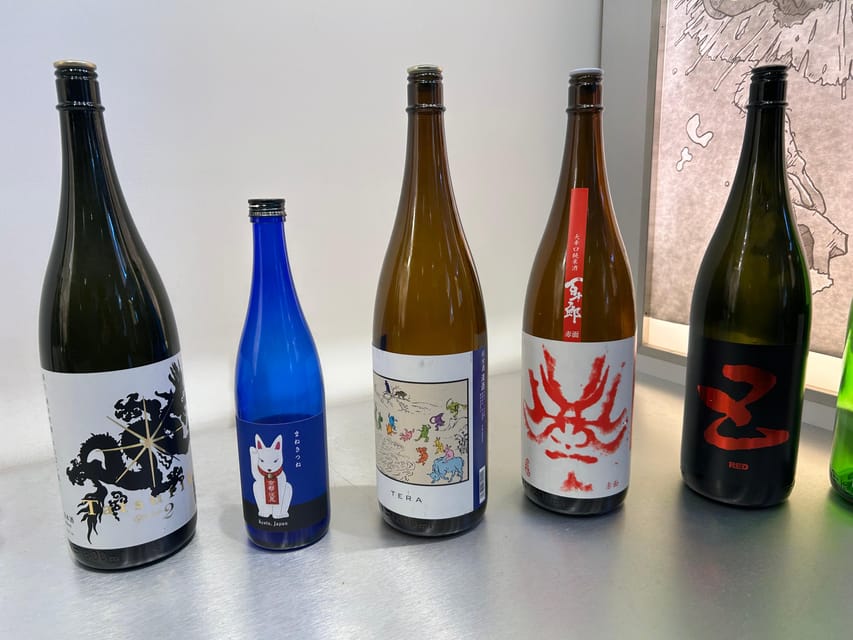
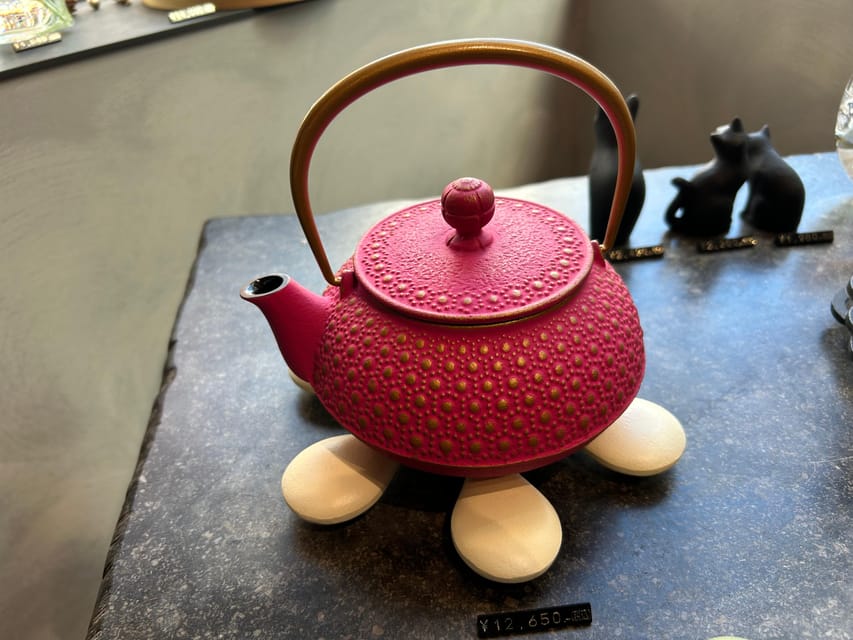
Another theme is variety. Food professionals gather in this area, and that brings in a wide spread of products you can see up close. You’ll encounter categories like Japanese tableware, chopsticks, Nanbu ironware, and food samples, among other items.
Now, a reality check. You are responsible for the shopping cost at each store. The tour includes the guide and the walking component, not the purchases themselves. That’s normal for this type of experience, but it’s worth stating because it helps you plan.
If you’re budget-minded, I’d treat the tour as a scouting mission. You’ll get ideas for what you want, what the materials mean, and how different shops present their products. Then you can decide what’s worth your money once you’re back at your hotel or outside the time pressure of a guided route.






Dengama to Iidaya: learning the product language beyond knives
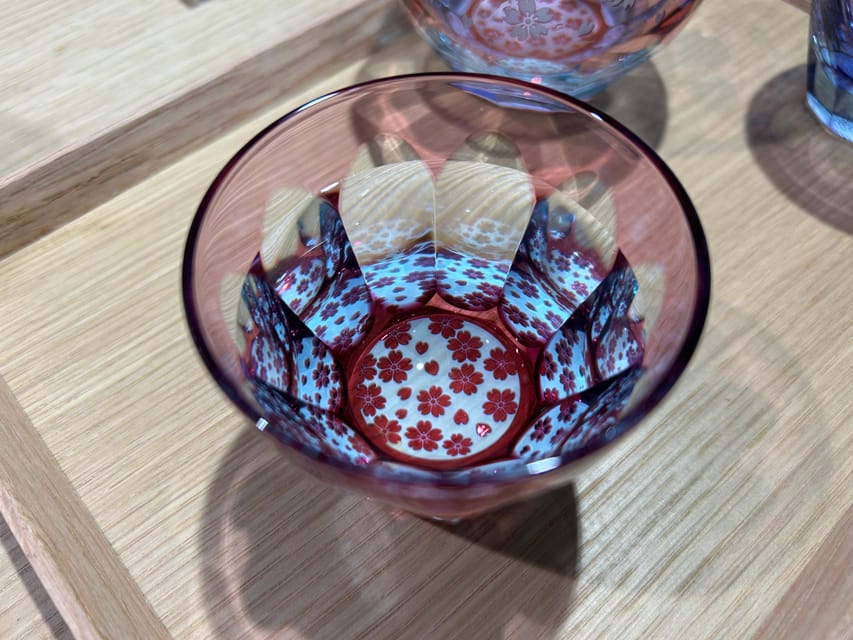
Not every stop is a knife spotlight, and that’s a good thing. You’ll visit several shops with guided browsing time, including Dengama, Majimaya, TSUCHI-YA ガラスの器と工芸, Hashitou, and Iidaya.
Even if you don’t buy anything, these stops build a useful sense of comparison. In a market full of kitchen goods, you want to understand differences in design and purpose. The guide’s role is to help you notice those details instead of getting lost in the visual noise.
A few practical tips for this part of the walk:
- Take one photo per shop only if it helps you remember later. Too many shots will scramble your brain.
- Focus on the “use case.” If you cook often, look for tableware and tools that match your habits.
- If you see something you love, ask what makes it different from the cheaper options you might find elsewhere. The guide’s explanations are where you get value.
TSUCHI-YA ガラスの器と工芸 deserves a special mention because the name itself signals what you’ll spend time looking at: glass crafts and glass tableware. Even without buying, this kind of stop is great for understanding how Japanese kitchenware includes objects meant to be seen during a meal, not just used out of sight.
Food samples at Ganso Shokuhin Sample-ya: the restaurant magic trick
One of the most culturally fun stops is Ganso Shokuhin Sample-ya Kappabashi Showroom. It’s dedicated to food samples, and that’s exactly what makes it memorable.
Food sample culture in Japan is more than decoration. It’s a practical system that helps people quickly understand what’s available. During the guided visit, you can learn how these samples fit into restaurant life, not just as art.
Why this matters on a kitchen tools tour: it shows that Japanese dining includes design choices at every step. If you’re a traveler who likes food experiences, this stop gives you a concrete window into how restaurants communicate before customers even step inside.
If you end up buying a souvenir here, think about the portability. Food samples are often more decorative than edible souvenirs, so they can be a great choice if you want something lightweight with a story attached.
MUSASHI JAPAN and the knife plus sake angle
Another destination on the route is MUSASHI JAPAN 合羽橋店 Knife & Sake Shop. The shop name is doing the work here. You’ll see a combination of knife products and sake-related items, which makes for an interesting contrast to the pure cutlery focus you get earlier.
This kind of stop is good if you’re the type of shopper who likes to connect your kitchen buys to the larger dining experience. Many people visit Kappabashi to build a small kit: something for prep, something for serving, and something that fits Japanese table culture.
Just remember the big theme: you’ll probably want to take your time. But the tour is designed as a 2-hour loop, so you have to choose what you want most. The guide can help you prioritize so you don’t end up with regret purchases that don’t match your budget or your real cooking habits.
How the guide keeps it efficient on a short 2-hour schedule
A big reason people rate this tour highly is the pacing. In one of the feedback notes, the guide was specifically praised for handling a very hot day with efficient shop selection. That’s practical value.
In short windows, efficiency is not about rushing. It’s about avoiding wrong turns and spending minutes where you can actually compare and understand. You’ll be guided through each store with a clear sequence, and that helps you keep momentum without missing the key craft points.
Here’s how you can get even more value from the short format:
- Decide your top category before you arrive: knives, tableware, glassware, or food samples.
- Let the guide steer you, then follow up with one question per stop. One good question beats ten vague ones.
- If you’re serious about buying, take mental notes on quality and design, not just the price tag.
If you want a full shopping day, you might feel the time limit. If you want focused learning plus enough shopping time to act on it, this length is a sweet spot.
Price and value: $19 for a guided craft route
The price is $19 per person for a 2-hour private walking tour, with a live guide included. Shopping costs are not included, and transportation is self-pay, so the ticket price is really about guidance and time.
That’s the key value equation. For the same money, you could spend a similar amount on “open-ended” browsing. But you’d lose the explanations that connect honyaki, advanced techniques like water-hardening, and the product differences that matter.
This tour also saves you a painful kind of time loss. Without guidance, you might walk into shops randomly, miss the shops that match your interests, and leave with less clarity about what you actually bought. With Hirose-san, the route is built around craft focus and purchase opportunities like tableware only available in Asakusa Kappabashi.
In other words, the ticket price is buying you better decisions.
Who should book this kitchen street tour
This tour is a strong match if you:
- Love practical shopping, not generic souvenirs
- Want to understand what makes Japanese knives and tableware special
- Plan to buy at least one meaningful item, like tableware or chopsticks
- Appreciate food culture, including food samples
It’s also worth considering if you’re picky about quality and materials. The guide’s explanations help you sort what’s special from what’s merely pretty.
If you’re traveling with people who just want a quick photo stop, this may not satisfy everyone. But if your group enjoys learning and looking closely at craft objects, you’ll likely have a great time.
Should you book Hidden Tokyo: Kitchen Street with a local guide?
I think you should book this if you want two things: clarity and usable shopping ideas. The knife craft section gives you real context for a pricey category, and the Kappabashi-only tableware souvenir angle gives you a clear reason to shop here instead of anywhere else.
Skip it if your goal is purely casual browsing with no interest in understanding materials. Since shopping costs are on you and the time is short, you’ll feel the pressure if you want to treat every store as a slow, independent adventure.
But if you want a guided craft route with Hirose-san, a focused 2-hour walk, and the chance to see rare Japanese knife making alongside dining culture like food samples, this is the kind of experience that pays off fast.
More Guided Tours in Tokyo


More Tour Reviews in Tokyo
Not for you? Here's more nearby things to do in Tokyo we have reviewed












Tokyo City Tours, side by side.
 ★ 5.01-Day Tokyo Bus TourFrom $12914,250 reviews
 ★ 4.5TOKYO SKYTREE® Admission ticketFrom $1311,192 reviews
 ★ 4.6teamLab Planets TOKYO Digital Art Museum Entry TicketFrom $259,779 reviews
 ★ 4.0Mt Fuji & Hakone Cruise, Drum Show Bullet Train 1 Day from TokyoFrom $1497,413 reviews
 ★ 5.0Shinjuku Food Tour (13 Dishes at 4 Local Eateries)From $866,603 reviews
 ★ 4.4Tokyo Mt Fuji 5th St & Hakone Cruise Bus Tour w/Bullet TrainFrom $1545,024 reviews
 ★ 5.0Flagship 2-Hours Official Street Go-Kart Tour – Tokyo Bay ShopFrom $644,974 reviews
 ★ 4.5From Tokyo: Mount Fuji Full-Day Sightseeing TripFrom $684,970 reviews