Review · TOKYO
Karate Experience with the Shotokan Karate-do Instructor
Karate gets real at the SKIF dojo. This 90-minute Shotokan karate experience at the SKIF Headquarters is built around hands-on training with top-level instructors, plus the chance to try board breaking yourself. I also love the English coaching that adapts to your level, from first-timers to people with prior karate experience. One thing to factor in: at $220 per person, it is not a casual “watch and leave” demo, and the session is short, so arriving on time matters.
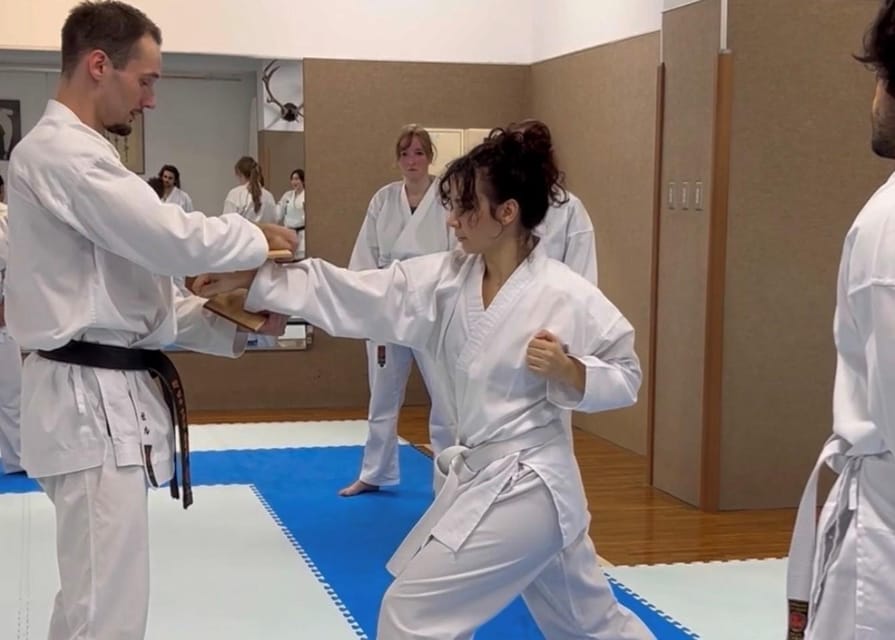
The class runs in a small group (up to 10), with a clear progression from history and philosophy to basic techniques, kata, and pre-arranged sparring practice (called promise kumite). You finish with a friendly exchange and photos, which makes it feel more like a guided cultural moment than a rushed workout.
Key things I’d focus on before you go
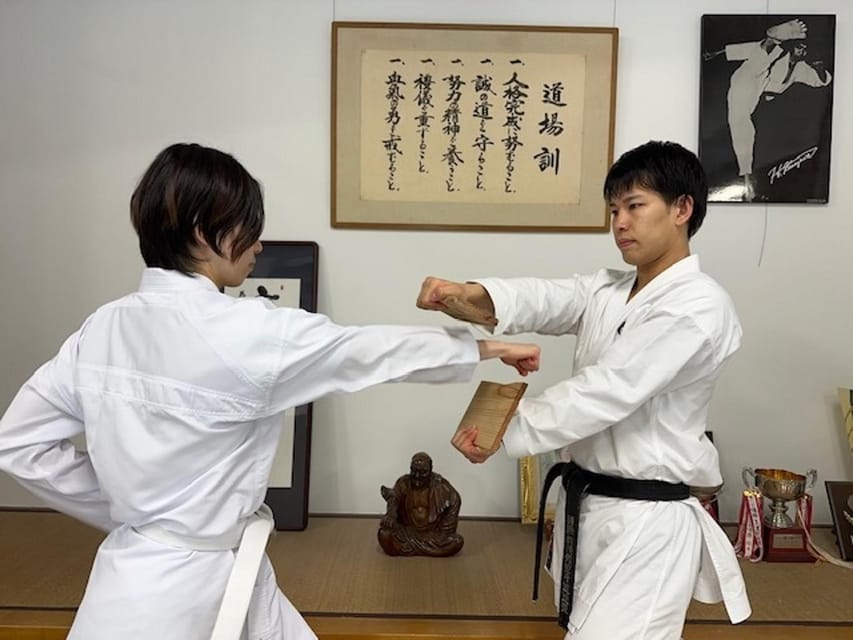
- SKIF Headquarters training environment: you practice in the same dojo setting tied to an elite, long-standing karate federation.
- Hands-on basics, not just posing: striking, kicking, kata, and promise kumite are part of the flow.
- Board breaking is included: you do it, not just watch it.
- Instructor level shows in the details: world-championship experience helps you understand form and intent.
- Small group pace (10 people max): you get time to ask questions and adjust.
Why SKIF HQ is more than a fancy address for Shotokan
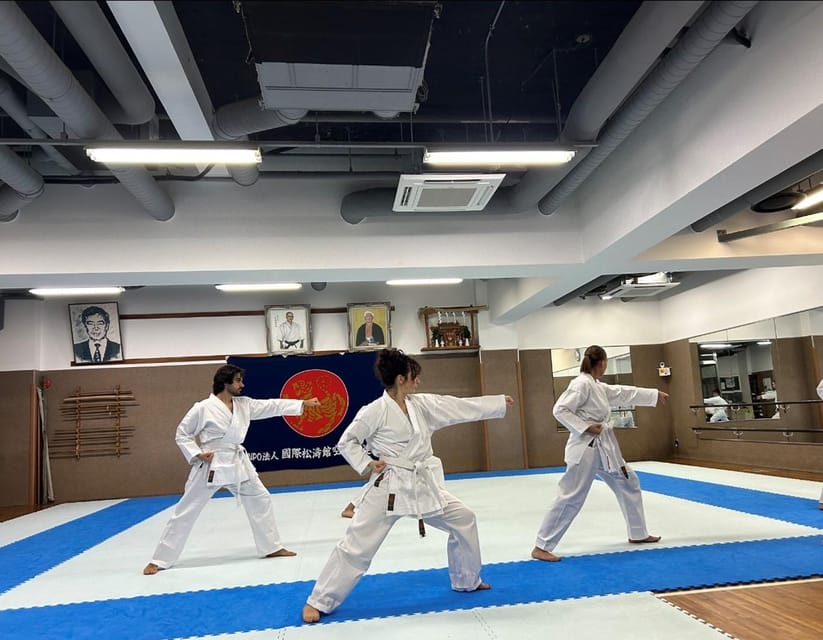
Location matters in karate. This session is held at the SKIF Headquarters dojo, a place associated with world champions who train and teach. That changes the vibe fast. Even before you move, the setting makes it clear this is about discipline, technique, and communication, not a quick show.
It also helps that the instruction is in English. If you have struggled in the past to connect karate terms to real movement, this format is designed to bridge that gap. You’ll start with a brief intro to the history and philosophy of karate, which might sound like “lecture time,” but it pays off during training because you’ll know what you are aiming for when you throw punches or step into kata.
One more practical point I appreciate: uniforms are available for rental. That means you can show up without worrying about sourcing gear, then focus on learning the basics cleanly.
You can also read our reviews of more tours and experiences in Tokyo.



Your 90-minute flow: from karate philosophy to kata to promise kumite
The structure is simple and well-paced, and that is a big part of the value. You’re not dropped into random drills. Instead, the session is built like a mini karate lesson plan.
It typically runs like this:
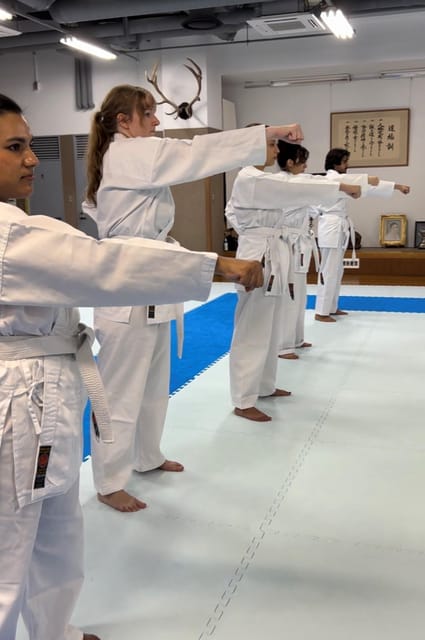
First, you get a short introduction that frames karate’s purpose and how practitioners think about form, focus, and control. Then you move into hands-on technique training, covering fundamental movements such as striking and kicking. This is where you’ll learn how to execute basics with proper stance, distance, and timing, rather than just “doing something that looks like karate.”
Next comes kata, the pre-set forms that teach sequences, angles, and how to generate power through body alignment. Kata can be intimidating if you have never done it, but in a guided session like this, you’re learning the building blocks, not memorizing a complicated routine and hoping for the best.
Finally, you practice promise kumite, which is pre-arranged sparring. This part is especially useful because it helps you experience partner work in a controlled way. You get a taste of distance, rhythm, and response without the chaos that can happen in full sparring.
You finish with a friendly exchange plus a photo opportunity. That last piece is a nice touch if you want to remember the day without turning the class into a social media performance.
Basics that actually help: striking, kicking, and stance you can feel
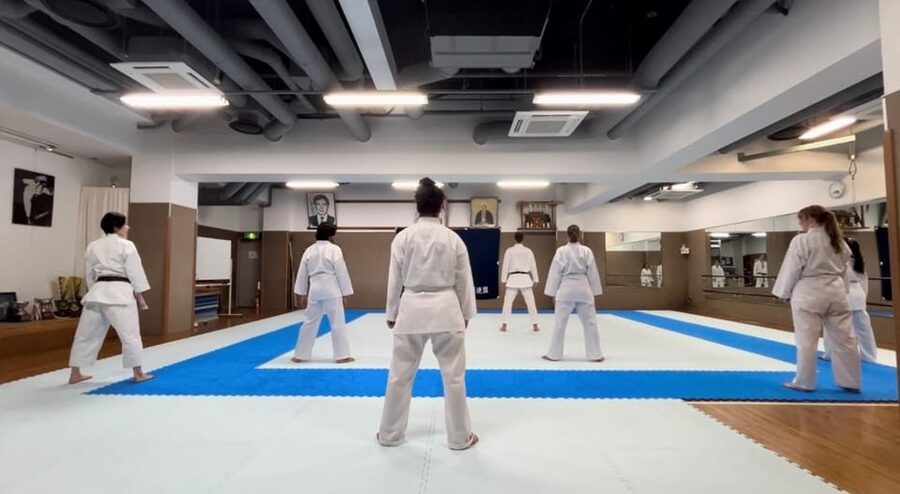
A lot of karate experiences turn into a blur: you try a kick, you flail a punch, and you leave wondering what you did. This one aims to make the basics stick.
When you practice striking and kicking, you’re working on fundamentals like:
- proper stance and balance
- how to align your body for clean technique
- generating power with correct movement, not just muscle
That matters because karate basics are not only about movement. They are also about repeatability. If your stance is off, everything else suffers, including your ability to follow a kata sequence or meet a partner in promise kumite.
If you have prior experience, you’ll likely notice the instructor watching how you move and then adjusting your technique. One of the strongest signals from the feedback is that the instructor went specifically into traditional karate and adapted to the participant’s existing level. That is exactly what you want, because a beginner benefits from clarity, and an experienced karateka benefits from refinement.
Kata practice: why forms are the fastest path to understanding
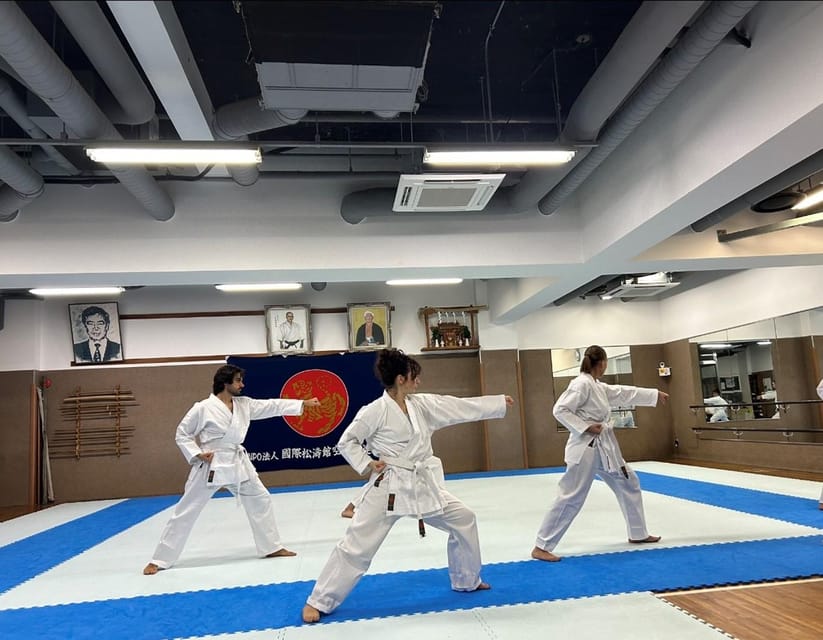
Kata is the heart of Shotokan training, and it is also the fastest way to learn how karate fits together as a system. In this session, you get hands-on kata instruction rather than treating kata like a museum piece.
Here’s why you should care: kata teaches you the “why” behind individual strikes and blocks. The sequence forces you to think about how you transition between stances, how your hips and shoulders rotate, and how your timing changes with each step. Even if you only practice a small portion, kata gives you a structure you can keep practicing later.
Because the class is small and the instructor is experienced, you can ask about technique or even Japanese terms. Feedback from a participant highlighted how well the instructor explained Japanese terms and answered questions about techniques. That is huge. If you can name what you are doing, you can improve it, and you can train more safely on your own later.
Promise kumite: controlled sparring that teaches distance and response
Promise kumite sounds like a special phrase, but the idea is simple: pre-arranged sparring practice. In other words, you and your partner practice responses in a structured way.
For beginners, that reduces the mental overload. You can focus on form, footwork, and timing instead of panicking when something unexpected happens. For experienced students, it is a good reality check. You get to see whether your technique works when it matters, but without losing control of the drill.
This is also where you often feel the difference between “performing karate” and doing karate. The instructor can guide you toward crisp mechanics, good spacing, and partner-friendly control. If you only do kata, you might miss how distance changes everything. Promise kumite bridges that gap.






Board breaking and the instructor demonstration: fun, but still technical
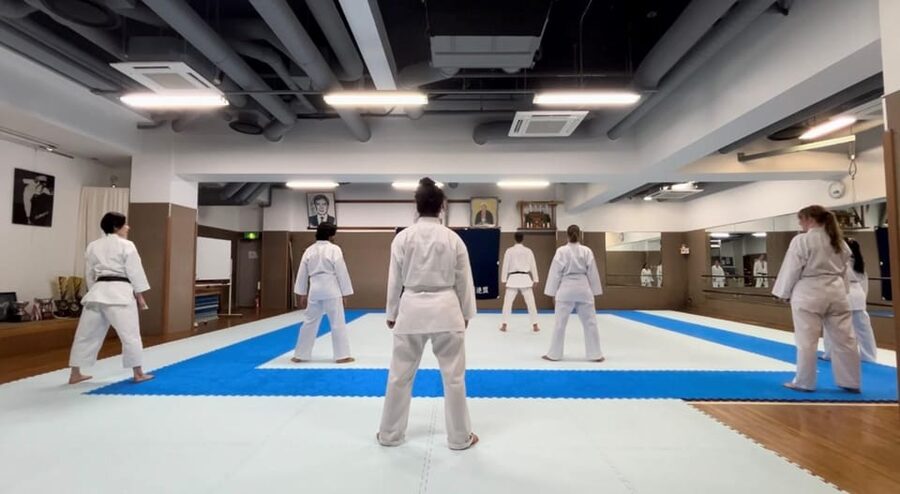
Let’s be honest. Board breaking is the highlight most people talk about because it is dramatic and satisfying. In this experience, you don’t just watch. You get the chance to try board breaking yourself, and that alone makes the session feel memorable.
What makes it more than a gimmick is that breaking is technique-intensive. You need correct stance, alignment, and timing to make the strike effective. You also need control so the break attempt stays safe and meaningful.
You’ll also observe a powerful demonstration by the instructor. That moment is useful for your learning because you can watch the mechanics in real time. You see how the instructor moves before power is applied, and you understand that breaking is not about swinging harder, it is about generating force through correct body alignment and focus.
If you’re hoping for a “photo moment,” this part delivers. If you’re hoping for real technique, it delivers that too.
Instructor coaching that fits both beginners and experienced students
The session is led by one of several top-level instructors, and their competitive credentials include gold medals in kumite at SKIF World Championships, national titles in kata and kumite, and runner-up finishes in competitive national and global tournaments. Translation: you are learning from people who have spent years training and testing their technique under pressure.
In plain terms, this matters because instructors with real tournament experience tend to teach fundamentals with intent. They can tell you what to fix, not just what to do.
In the feedback, I noticed a recurring theme: the instructor adjusted to prior karate knowledge and made the session feel traditional. One participant in Germany had a great hour with an instructor named Paul, and said he tailored the training to their level and explained techniques and Japanese terms clearly. That kind of adaptation is exactly what makes a class worth paying for, especially when the group is small.
Even if you are brand new, you’ll likely appreciate the structure and language support. Even if you already practice karate, the experience is designed so you can request a more satisfying program if you tell the provider in advance what style you practice and what training you want.
Price and value: is $220 worth 90 minutes?
$220 for 90 minutes is a premium price. But value in karate is not measured only by minutes. It’s measured by instruction quality, training setting, and the number of meaningful training components you get in one session.
Here’s what you’re actually paying for:
- instruction from English-speaking instructors with tournament credentials
- training at SKIF Headquarters in a dojo environment tied to serious karate practice
- a structured lesson that includes striking, kicking, kata, promise kumite, and board breaking
- small group size (10 participants max), which helps you get coaching
- uniform rental included, so you are not paying extra for gear
Compare that to the cheaper end of the market, where you might only watch demonstrations or do a quick taster with limited technique feedback. Here, you participate in multiple activities, and you’re not left guessing what to improve.
My practical take: if you want an authentic Shotokan-style session taught with real structure, plus the signature board breaking trial, this price makes sense. If you only want casual sightseeing with a light activity and you hate short classes, you might find it costly for the time.
Logistics that matter: where to meet, what to bring, and how to not lose time
The meeting point is easy. It’s a 2-minute walk from Tokyu Ikegami Line Kugahara Station. If you’re unsure about directions, you can let the provider know in advance so they can pick you up at the station.
Plan your arrival carefully. If you arrive late, the experience cannot be extended. You should show up at least 10 minutes before the start time.
What to bring:
- a towel
- drinks
Not included:
- bottled water
- a towel
So if you get thirsty or you sweat easily, bring your own water. Also, uniform rental is available, so you do not need to pack a gi, but you do need to be ready to train.
For rules, keep it simple. Smoking is not allowed, food and alcohol are not allowed, and electric wheelchairs are not allowed. Non-folding wheelchairs are not allowed either. If accessibility or a child situation affects your plans, you should contact the provider, especially since the information notes children under 7 are not suitable.
Who should book this Shotokan karate experience?
This is a strong fit if you fall into one of these groups:
- Beginner adults who want a true introduction to karate basics, including kata and partner practice in a structured way.
- Experienced karateka who want a traditional-feeling Shotokan session, plus a chance to ask questions about technique and Japanese terms.
- Culture-minded travelers who like learning how discipline, movement, and meaning connect in Japanese martial arts.
If you want a quick adrenaline hit only, you’ll still have fun with board breaking. But the deeper value is in the coaching and the training sequence.
It may be less ideal if you dislike short time blocks or you cannot arrive early. The class is 90 minutes, and late arrivals are not extended.
Should you book it? My decision guide
Book this if you want an actual Shotokan training session at SKIF Headquarters, not a pass-through demonstration. The combination of structured basics (striking, kicking, kata), partner practice (promise kumite), and board breaking trial makes it a full, memorable package. The small group size also helps keep it interactive, and the English instruction makes it workable for visitors who do not speak Japanese karate terminology fluently.
Skip it only if the price feels too steep for your travel style, or if you mainly want sightseeing over hands-on movement. This is a do-the-work experience. You will get out of it what you put in, and it rewards focus more than athletic showmanship.
If you do book, send a note in advance if you already practice karate. That’s the fastest way to help the instructor tailor the training so it feels satisfying instead of repetitive.
FAQ
How long is the karate experience?
The session lasts 90 minutes.
Where is the meeting point?
It is located a 2-minute walk from Tokyu Ikegami Line Kugahara Station.
Is instruction available in English?
Yes, the instructor speaks English.
What’s included in the price?
Instruction in basic techniques, the opportunity to try board splitting, observation of an instructor demonstration, and uniform rental are included.
What should I bring with me?
Bring a towel and drinks. Bottled water is not included.
Can I rent a uniform?
Yes, uniforms are available for rental.
Is it suitable for children?
Children under 7 years are not suitable. For children under 7 or over 7 who would like to visit only, you should contact the provider.
What happens if I arrive late?
If you arrive late, the experience cannot be extended. Plan to arrive at least 10 minutes before the starting time.