
Review · TOKYO CITY TOURS
3h Tokyo E-Bike Tour: Hidden Gems, and Local Life with guide
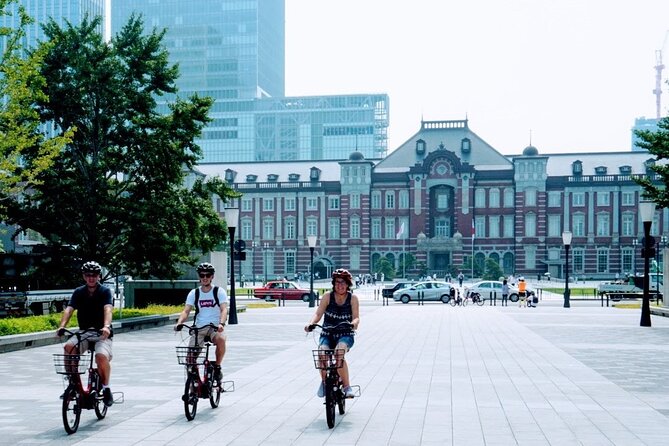
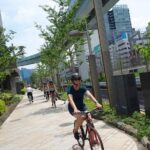
Tokyo feels smaller on an e-bike. This 3-hour ride is an easy way to see a lot of Tokyo without fighting heavy walking, and the e-assist bicycles make it friendly even if you have never cycled in a big city. I like the small group size too, because it keeps the pace calm and helps the guide manage traffic while you snap photos and listen at stops.
The main thing to think about is practical prep. You are expected to wear a helmet and show up in clothes that are comfortable for riding, plus your hairstyle needs to work with a helmet fit. If that sounds annoying, you may prefer a walking tour instead, but if you like the freedom of moving under your own power, this format hits the sweet spot.
Key points that make this Tokyo e-bike tour work
- E-assist bikes for effortless pedaling: you get help when you need it, so the ride stays smooth.
- Small group, limited to 6 people: calmer energy, easier photo stops, and safer handling on streets.
- Photo stops with guide commentary: you can pause, look around, and get context without rushing.
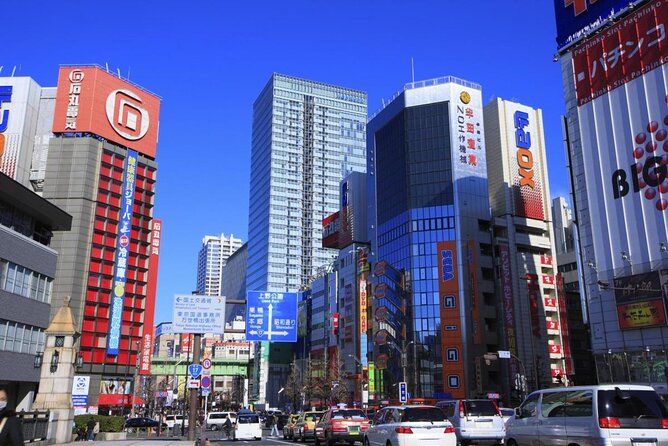
- A route that blends pop culture and old-town Tokyo: Akihabara, Asakusa, Ryogoku, and Nihonbashi are all on the plan.
- Weather support is built in: simple rain gear, plus winter gloves or summer cooling products depending on the season.
- You get the full kit and basics covered: helmet rental, insurance, and an English-speaking guide are included.
Tokyo on an E-bike: Why the electric assist changes everything
Tokyo has a talent for making distance feel longer than it is. Even if you are only going from neighborhood to neighborhood, you can burn time crossing busy intersections and squeezing through crowds. An e-bike tour fixes that, because you cover more ground in 3 hours while staying in control of your own movement.
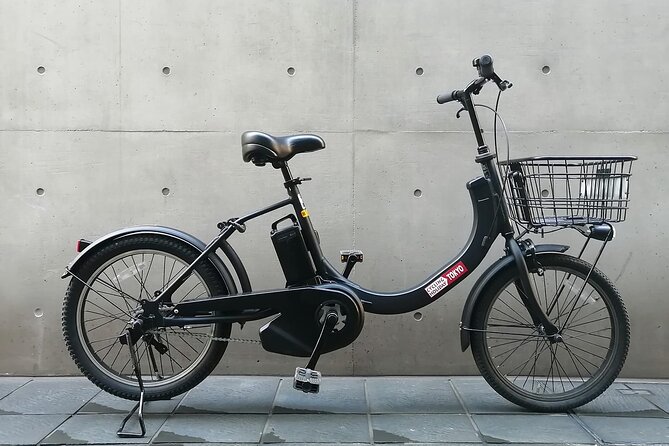
The biggest win is the electric assist bicycles. The tour is designed to be very easy to ride, which matters because you do not want to spend the whole afternoon worrying about balance, gears, or getting stuck. If you can comfortably sit, pedal lightly, and follow instructions, you are in the right place.
You also get a clear rhythm. The ride is broken up into segments with photo stops and short breaks, instead of a long nonstop cruise. That means you get to see the city while also having little moments to reset your eyes, stretch your legs, and take pictures without stress.
You can also read our reviews of more cycling tours in Tokyo
Small group size and traffic confidence with English guides
One reason I trust this kind of tour is the group size. This one is capped at 6 people or less, so the guide can keep everyone together without turning the streets into a moving sidewalk. In a city like Tokyo, that control is not just comfort, it is safety.
You also have an English-speaking guide, which is a big deal for first-timers. You want to understand what you are seeing while you are actually there, not just later from a phone app. The guide adds commentary at points where the group stops, so you get context for the neighborhood right when your camera is ready.
Safety shows up in the details. Helmets are required, and the guide stays focused on the group and the flow of traffic. One review credited a guide named Jo with being a super guide, and another highlighted Ted as a great guide, with the standout being the chance to ride around the streets and lanes. Another guide, Ninja, was praised for knowing a lot and paying close attention in traffic, which is exactly what you want from someone leading a ride in busy areas.
The 3-hour plan: Akihabara, a quick quiet stop, then downtown Tokyo
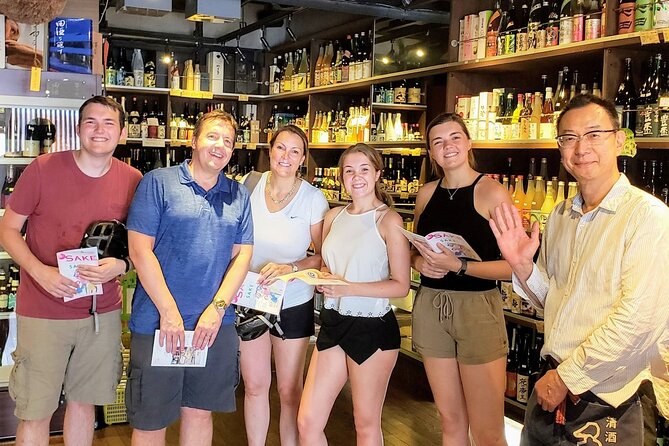
This is a PM tour for Tokyo first-timers, running from about 1:30pm to 4:30pm. The ride itself is about 3 hours, with the rest of the time focused on getting started, meeting up, and finishing back at the shop. For people who want to see several neighborhoods in one afternoon, this timing is practical.
You start at Cycling Holiday Tokyo, where the bicycles are lined up in front of the store and staff are there to help. That first minute matters more than you might think. If you can get your helmet on, understand how the e-assist feels, and adjust quickly, the rest of the tour stays relaxed.
Your first major stop is Akihabara for a photo stop. The area is described as an electric otaku town, so it is a natural place to kick things off with visual energy. You get to park the bike briefly, take photos, and listen to the guide’s comments before you move on.
Then comes a short visit to a smaller local spot, around 10 minutes. This is the kind of pause that breaks the ride into something more memorable than just a route map. If you like seeing how neighborhoods look when you are not inside a train station or a tourist lane, that short stop can do a lot for your overall experience.
Kappabashi Street free time: how to use 15 minutes well
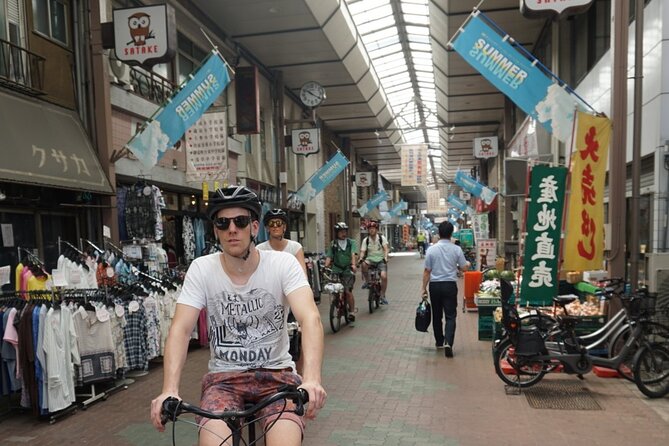
After Akihabara and that quick stop, the tour includes Kappabashi Street with free time for about 15 minutes. This is not a long free-for-all. It is enough time to walk a bit, look closely, and grab a photo or two, but it is short enough that you can still feel you are part of a guided program.
The best way to use this type of free time is to move intentionally. Do not try to do everything in 15 minutes. Pick one or two things you want, like a quick stroll for street scenes or a couple of stops to check what local shops look like. Since food and drinks are self-pay, you might also plan to pick up a snack if you want it, but the tour itself does not include meals.
Also remember the bike is your base. When the guide calls the group back, you want to be ready to re-mount and keep rolling. I like free time like this because it gives you a taste of independence without turning the day into a scavenger hunt.
Asakusa for your own pace: world-famous area with guided context
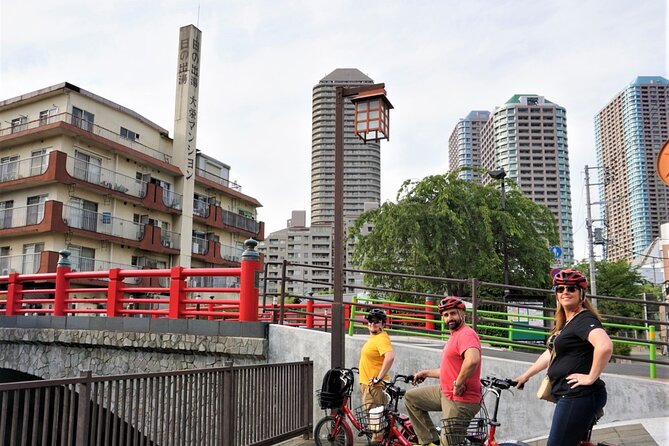
Next up is Asakusa, and you get free time there as well. The tour calls Asakusa world-famous, which tells you this part of the afternoon is for classic sights and strong visual payoff. The guide still gives you context during the stops, but you get space to wander.
This is a smart balance for first-timers. You do not want to spend a guided tour only hearing facts as you rush past. You also do not want to go to the biggest places with no idea where to look. Free time lets your eyes do the choosing, while the earlier guidance helps you know what to pay attention to.
Timing matters here. Because the tour is only about 3 hours, you will not feel dragged through the day. You will get to enjoy Asakusa without it swallowing your whole afternoon, which is useful if you are also doing other activities later.
If you like photography, this is a good stretch of time to focus on angles. When you are on an e-bike, you are higher than walking and you can frame streets in a way that feels different from typical sightseeing photos. Even if you do not consider yourself a photographer, you will likely come away with a few better shots than you would walking alone.
You can also read our reviews of more guided tours in Tokyo

Ryogoku for a sumo-area photo stop, then Edo-era Nihonbashi
The tour includes Ryogoku, which is described as the sumo area. You get a photo stop here for about 10 minutes. A photo stop is short, but it is often the right length for a place like this, because the goal is to capture the look of the neighborhood and get a quick guided explanation before moving on.
What I like about doing Ryogoku as a photo stop is that you avoid the all-or-nothing trap. Some tours try to turn every stop into a long visit, then you end up feeling behind schedule. Here you get a taste, enough to remember the area visually, and then you shift to the next piece of the story.
That brings you to Nihonbashi, a built-in-the-Edo-period spot described as about 400 years ago. This is a 5-minute photo stop, which suggests the tour is treating Nihonbashi as a quick anchor, a historical punctuation mark at the end of a modern-to-traditional arc. Short or long, these timed stops keep the flow smooth.
You end by returning to the starting point at Cycling Holiday Tokyo. That matters for convenience. You do not have to solve train transfers or figure out how to get back to your bike. You just finish the route where you started.
What you actually get for the $61 price
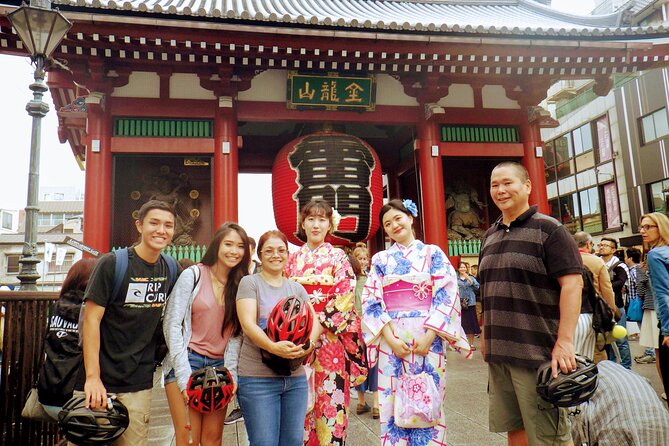
At $61 per person for about 3 hours, the value is strongest when you look at what is included versus what you would otherwise pay for on your own. This tour includes the rental E-assist bicycle and a helmet rental, plus an English-speaking guide and insurance.
It also includes practical weather items that can make or break a Tokyo afternoon. You get simple rain gear, and depending on the season you may get simple gloves in winter or cooling products in summer. Those are small things, but they are also the kind of things you do not want to buy last minute, then regret later because you barely used them.
Food and drinks are not included, so you should budget a bit for yourself if you want a snack during free time. Since the tour is only 3 hours, you are not likely to need a full meal, but having a plan keeps you comfortable.
Overall, the price feels like it is paying for three things: gear, a guide who helps you make sense of neighborhoods fast, and the convenience of a structured route in a small group. If you hate logistics and you want an efficient Tokyo afternoon, that is when the value stands out.
Prep checklist: clothing, helmet fit, and how to avoid stress
Before you go, dress for riding. The tour asks you to wear comfortable clothes for biking, and it specifically notes you should bring a hairstyle that allows you to wear a helmet. That is the kind of detail that can get overlooked, then become annoying at the start if your helmet does not sit right.
Plan to bring nothing complicated. The tour includes helmet rental and simple rain gear, so you do not need to show up with a full kit. Still, treat the day like active sightseeing. If you wear shoes that are not comfortable for short walking spurts while you look around, you might feel it during the free-time blocks.
Also think about personal comfort around weather. Because you get rain gear plus gloves or cooling products depending on season, you are covered for common Tokyo conditions. But that still does not replace normal common sense, like staying aware if weather changes quickly.
Who this tour fits, and who should choose something else
This tour is ideal for Tokyo first-timers who want a lot of variety in one afternoon. It moves from Akihabara to Asakusa, then to the sumo-area feel of Ryogoku, and ends at Edo-period Nihonbashi. That mix gives you both modern pop-culture energy and traditional downtown atmosphere without requiring you to become a transit expert.
It is also a strong match if you want to bike but you do not want the hard work. The electric assist makes it much easier than a regular bicycle, and the guide keeps everything organized.
If you absolutely hate biking, then you might find the experience frustrating. This is a cycling holiday with e-bikes at the center, not a stroll with occasional wheels.
If you are sensitive to traffic noise or prefer very quiet sightseeing, you should consider your comfort with busy areas. The tour includes traffic awareness and guidance, but you are still riding through real city streets.
Should you book this Tokyo e-bike tour?
I would book it if you want an efficient 3-hour afternoon that covers multiple neighborhoods without turning into a sprint. The small group limit, the easy-to-ride e-assist setup, and the guide commentary at photo stops create a good balance of structure and personal freedom.
I would hesitate if you have zero interest in cycling, or if helmet rules and biking clothes would genuinely ruin your day. In that case, a walking tour is probably a better fit.
If you are the kind of traveler who likes photos, likes learning why neighborhoods look the way they do, and wants to move through Tokyo without exhaustion, this one is worth a spot on your schedule.
FAQ
How long is the Tokyo e-bike tour?
The tour lasts about 3 hours.
What’s included in the price?
You get an E-assist bicycle rental, a helmet rental, an English-speaking guide, insurance, simple rain gear, and simple gloves in winter or cooling products in summer.
Are food and drinks included?
No. Food and drinks are not included, so you’ll need to pay for them yourself at shops.
Where do we meet the guide and start?
You meet at Cycling Holiday Tokyo. The bicycles are lined up in front of the store, and staff are standing there.
What language is the guide?
The guide provides commentary in English.
Can I cancel, and is there a pay-later option?
Yes. You can cancel up to 24 hours in advance for a full refund, and you can reserve now and pay later.
More Cycling Tours in Tokyo

More Tours in Tokyo




More Tour Reviews in Tokyo


Not for you? Here's more nearby things to do in Tokyo we have reviewed



Tokyo City Tours, side by side.
 ★ 5.01-Day Tokyo Bus TourFrom $12914,250 reviews
 ★ 4.5TOKYO SKYTREE® Admission ticketFrom $1311,192 reviews
 ★ 4.6teamLab Planets TOKYO Digital Art Museum Entry TicketFrom $259,779 reviews
 ★ 4.0Mt Fuji & Hakone Cruise, Drum Show Bullet Train 1 Day from TokyoFrom $1497,413 reviews
 ★ 5.0Shinjuku Food Tour (13 Dishes at 4 Local Eateries)From $866,603 reviews
 ★ 4.4Tokyo Mt Fuji 5th St & Hakone Cruise Bus Tour w/Bullet TrainFrom $1545,024 reviews
 ★ 5.0Flagship 2-Hours Official Street Go-Kart Tour – Tokyo Bay ShopFrom $644,974 reviews
 ★ 4.5From Tokyo: Mount Fuji Full-Day Sightseeing TripFrom $684,970 reviews
This tour also belongs to