
Review · LUNCH EXPERIENCES
Make Rice Balls and Enjoy a Japanese Home-Style Lunch in Yanaka
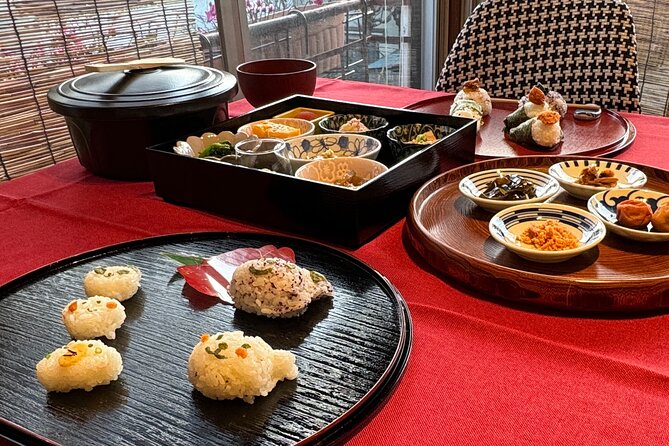
Rice balls, but make it lunch. In Yanaka, you learn to shape onigiri from scratch, then build a bento box with neighborhood okazu, toppings, pickles, and rice sprinkles. I like the laid-back, patient feel of the teaching, with instructors such as Yuki, Masayo, and Eiko noted for being welcoming and helpful, and I like that you get a real meal at the end, not just a few bites.
This is a compact experience, roughly 1 hour 30 minutes, so if you want a slow, full-course cooking day, you might feel the time moves fast.
Key takeaways before you go
- Hands-on onigiri basics: Learn shaping techniques and how to customize flavors with toppings, pickles, and sprinkles.
- Real bento know-how: You’ll practice layout, plating, and how to make a bento box look good and stay practical.
- Local okazu sourcing: Your main bento dishes come from neighborhood delis and shops, keeping the lunch tied to Yanaka.
- Meal included, not improvised: After the build, you eat your creations with local side dishes and miso soup, plus coffee.
- Small group, family-friendly energy: The class caps at 12 people, and kids may get helpful activities like calligraphy or origami.
Yanaka onigiri class, the kind of Tokyo lunch you can copy at home
If you’ve ever stared at a bento picture online and thought, I want my lunch to look like that, this is a very doable way to learn. You’re not just watching someone cook. You’re making rice balls from scratch, then packing a bento that balances neat presentation with real everyday food.
Yanaka matters here. It’s not the “rush in, rush out” part of Tokyo. The class uses neighborhood deli and shop items for the okazu, so your bento feels like it belongs in the area, not like a stage prop. And because the class includes a shared meal, it’s a gentle way to taste Yanaka after you’ve learned the mechanics of packing a bento.
I also appreciate the focus on fundamentals. You get practical tips you can use later, like how to build a bento so everything has a place, and how to think about flavors in a rice-and-side setup.
More Tokyo tours and experiences for the shortlist

Meet at YANESEN, then jump straight into onigiri
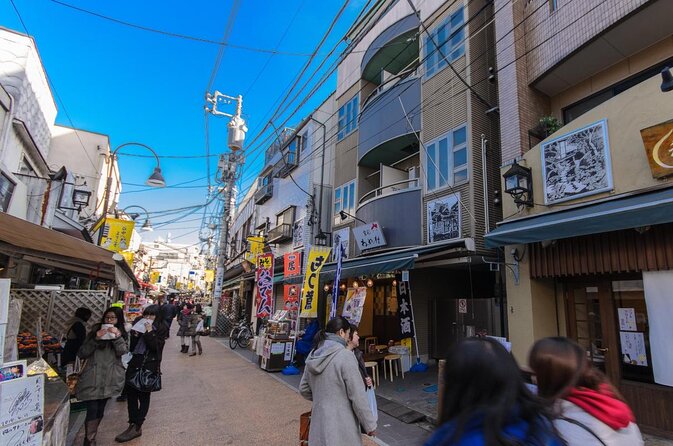
You’ll meet at the YANESEN Tourist Information & Culture Center, 3-chōme-13-7 Yanaka, Taito City, Tokyo 110-0001. The start time is listed as either 11:30 AM or 12:00 pm depending on your confirmed ticket, so rely on your booking confirmation for the exact moment.
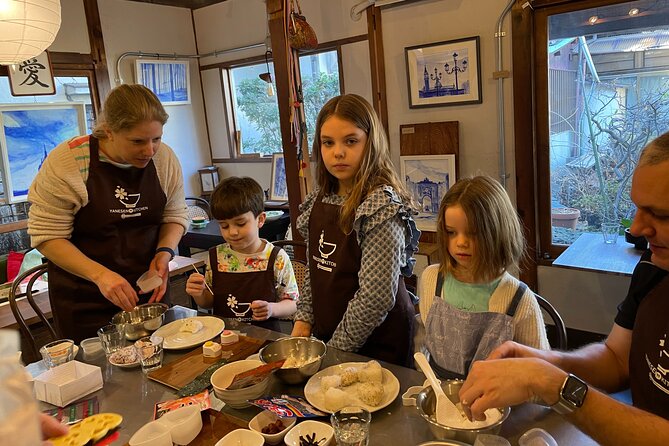
Once everyone’s gathered, there’s an introduction and you start prepping right away. This is where the experience turns from typical sightseeing into something you’ll remember. You’ll work with the basic components for onigiri, including rice sprinkles and customizable add-ons like toppings and pickles.
What I like about this part is that it’s hands-on in a very grounded way. You’re learning the real logic behind onigiri, not just the final shape. That means when you get home, you can adjust flavors rather than trying to recreate one rigid recipe.
And the instructors have a reputation for being patient and attentive. Names that come up in the experience include Yuki, Masayo, and Eiko, and multiple people call out the same theme: you won’t feel rushed or lost while you’re learning.
The lunch flow, table setting to photo to first bite
The schedule runs in a simple arc: you make, you assemble, you sit, you eat. Plan for a relaxed but focused rhythm.
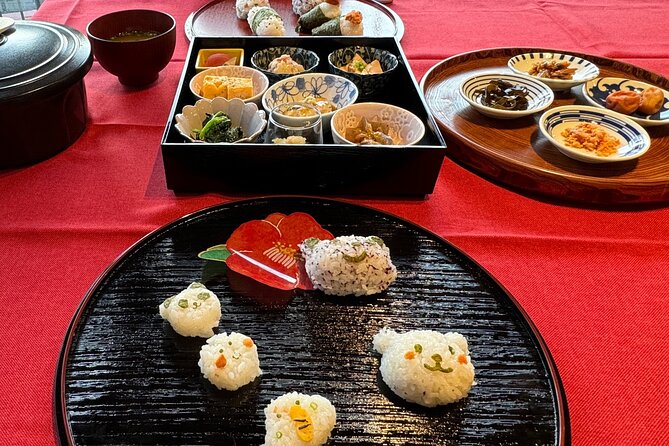
Early on, you’ll prepare rice balls and set up your toppings and pickles. Then you’ll move into the bento box planning. This part is more than just packing food. You’re practicing layout and design, then placing your items so the bento looks intentional. There’s also a table setting and a photo session, which sounds small, but it nudges you to slow down and actually appreciate what you built.
Around the meal moment, you’ll sit down for presentation and eat together. There’s coffee involved, described as Tokyo roasted coffee, and the experience includes a “table ready” moment with Itadakimasu before you dig in. You’ll also get a talk about home-style dishes for the day and where to find similar items in Yanaka, so the class doesn’t stay trapped inside the cooking lesson.
At the end, you get to enjoy what you made alongside local dishes and miso soup. The timing lands at about 2:30 pm for the class end in the standard flow, depending on your specific start time and pacing.
Bento building 101, why the layout lesson is the real skill
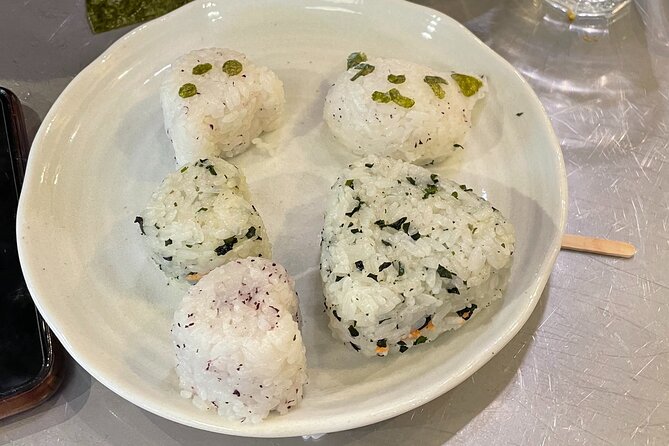
The best part of a bento class is not the ingredients. It’s the thinking. And that’s where this experience earns its keep.
You’ll use a bento box and create your own arrangement with okazu, which are home-style dishes. The class teaches tips for how to plate things so you get balance and visual order, not just a jumble of snacks. Even if you only have a lunch box at home, the principles carry over.
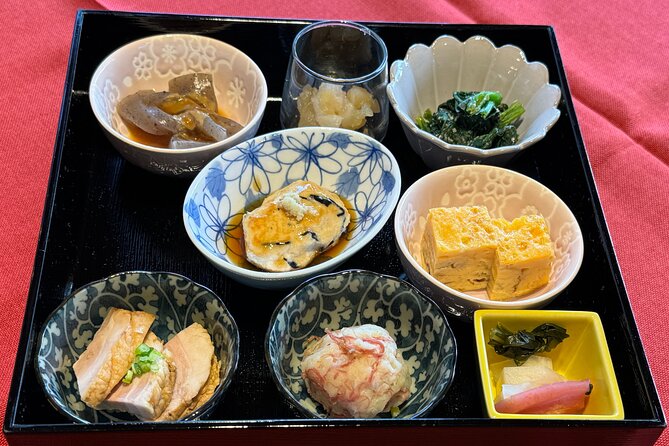
The food elements you’ll work with can include karaage, korokke, yakitori, and tamago-yaki. You’ll also add your onigiri creations as part of the overall lunch. That combination is a smart training ground, because it gives you contrasting textures and flavors, crispy plus savory plus rice, rather than one single-note lunch.
Here’s why the layout guidance matters: bento boxes are about portion control and organization. When you learn where to put items, how to pack sauces safely, and how to keep the look tidy, you stop treating lunch as an afterthought. You start treating it like a small design project.
I also like that the class includes presentation. The photo session and table setting push you to build with care. That small detail makes the end result more satisfying, even if you’re not a “food styling” person.
Okazu from Yanaka delis, not a generic ingredient haul
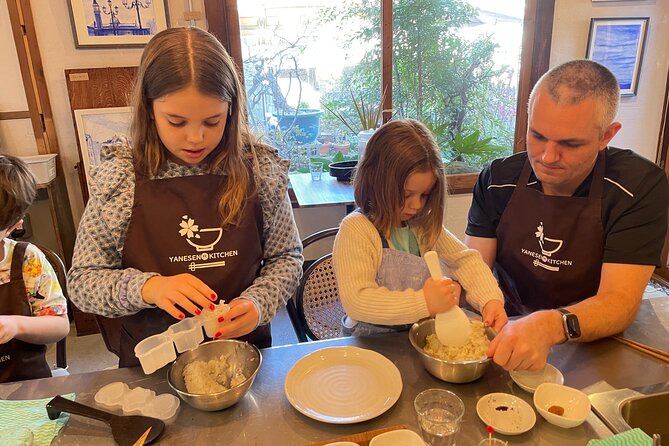
A big difference between good cooking classes and mere cooking demos is whether the food feels anchored in place. Here, the okazu side dishes are described as being purchased at neighborhood delis and shops. That means your bento is partly built from local everyday choices, not just a classroom menu.
In practice, this is helpful for you in two ways.
First, it lowers stress. You’re not trying to cook every component from scratch within 90 minutes. Instead, you focus on what the class is built to teach: onigiri and bento layout.
Second, it gives you a map for later. Your instructor explains home-style dishes for the day and where you can buy similar items in Yanaka. If you want to keep tasting after the class, this matters. You’re not leaving Tokyo with only a recipe card. You’re leaving with a practical lead.
And the meal pairing is part of the value. You’ll eat your creations alongside local favorites such as Japanese-style omelet, fresh salad, and teriyaki chicken, plus miso soup. If you like the idea of a “make it, then taste it” workflow, this fits nicely.






Small-group comfort, and what families might do during the session
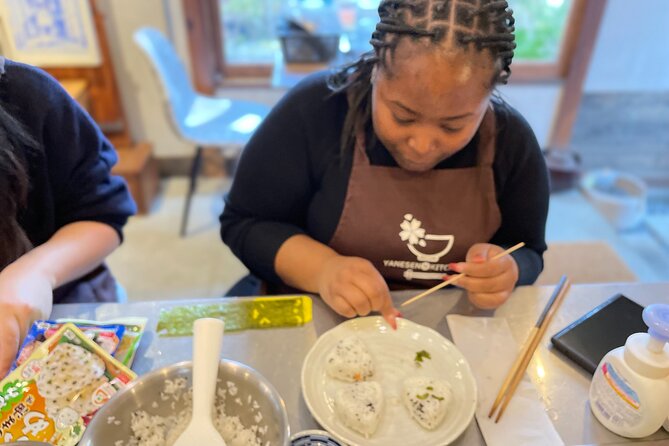
The group size tops out at 12 people. That’s the sweet spot for a hands-on class, because you get real attention without feeling like you’re in a private cooking studio.
The experience is also described as family-friendly, and kids can participate, with some added distractions like origami and calligraphy. If you’re traveling with children, this kind of structure helps. The kids get something active to do, and you still get time to learn the bento and onigiri parts.
Most travelers can participate, and the experience notes you can request allergy accommodations and vegetarian or vegan options when you reserve. That’s important for peace of mind. You don’t want to gamble on what’s safe or what will fit your diet once you arrive.
One more practical note: since your hands are part of the process, wear sleeves you’re comfortable with. You’ll likely handle rice and toppings, and you’ll be standing or moving around during assembly and presentation.
Price and value, what $60.62 really buys you
$60.62 per person is not cheap, so I’d only recommend it if the learning and meal are your goal, not just the food.
What makes the price feel more reasonable here is the bundle. You get:
- A hands-on onigiri making class from scratch
- Bento box plating and layout tips
- Ingredients and tastings included
- A sit-down meal with miso soup, local side dishes, and coffee
- A small-group setting with active instructor support
That package is the difference between a ticket price and a true experience. If you were to buy all the food and then still try to learn bento layout on your own, you’d spend money and time with less guidance.
Also consider the time. The whole experience is about 1 hour 30 minutes. You’re getting a lot of learning and eating without sacrificing a full half-day of sightseeing. For many travelers, that makes it a good “use one morning or early afternoon well” choice.
Who should book this Yanaka onigiri lunch class
This is a great fit if you want a calm, authentic Tokyo food activity that feels practical rather than theatrical. I’d especially recommend it to:
- Families who want kids involved in a hands-on lunch
- First-time Tokyo visitors who want a gentle intro to Japanese everyday food culture
- People who like to cook or pack lunches and want real technique
- Travelers who value small-group attention and a relaxed pace
You’ll also enjoy it if you want extra reassurance about diet. Vegetarian, vegan, and allergy requests are available if you make them during reservation.
If you’re the kind of traveler who only wants street food walking tours or late-night nightlife plans, this one may feel a bit “homey.” But if you like learning by doing, the bento skill itself will give you something lasting.
Should you book it, yes if you want skills, not just snacks
Book this if you want a hands-on Yanaka lunch that teaches onigiri making and bento layout, then rewards you with a real meal you built yourself. The class is small, the instruction is known for being patient, and you leave with both food and practical ideas for packing and presentation.
Skip it only if you don’t care about cooking technique, or if you’re looking for a long, multi-course cooking program. This is a tight 90-minute burst of learning plus eating.
FAQ
Where does this onigiri and bento class start?
You meet at YANESEN Tourist Information & Culture Center, 3-chōme-13-7 Yanaka, Taito City, Tokyo 110-0001, Japan.
How long is the experience?
The duration is about 1 hour 30 minutes.
What is the group size?
The experience has a maximum of 12 travelers.
What does the price include?
The class includes ingredients and tastings, and you also eat the dishes as part of the lunch experience, including miso soup.
Can the class accommodate dietary needs like vegetarian or vegan?
Yes. Vegetarian, vegan, and allergy requests are available, and you should let the provider know when you make your reservation.
What is the cancellation timeframe?
You can cancel for a full refund up to 24 hours before the experience’s start time. After that point, the amount paid is not refunded.
More Lunch Experiences in Tokyo



More Tour Reviews in Tokyo
Not for you? Here's more nearby things to do in Tokyo we have reviewed












Lunch Experiences, side by side.
 ★ 4.5Mt.Fuji & Lake Kawaguchiko 1-Day Bus Tour w/Optional LunchFrom $77839 reviews
 ★ 4.8Sumo Experience and Chanko Nabe LunchFrom $95257 reviews
 ★ 4.5Tsukiji Fish Market Tour with 6 Stops & Seafood LunchFrom $94165 reviews
 ★ 4.61 Day Bus Tour with Meiji-Jingu,Odaiba,lunch&SkytreeFrom $83156 reviews
 ★ 5.0Mt. Fuji, Oishi Park & Arakurayama Pagoda Bus Tour with LunchFrom $99128 reviews
 ★ 4.5Nagano Snow Monkey 1 Day Tour with Beef Sukiyaki Lunch from TokyoFrom $151123 reviews
 ★ 4.9Family Sumo Workshop & Live Wrestling Show with LunchFrom $6099 reviews
 ★ 3.9From Tokyo: Nikko Toshogu Day tour with Traditional LunchFrom $9072 reviews
This tour also belongs to